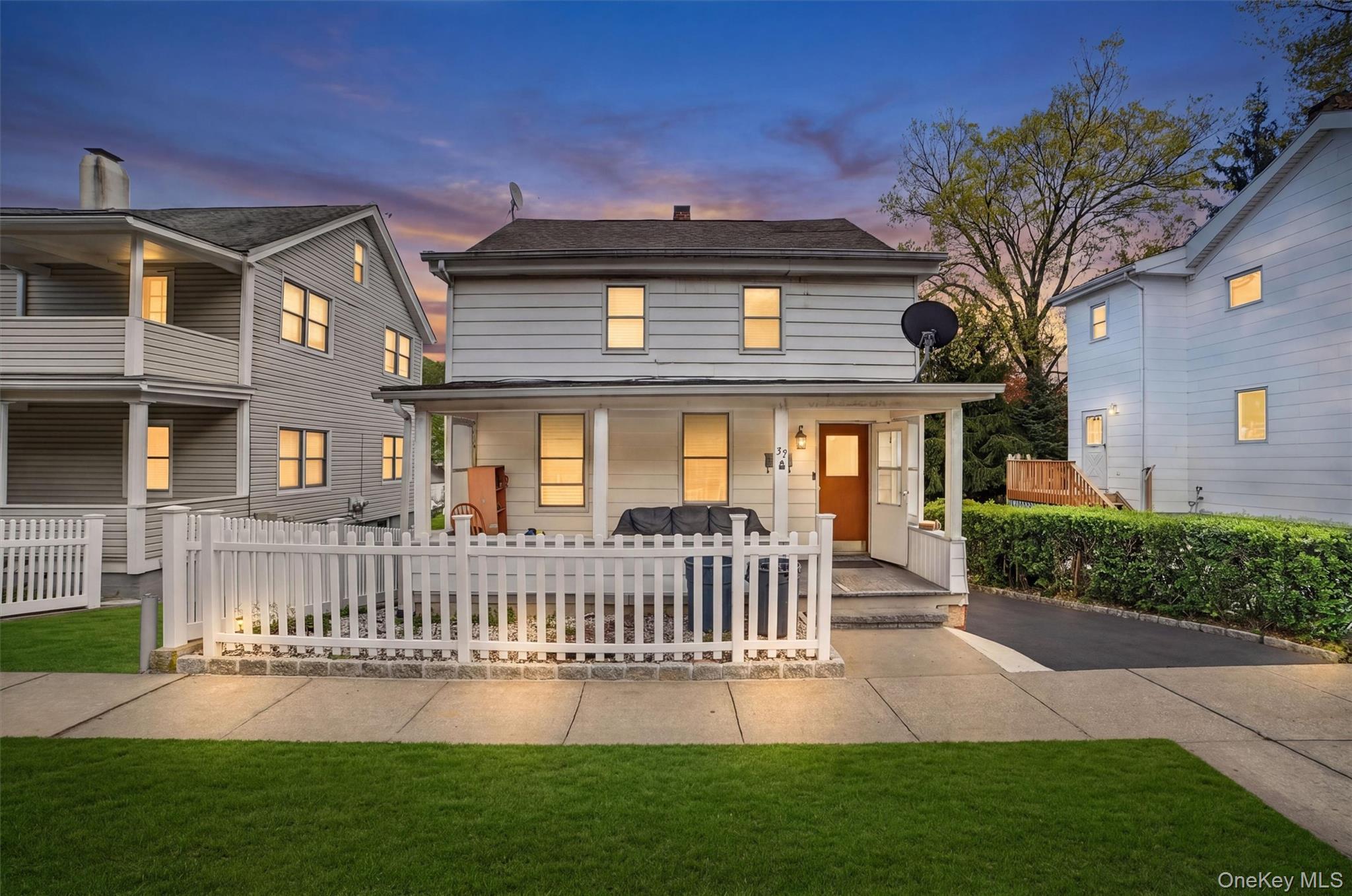
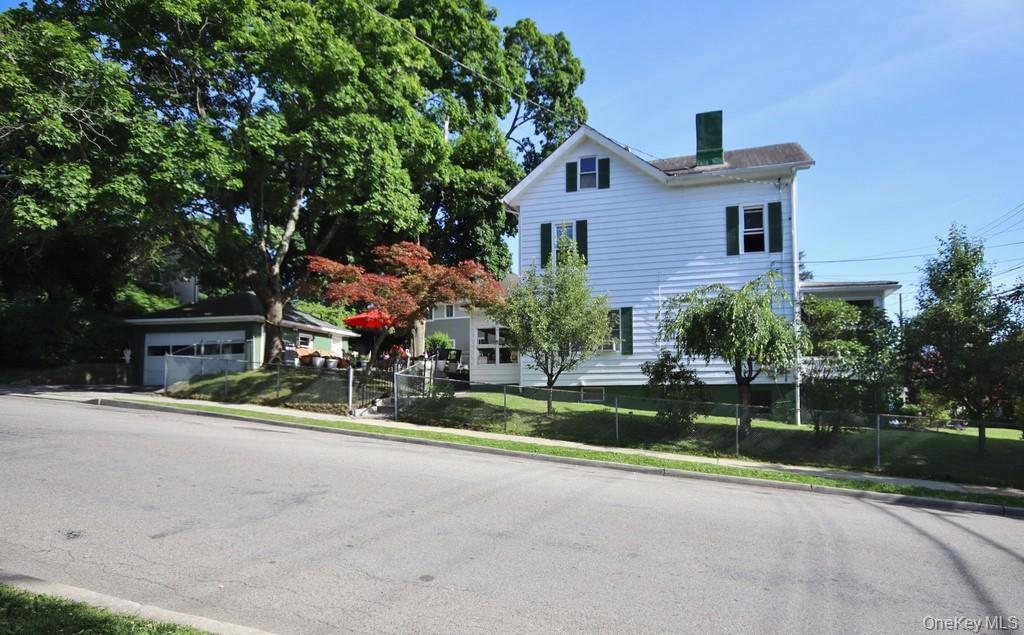
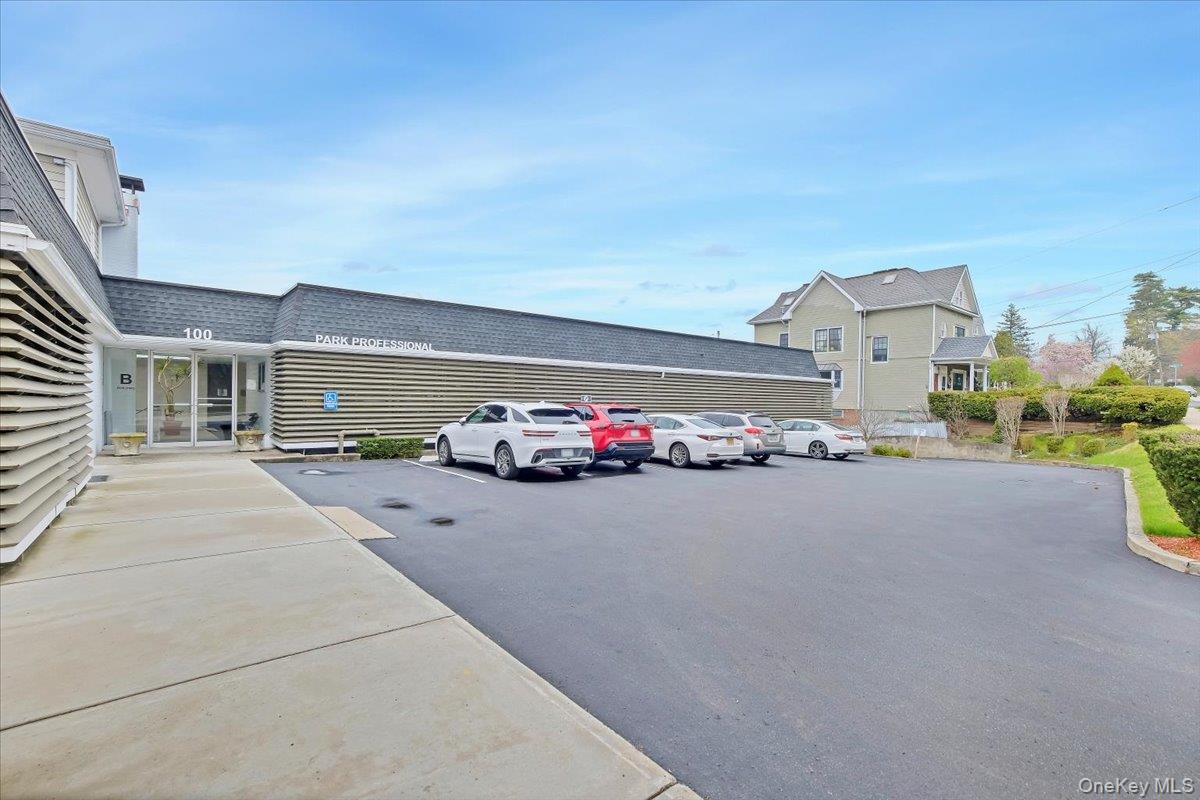
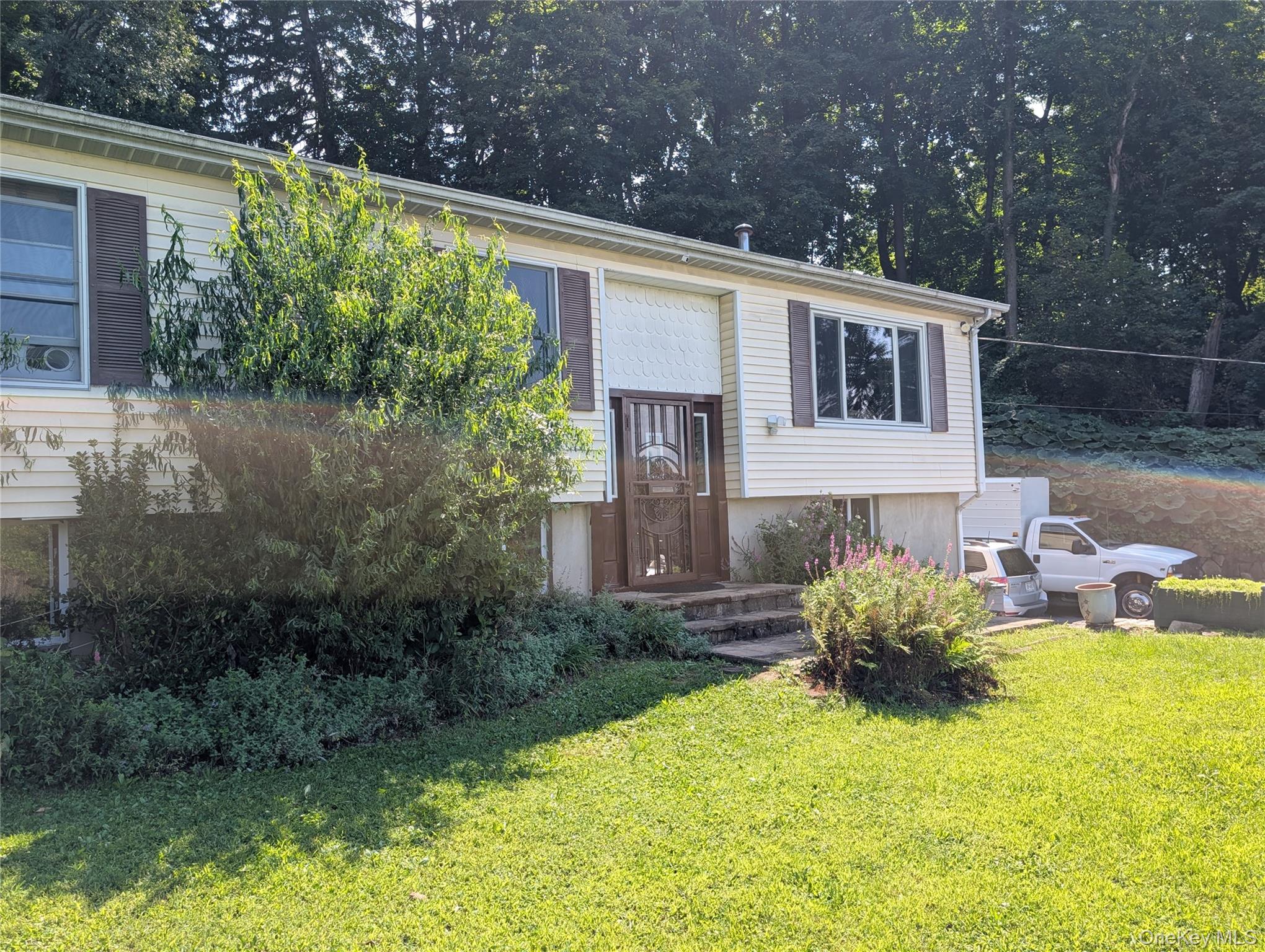
33,700 people live in Ossining, where the median age is 43.3 and the average individual income is $55,789. Data provided by the U.S. Census Bureau.
Total Population
Median Age
Population Density Population Density This is the number of people per square mile in a neighborhood.
Average individual Income
Ossining is one of those rare Westchester villages that refuses to be reduced to a single descriptor. It is at once a working Hudson River town, a historic stone-quarrying outpost, a culturally layered community of roughly 25,000 residents, and a commuter haven sitting just 30 miles north of Midtown Manhattan. After decades of helping families buy and sell homes throughout the Rivertowns, we can tell you this with confidence: Ossining is the kind of place that surprises people. It is more authentic than its polished southern neighbors, more accessible than the ultra-luxury enclaves to the east, and more layered than almost any village its size in the region.
This guide is built to give you a real sense of what living here actually feels like — block by block, school by school, season by season.
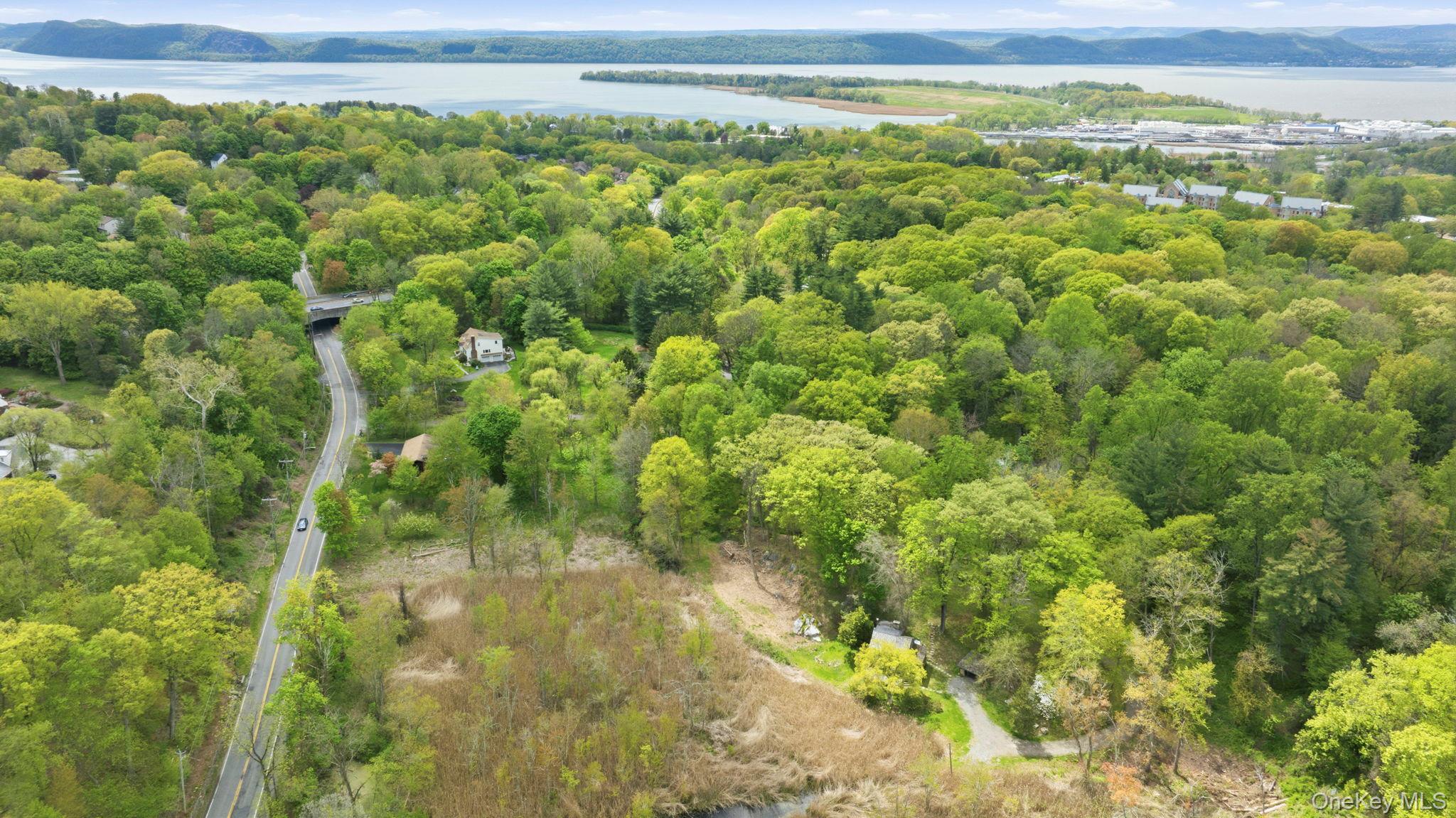
Set along the eastern shore of the Hudson River in Westchester County, Ossining spans just over three square miles of dramatic, hilly terrain. The village strikes an uncommon balance: protected 19th-century architecture, sweeping river vistas, and a cultural mosaic you can taste in every block of Main Street.
Ossining's identity is famously intertwined with its name. The community was incorporated in 1813 as the Village of Sing Sing, named for the Sint Sinck nation of the Munsee-speaking Lenape people who managed the land long before European settlers arrived. The early economy ran on boatbuilding, maritime trade, and stone quarrying. Then in 1826, the state opened the maximum-security Sing Sing Prison along the village waterfront — and over the following decades, local business owners grew tired of their hometown being synonymous with the notorious penitentiary (the same one that gave rise to the American idiom of being sent "up the river"). In 1901, residents voted to officially rename the village Ossining to protect local commerce and reshape the town's public identity.
Today, modern Ossining is defined by its diversity and its grassroots community spirit. A walk down Main Street reveals a locally landmarked Historic District lined with 19th-century bank buildings, magnificent churches, and architectural gems like the iconic Old Croton Aqueduct — Ossining is in fact the only place where you can take a guided tour straight inside the aqueduct's historic brick water conduit, via the downtown Weir Chamber. The Bethany Arts Community anchors a thriving creative scene, while Teatown Lake Reservation offers miles of hiking trails just outside the village center. With a large, established Latino population making up roughly 40% of residents, alongside deeply rooted African American, Italian, and Portuguese communities, Ossining's cultural fabric shines through its restaurants, dual-language school programs, and seasonal riverfront festivals at Louis Engel Waterfront Park.
One of Ossining's biggest draws is its strategic location. Positioned about 30 miles north of Midtown Manhattan, it delivers a genuine Hudson Valley lifestyle without sacrificing seamless access to New York City and the broader tri-state region.
The Metro-North Railroad's Hudson Line is the undisputed lifeline of the village. The Ossining train station sits right on the riverfront, which means your daily wait on the platform comes with a sunrise view that most commuters in the country would envy. Express trains can reach Grand Central Terminal in as little as 43 to 47 minutes, with local and off-peak trains running closer to 55 to 60 minutes. Trains depart roughly every 20 to 30 minutes during peak hours, and because the line runs directly along the riverbank, the ride is widely considered one of the most scenic commuter routes in America.
If you prefer to drive, Ossining is well connected. Route 9 cuts directly north-south through the center of the village, serving as the main commercial corridor. Route 9A and the Saw Mill River Parkway sit just to the east, offering a relatively direct shot down into the Bronx and Manhattan in roughly 45 to 60 minutes depending on traffic. And the Mario M. Cuomo (Tappan Zee) Bridge — just a few miles south in Tarrytown — provides quick access across the river to Rockland County, upstate New York, and New Jersey.
The village also unlocks some genuinely unique regional transit options. The Ossining-Haverstraw Ferry connects commuters from Rockland County directly to the Ossining Metro-North station, bypassing bridge traffic entirely — a quietly brilliant option for cross-river workers. And Westchester's Bee-Line Bus System provides robust local service to Peekskill, White Plains, Yonkers, and other surrounding towns.
To really understand Ossining today — its architecture, its diversity, its physical layout — you have to understand how it got here.
Long before European settlers arrived, the area was home to the Sint Sinck, a band of the Munsee-speaking Lenape who fished the Hudson and traded along its banks. In 1685, Frederick Philipse purchased the land from the Sint Sinck and incorporated it into the massive 156,000-acre Philipse Manor estate. During the Revolutionary War, New York State confiscated the estate because the Philipse family had sided with the British Crown, and the land was subsequently sold off to private buyers — setting the stage for a formal village to emerge.
By the early 1800s, the settlement (then still called Sing Sing) was thriving on maritime trade, agriculture, and the industrial exploitation of its natural resources. The discovery of high-quality white dolomite marble along the riverfront turned the area into a major quarrying hub; this "Sing Sing marble" was used to build prominent structures across the state, including portions of the original state capitol in Albany and parts of NYU. Then between 1837 and 1842, as New York City faced a desperate clean water crisis, engineers built the Old Croton Aqueduct — a 41-mile masonry tunnel piping fresh water down from the Croton River. The project required constructing the magnificent Sing Sing Kill Arch, an 88-foot stone span over a deep local ravine that remains an engineering marvel almost two centuries later.
In 1825, the state tasked Captain Elam Lynds with building a new maximum-security prison using convict labor — and the abundant local marble quarry provided both the building material and the hard labor for the inmates. Sing Sing Prison quickly became internationally famous for its strict "Auburn system" of silent discipline and its imposing stone cell blocks. The prison brought jobs and infrastructure, but it also created a branding problem. By the late 19th century, "Sing Sing" had become a national shorthand for incarceration. Local leaders, eager to attract tourists and upscale residential developers, successfully voted to rename the town and village Ossining in 1901 — and the modern identity of the village was born.
Ossining is geographically diverse, characterized by dramatic rolling hills that slope sharply down to the Hudson River. This topography naturally splits the community into distinct neighborhoods, each with its own architectural personality and lifestyle vibe. Understanding these sub-areas is essential to understanding the local real estate market.
The Waterfront District has undergone a dramatic revitalization over the past few decades, transforming from a purely industrial landscape of docks, brickworks, and prison infrastructure into a modern, scenic, and active waterfront. This area features major upscale transit-oriented developments like Avalon On The Hudson and Harbor Square, offering luxury apartments right next to the train station. Louis Engel Waterfront Park — complete with a beach, spray park, and sunset concert series — sits at the center of it all.
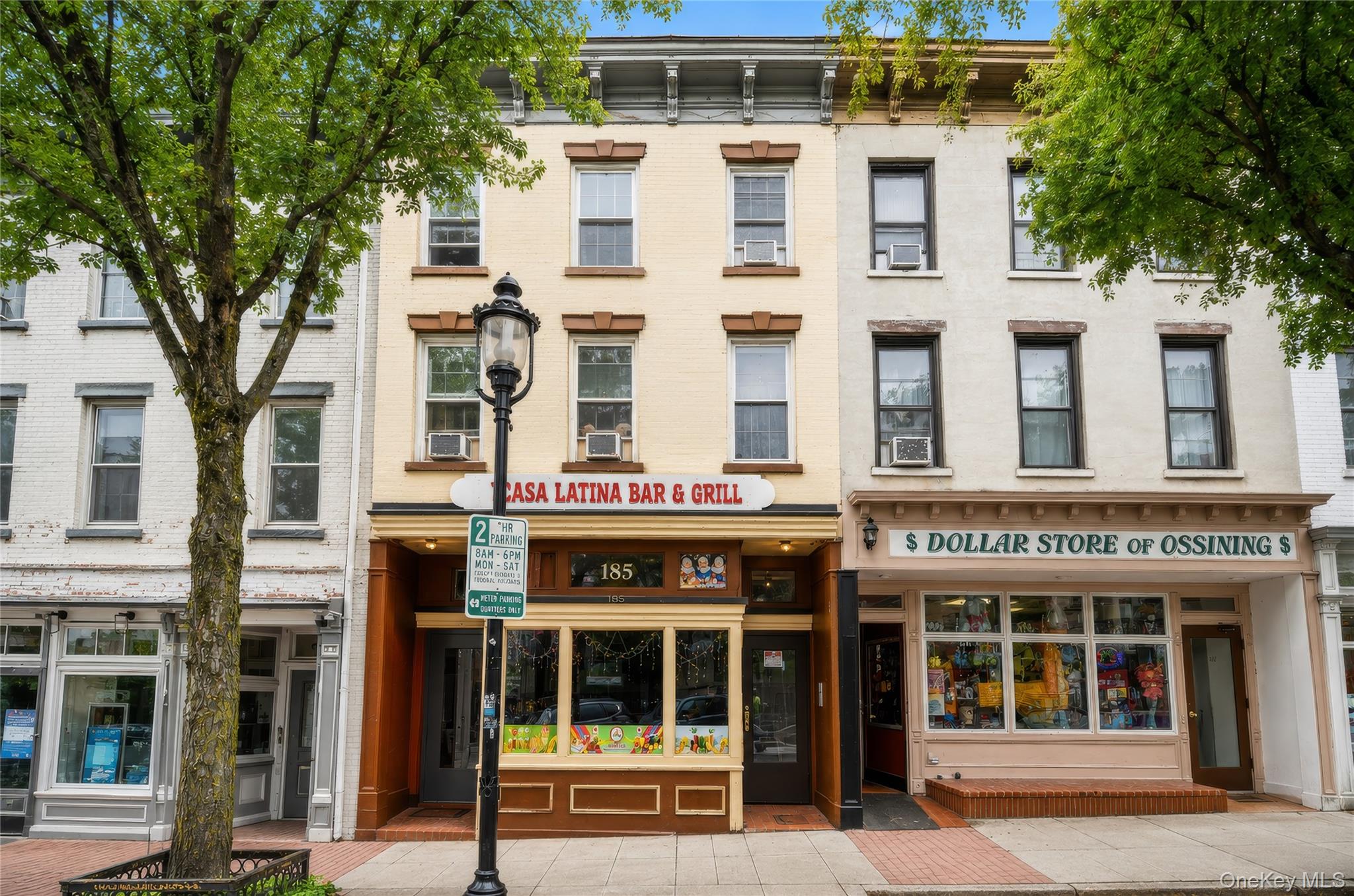
Downtown (The Crescent) is the historic commercial heart of Ossining, organized around Main Street and Spring Street in a distinct crescent-shaped business district. The vibe here is hustling, historic, and culturally vibrant. Housing in this pocket consists of apartments above retail shops, historic brick row houses, and multi-family homes. The Crescent is also Ossining's culinary engine — a destination for authentic Peruvian, Ecuadorian, Portuguese, and traditional American eats — and home to the weekly outdoor Farmers Market.
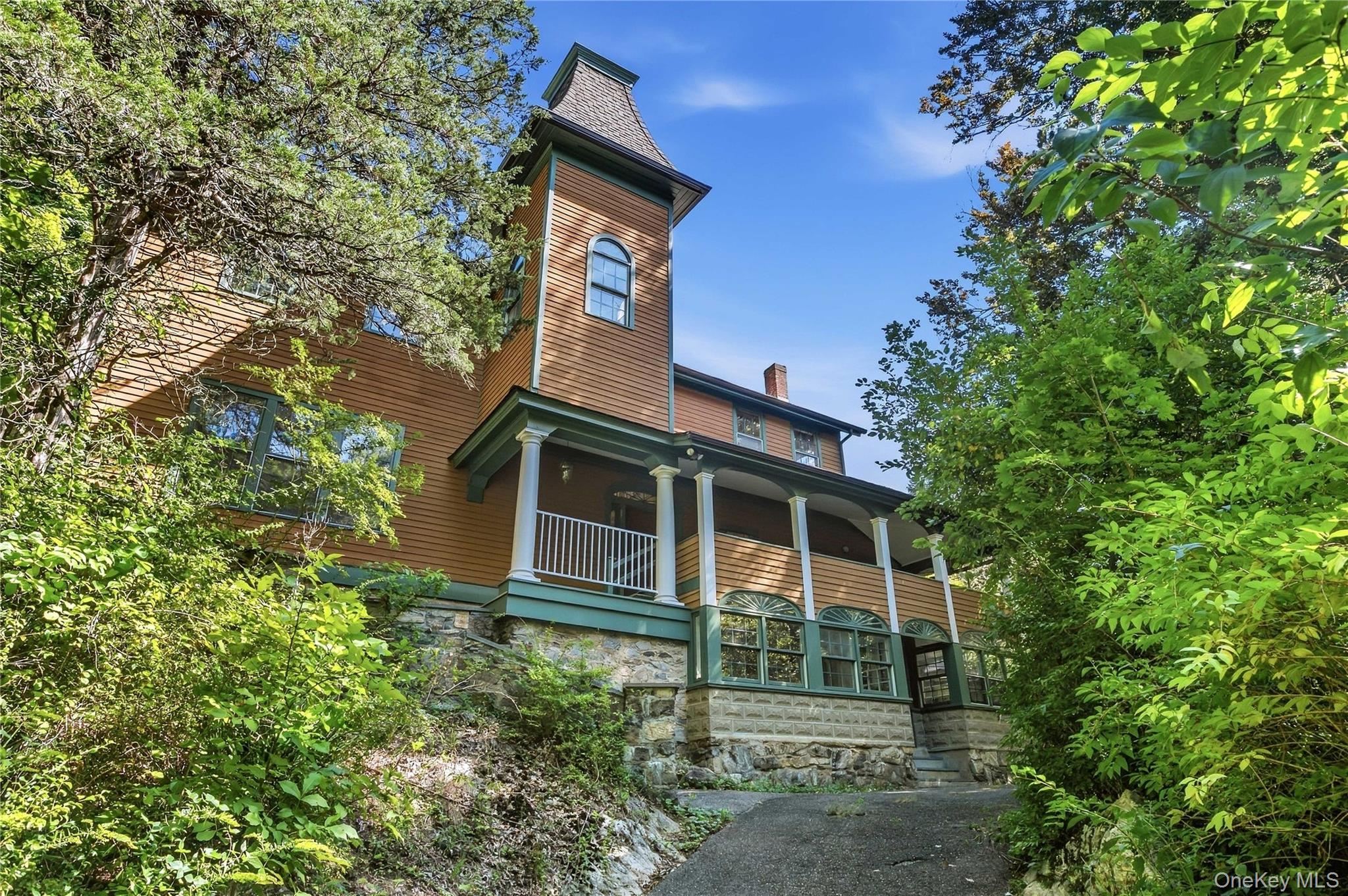
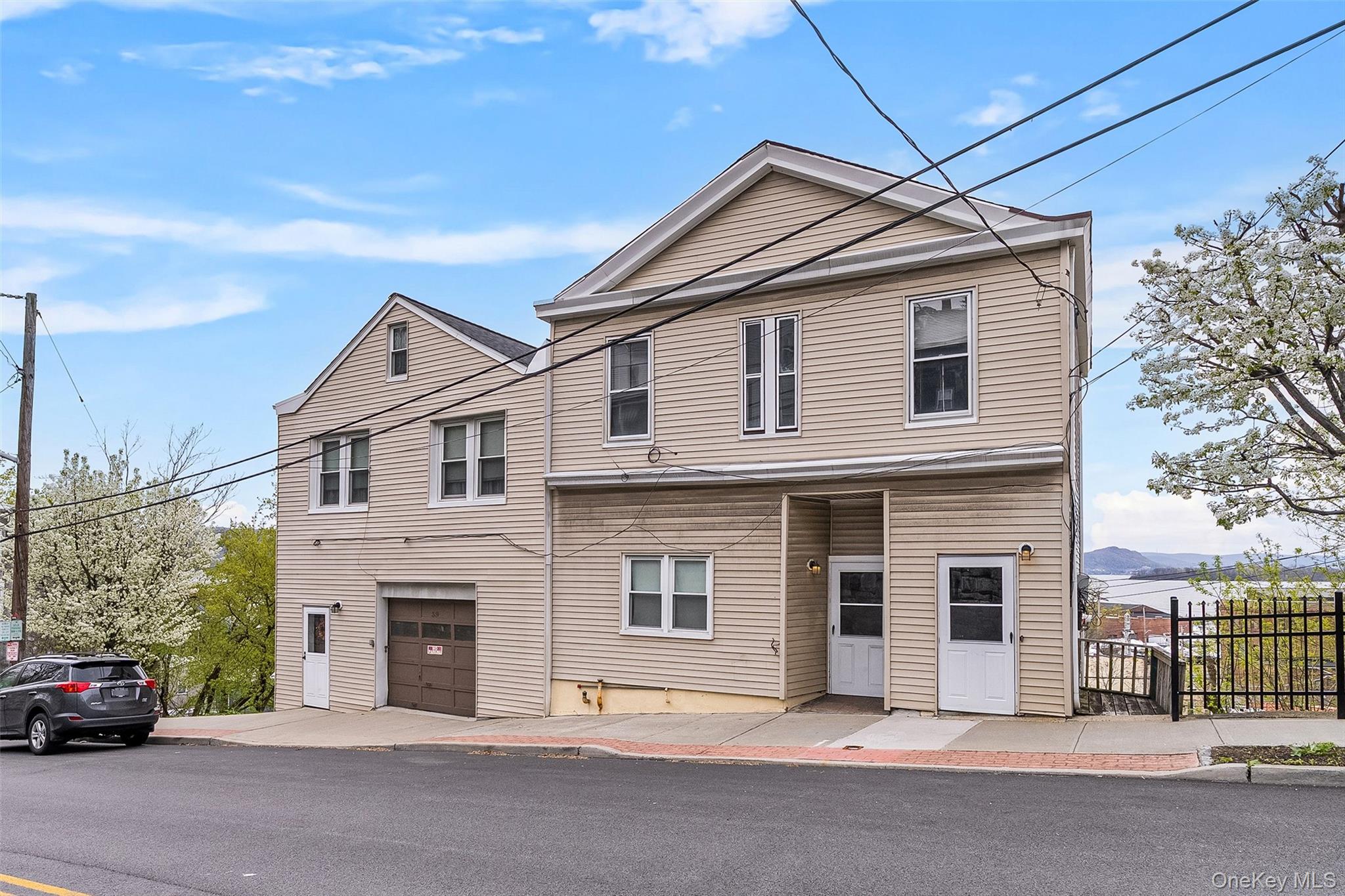
The Historic Village Hillside, sometimes called the "Captains' Houses" area, climbs the steep hills directly east of downtown. This is where you'll find tree-lined streets featuring beautifully preserved 19th-century architecture: Queen Anne Victorians, Greek Revivals, and classic Italianate homes originally built by wealthy riverboat captains and local merchants. The views from upper-story windows are extraordinary, and the area is highly walkable to downtown.
Sparta sits at the southern edge of the village bordering Briarcliff Manor. Quiet, quaint, and almost frozen in time, Sparta is characterized by 18th- and 19th-century cottage-style homes closely clustered together. Originally founded as an independent hamlet before the village of Sing Sing expanded, it features the historic Sparta Cemetery (dating back to the Revolutionary War era) and a small neighborhood dock.
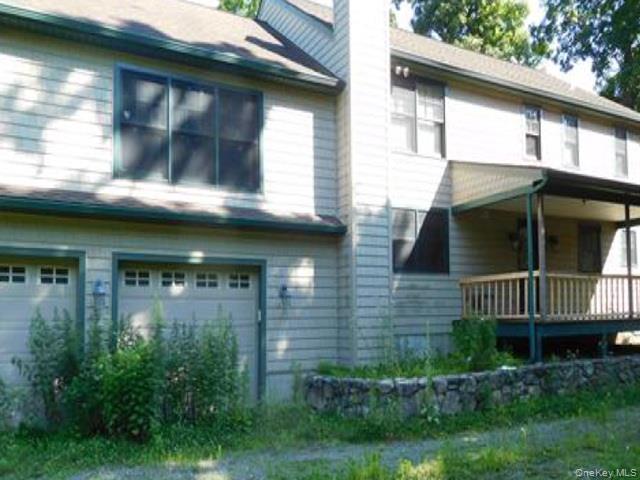
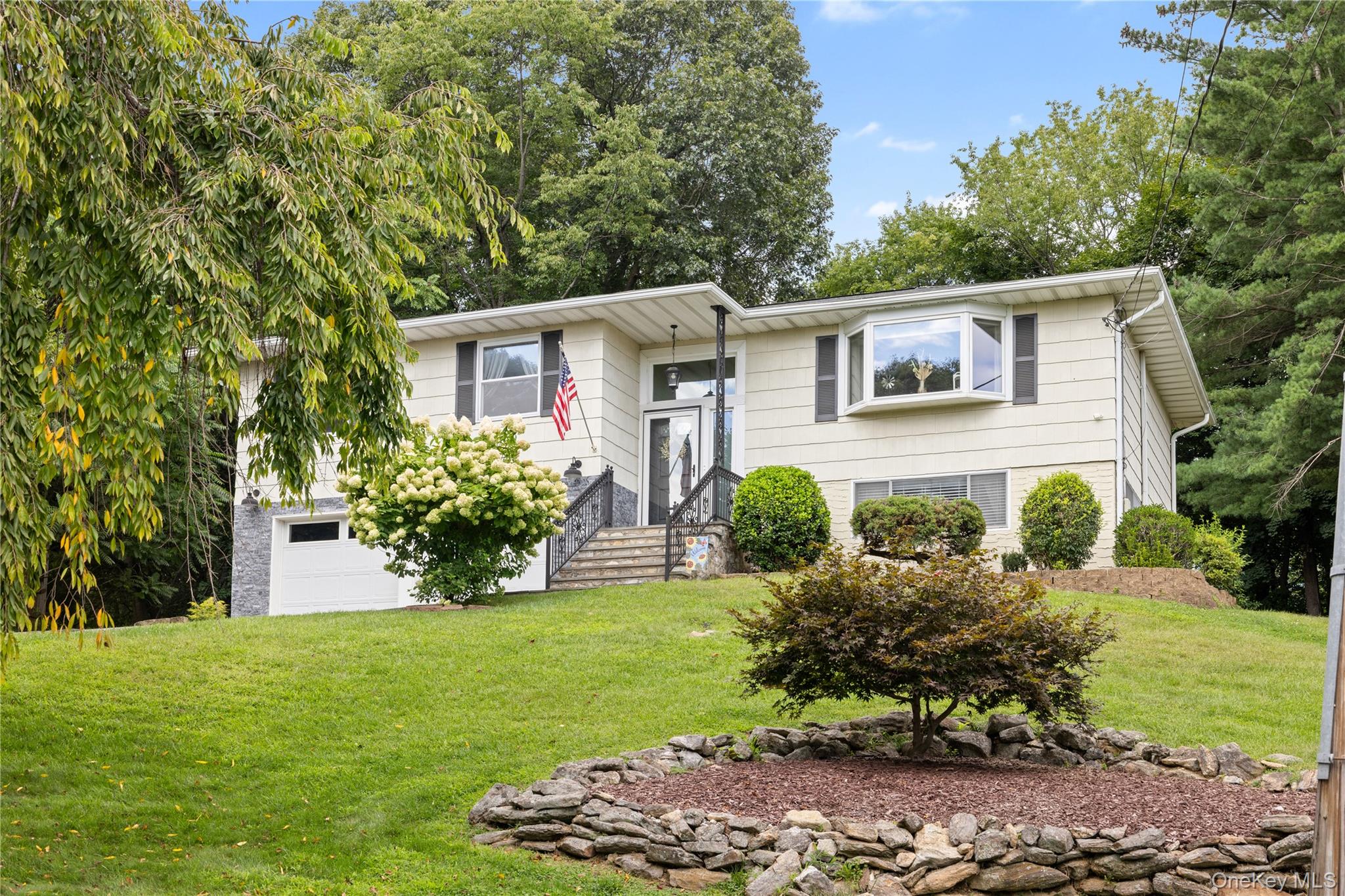
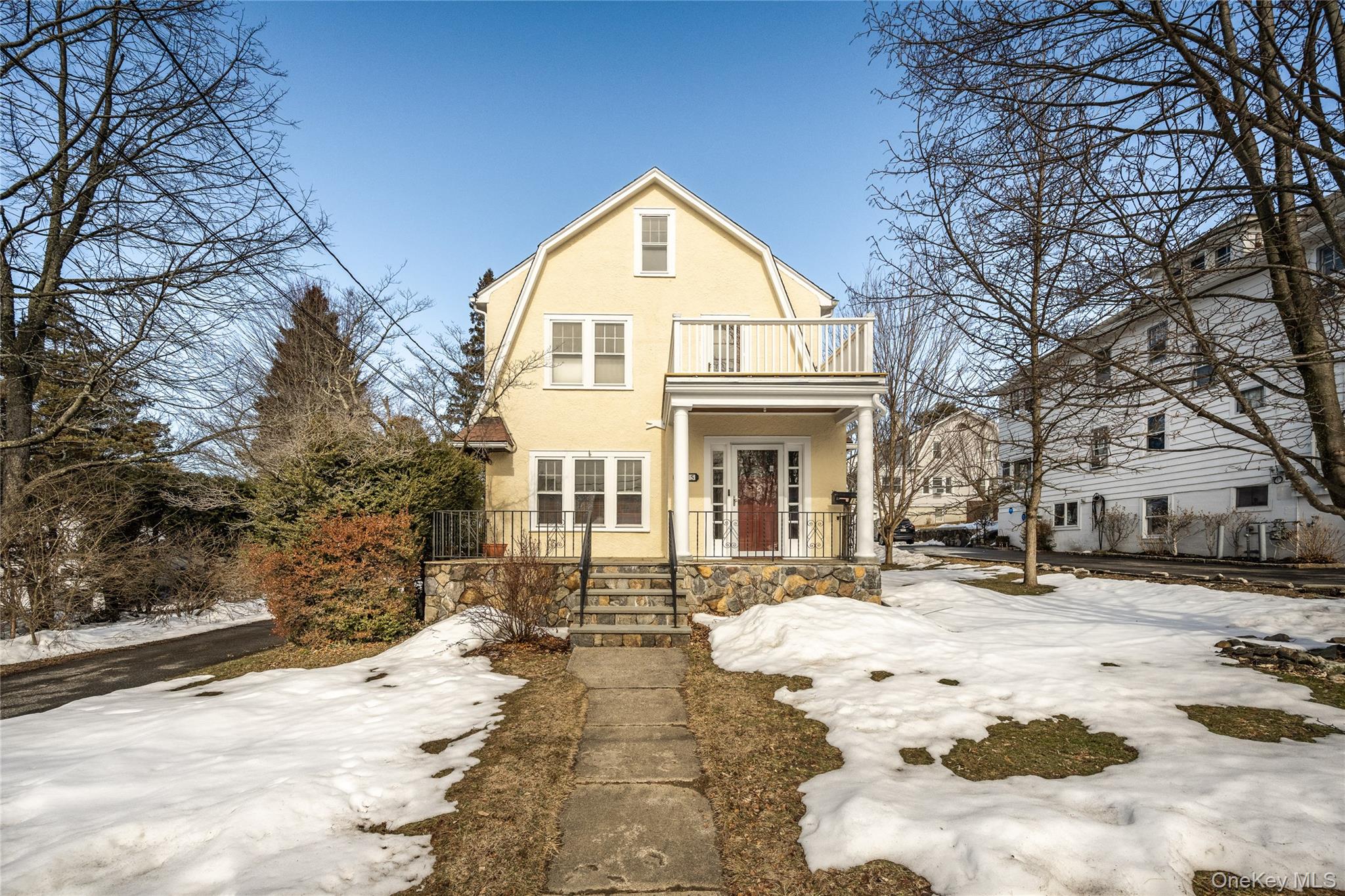
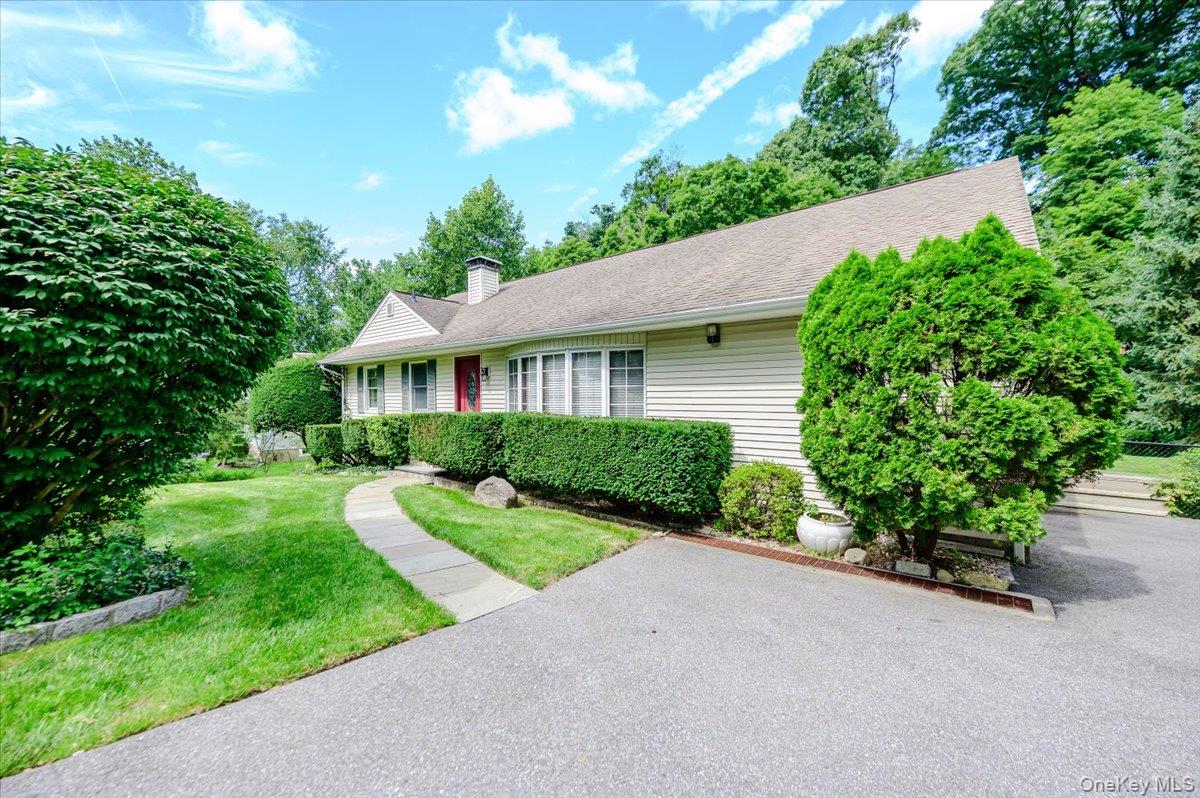
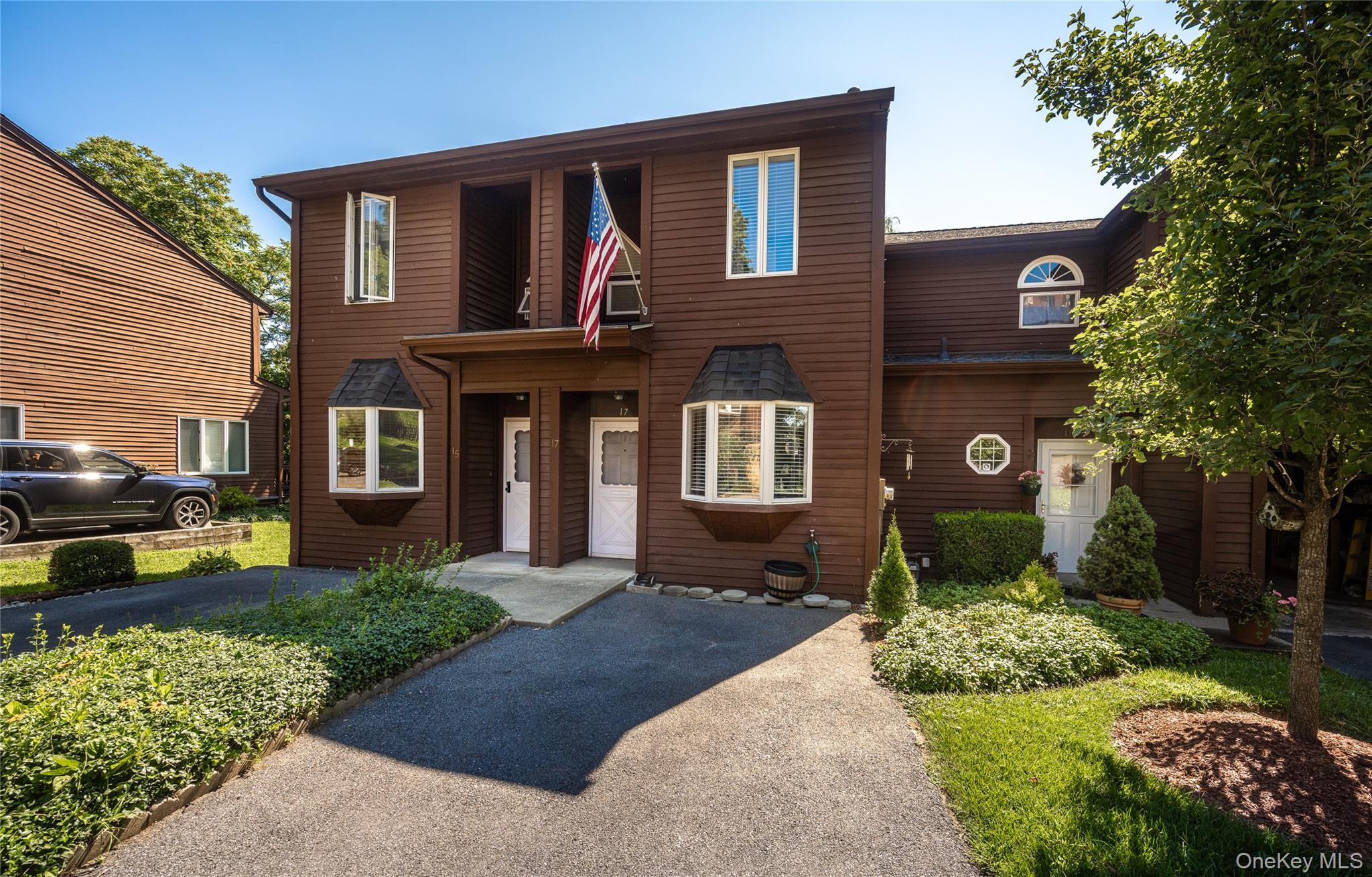
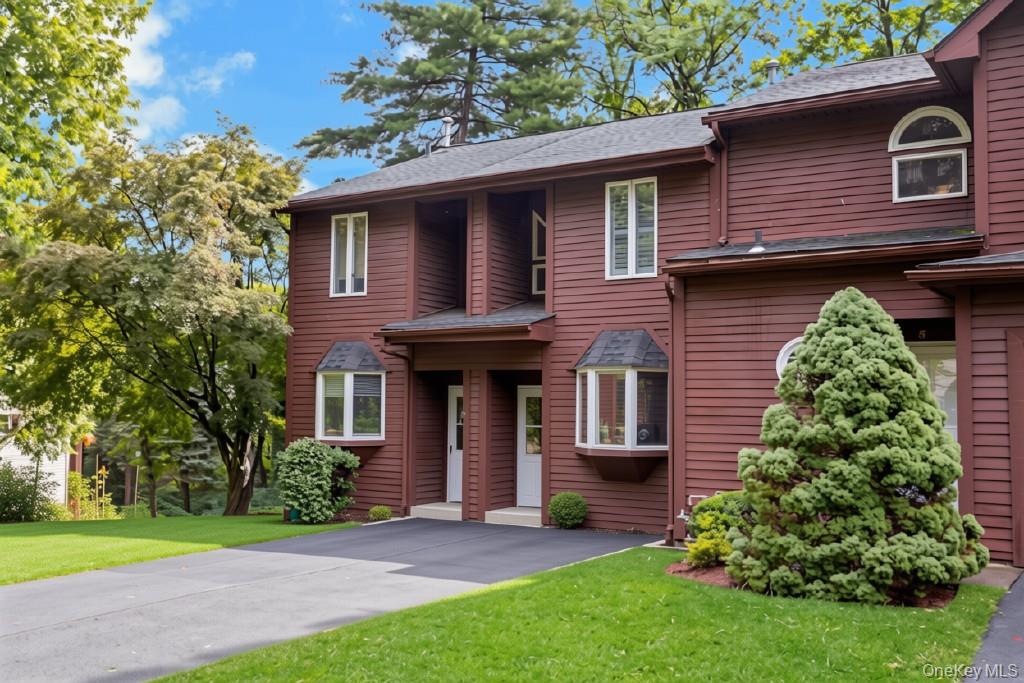
The Unincorporated Town of Ossining stretches further east and north, outside the official village limits. This is classic, spacious American suburbia — mid-century split-levels, raised ranches, and newer center-hall colonials sitting on generous plots of land. Winding cul-de-sacs, larger yards, and immediate access to natural preserves like Teatown Lake Reservation and Ryders Park define the lifestyle here.
Compared to ultra-luxury Westchester neighbors like Rye or Scarsdale, Ossining has historically been viewed as a more accessible entry point into the county. But "accessible" doesn't mean slow — this remains a highly competitive seller's market driven by low inventory and consistent demand from buyers migrating north from New York City.
Typical home values for single-family residences sit in the $550,000 to $660,000 range. While that is significantly higher than the national average, it represents an exceptional value within Westchester County, where the countywide median comfortably pushes past $900,000. One of Ossining's greatest strengths as a market is its sheer variety of housing stock. A buyer can find modest mid-century co-ops and condos starting in the $200,000s, historic Victorian fixer-uppers in the $500,000s, and sprawling mid-century split-levels or newer center-hall colonials in the unincorporated town sections hitting $750,000 to over $1 million. Inventory moves fast: desirable single-family homes frequently trigger bidding wars and routinely sell at or above asking within a few weeks of listing.
Anyone buying in Ossining needs to understand the property tax structure. Westchester County carries some of the highest property taxes in the United States, and your annual bill is a combination of town/village taxes, county taxes, and school taxes.
The Ossining Union Free School District (OUFSD) is widely recognized as one of the most progressive, innovative, and socio-economically diverse public school systems in New York State. It serves roughly 4,500 students and has drawn widespread praise for its unique structural design and celebrated specialized programs.
Unlike traditional districts where students attend a neighborhood elementary school based on where they live, Ossining uses a "Princeton Plan" grade-center model. Every child across the entire municipality moves through the same schools together based strictly on grade level:
School | Grades Served |
|---|---|
Park Early Childhood Center | Pre-K & Kindergarten |
Brookside School | Grades 1 & 2 |
Claremont School | Grades 3 & 4 |
Roosevelt School | Grade 5 |
Anne M. Dorner (AMD) Middle School | Grades 6, 7 & 8 |
Ossining High School (OHS) | Grades 9 through 12 |
This structure is highly intentional. By bringing every child in the municipality under the same roof from an early age, the district successfully eliminates demographic disparities between neighborhoods and fosters a deeply unified community identity. For families, it also means there is no "good school" or "bad school" pocket within Ossining — your address does not determine your child's educational experience.
The district punches well above its weight class when it comes to specialized programming. The Dual Language Program, a regional pioneer in bilingual education, starts as early as Pre-K and places native English and native Spanish speakers in evenly split classrooms where instruction alternates between the two languages — allowing students to achieve fluent literacy in both by the time they finish elementary school. The OHS Science Research Program is legendary in the region, consistently ranking among the top programs in the country and routinely producing finalists and scholars in the prestigious Regeneron Science Talent Search (often called the "Junior Nobels"); students spend three years conducting authentic, university-level research alongside professional mentors. And reflecting the district's diverse community roots, OHS is a major proponent of the New York State Seal of Biliteracy, formally honoring graduating seniors who demonstrate high proficiency in a second language.
Ossining's geography — that dramatic combination of riverfront, ravines, and rolling forested hills — makes it one of the most outdoor-rich villages in lower Westchester. Nature isn't an amenity here; it's woven directly into daily life.
The crown jewel for serious outdoor enthusiasts is Teatown Lake Reservation, a sprawling 1,000-acre nature preserve straddling Ossining and the surrounding towns. The reservation features over 15 miles of hiking trails ranging from gentle lakeside loops to challenging hidden ridges, an iconic floating suspension bridge over Teatown Lake, and a Raptor Center where rescued owls, hawks, and bald eagles can be viewed up close. Seasonal programming includes guided night hikes, maple sugaring demonstrations, and family nature workshops.
Closer to the village center, the Old Croton Aqueduct Trail runs flat and forested along the path of the historic 1840s water tunnel. It's a favorite for runners, dog walkers, and cyclists looking for a low-impact, scenic route — and it connects Ossining seamlessly to neighboring Rivertowns like Croton-on-Hudson to the north and Tarrytown to the south. For something more tucked-away, the Sing Sing Kill Greenway is a tranquil elevated walkway that meanders through the bottom of a forested ravine right beneath downtown — a peaceful nature walk hidden directly under the village bustle.
For more traditional recreation, Louis Engel Waterfront Park anchors the riverfront with a beach, spray park, ballfields, and a band shell that hosts the summer concert series. Ryders Park in the unincorporated town offers ballfields, playgrounds, and open space for families further from the village center, while Cedar Lane Park serves as a community hub for youth sports leagues, tennis, and seasonal events.
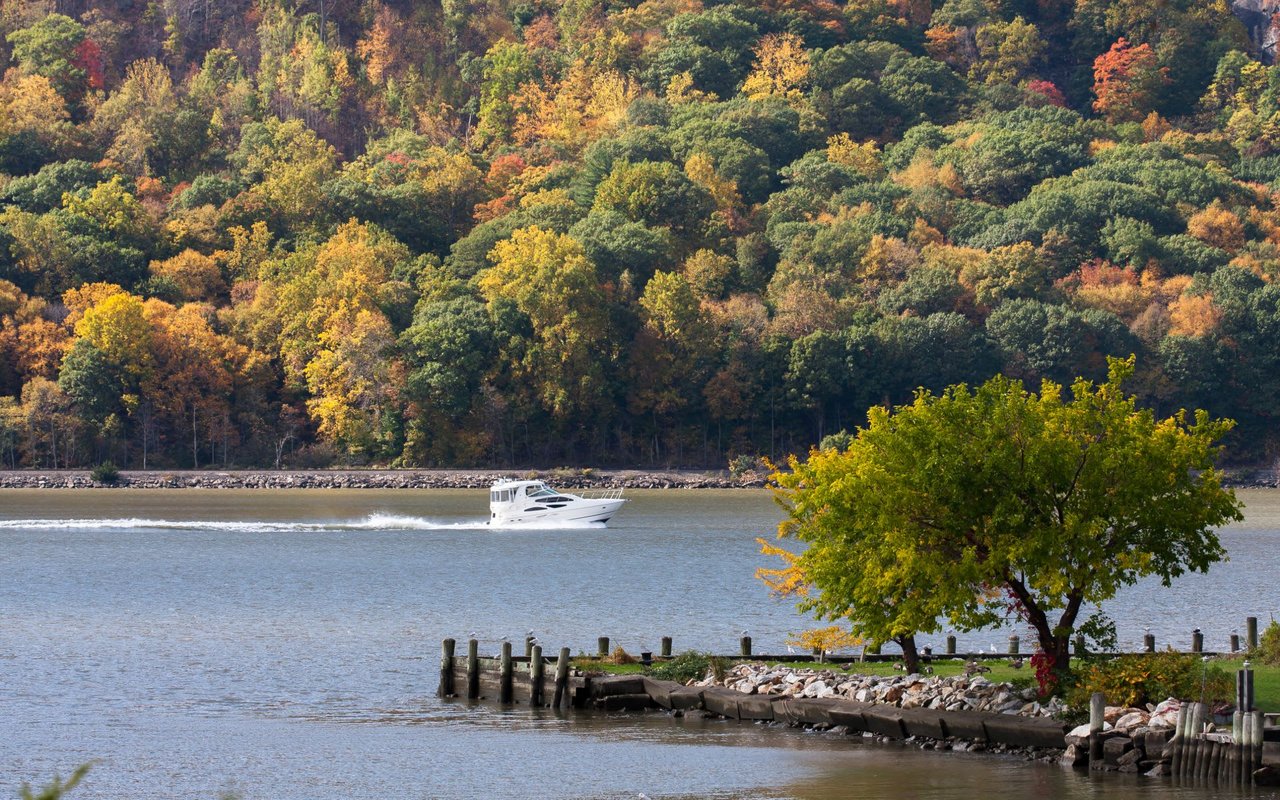
The Hudson Riverfront isn't just a feature of Ossining — it's the village's defining geographic and cultural asset. After decades of industrial use, the waterfront has been thoughtfully reclaimed as a true public space, and it has become a major driver of residential demand in recent years.
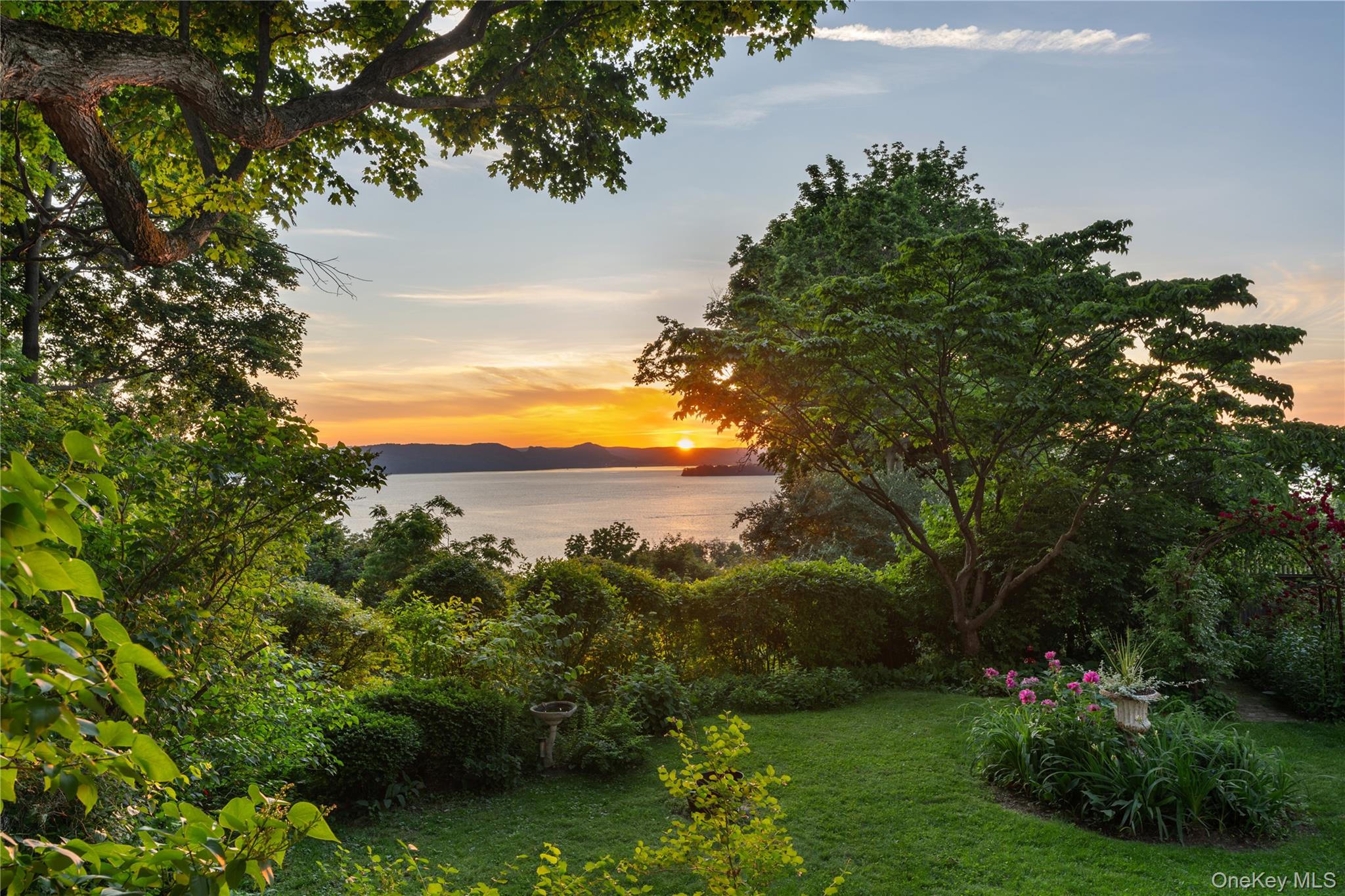
The centerpiece is Louis Engel Waterfront Park, an expansive riverside park that includes a small beach, a children's spray park, picnic pavilions, ballfields, a boat launch, and an outdoor amphitheater. On any given summer evening, you'll find families with picnic blankets, kayakers launching at golden hour, and concertgoers settling in for live jazz, salsa, or rock as the sun sets behind the Palisades across the river. The park is also the launch point for the cross-river Ossining-Haverstraw Ferry, which gives the waterfront a working, lived-in feel rather than the purely decorative vibe you find in some other Hudson towns.
In terms of residential life, the waterfront has been transformed by transit-oriented developments like Avalon On The Hudson and Harbor Square, which deliver luxury apartment living directly adjacent to the Metro-North station. For buyers looking for a "walk to train, walk to river" lifestyle without the maintenance demands of a single-family home, this stretch of Ossining is genuinely unique in the lower Hudson Valley — and the river views from upper-floor units are spectacular. Dining along the waterfront completes the picture, anchored by The Boathouse, a casual nautical spot right on the docks where you can watch sailboats drift past while eating a lobster roll.
Ossining's cultural diversity is nowhere more apparent than at the dinner table. You won't find a high concentration of generic chain restaurants here. Instead, downtown Ossining has quietly become a regional powerhouse for authentic international cuisine — especially South American and Portuguese — alongside beloved neighborhood institutions and cozy coffee spots.
The village is home to some of the best Peruvian and Ecuadorian food in Westchester. Spots like Pio Costa and Panka Peruvian Bistro serve incredible lomo saltado, fresh ceviche, and crispy rotisserie chicken to lines that often stretch out the door on weekends. For traditional Portuguese, O Moniz is a staple, drawing diners from across the county for bacalhau (salted cod), garlic shrimp, and authentic regional dishes. For classic American fare with a view, The Boathouse on the riverfront is the undisputed local go-to — casual, nautical, and unbeatable for sunset dinners.
On the coffee and café front, First Village Coffee has become the modern heart of Ossining's morning rush. Located right on Main Street, it serves expertly crafted espresso drinks from local roasters, hosts community art pop-ups, and offers a strong selection of vegan and gluten-free pastries. The Tasty Table is the beloved neighborhood brunch spot, known for warm atmosphere and creative, generously portioned breakfast plates.
What ties the scene together is that it feels lived-in rather than curated. These are restaurants that residents actually frequent — not destination spots designed for outsiders — and the result is a dining culture that genuinely reflects the community that built it.
While Ossining preserves its small-town historic feel, it offers all the practical, modern infrastructure needed for effortless day-to-day living.
Downtown Ossining features a walkable stretch of independent businesses — barbershops, hardware stores, eclectic gift shops, and family-run service businesses. The crown jewel of the local shopping calendar is the Ossining Farmers Market, which runs year-round on Saturdays at the corner of Spring and Main Streets. It gathers regional farmers and artisans selling organic produce, pasture-raised meats, small-batch pickles, New York wines, and fresh-baked breads — and functions as much as a community gathering ritual as a place to buy groceries.
For everyday grocery runs, residents have excellent options within the town. Stop & Shop, located in the Arcadian Shopping Center on Route 9, handles major weekly hauls with a traditional supermarket layout. CTown Supermarkets sits right in the heart of downtown and caters heavily to the community with a strong inventory of Caribbean, Central American, and South American ingredients alongside standard pantry staples. For specialty grocery — Trader Joe's or Whole Foods — residents take a quick 10-to-15-minute drive south down Route 9 into Briarcliff Manor or Chappaqua.
The Arcadian Shopping Center on the northern edge of the village is the primary hub for everyday errands, anchoring Stop & Shop alongside a CVS pharmacy, dry cleaners, a post office, and a variety of quick-service dining spots. Just over the town line, Club Fit at Briarcliff Manor serves as the premier fitness and wellness complex for a large portion of Ossining families, offering indoor swimming, tennis, spinning, and youth sports leagues.
Ossining thrives on grassroots culture, community pride, and public events that regularly pull neighbors out onto Main Street and along the riverfront.
The cultural heart of the village is the Bethany Arts Community, a vibrant non-profit anchored on a 25-acre campus just outside downtown. Bethany offers artist residencies, multi-disciplinary galleries, performance spaces, and public workshops — everything from open-mic poetry nights to pottery classes to contemporary dance performances. It's the kind of organization that gives a town of Ossining's size cultural weight far beyond what its population would suggest.
The event calendar centers on celebrating the community's diversity and its geographic setting. The Ossining Village Fair, held every June, transforms the downtown historic district into a massive street festival with hundreds of local vendors, artisans, musicians, and food trucks lining Main Street — drawing thousands of visitors from across Westchester. The Riverfront Summer Concert Series turns Louis Engel Waterfront Park into a giant outdoor living room on Friday nights throughout July and August, with families bringing lawn chairs and blankets to enjoy live music ranging from jazz and rock to salsa, all framed by sunsets over the Hudson. And the long-running St. Ann's Festival brings classic carnival rides, games, and traditional Italian and multicultural street food to the community every summer — a decades-old tradition that captures the village's deep multi-generational roots.
Ossining holds an extraordinary concentration of nationally significant historic landmarks for a village of its size — and exploring them is one of the genuine pleasures of living here.
You cannot tell the story of Ossining without acknowledging Sing Sing Prison. While the facility remains a fully operating maximum-security correctional institution, its historic 1825 stone cellblock — hand-quarried out of local marble by the inmates themselves — stands as a profound monument to the history of the American justice system. Sing Sing is where execution by the electric chair ("Old Sparky") was popularized, and it is the origin of the legendary phrases "up the river" and "the big house." The Sing Sing Prison Museum project is actively working to preserve this complex history; while the active facility is closed to the general public, the organization hosts educational webinars, walking tours of the historic perimeter, and preview exhibitions in the nearby prison power house building.
The Old Croton Aqueduct is the other defining landmark. Engineered in the 1830s to save New York City from a devastating water crisis, this 41-mile masonry tunnel is a National Historic Landmark, and the flat trail running along the top is one of the most beloved public paths in the region. But Ossining holds the aqueduct's most unique secret. Downtown houses the Ossining Weir, one of the only places in the entire system where you can descend underground and step straight inside the massive 19th-century brick barrel vault that once carried millions of gallons of clean water daily down to Manhattan. Just steps away, the aqueduct crosses a dramatic forested gorge via the stunning Sing Sing Kill Arch — an 88-foot stone bridge — beneath which the village built the Sing Sing Kill Greenway, a peaceful elevated walkway through the bottom of the ravine.
Beyond these signature sites, Teatown Lake Reservation offers the floating suspension bridge, the Raptor Center, and miles of hiking. And simply walking the historic Crescent of Main Street is its own afternoon: 19th-century bank vaults, old stone churches built with Sing Sing marble, public murals, and independent storefronts mixed together in a way that feels organic rather than designed.
Ossining is not a cookie-cutter, manicured corporate suburb — and that is exactly why people fall in love with it. It's an authentic, hilly, working river town that offers an entirely different energy than the ultra-polished villages further south in Westchester. Three buyer profiles tend to thrive here in particular.
The first is the value-seeking commuter. If you love the idea of a scenic Hudson River commute to Grand Central but find yourself priced out of Hastings-on-Hudson, Dobbs Ferry, or Tarrytown, Ossining is a real opportunity. You get the same express train access and the same dramatic river views, but single-family homes routinely trade for hundreds of thousands of dollars less than comparable properties in those southern neighbors.
The second is the family that genuinely values cultural diversity. Because of the district's "Princeton Plan" school structure, children grow up learning alongside peers from every walk of life under one unified roof from Pre-K through graduation. This isn't a community where diversity is a checklist item; it's a structural feature of daily life, reinforced through the Dual Language Program, the multicultural festival calendar, and the village's deeply integrated commercial district.
The third is the outdoor and history enthusiast. If your ideal weekend involves hiking rugged terrain, exploring historic infrastructure, kayaking at sunset, or just having Teatown and the Aqueduct trail in your backyard, Ossining fits effortlessly. The combination of riverfront, ravines, hill trails, and 200-year-old engineering landmarks within a few minutes' drive is genuinely hard to replicate anywhere else in the region.
Because Ossining is visually and structurally complex, buying or selling a home here requires a much sharper strategy than navigating a standard suburban grid. The property tax burden, physical utility setups, and architectural challenges can shift dramatically from one street to the next.
Take the tax layer trap: properties within the official Village lines are subject to an extra layer of village tax for localized services, while properties in the unincorporated Town drop that layer entirely. A local agent will make sure you underwrite the exact tax liability of a specific parcel before you fall in love with it. Or consider the underground surprises — many historic homes on the village hillside are well over a century old and require an experienced eye for older mechanicals, historical structural rules, and ancient foundations. Conversely, homes further out toward the Teatown or Crotonville areas may rely on private well water and septic systems rather than public sewers, which fundamentally changes your long-term maintenance picture.
In a competitive market driven by low inventory, the best homes also often move quietly, off-market. An agent with a deep local network has their finger on the pulse of upcoming listings, neighborhood-specific parking rules, and the localized terrain quirks that come with buying on Ossining's signature steep inclines.
When you're ready to explore Ossining seriously — whether you're buying your first home north of the city, selling a property you've held for decades, or relocating from another state — you want a team that has truly seen it all. The Nancy Kennedy Team at Houlihan Lawrence has been guiding people north of NYC for over 35 years, and we are the #1 Associate team in the entire MLS service across Westchester and Putnam, ranked #5 in New York State and #1 in Westchester County by the Wall Street Journal, with more than $1 billion in career sales.
We know the difference between a home in historic Sparta and a transit-oriented condo on the waterfront. We know which streets sit on which side of the village tax line. We know which homes have well-and-septic and which connect to public utilities. And we know how to position a listing to move quickly — or how to win a competitive offer when inventory is tight.
From the first phone call to closing day and well beyond, we don't stop working for our clients. We treat every transaction as the start of a long relationship, not a one-time deal. Reach out to the Nancy Kennedy Team today to start a real conversation about your move to Ossining — we'd love to help you find your place along the Hudson.
There's plenty to do around Ossining, including shopping, dining, nightlife, parks, and more. Data provided by Walk Score and Yelp.
Explore popular things to do in the area, including Uncle Louies Food Truck, Jem Meats, and Flames Bar and Grill.
| Name | Category | Distance | Reviews |
Ratings by
Yelp
|
|---|---|---|---|---|
| Dining | 1.12 miles | 2 reviews | 5/5 stars | |
| Dining | 1.52 miles | 0 reviews | 0/5 stars | |
| Dining · $$$ | 1.88 miles | 207 reviews | 3.7/5 stars | |
| Dining | 1.92 miles | 0 reviews | 0/5 stars | |
| Shopping | 1.79 miles | 0 reviews | 0/5 stars | |
| Active | 1.05 miles | 0 reviews | 0/5 stars | |
| Active | 2.02 miles | 0 reviews | 0/5 stars | |
| Active | 2.02 miles | 0 reviews | 0/5 stars | |
| Beauty | 2 miles | 4 reviews | 4/5 stars | |
| Beauty | 2.04 miles | 0 reviews | 0/5 stars | |
|
|
||||
|
|
||||
|
|
||||
|
|
||||
|
|
||||
|
|
Ossining has 12,230 households, with an average household size of 2.59. Data provided by the U.S. Census Bureau. Here’s what the people living in Ossining do for work — and how long it takes them to get there. Data provided by the U.S. Census Bureau. 33,700 people call Ossining home. The population density is 2,494 and the largest age group is Data provided by the U.S. Census Bureau.
Total Population
Population Density Population Density This is the number of people per square mile in a neighborhood.
Median Age
Men vs Women
Population by Age Group
0-9 Years
10-17 Years
18-24 Years
25-64 Years
65-74 Years
75+ Years
Education Level
Total Households
Average Household Size
Average individual Income
Households with Children
With Children:
Without Children:
Marital Status
Blue vs White Collar Workers
Blue Collar:
White Collar: