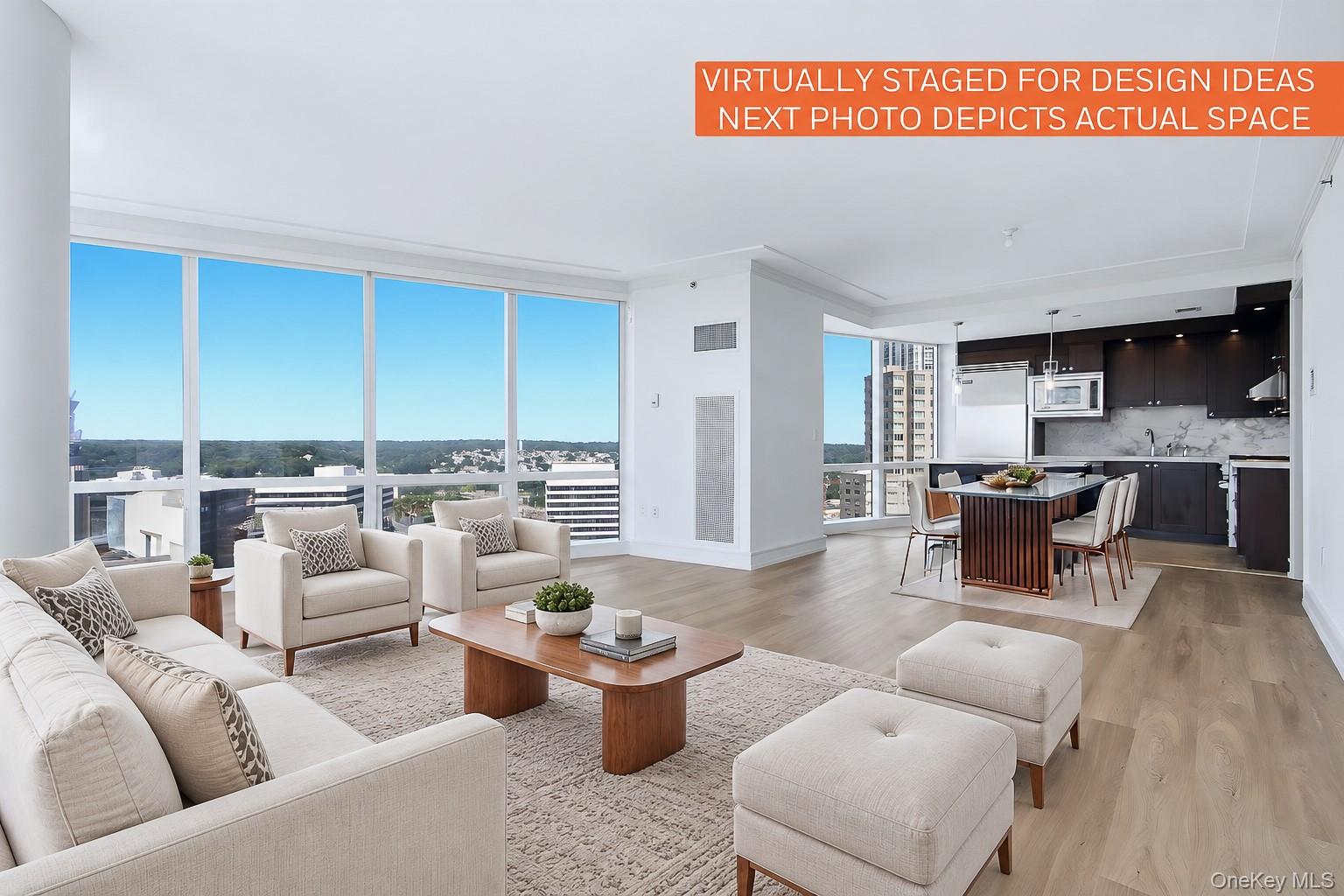
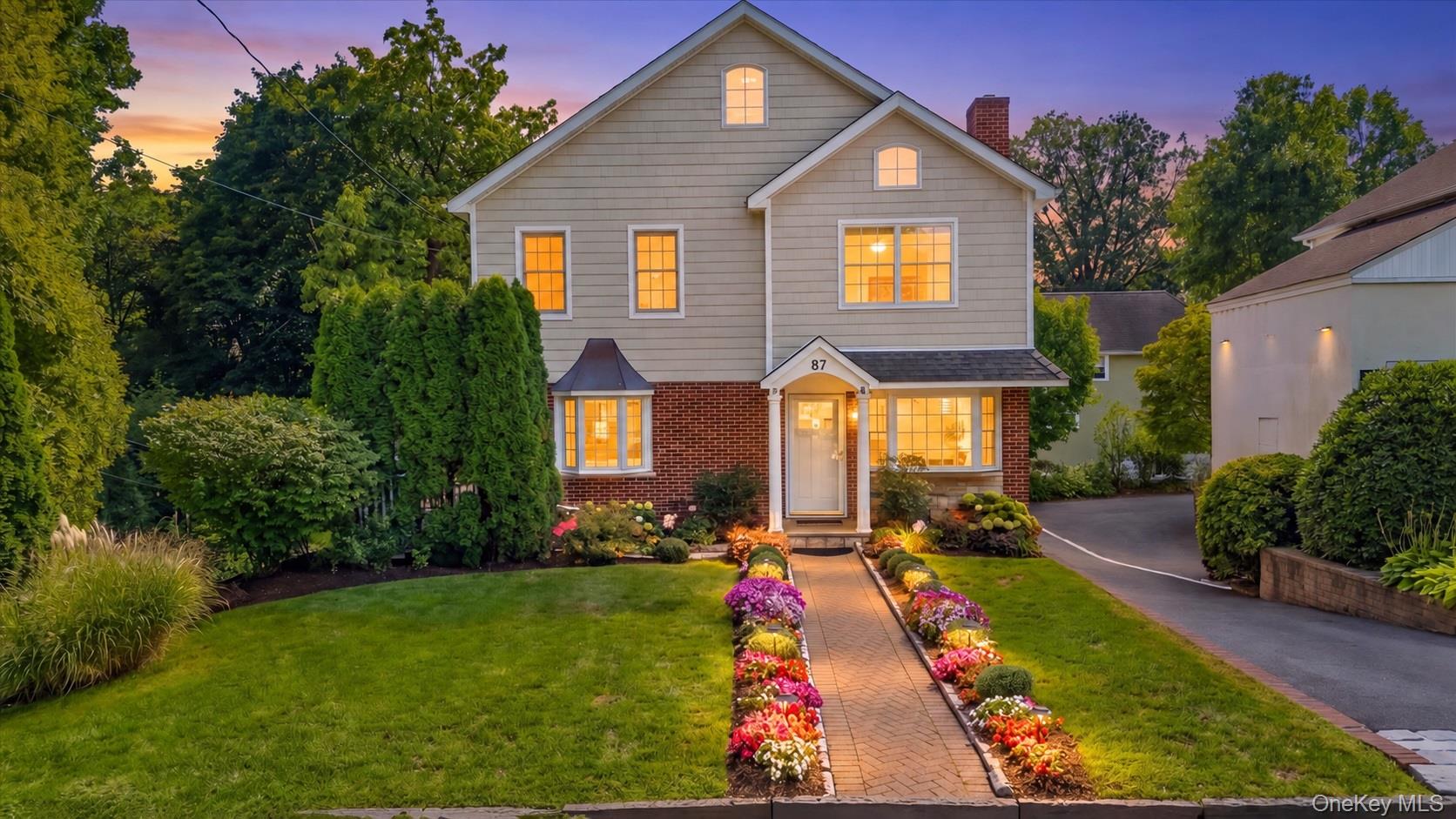
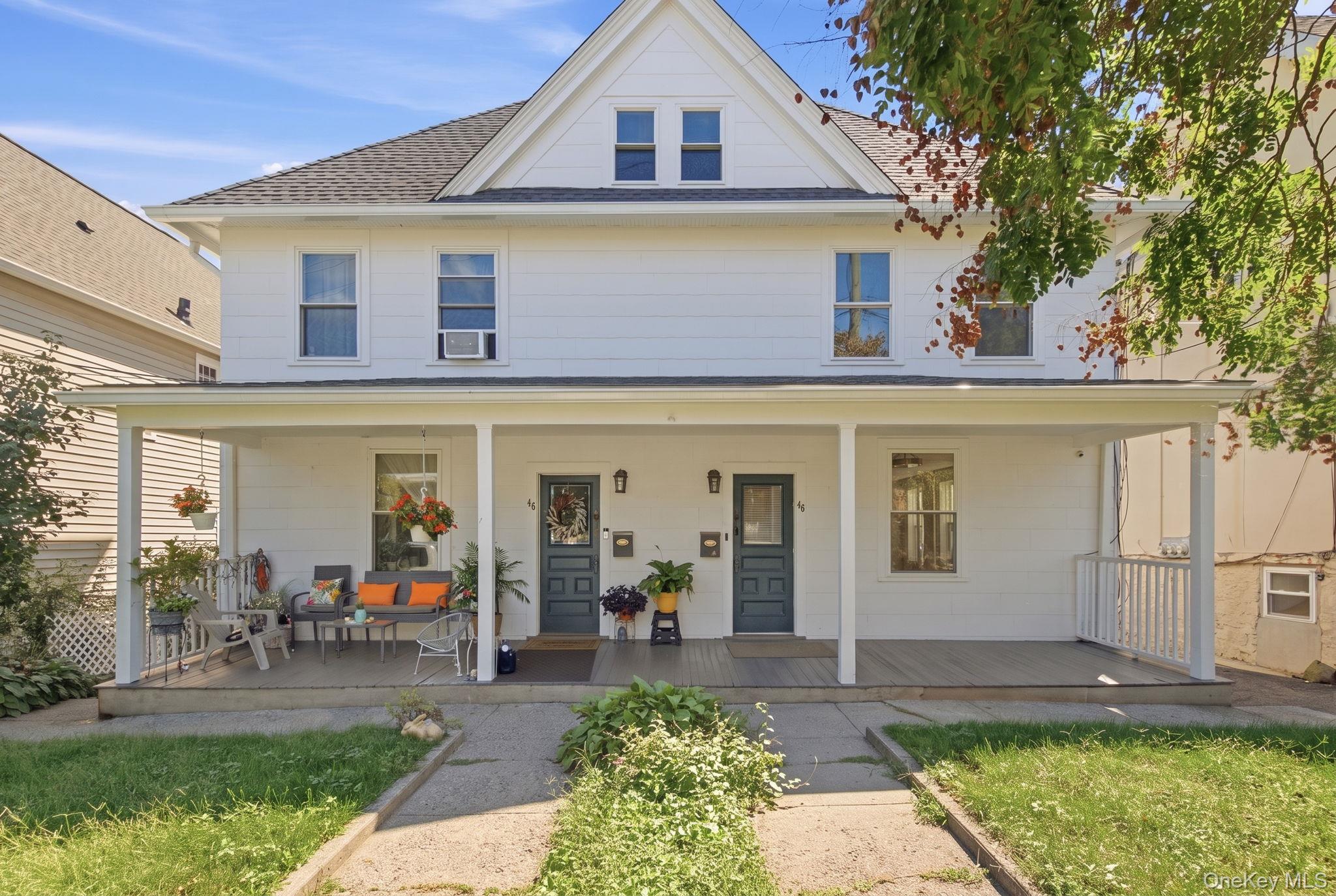
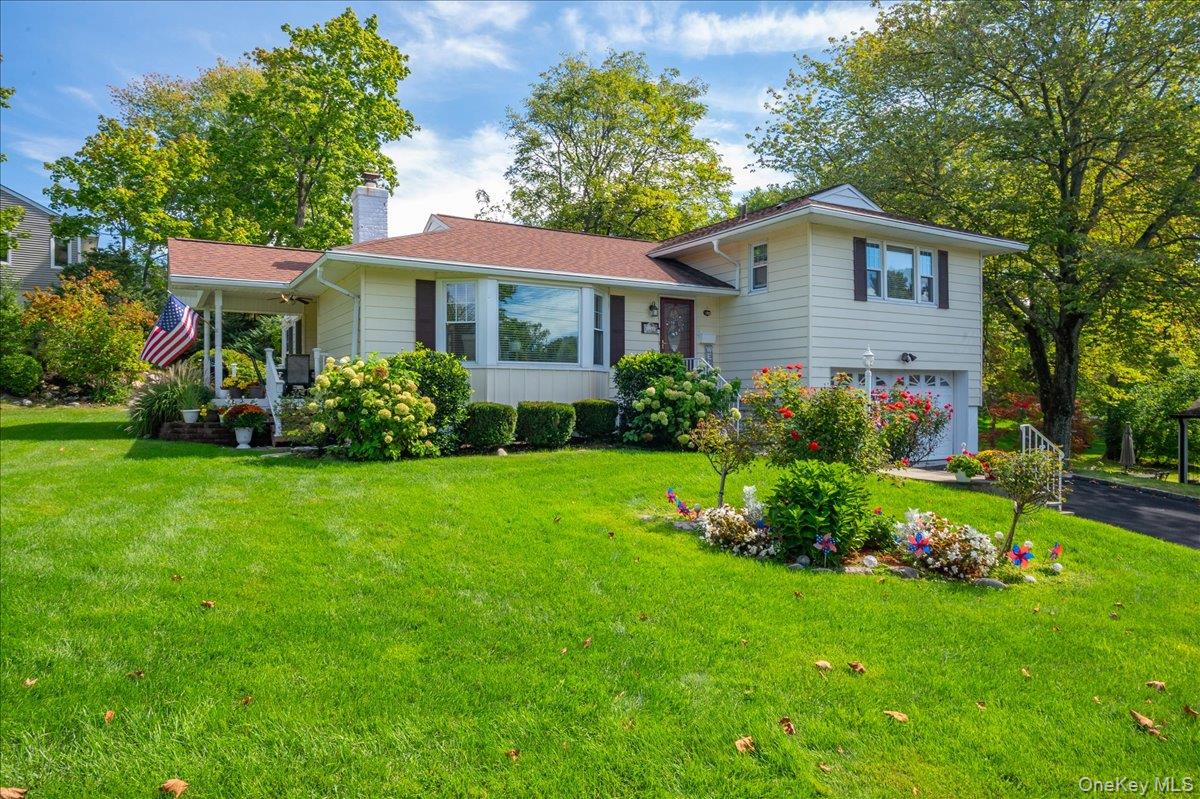
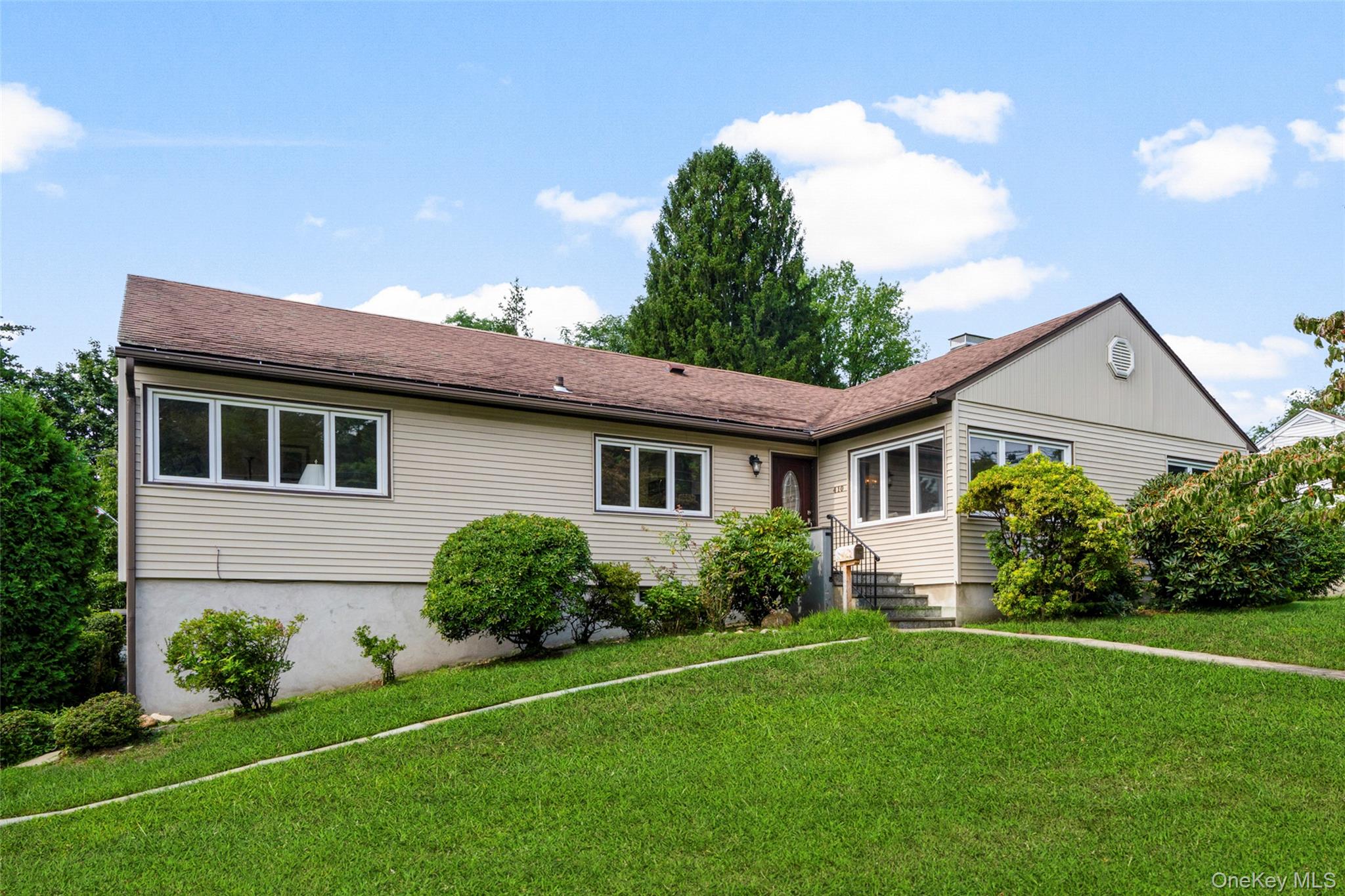
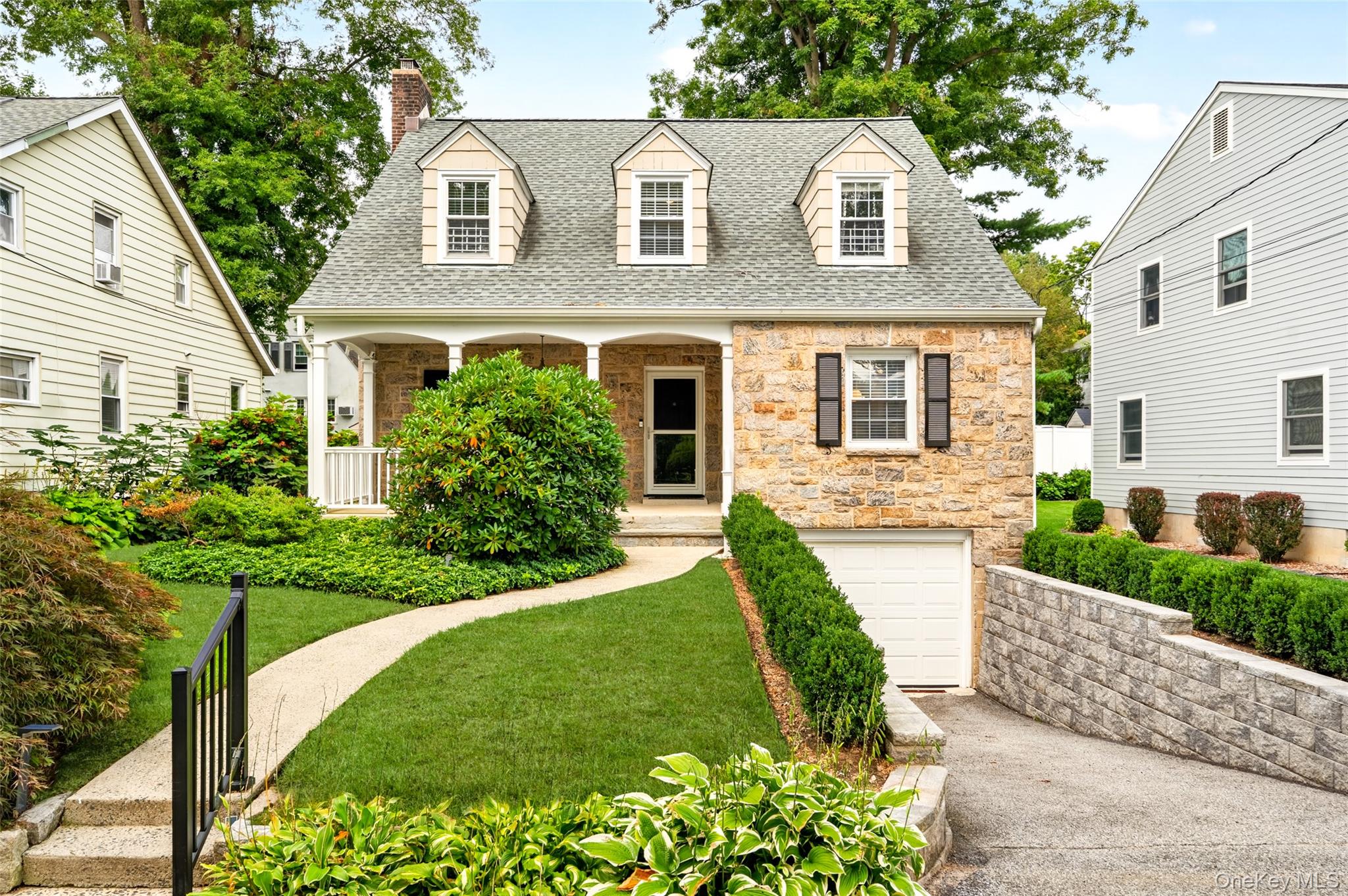
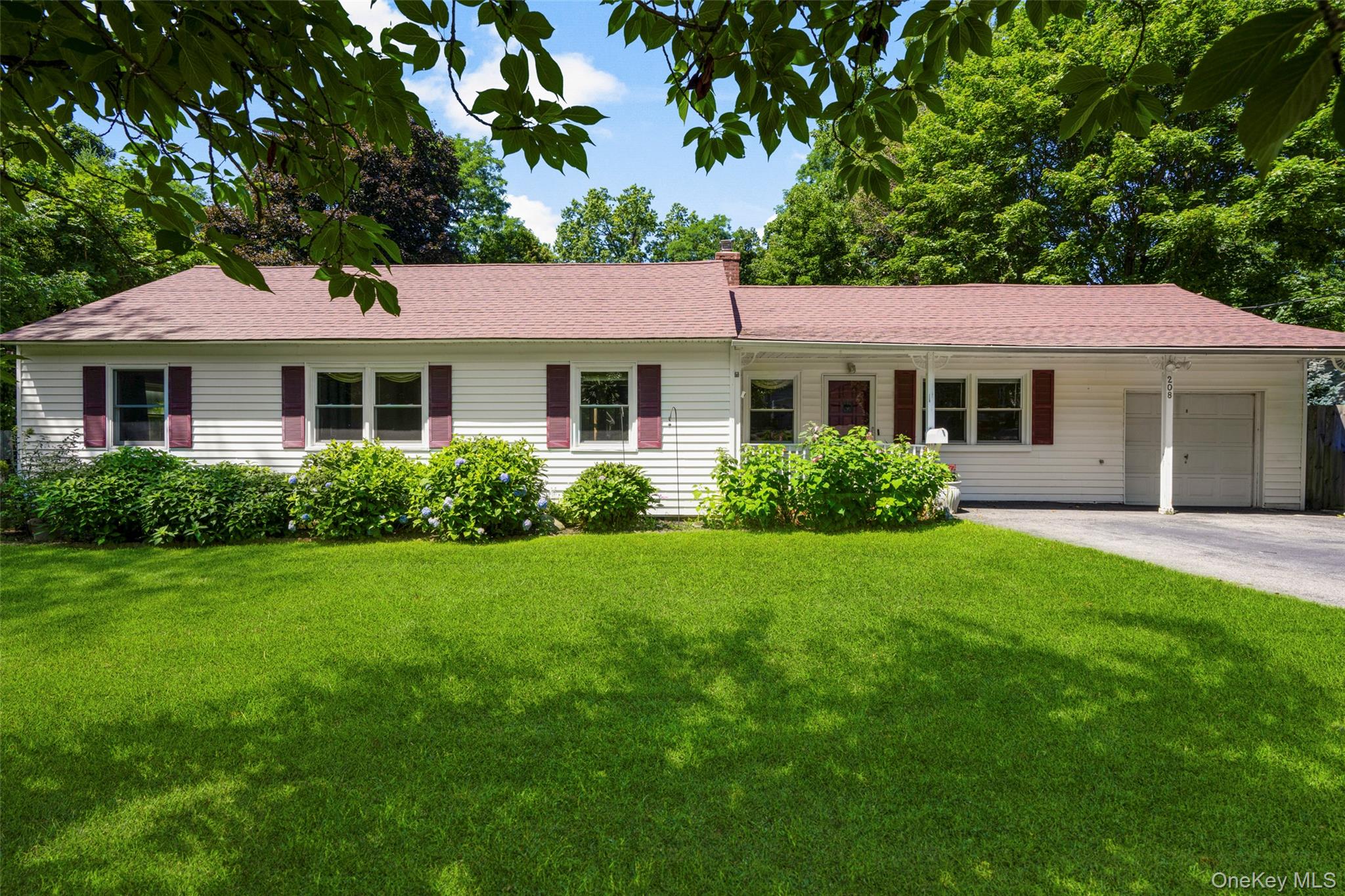
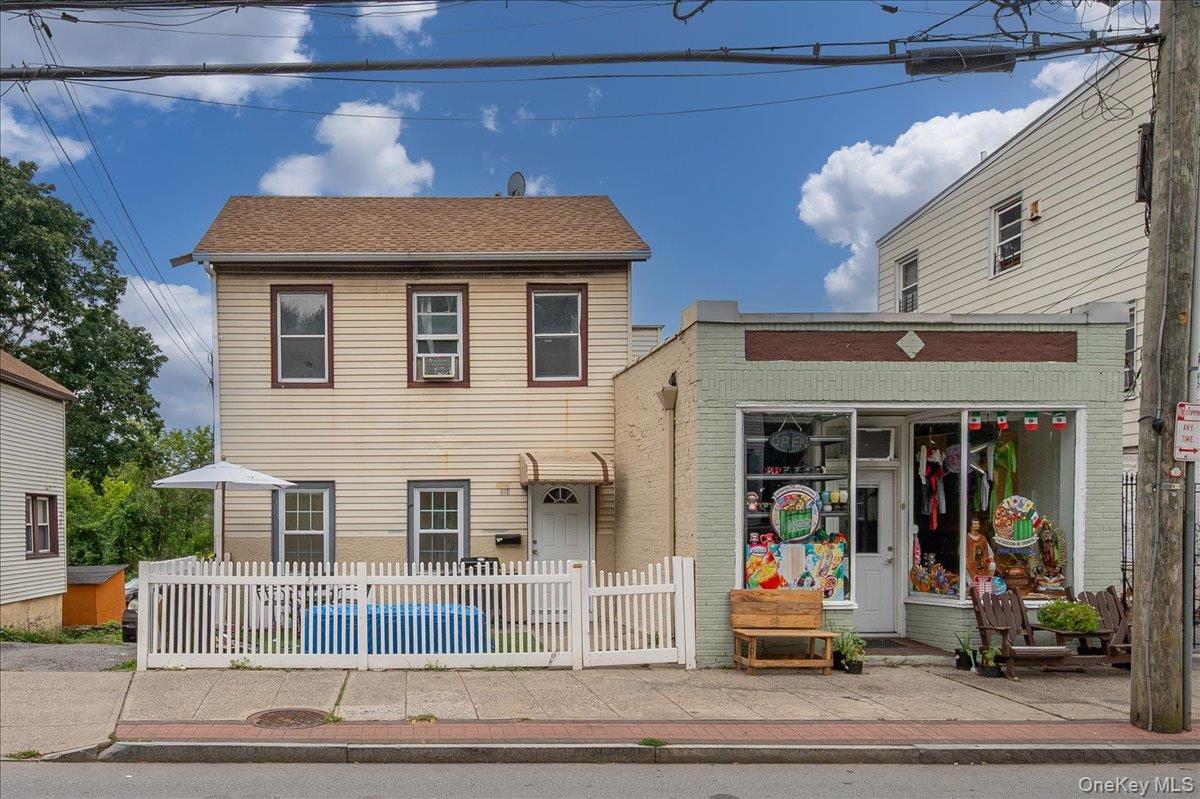
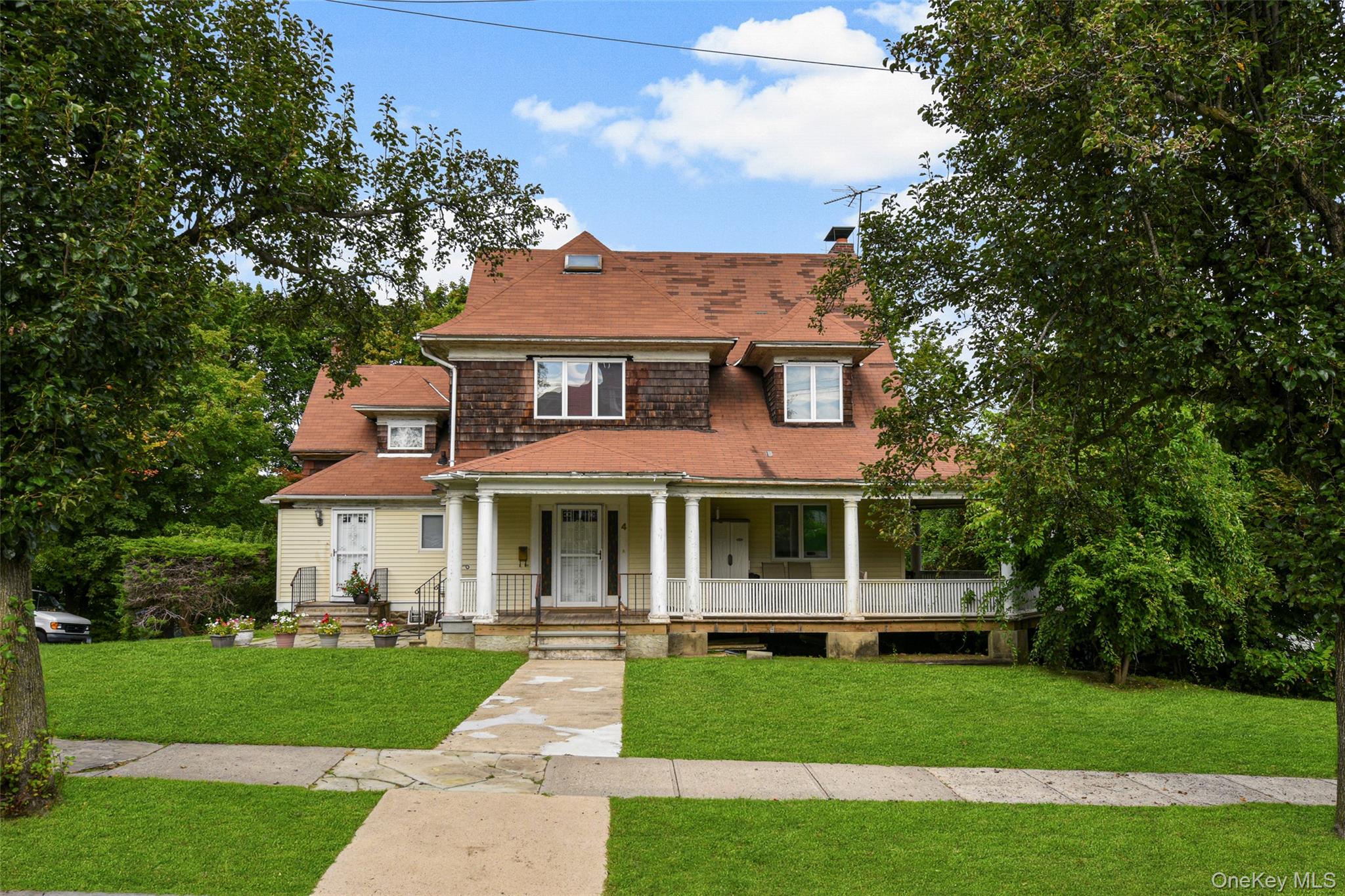
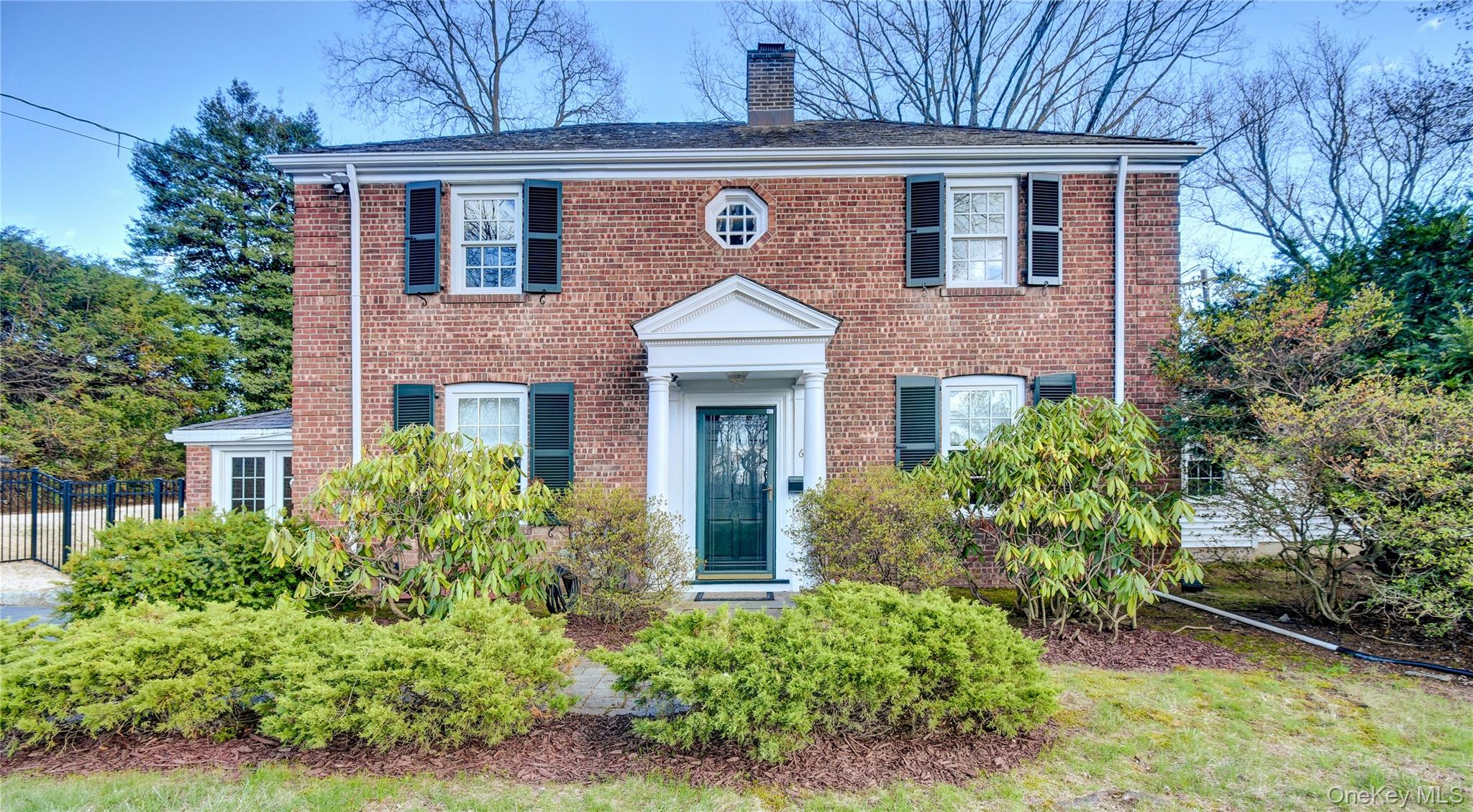
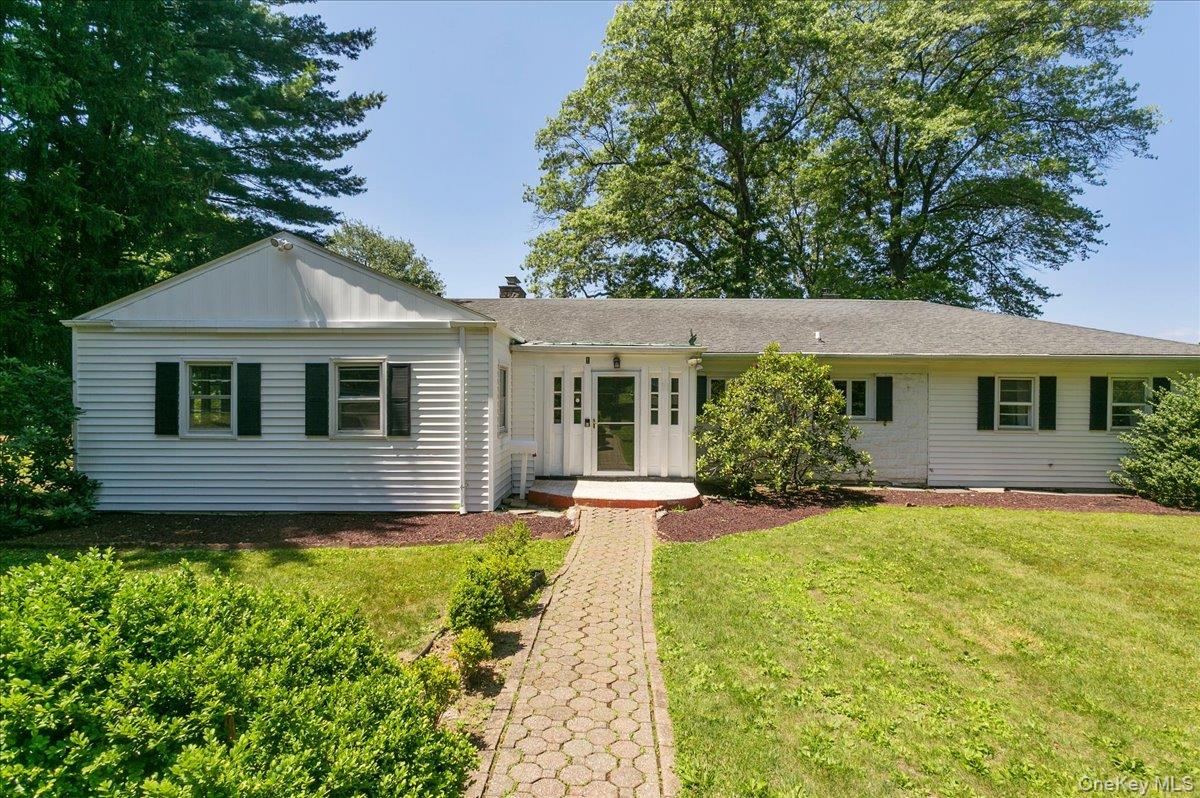
73,210 people live in White Plains, where the median age is 41.2 and the average individual income is $69,129. Data provided by the U.S. Census Bureau.
Total Population
Median Age
Population Density Population Density This is the number of people per square mile in a neighborhood.
Average individual Income
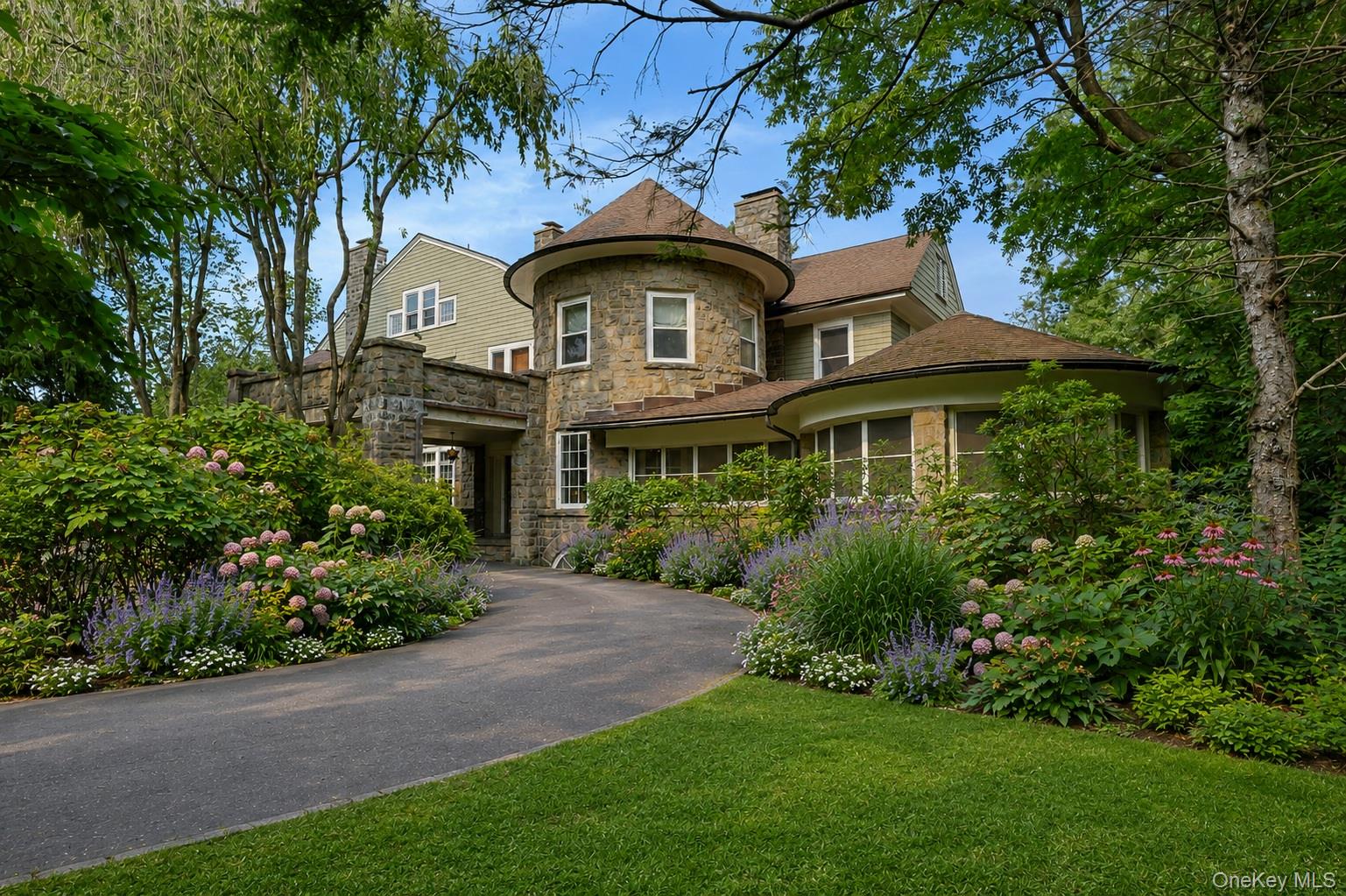
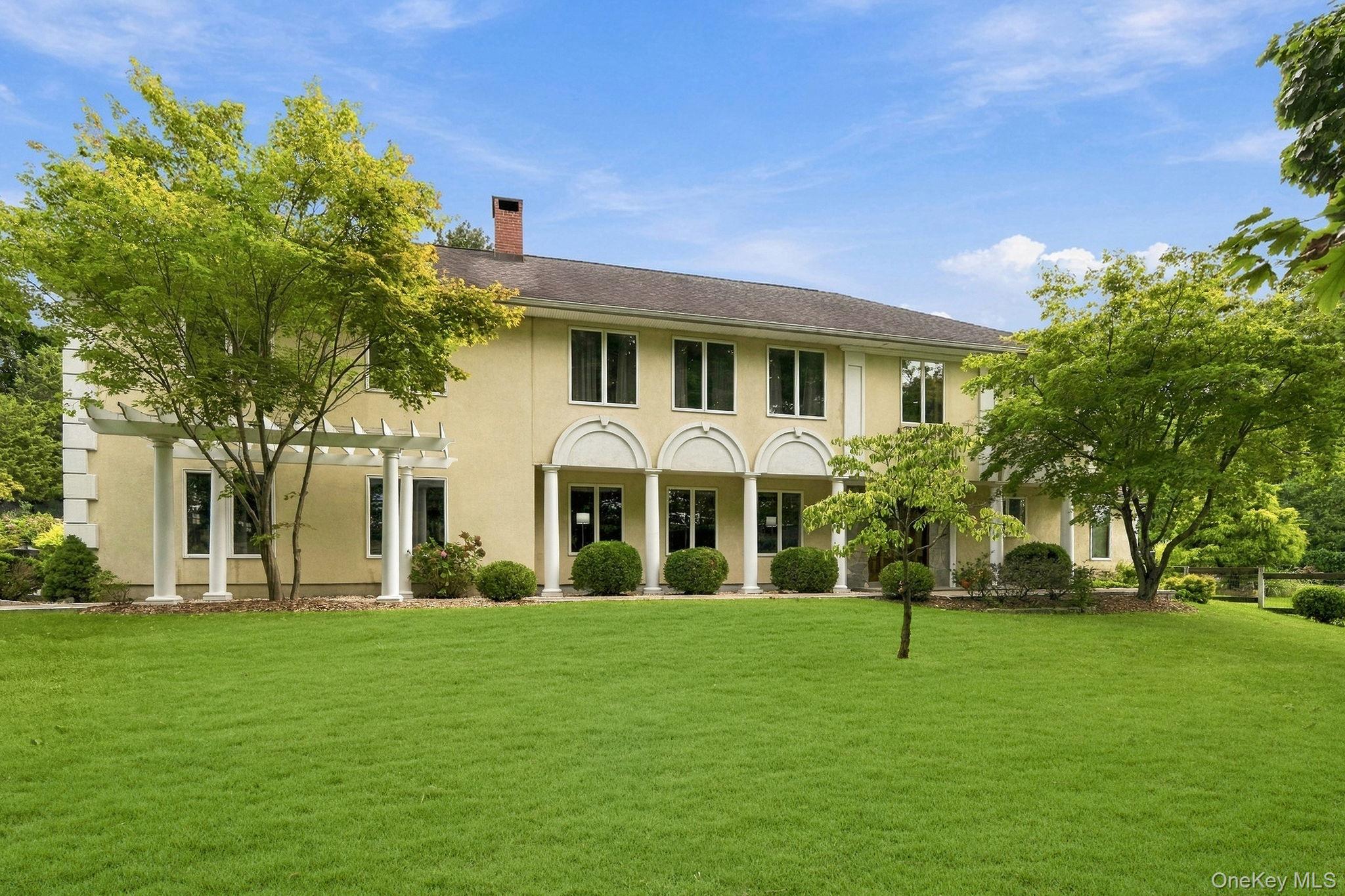
White Plains is the kind of place that doesn't fit neatly into a single category, and that's exactly what makes it work. It's the county seat of Westchester, a true downtown with a skyline, and yet it's surrounded by traditional single-family neighborhoods where kids still ride bikes to school. The result is a "suburban city" that lets you choose your lifestyle without moving — luxury high-rise living right next to Metro-North, or a quiet Tudor on a tree-lined street ten minutes away.
What you should know up front: White Plains is roughly 35 minutes from Grand Central by express train, serves as the corporate hub of Westchester County, and has been in the middle of a multi-billion-dollar downtown transformation that's reshaping the city block by block. It's also one of the most diverse communities in New York State, both in who lives here and in the housing stock available — from $200,000 co-ops to $1.5 million estates, often within the same zip code.
After helping families relocate to White Plains for over 35 years, the same handful of reasons come up again and again — and they all trace back to one thing: White Plains gives you optionality.
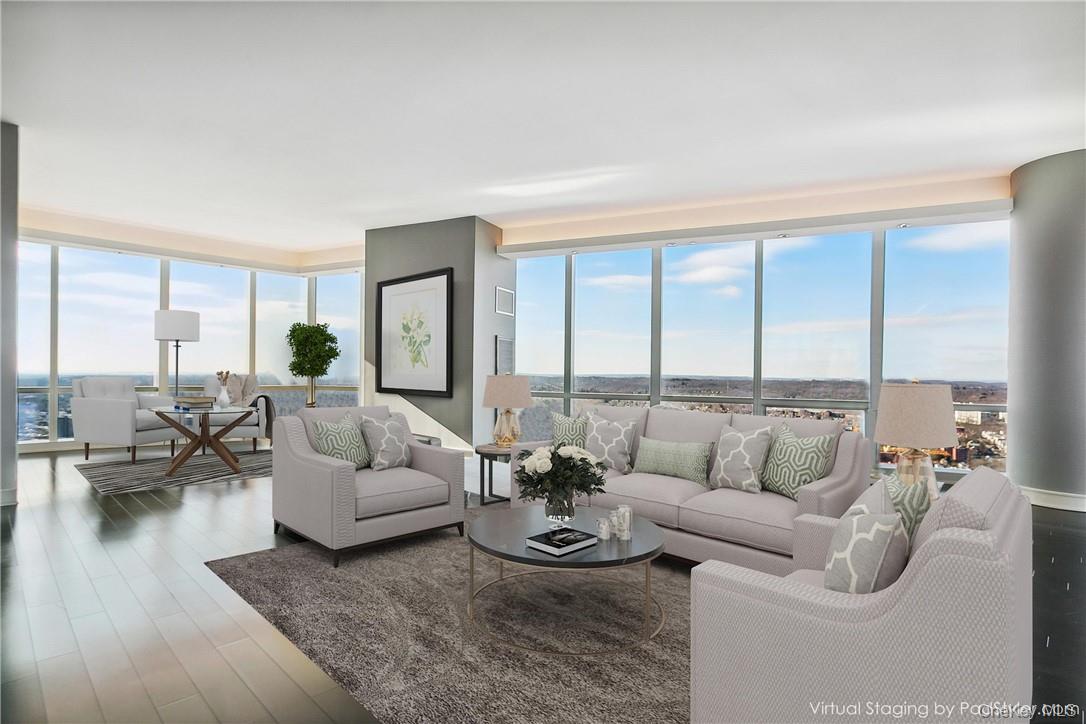
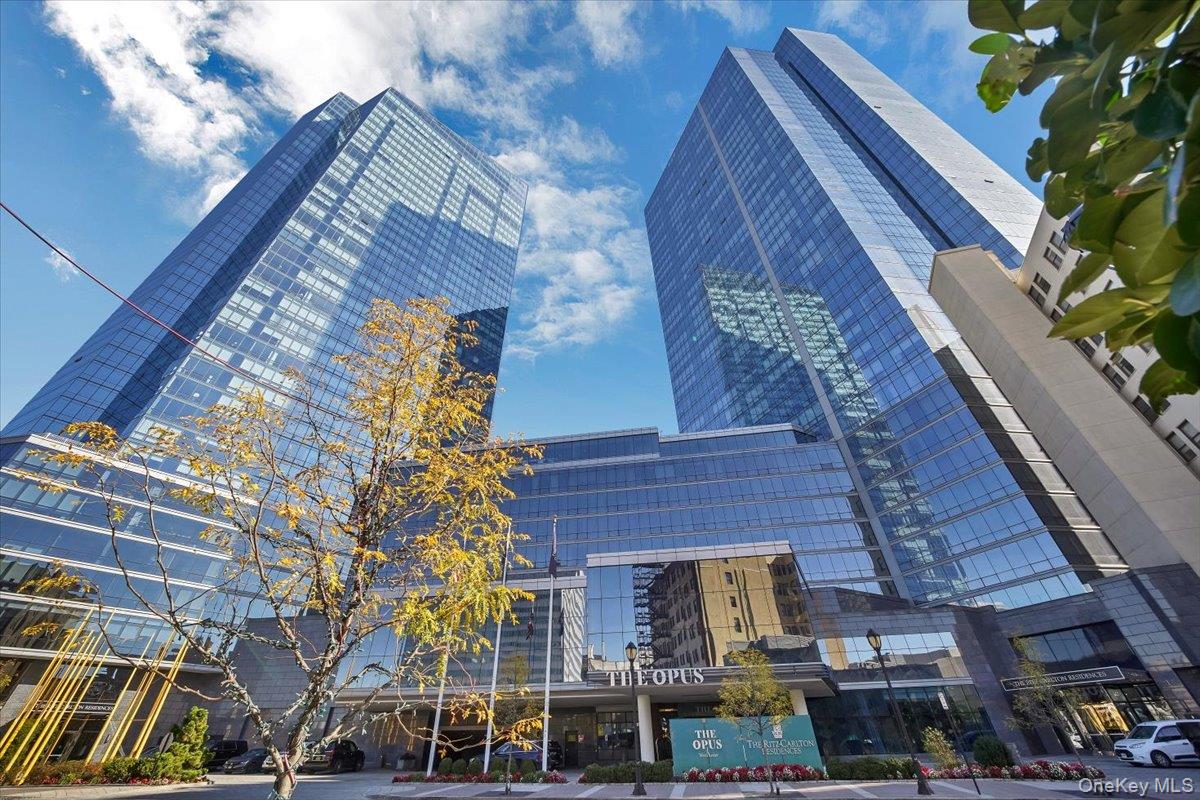
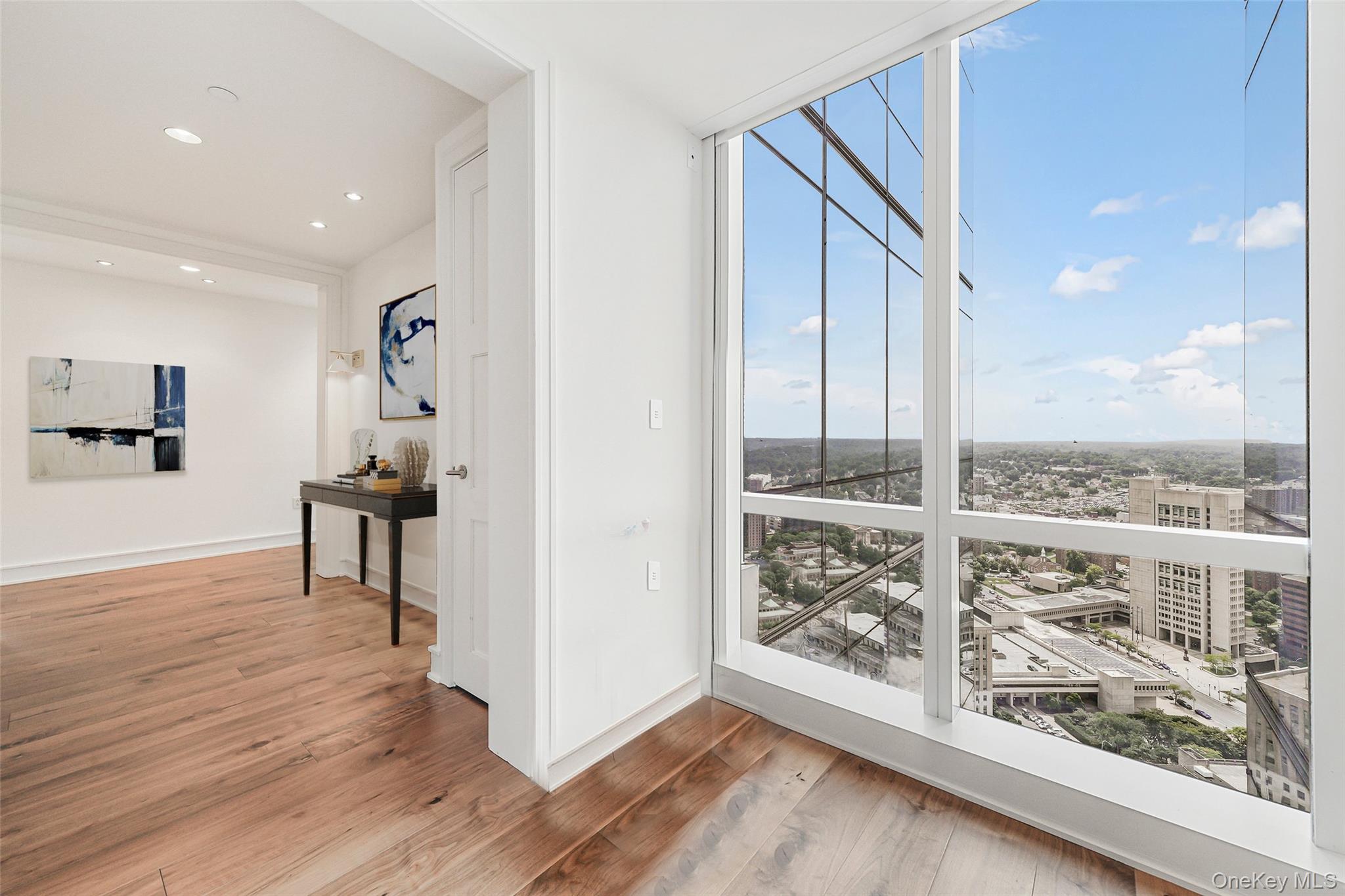
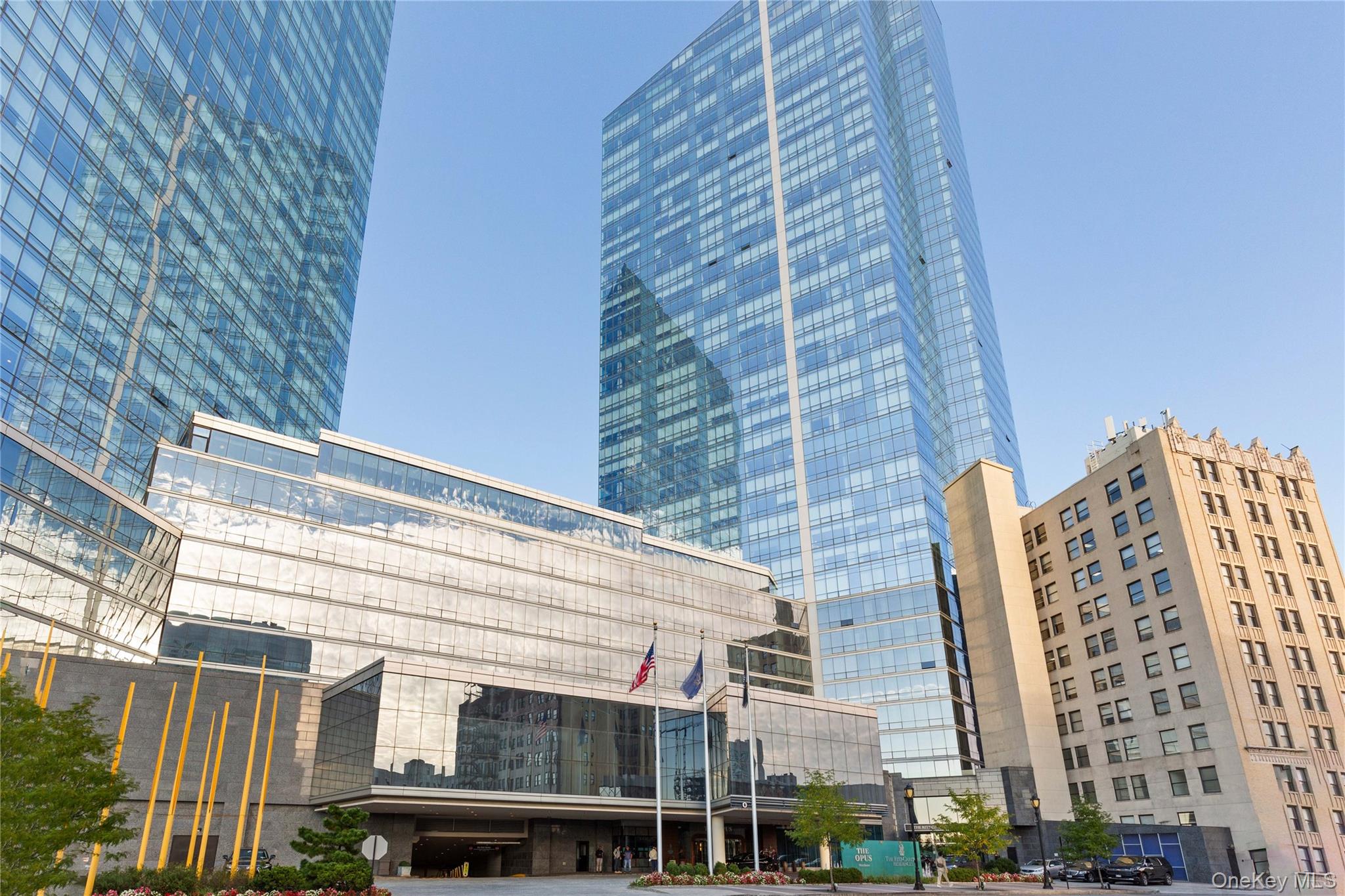
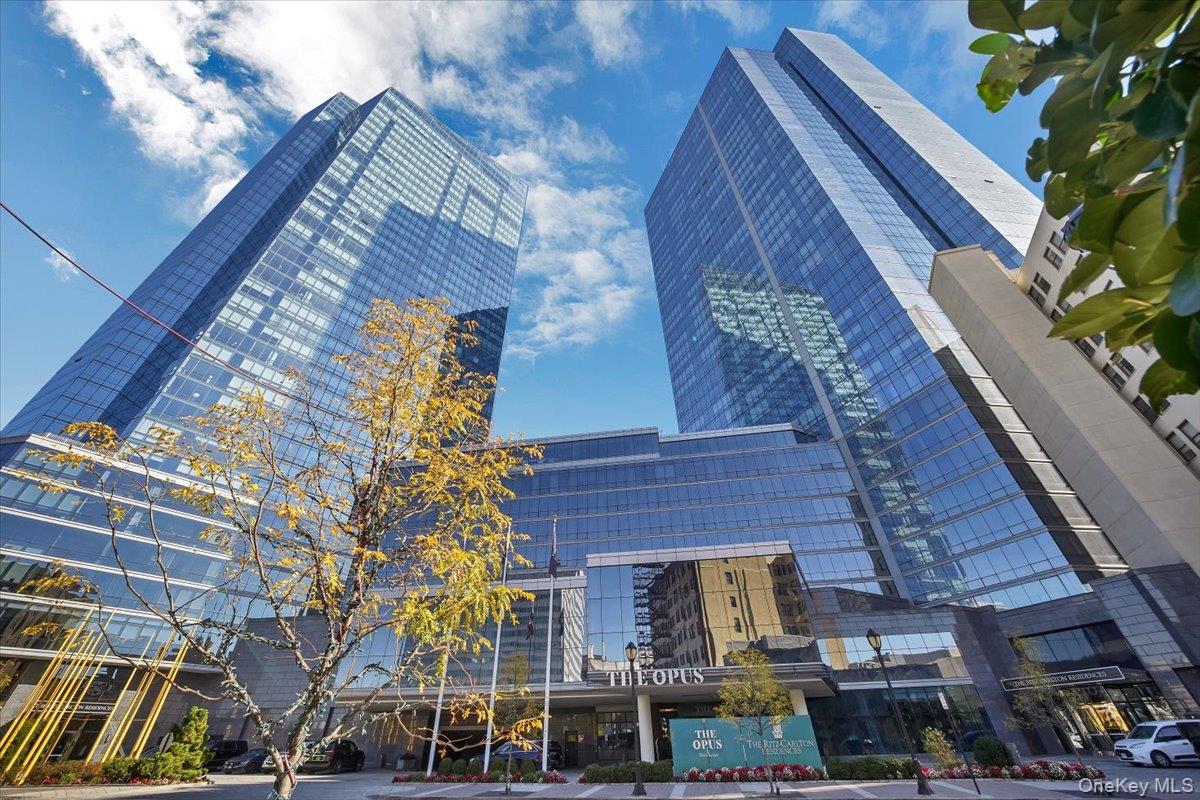
You don't have to choose between city and suburb. Most Westchester towns ask you to commit to one lifestyle. Scarsdale is quiet and residential. Rye is coastal. White Plains lets you live in a 26-story luxury tower steps from a Metro-North platform on Monday and pick up a single-family Colonial in Gedney Farms on Tuesday. That kind of housing flexibility within one school district is genuinely rare.
The commute actually works. A 35-minute express ride to Grand Central isn't a marketing number — it's the schedule. Trains run frequently, late into the night, and reliably on weekends, which means a Wednesday Broadway show or a Saturday dinner in the West Village isn't a logistical project.
You can work where you live. White Plains isn't a bedroom community. Major healthcare networks, law firms, financial services, and Westchester County government all have significant footprints here, so a meaningful share of residents have a 10-minute commute by choice.
You get real downtown amenities. When you want sushi at 10 p.m., a Target run on Sunday, an IMAX movie, or live jazz on a Friday night, you don't drive into Manhattan. You walk.
The schools educate kids for the world they'll actually live in. The White Plains City School District ranks in the top 1% of most diverse districts in New York State, and the dual-language program is one of the strongest in the region. For families who want their kids surrounded by different cultures, languages, and perspectives, that's not a footnote — it's the headline.
White Plains has been a consequential place in American history far longer than it has been a commuter destination. The land was originally inhabited by the Weckquaesgeek, a band of the Wappinger Confederacy. In 1683, Puritan settlers from Rye purchased roughly 4,400 acres from the tribe and named the area "White Plains" — most likely after either the heavy white mist that settled over the local flats or the groves of white balsam trees that grew there.
Then came 1776. In July of that year, the New York Provincial Congress met at the local White Plains courthouse and officially ratified the Declaration of Independence — the moment that formally created the State of New York. A few months later, on October 28, 1776, George Washington established a defensive position in the hills here and faced off against British and Hessian forces under General William Howe in what became the Battle of White Plains. Howe won the field, but Washington's orderly retreat north preserved the Continental Army to fight another day. The Jacob Purdy House, which served as Washington's headquarters, still stands today — a quiet reminder that the city's modern skyline rises out of genuinely consequential ground.
The arrival of the New York and Harlem Railroad in 1844 changed everything. White Plains transformed from a sleepy agricultural village into a commuter suburb, then into the commercial powerhouse and county seat it is today. The story of White Plains is essentially this: every generation rebuilds the downtown, but the historic bones are never far away.
White Plains is one of the most dynamic real estate markets in Westchester County, and that's a direct result of its dual identity. It functions both as a major corporate employment hub and as a premier commuter city for Manhattan, so it attracts buyers from completely different demographics simultaneously — young professionals chasing high-rise condos near the train, families looking for classic single-family homes, downsizers leaving larger estates in surrounding towns, and reverse commuters from NYC who want a true city experience without paying Manhattan prices.
The result is a market that doesn't behave like its neighbors. While Scarsdale or Rye sell almost exclusively single-family homes at $1.5M and up, White Plains has serious inventory across every price point and property type — making it one of the very few Westchester markets where a first-time buyer at $300,000 and a luxury buyer at $1.5 million are both shopping the same zip code on the same weekend.
Looking at a single median price for White Plains is misleading. The city has so much variety in housing stock that the property type matters far more than the citywide average.
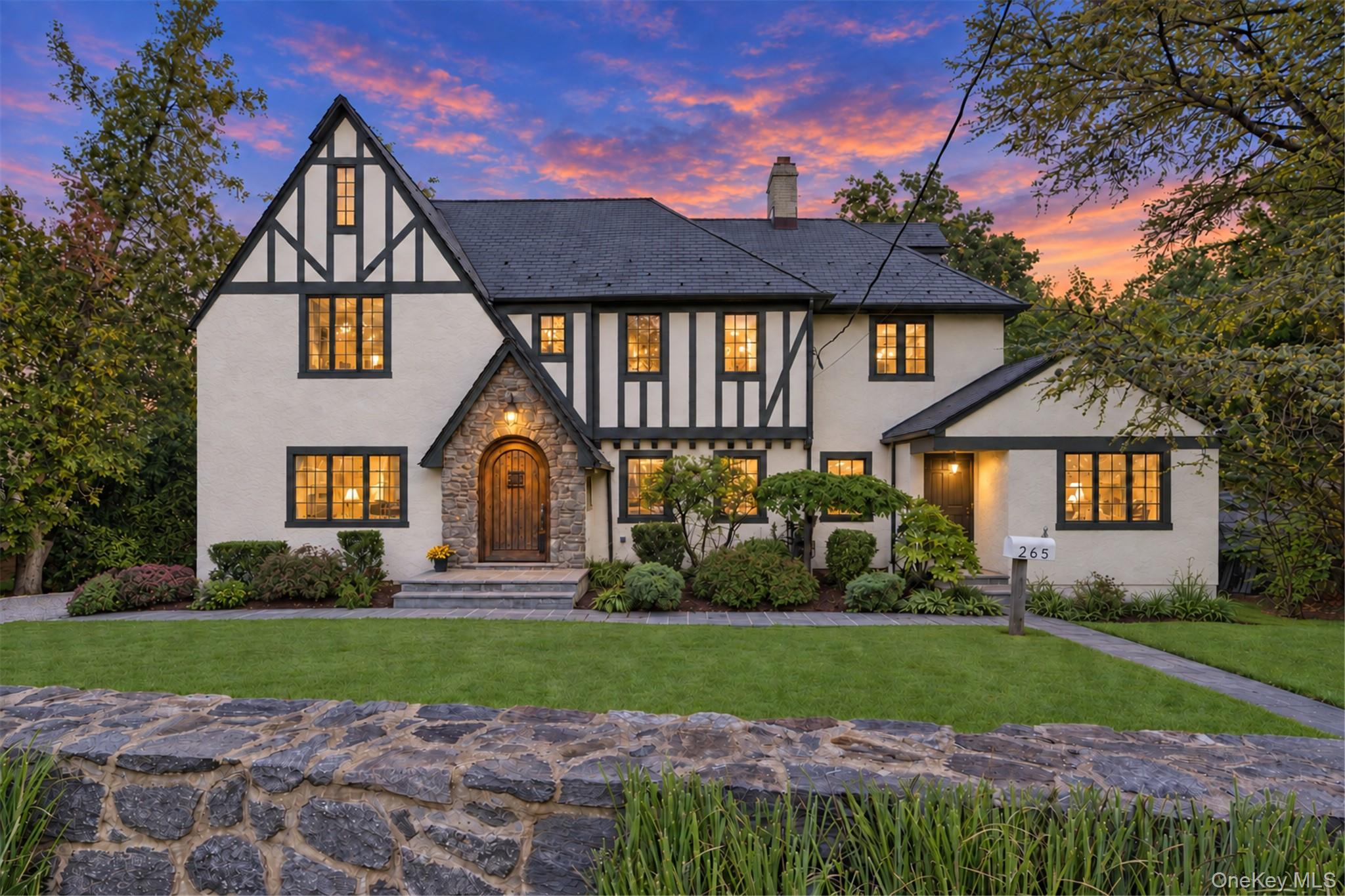
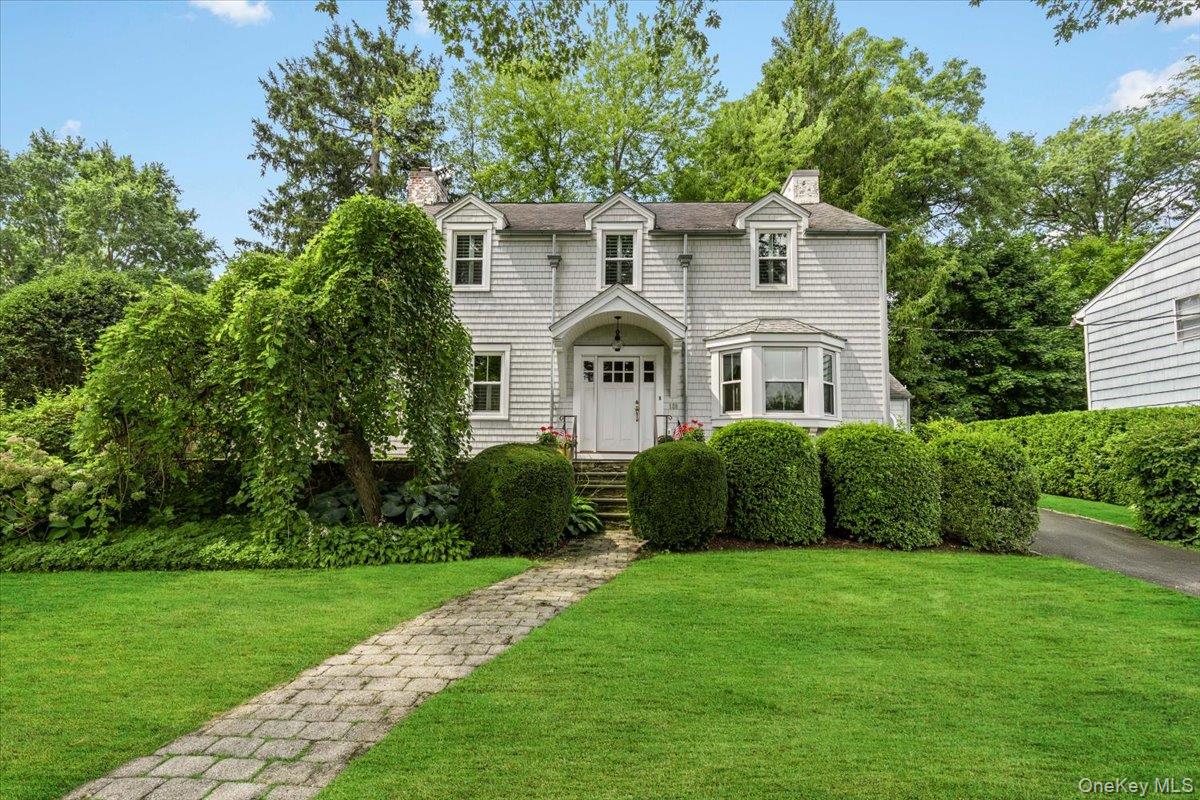
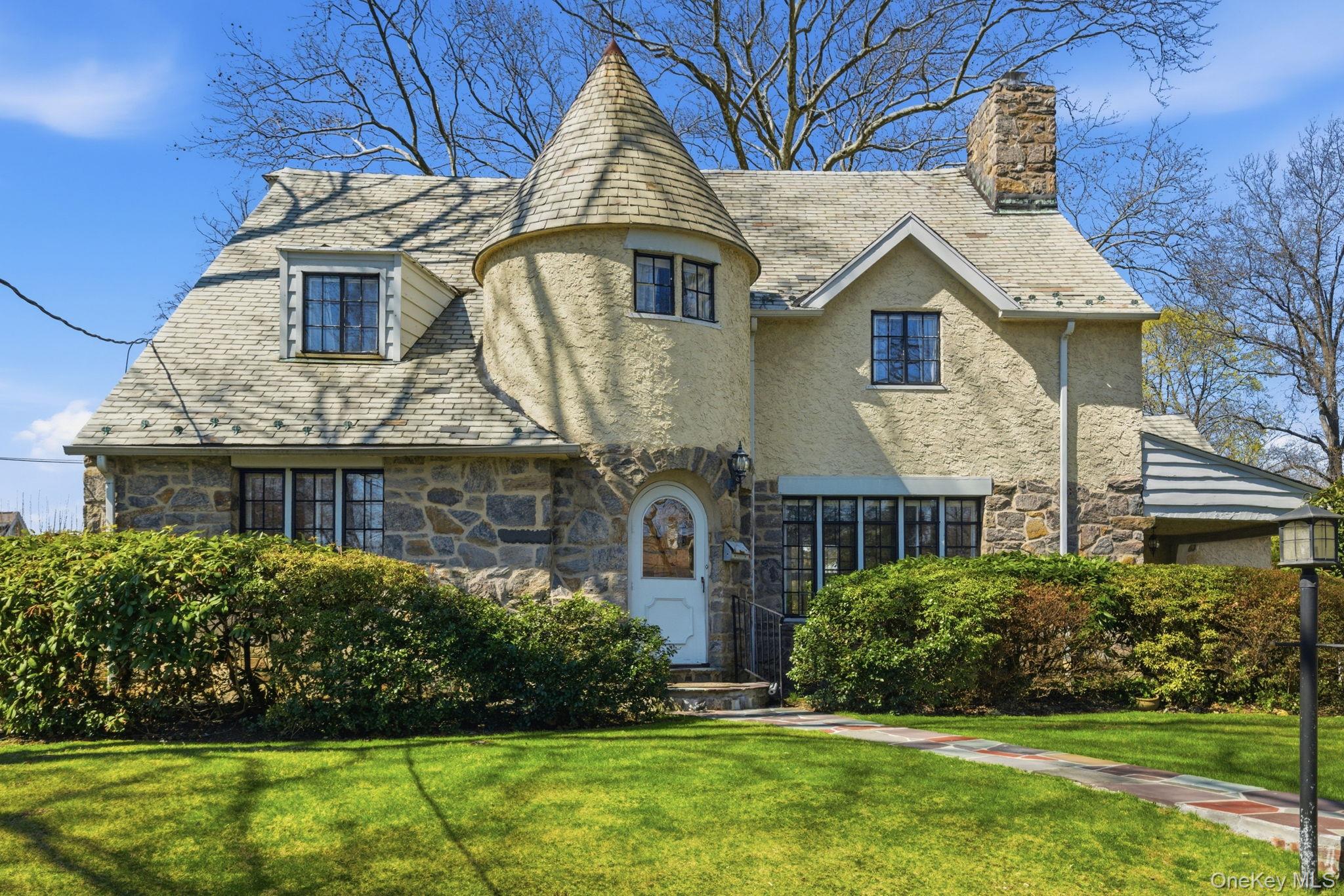
For single-family homes — the detached Tudors, Colonials, and Victorians in neighborhoods like Battle Hill, Gedney Farms, and North Broadway — the median sale price runs between $880,000 and $900,000, with prestigious pockets routinely clearing $1.2 to $1.5 million. The overall market value across all property types, including condos and co-ops, lands between $750,000 and $770,000. For buyers prioritizing low-maintenance living, co-ops can frequently be found in the $150,000 to $300,000 range, and luxury downtown condos generally run $400,000 to $800,000+, depending on building amenities and square footage.
Four trends are defining the market right now:
The first is a stubborn seller's market. Demand from buyers leaving NYC continues to outpace inventory, and roughly half of all homes sell at or above asking price. The second is fast-moving inventory — a properly priced home goes from listed to pending in about 34 days on average, and the most desirable single-family homes often go in under two weeks. The third is steady price-per-square-foot growth, hovering between $375 and $480, which signals that even when monthly medians fluctuate based on what's selling, the underlying value of space keeps climbing. The fourth is an aggressive rental market — the average monthly rent sits around $3,100, fueled by the new luxury towers within walking distance of the train station.
If you're shopping for a single-family home under $700,000 in White Plains, expect the fiercest competition in the market. That entry-level bracket for Westchester moves fast, and the winning offers come in clean, pre-approved, and with limited contingencies.
There's no avoiding it: Westchester County has some of the highest property taxes in the United States, and White Plains is part of that ecosystem. But here's the nuance most buyers miss — because White Plains has such a massive commercial tax base (the malls, the corporate headquarters, the hospital complex), the residential tax burden is actually somewhat lighter than purely residential neighbors like Scarsdale or Harrison, where homeowners carry nearly all the load themselves.
Your annual property tax bill is a combination of three separate taxes: the School Tax (the largest piece, funding the White Plains City School District), the City Tax (police, fire, public works, parks), and the County Tax (regional Westchester services). The median effective property tax rate in White Plains is roughly 1.97% of assessed market value. For a home valued at the city median of $750,000, expect an annual bill between $13,000 and $16,000. Co-ops and condos carry significantly lighter tax footprints, while single-family homes in higher-end pockets like Gedney Farms (10605) regularly see bills climbing past $18,000.
One thing every primary-residence buyer should know: New York State's STAR (School Tax Relief) program automatically reduces your school tax bill if your household income is under $500,000 — that's a meaningful annual savings that should be filed for as soon as you close.
White Plains is the central transportation hub of Westchester County, and that's not marketing language — it's geography. The city is built around its transit infrastructure, which is precisely why so many of the new luxury developments are clustered within a few blocks of the train station.
The Metro-North train is the headline. The White Plains Station is one of the busiest stops on the Harlem Line. Express trains during peak hours hit Grand Central in 35 to 38 minutes; local trains take about 50. Trains run frequently throughout the day, late into the night, and consistently on weekends — meaning a late dinner or show in Manhattan never requires watching the clock for the last train home.
Driving is equally well-supported. White Plains is intersected by I-287 (the Cross Westchester Expressway), the Bronx River Parkway, and the Hutchinson River Parkway. Greenwich, Connecticut is 15 minutes east. The Mario Cuomo (Tappan Zee) Bridge provides westward access to Rockland County and upstate New York. Driving into midtown Manhattan takes anywhere from 45 minutes to well over an hour depending on traffic — a reminder that the train is almost always the better call.
The Bee-Line Bus System is Westchester County's extensive bus network, and the White Plains TransCenter — right next to the train station — is its main nerve center. Over 30 routes pass through White Plains, connecting residents to Yonkers, New Rochelle, Port Chester, Mount Vernon, and beyond. Certain express routes like the BxM4C provide direct commuter service into Manhattan. For anyone commuting east to Stamford, Connecticut, the I-Bus Express makes a cross-state commute possible without a car.
If you settle into downtown White Plains — meaning anywhere in the grid around Mamaroneck Avenue, Main Street, and Martine Avenue — you genuinely don't need a car for daily life. That's a rare claim in Westchester, and it's why downtown White Plains commands a different kind of buyer than the rest of the county.
Within a 5-to-15 minute walk, you have grocery stores (Stop & Shop, Target, ShopRite), pharmacies, medical offices, gyms, coffee shops, and hundreds of dining options. Mamaroneck Avenue — the city's beating heart, locally known as Restaurant Row — has wide, outdoor-dining-friendly sidewalks that stay active well into the evening.
The city is also doubling down on this walkability through deliberate infrastructure investment. The closed Galleria Mall is being demolished and replaced with an open-air mixed-use district where nearly half of the 11-acre footprint is dedicated to plazas and pedestrian corridors. Hamilton Avenue is getting a two-way protected bike track and pedestrian refuge islands. The Water Street Connector is creating a new ADA-accessible linear park. The overall direction is unmistakable: White Plains is intentionally trading its 20th-century, car-first design for a 21st-century walkable city, and buyers who move now are buying into that trajectory.
The White Plains City School District (WPCSD) educates nearly 7,000 students across seven public schools — five elementary schools (K–5), one middle school operating across two campuses (6–8), and the centralized White Plains High School.
What defines this district more than any test score is its diversity. WPCSD consistently ranks in the top 1% of most diverse school districts in New York State, and the district treats that diversity as its core academic strength. Nowhere is that more visible than in the optional Dual Language Program, which begins in elementary school and produces students who graduate fully bilingual and biliterate in English and Spanish — a credential that's increasingly valuable in college admissions and the modern workforce.
White Plains High School is a comprehensive, full-spectrum public high school with an extensive Advanced Placement course catalog, dual-enrollment college courses, honors tracks, and standout fine arts and music programs. Graduation rates sit around 92–93%, comfortably above the New York state average. The "Tigers" athletics program is competitive across the board, supported by strong turf fields, track facilities, and swimming pools.
One feature unique to White Plains worth understanding before you buy: the district uses a controlled-choice elementary assignment system. Instead of strict address-based zoning, parents rank their preferences among the five elementary schools — Church Street, George Washington, Mamaroneck Avenue, Post Road, and Ridgeway — and the district places students through a lottery designed to balance socioeconomic mix, proximity, and sibling attendance. This is materially different from how Scarsdale or Rye assign students, and it's something families should understand fully before choosing a neighborhood.
White Plains is the regional shopping capital of Westchester County, drawing visitors from across the Hudson Valley, lower Connecticut, and even Upper Manhattan. The retail landscape is also in the middle of a major transformation — the dated enclosed Galleria Mall has been cleared to make way for an open-air, transit-oriented district, but the city's anchor destinations remain strong.
The Westchester is the crown jewel. This isn't a standard suburban mall — it's a marble-floored, skylit, upscale destination that feels closer to Fifth Avenue than to Westchester. It's anchored by Nordstrom and Neiman Marcus and includes Tiffany & Co., Burberry, Louis Vuitton, Gucci, Apple, Lululemon, Alo Yoga, and Crate & Barrel. The top-floor Savor food hall has elevated options like Shake Shack and Gregorys Coffee.
City Center at White Plains sits right in the middle of downtown and serves the more everyday side of life — Target, Burlington, Marshalls, a large ShopRite, and a Showcase Cinema de Lux. It's the kind of place where you can finish errands and catch a movie without ever moving your car. The Bloomingdale Road corridor, just outside the immediate downtown grid, adds a standalone Bloomingdale's and surrounding specialty stores for high-end shopping.
The culinary heart of White Plains beats on Mamaroneck Avenue — known by everyone as Restaurant Row. It's a multi-block stretch of wide sidewalks, outdoor dining, lively bars, and an unusually diverse range of cuisines that reflects the city itself.
For the pub-and-nightlife side, The Brazen Fox is a legendary staple — craft beer, upscale American pub food, and packed crowds for weekend games. Ron Blacks Beer Hall and Lazy Boy Saloon are go-to spots for craft beer enthusiasts with dozens of rotating taps.
The international dining is where White Plains genuinely shines. Shiraz Kitchen & Wine Bar serves chic, authentic Persian and Middle Eastern cuisine. Greca Estiatorio offers upscale modern Greek Mediterranean. Cantina Taco & Tequila Bar and Sundance Kitchen are the bustling spots for street tacos, birria, and serious margarita menus. TVB by Pax Romana, tucked on East Post Road, is a local favorite for scratch-made pasta and authentic Italian street food.
For special occasions, the city has a sophisticated steakhouse and fine-dining scene that rivals anything you'd find in Manhattan. Red Horse by David Burke is a modern American steakhouse with an Asian flair and the celebrity chef's signature style. Morton's The Steakhouse delivers the classic white-tablecloth experience and one of the most popular upscale happy hours in the area. Chazz Palminteri Italian Restaurant is the destination for polished, classic Italian-American fine dining on Main Street.
For a city with a real skyline, White Plains keeps a surprising amount of green. The parks span everything from neighborhood gathering spots to genuinely rugged hiking preserves.
Turnure Park is the city's premier downtown park, with a gazebo, playgrounds, and manicured lawns — most famous for its stunning Japanese cherry blossom display every spring, which draws crowds from across the county. Gillie Park on Gedney Way is the local hub for tennis, basketball, baseball, and family playgrounds. Delfino Park is a sprawling recreation complex with picnic areas, fields, and the Ebersole Ice Rink, an open-air public rink that hosts public skating, hockey leagues, and lessons from fall through spring.
For something more rugged, Silver Lake Preserve straddles the White Plains–Harrison border — a 236-acre county park with unpaved hiking trails through dense woods, stone outcrops, and quiet lake views. The Bronx River Pathway, running alongside the Bronx River Parkway, is the local favorite for jogging, walking, and cycling. On select Sundays in spring and fall, the city closes sections of the adjacent parkway to cars entirely for "Bicycle Sundays" — a beloved tradition that gives cyclists and pedestrians free rein of the road.
White Plains genuinely functions as the cultural hub of Westchester County. You don't need to ride into Manhattan to catch top-tier theater, contemporary gallery exhibits, or live music.
The White Plains Performing Arts Center (WPPAC), located inside the City Center complex, is an intimate 410-seat professional theater that produces Broadway-caliber musicals, plays, and concerts. It hosts regional premieres of major Broadway shows, stand-up comedy, and youth theater academies.
ArtsWestchester is housed in a magnificent nine-story former bank building on Mamaroneck Avenue and is the largest private arts council in New York State. The building includes a two-story contemporary gallery open to the public, affordable studio space for working artists, creative workshops, and indoor performance spaces. The Westchester County Center, a historic 5,000-seat arena, hosts everything from high school basketball championships and concerts to consumer expos, antique shows, and comedy festivals.
The annual festival calendar is where the cultural identity of the city really comes alive. JazzFest White Plains is a multi-day festival every autumn — in partnership with ArtsWestchester — that brings jazz legends and rising stars to indoor venues and outdoor stages downtown. The White Plains Outdoor Arts Festival, held in Tibbits Park every summer, is a decades-old juried art show with proceeds funding scholarships for local high school artists. Throughout the colder months, the city hosts European-style markets, craft beer gardens, and live seasonal music.
This is the question I get more than almost any other, and it deserves a real answer rather than a quick comparison chart. All four municipalities offer quality of life, strong schools, and quick Manhattan access — but they offer completely different lifestyles, and choosing wisely depends on what you actually want your weekends and weekdays to look like.
| Feature | White Plains | Scarsdale | Harrison | Rye |
|---|---|---|---|---|
| Vibe | Urban-suburban; vertical skyline downtown, quiet single-family pockets | Traditional, prestigious, ultra-suburban, quiet | Suburban with distinct pockets (quaint downtown vs. large estates) | Coastal, historic, boutique small-town charm |
| Housing Types | Condos, co-ops, luxury rentals, single-family homes | Almost exclusively grand single-family homes | Mix of single-family, country club estates, newer condos | Colonial single-family, coastal properties, townhomes |
| Median Home Price | ~$750K–$770K (entry points via condos/co-ops) | ~$1.8M–$2M+ | ~$1.1M–$1.3M | ~$1.9M–$2.2M+ |
| Downtown | Dense city center: malls, theaters, restaurant row | Quaint Tudor-style walking village | Quiet, evolving commuter strip | Picture-perfect upscale main street |
| Tax Burden | Moderate-High (offset by commercial base) | Very High (purely residential) | High (varies by school district pocket) | Very High |
Scarsdale is the epitome of classic, quiet luxury with strict zoning and world-famous schools. If you find Scarsdale too quiet and want a Target, a movie theater, and a craft cocktail bar at your doorstep, White Plains is the answer. Harrison sits in the middle ground — slightly lower taxes in certain pockets, but no central downtown destination to compete with what White Plains offers. Rye delivers coastal New York living and a tight maritime community, but you pay a significant premium for the beach access and harbor views. White Plains gives you cosmopolitan convenience without the seaside price tag.
White Plains isn't just sitting still — it's in the middle of a historic, multi-billion-dollar transformation that's actively reshaping where buyers will want to live for the next two decades. This is the part of the story that doesn't get covered enough, and it's the part that should matter most to anyone buying here right now.
Hamilton Green is the flagship project, a joint venture between the Cappelli Organization and RXR Realty built on the footprint of the demolished White Plains Mall. The project will eventually deliver 860 residential units across four towers. Phase I brought the first 477 luxury rental units online via the 12-story Cottage 25 and 26-story Cottage 5 towers. What makes Hamilton Green different is the elevated 55,000-square-foot public plaza that sits atop the residential base, with landscaped terraces, a craft food market hall, retail boutiques, co-working spaces, and nearly 1,000 parking spaces — all steps from Metro-North.
The former Galleria Mall redevelopment is the largest project in the city's history. The closure of the sprawling enclosed mall cleared the way for a multi-tower master district that breaks up the massive block to reconnect the downtown street grid, adding thousands of residential units, street-level retail, and outdoor plazas right in the heart of Main Street.
25 North Lex, just a block from the train station, features interconnected 25-story and 16-story glass towers with 500 luxury units and roughly 17,000 square feet of ground-floor retail. The rooftop amenity decks, lap pool, and community gardens are designed to dramatically elevate the pedestrian streetscape on North Lexington Avenue.
It's not just residential, either. White Plains Hospital is undergoing a $750 million, 10-story expansion along East Post Road — a 500,000-square-foot annex that will nearly double the Emergency Department footprint, add 10 state-of-the-art operating suites, and bring 240 private patient rooms online to serve the region's growing population.
The bigger picture for buyers: White Plains is intentionally rebuilding itself as the most walkable, transit-oriented city north of Manhattan. Buyers moving in now are buying into the trajectory, not just the current state.
The Nancy Kennedy Team has been guiding people north of New York City for over 35 years, and there isn't a White Plains scenario we haven't seen — first-time buyers stretching for a condo near the train, growing families weighing the controlled-choice elementary lottery, downsizers leaving Scarsdale estates, NYC reverse-commuters chasing space, and out-of-state sellers navigating closings from across the country.
We're a Top Producing Team at Houlihan Lawrence, ranked #1 Associate in the entire MLS service in Westchester and Putnam, #5 in New York State, and recognized by the Wall Street Journal as #1 in Westchester County. We crossed $1 billion in career sales in 2019 and have only kept building from there. But what those numbers really mean is simple: we know this market, we know the buildings, we know the neighborhoods street by street, and we know how to get a deal done cleanly when other agents stall.
Whether you're buying your first co-op downtown, selling a Tudor in Battle Hill, or comparing White Plains against Scarsdale, Harrison, or Rye before making a decision — we'd love to talk. Call us at (914) 271-5500 or email [email protected]. From the first phone call to closing day, we don't stop working for you — and we consider every client a customer for life.
There's plenty to do around White Plains, including shopping, dining, nightlife, parks, and more. Data provided by Walk Score and Yelp.
Explore popular things to do in the area, including Z J's Deli & Grocery Store, Sbarro Pizza, and Wine &Liquor Boutique.
| Name | Category | Distance | Reviews |
Ratings by
Yelp
|
|---|---|---|---|---|
| Dining | 0.2 miles | 0 reviews | 0/5 stars | |
| Dining | 0.2 miles | 4 reviews | 2.3/5 stars | |
| Dining | 0.2 miles | 0 reviews | 0/5 stars | |
| Dining | 0.21 miles | 1 review | 3/5 stars | |
| Dining | 0.21 miles | 0 reviews | 0/5 stars | |
| Dining | 0.21 miles | 0 reviews | 0/5 stars | |
| Shopping | 0.19 miles | 0 reviews | 0/5 stars | |
| Shopping | 0.2 miles | 0 reviews | 0/5 stars | |
| Shopping | 0.2 miles | 0 reviews | 0/5 stars | |
| Active | 0.24 miles | 0 reviews | 0/5 stars | |
| Active | 0.25 miles | 0 reviews | 0/5 stars | |
| Active | 0.27 miles | 0 reviews | 0/5 stars | |
| Beauty | 0.14 miles | 2 reviews | 1/5 stars | |
| Beauty | 0.16 miles | 0 reviews | 0/5 stars | |
| Beauty | 0.17 miles | 3 reviews | 3.7/5 stars | |
| Beauty | 0.19 miles | 0 reviews | 0/5 stars | |
| Beauty | 0.2 miles | 0 reviews | 0/5 stars | |
| Beauty | 0.2 miles | 0 reviews | 0/5 stars | |
| Beauty | 0.2 miles | 0 reviews | 0/5 stars | |
| Beauty | 0.25 miles | 0 reviews | 0/5 stars | |
| Beauty | 0.25 miles | 0 reviews | 0/5 stars | |
| Beauty | 0.25 miles | 6 reviews | 3.5/5 stars | |
| Beauty | 0.27 miles | 0 reviews | 0/5 stars | |
| Beauty | 0.27 miles | 0 reviews | 0/5 stars | |
|
|
||||
|
|
||||
|
|
||||
|
|
||||
|
|
||||
|
|
White Plains has 29,167 households, with an average household size of 2.484. Data provided by the U.S. Census Bureau. Here’s what the people living in White Plains do for work — and how long it takes them to get there. Data provided by the U.S. Census Bureau. 73,210 people call White Plains home. The population density is 8,028 and the largest age group is Data provided by the U.S. Census Bureau.
Total Population
Population Density Population Density This is the number of people per square mile in a neighborhood.
Median Age
Men vs Women
Population by Age Group
0-9 Years
10-17 Years
18-24 Years
25-64 Years
65-74 Years
75+ Years
Education Level
Total Households
Average Household Size
Average individual Income
Households with Children
With Children:
Without Children:
Marital Status
Blue vs White Collar Workers
Blue Collar:
White Collar: