Thinking about a Hudson River town but not sure which one fits your lifestyle best? If Ossining, Croton-on-Hudson, and Tarrytown are all on your list, you are not alone. Each offers river views, Metro-North access, and a distinct village feel, but the day-to-day experience can be very different. This guide breaks down how Ossining compares so you can focus your search with more confidence. Let’s dive in.
What Ossining Shares With Other Hudson River Towns
Ossining, Croton-on-Hudson, and Tarrytown all sit along Metro-North’s Hudson Line. That means each town offers rail access, a river-oriented identity, and the kind of older village setting many buyers are looking for in lower Westchester.
That shared foundation matters if you want a location with a clear connection to both the Hudson River and regional commuting. On paper, these towns can seem similar. In practice, the differences show up in housing mix, downtown layout, waterfront design, and the extra transit options beyond the train.
Ossining Housing Compared
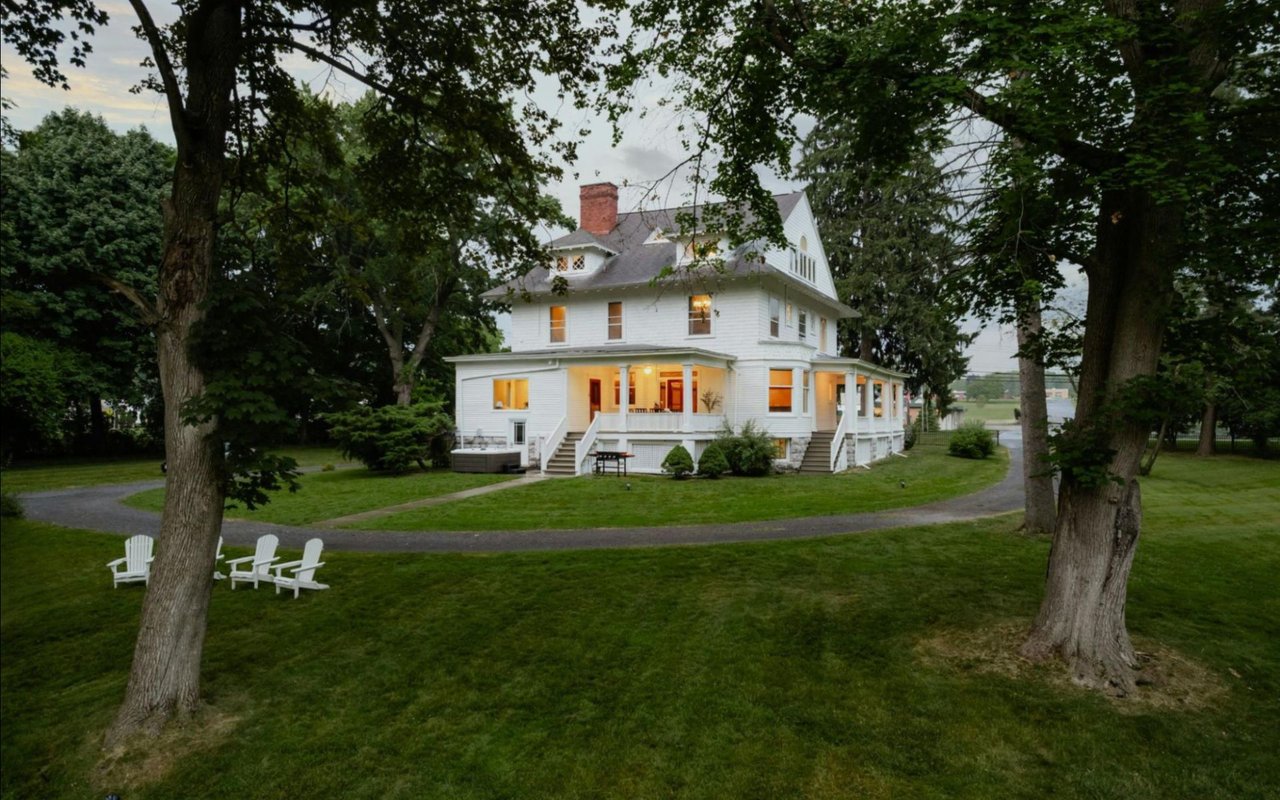
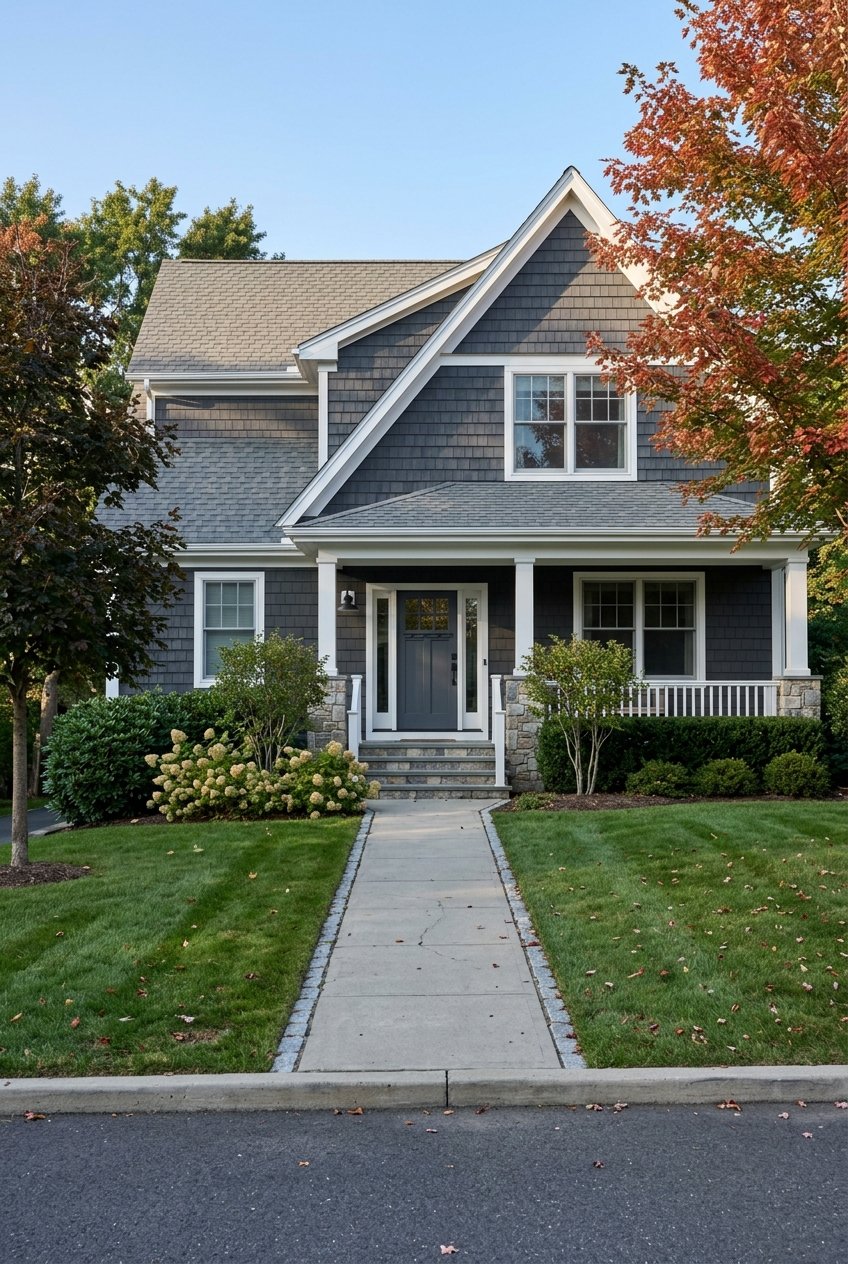
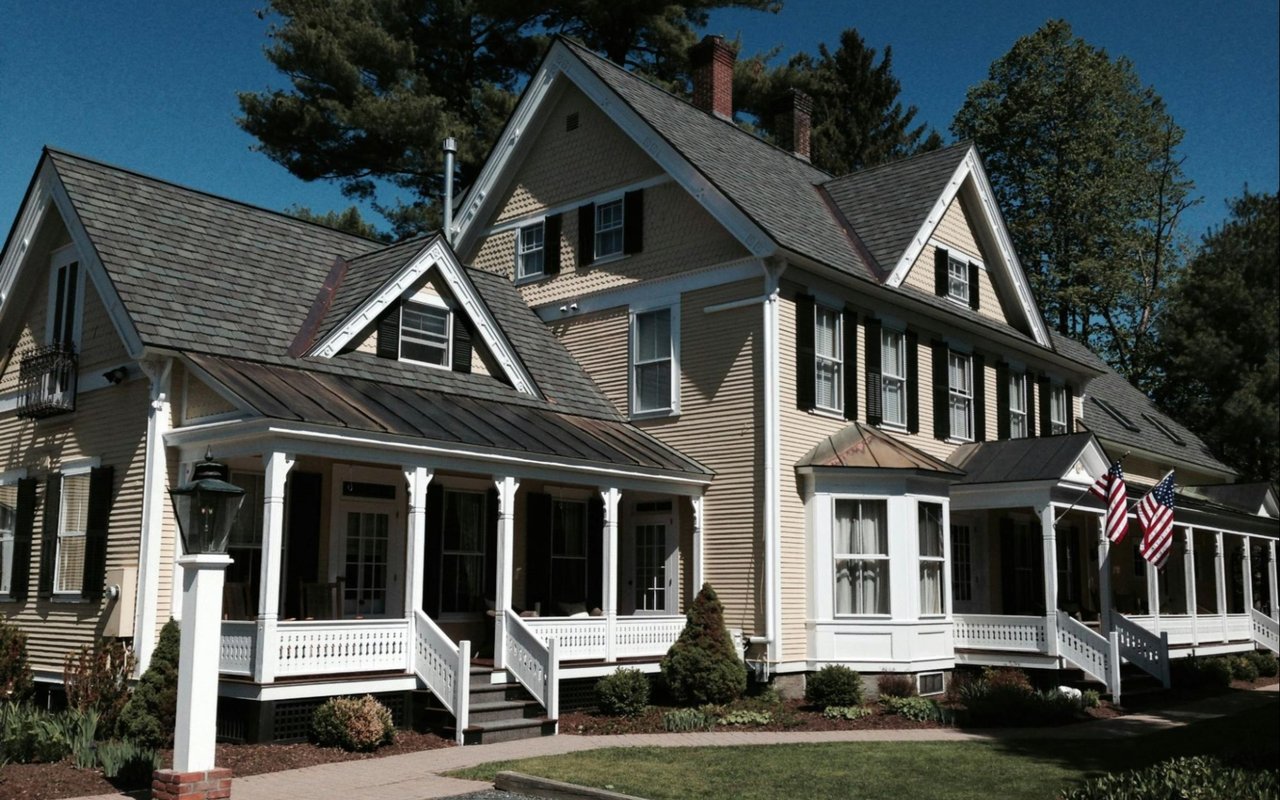
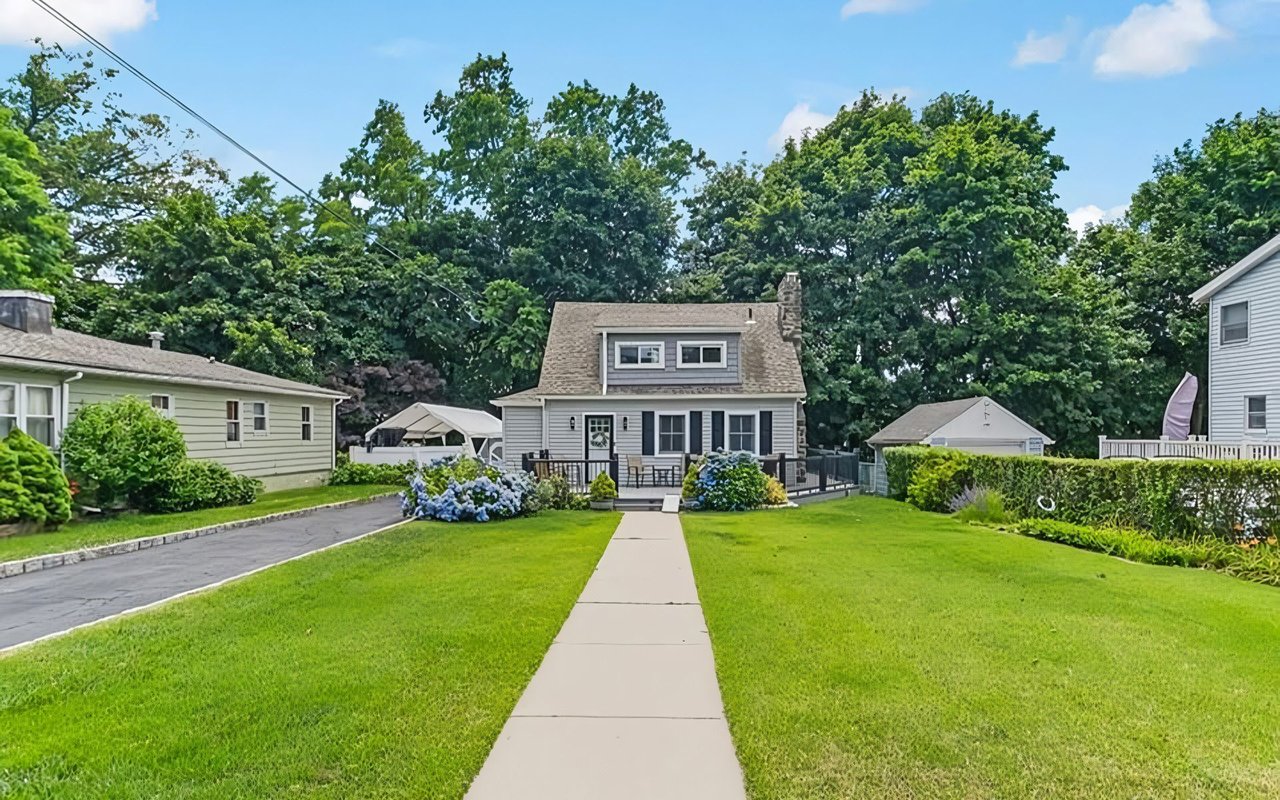
Ossining stands out for range. Village materials describe housing that runs from modest homes to larger estates, and the village also includes multi-family residence districts.
That variety can appeal to buyers at different stages of life. If you are looking for flexibility in home style, budget, or property type, Ossining offers more than a one-note housing story.
Ossining’s Mixed Residential Pattern
Another important point is what is happening in and around downtown. Current redevelopment is adding mixed-use housing and residential rental apartments near Main Street, which reinforces Ossining’s blend of established housing and newer in-town options.
For buyers and renters alike, that can create a more layered housing market. It also supports the village’s connection between downtown living, the station area, and the waterfront.
How Croton-on-Hudson Differs
Croton-on-Hudson also offers housing variety, but its pattern reads differently. Its planning materials describe diverse housing styles shaped by mature trees and winding residential roads.
The village also notes that Harmon includes smaller-scale homes with green streets, while areas like GI Valley and Wolf Road reflect post-World War II development. In other words, Croton’s housing story feels more neighborhood-driven and landscape-oriented.
How Tarrytown Differs
Tarrytown combines single-family and multi-family housing as well, but with a slightly different emphasis. Its planning documents point to single-family homes on large parcels in the south end, townhouses and multi-family buildings on former industrial waterfront land, and accessory apartments allowed in single-family zones.
Tarrytown also ties much of its housing context to historic districts and landmark fabric. If Ossining feels broad and evolving, Tarrytown may feel more shaped by a compact historic village core and targeted redevelopment areas.
Commuting From Ossining
All three towns benefit from the Hudson Line, which is one reason they stay high on the list for Westchester buyers. But when you compare them closely, the biggest differences are often the added transit connections.
Ossining’s station includes Bee-Line service and the Haverstraw-Ossining Ferry. That ferry connection gives Ossining a transit layer the others do not share in the same way.
Croton-Harmon’s Added Connection
Croton-Harmon also has Bee-Line connections, but its notable extra is Amtrak service. For some buyers, especially those who value broader regional rail options, that can be a meaningful distinction.
Tarrytown’s Transit Mix
Tarrytown’s station offers Bee-Line connections and Hudson Link service. Depending on your commute pattern, that bus connection may be part of the appeal.
For many buyers, the key takeaway is simple: all three towns work for Hudson Line commuters, but Ossining is especially notable for combining rail with ferry access.
Ossining Waterfront Compared
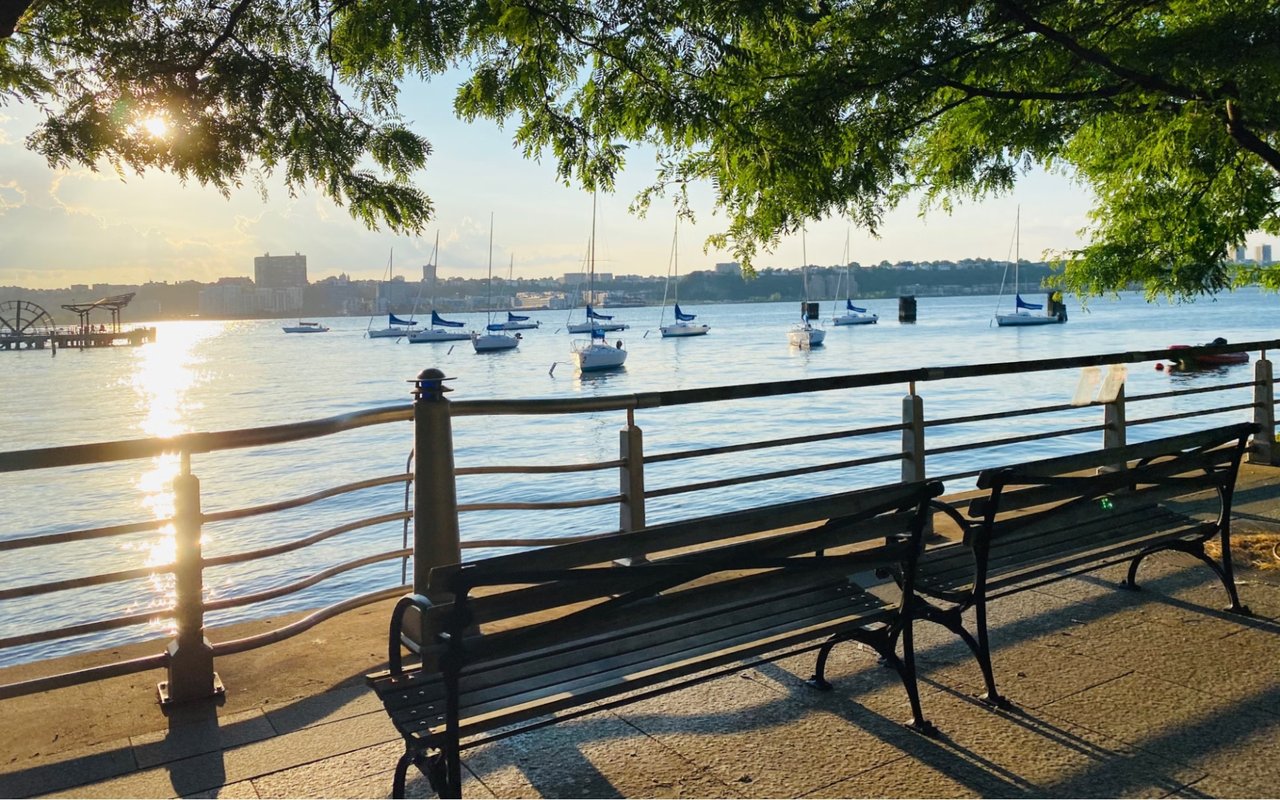
Ossining’s waterfront is concentrated and redevelopment-oriented. The village’s Waterfront Access & Trail Plan covers three miles of Hudson River waterfront and identifies places such as Louis J. Engel Park, the Ossining Boat & Canoe Club, Ossining Dock, Harbor Square, and marina areas.
That creates a waterfront identity that is not just scenic, but actively being shaped through planning. Village materials also show that downtown and waterfront improvements are being considered together, which is a defining part of Ossining’s appeal.
Croton’s Park-and-Trail Feel
Croton-on-Hudson offers a different waterfront experience. Its parks system stretches across both the Hudson River and the Croton River, with places like Senasqua Park, Croton Landing Park, Echo Canoe Launch, and Silver Lake.
Compared with Ossining, Croton’s waterfront feels more park-centered and trail-oriented. If you are drawn to open green space and a riverfront recreation network, that may stand out.
Tarrytown’s Linked Shoreline Parks
Tarrytown’s waterfront is built around a connected park system. Village-maintained spaces include Losee Park, Pierson Park, and RiverWalk Park, and the village also provides kayak launch access and storage racks.
The RiverWalk Connection Project is intended to link shoreline segments and improve pedestrian connections toward the train station. That makes Tarrytown’s waterfront feel especially organized around connected public access.
Downtown Character in Ossining
One of Ossining’s strongest differentiators is how closely its downtown, station area, and waterfront fit together. Village planning materials describe a walkable, historic Main Street corridor tied directly to the waterfront.
The Aqueduct Hub planning effort emphasizes mixed-use development, parking and transit improvements, and a multi-modal hub designed to fit Main Street’s historic character. For buyers who want a place where daily convenience and village setting overlap, this is a big part of Ossining’s identity.
Croton’s Multiple Commercial Centers
Croton-on-Hudson has commercial activity too, but it is spread across several areas rather than centered on one classic downtown corridor. The village identifies Upper Village, North Riverside, Municipal Place, and South Riverside/Harmon shopping as its main commercial areas.
That can create a more distributed feel. Instead of one tightly focused Main Street experience, Croton functions through several local centers.
Tarrytown’s Main Street Focus
Tarrytown’s downtown identity is more directly Main Street-centered. Village materials describe a vibrant downtown, pedestrian-friendly streetscape work, and a restaurant-and-shop core tied to its historic village fabric.
If you are comparing the two, Tarrytown may feel more traditionally compact and retail-focused, while Ossining stands out for the relationship between Main Street, the station, and an evolving waterfront.
What Makes Ossining Distinct
If you step back and compare the three towns side by side, Ossining’s identity comes into focus. It is not just a Hudson River town with a train station. It is a village where the historic downtown, transit access, and waterfront planning are unusually interconnected.
Croton-on-Hudson leans more toward neighborhoods, landscape, and park-oriented river access. Tarrytown combines a compact downtown with a linked shoreline park system. Ossining, by contrast, offers a broader housing mix and a village structure where Main Street and the waterfront are being shaped together.
That does not make one town better than another. It means Ossining may be the right fit if you want variety in housing, a historic downtown setting, and a riverfront area that plays a visible role in the village’s future.
How To Choose Between These Towns
If you are trying to narrow your search, start with the questions that affect daily life most:
- Do you want a wider range of housing types, including multi-family and mixed-use options?
- Do you prefer a downtown tied closely to the waterfront?
- Would ferry access add value to your commute options?
- Are you looking for a village feel shaped by both historic character and ongoing redevelopment?
If you answer yes to most of those, Ossining deserves a close look. If you are drawn more to dispersed neighborhood centers and park-focused waterfront space, Croton-on-Hudson may feel like a better match. If you want a compact Main Street environment with linked shoreline parks, Tarrytown may rise to the top.
Choosing between Hudson River towns is rarely just about distance on a map. It is about how you want to live day to day. If you are weighing Ossining against nearby river towns, the right guidance can help you compare not just listings, but the feel and function of each community. The Nancy Kennedy Team can help you evaluate your options with local insight and a clear plan.
FAQs
How does Ossining compare to Croton-on-Hudson for housing?
- Ossining offers a broad housing range, from modest homes to larger estates, along with multi-family districts and new mixed-use residential development near Main Street, while Croton-on-Hudson is described more through neighborhood character, mature trees, and varied residential sections.
How does Ossining compare to Tarrytown for downtown feel?
- Ossining’s downtown is defined by a historic Main Street tied closely to the waterfront and station area, while Tarrytown has a more explicitly compact Main Street core with shops, restaurants, and pedestrian-focused streetscape improvements.
What makes Ossining different for commuting?
- All three towns are on Metro-North’s Hudson Line, but Ossining stands out for combining train access with Bee-Line service and the Haverstraw-Ossining Ferry.
How does Ossining’s waterfront compare to other Hudson River towns?
- Ossining’s waterfront is concentrated and redevelopment-oriented, with planning focused on parks, docks, marina areas, and stronger links to downtown, while Croton-on-Hudson and Tarrytown are more centered on park and trail systems.
Is Ossining a good option if you want housing variety?
- Ossining may appeal to buyers who want a wider mix of home types because village materials describe options ranging from modest homes to estates, plus multi-family districts and newer mixed-use residential projects.
Which Hudson River town has the most connected downtown and waterfront?
- Based on village planning materials, Ossining stands out for how closely its historic Main Street, station area, and waterfront planning are linked together.