If your workweek depends on a reliable commute, where you buy matters just as much as what you buy. In Croton-on-Hudson, that decision often comes down to a practical balance of train access, parking logistics, and day-to-day lifestyle. If you are considering a move here, this guide will help you think through the real commute questions that shape smart homebuying decisions. Let’s dive in.
Why Croton-on-Hudson Works for Commuters
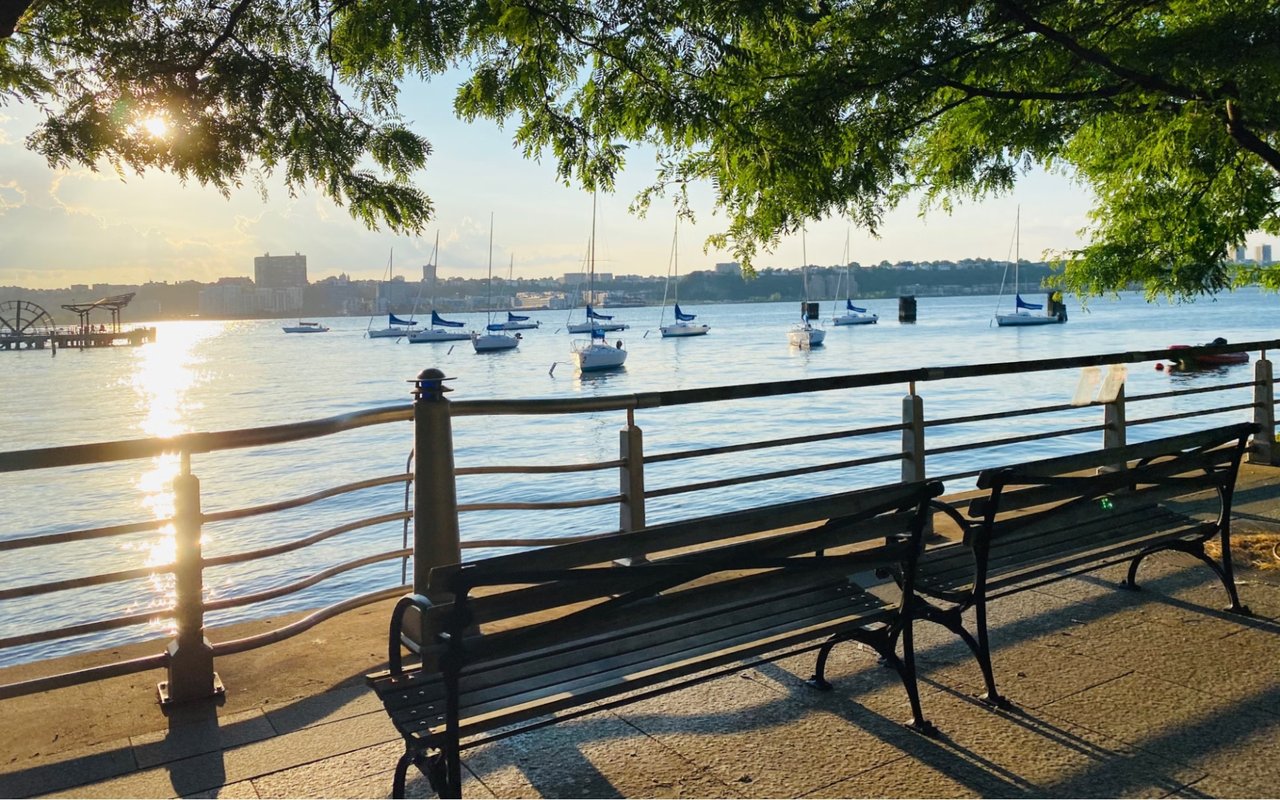
Croton-on-Hudson offers something many buyers are looking for: direct commuter rail access paired with a scenic Hudson River village setting. The village highlights its riverfront parks, neighborhood parks, and trail system as major local amenities, which adds a strong lifestyle benefit beyond the work trip itself.
For many buyers, Croton can also support more than one commute pattern. Third-party route planners estimate the drive to Grand Central at roughly 35 miles and about an hour, while White Plains is much closer at about 16 to 18 miles and roughly 23 to 38 minutes depending on destination and traffic.
That flexibility matters if your household splits time between Manhattan and Westchester. Instead of choosing between a train town and a suburban base, you may be able to get both in one location.
Train Access Starts With Croton-Harmon
Croton-Harmon is the village’s main commuter anchor. It serves as both an Amtrak and Metro-North station, and the current Hudson Line timetable shows weekday and weekend service between Croton-Harmon and Grand Central or Harlem-125th Street.
A useful rule of thumb is that the rail trip between Grand Central and Croton-Harmon is about 50 minutes. That said, actual travel time can vary by train, so it is worth checking the departure pattern you would most likely use during your workweek.
For buyers who plan to commute regularly, fare costs should be part of the budget conversation early. In the published fare table, Croton-Harmon is in Hudson Line Zone 5, with a monthly fare of $299.75, a weekly fare of $106.50, and one-way peak and off-peak fares of $15.25 and $11.25.
Parking Can Shape Your Buying Decision
For many Croton buyers, the biggest hidden commute variable is not the train. It is parking. The Village of Croton-on-Hudson owns and operates the Croton-Harmon station lot, which has 2,000 spaces, along with four municipal lots in the Upper Village and Harmon areas.
That sounds simple on the surface, but the details matter. Daily parking is available in Section H and the Overflow Lot in Section A, with weekday daily rates of $12 per calendar day and weekend daily rates of $7 per calendar day.
Quarterly permits are also available, but pricing and access vary by category. Effective June 1, 2025, resident permits are listed at $219 per quarter by check or $225 by credit card, non-resident permits at $321 or $330, and preferred permits at $471 or $484.
Preferred permits guarantee a space in Section E, while other permit types have different access rules. Parking is still first come, first served in the designated areas, so the type of permit you hold can affect your day-to-day experience as much as the sticker price.
What Buyers Need to Know About Permit Rules
If you are moving to Croton-on-Hudson from outside the village, permit timing deserves extra attention. The village says the wait for a non-resident or preferred permit is a minimum of one year, which can affect how you plan your commute during your first phase of ownership.
There are also administrative rules that can catch buyers off guard. Permits are valid only for the license plates on file, resident applicants must provide current car registrations showing a village address, and all outstanding village tickets must be resolved before a permit will be issued.
Demand remains strong. In one quarterly village report, the station lot recorded 44,850 daily transactions, and the village noted that it had converted more than 40 spaces from permit parking to daily parking to help meet demand.
Station Distance Is Only Part of the Story
It is easy to assume that buying as close to the station as possible is always the best move. Sometimes that is true, especially if you want to simplify your morning routine and reduce your dependence on driving.
But in Croton-on-Hudson, the smartest choice depends on how you will actually commute. Many streets in the Upper Village and near the station have parking prohibitions or time limits, so a home that looks close on a map may still come with practical constraints.
That is why commute-first buyers should think beyond raw mileage. You want to consider how easily you can get to the station, whether you will walk or drive, and what your backup plan looks like if your daily routine changes.
How to Weigh Home Search Tradeoffs
If your top priority is a smooth commute, focus on homes that make station access straightforward. That could mean easier walking access, a simpler drive to the station, or a setup that reduces your need to rely on complicated street parking rules.
If your top priority is getting more house for your budget, moving farther from the station may make sense. Just remember to build the parking math into your decision, including quarterly permit costs, daily parking rates, and the possible wait for certain permit types.
For many buyers, the right answer is a middle ground. A slightly longer trip to the station may be worth it if you gain the home size, layout, or outdoor space you want without giving up the commuter benefits that brought you to Croton in the first place.
Lifestyle Value Beyond the Commute
A good commuter town should work after business hours too. Croton-on-Hudson’s appeal is not just about getting to work. It is also about what your everyday life feels like when you get home.
The village highlights a park network that includes riverfront and neighborhood parks such as Croton Landing and Senasqua, along with its village trail system. For many buyers, that mix of outdoor access, scenic surroundings, and commuter rail service is the real value proposition.
This is especially important if you are comparing Croton with other locations based only on train time. Two places can offer a workable commute, but the way you live between those trips can feel very different.
A Smarter Way to Buy in Croton
The best Croton-on-Hudson home for a commuter is not always the one nearest the tracks. It is the one that fits your actual schedule, your parking needs, and the lifestyle you want to build in Westchester.
That means looking at each home through a practical lens. How will you get to Croton-Harmon on a normal Tuesday? What will parking cost you over time? If your job location changes between Manhattan and White Plains, will the home still work?
When you answer those questions early, you can shop with more confidence and avoid surprises after closing. In a market like Croton-on-Hudson, that kind of planning can make a real difference.
If you want help comparing neighborhoods, commute patterns, and buyer options in Croton-on-Hudson, the Nancy Kennedy Team can help you navigate the process with local insight and a steady, experienced approach.
FAQs
How long is the Croton-on-Hudson commute to Manhattan?
- A commonly cited estimate is about 50 minutes by rail between Grand Central and Croton-Harmon, but actual timing varies by train and schedule.
What should Croton-on-Hudson buyers know about station parking?
- The village operates a 2,000-space station lot with daily parking and quarterly permits, but permit type, section access, and wait times can affect how convenient parking feels.
What are Croton-Harmon parking rates for commuters?
- The village lists weekday daily parking at $12 per calendar day and weekend daily parking at $7 per calendar day, with separate quarterly permit options for residents, non-residents, and preferred parking.
Can non-residents get a Croton-Harmon parking permit?
- Yes, but the village says the wait for a non-resident or preferred permit is a minimum of one year.
Is Croton-on-Hudson a good option for White Plains commuters?
- It can be, since third-party route planners estimate the drive to White Plains at about 16 to 18 miles and roughly 23 to 38 minutes depending on traffic and destination.
Why does home location matter so much for Croton commuters?
- Proximity to the station is only one factor, because on-street parking rules, permit eligibility, and the ease of getting to Croton-Harmon can all affect your daily routine.