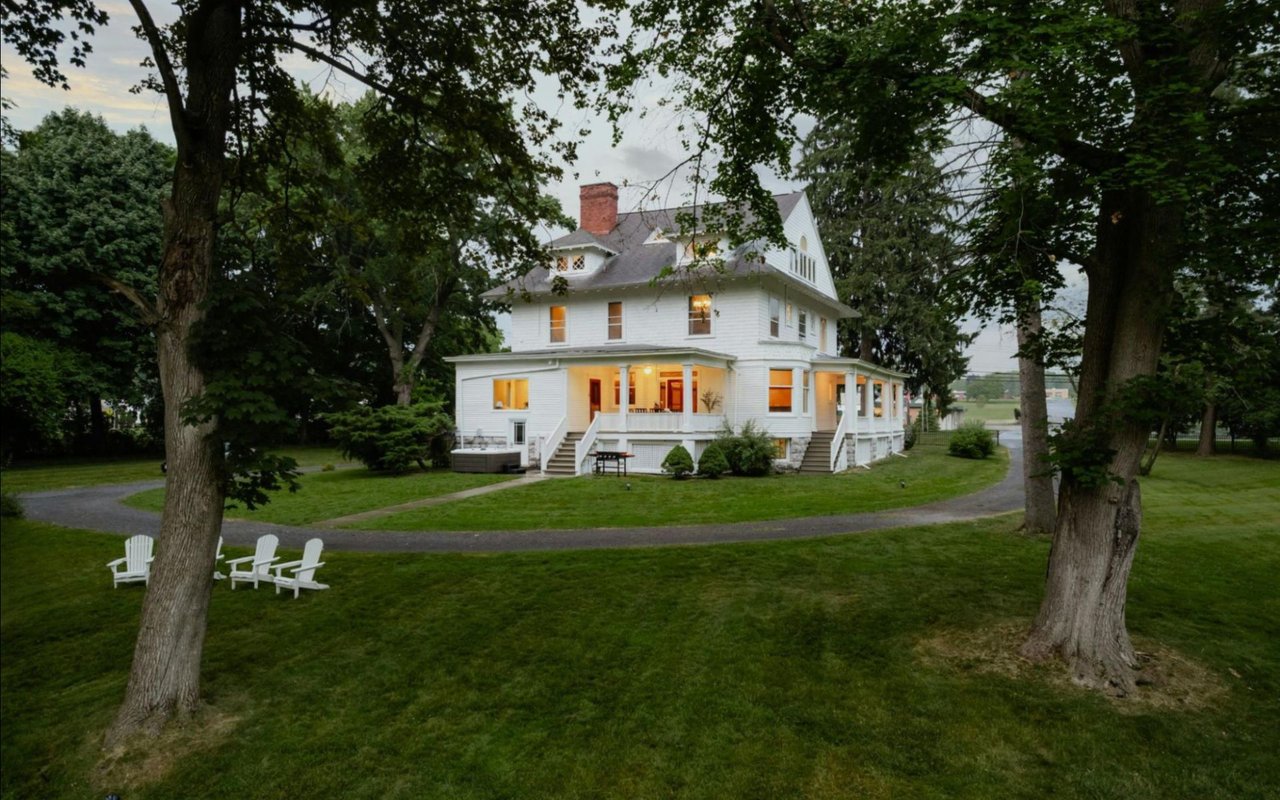
Most renovation advice is written for a house that doesn't exist in Cortlandt. It assumes municipal water, municipal sewer, a flat quarter-acre lot, and a building department that stamps permits without asking questions. Cortlandt is not that town.
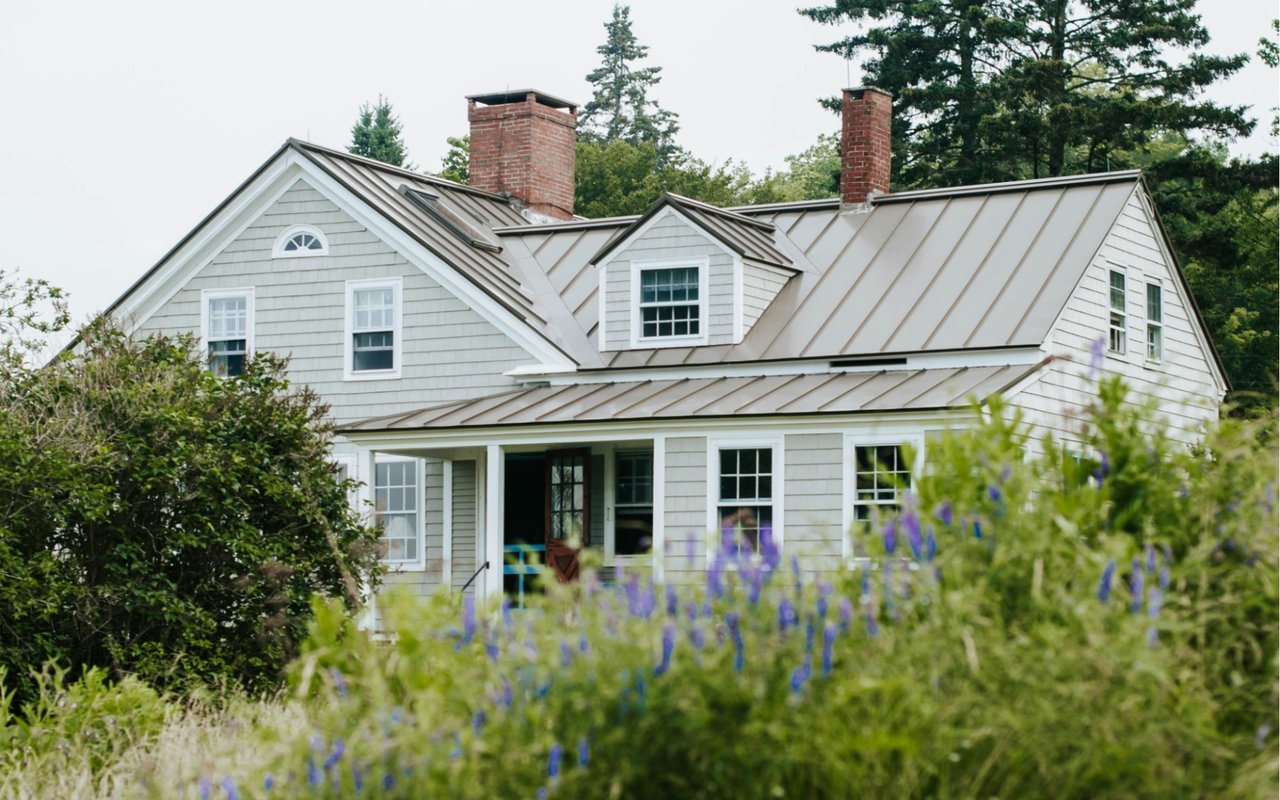
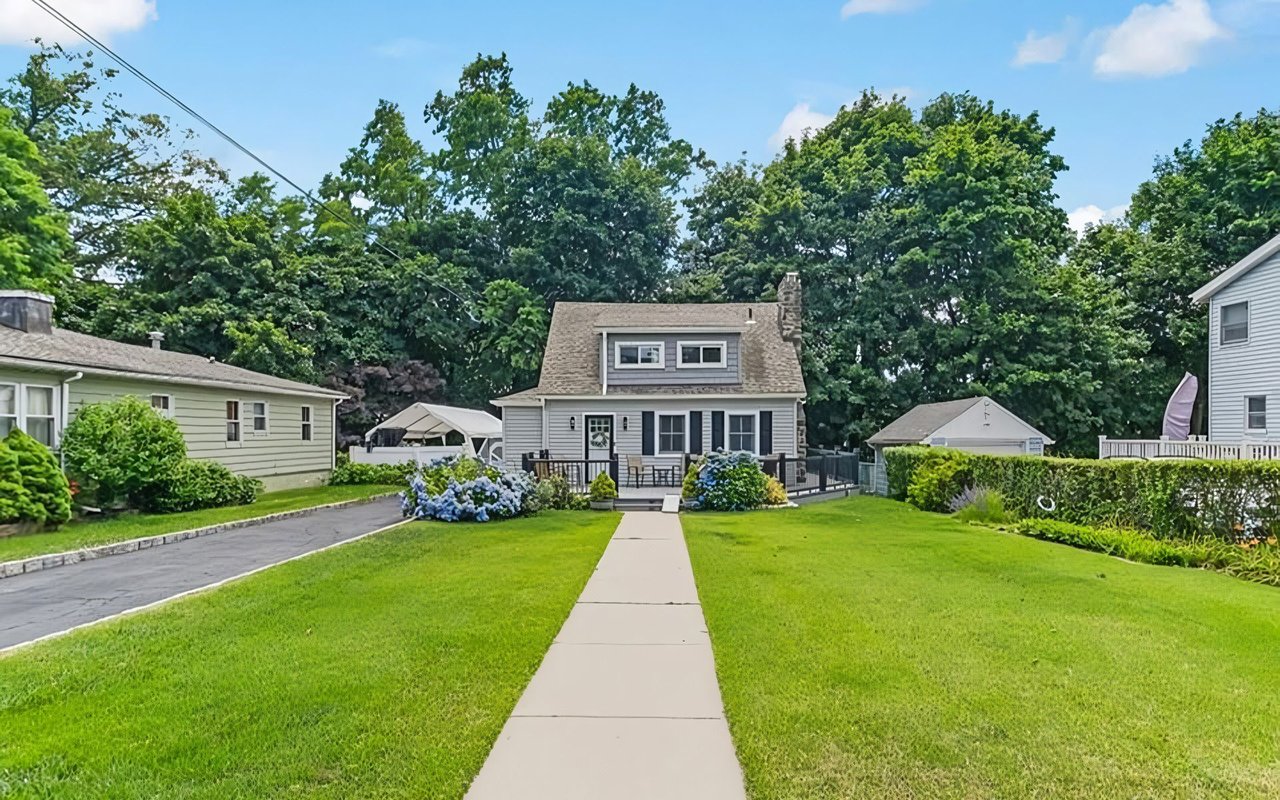
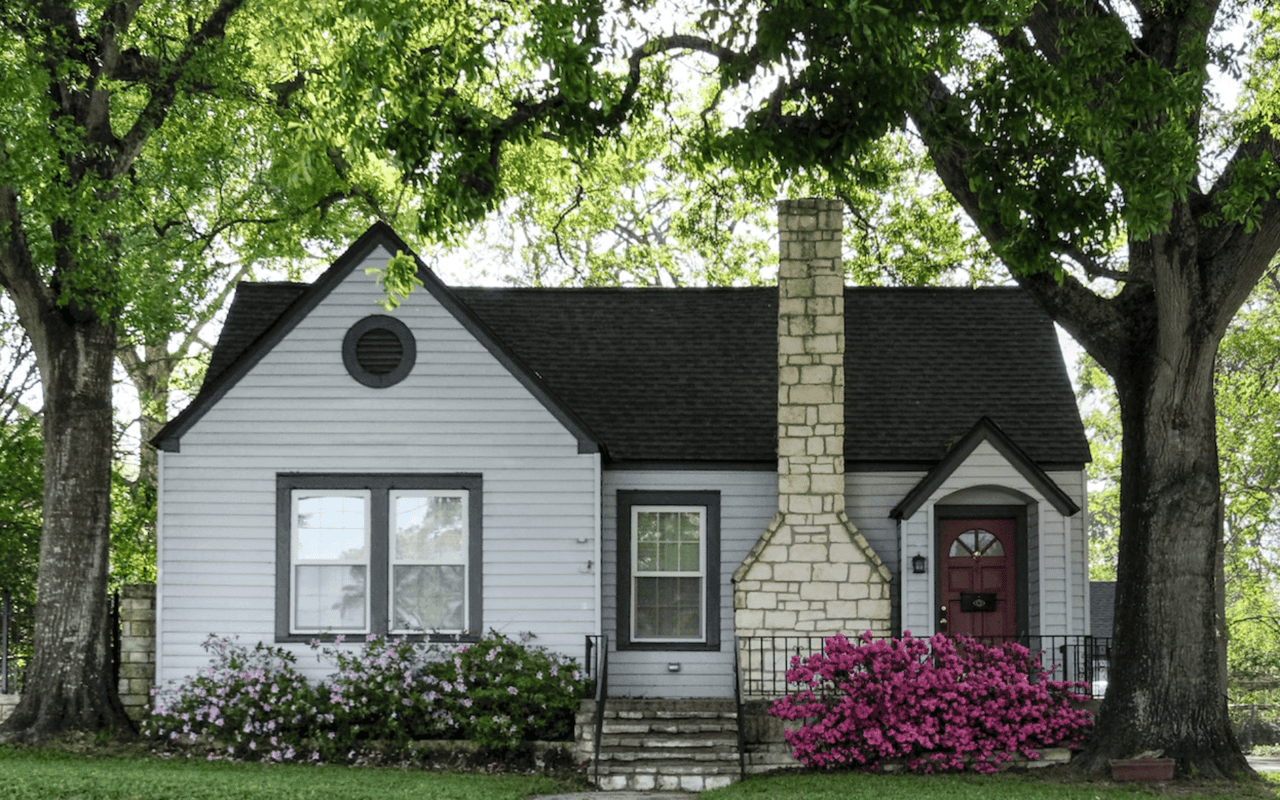
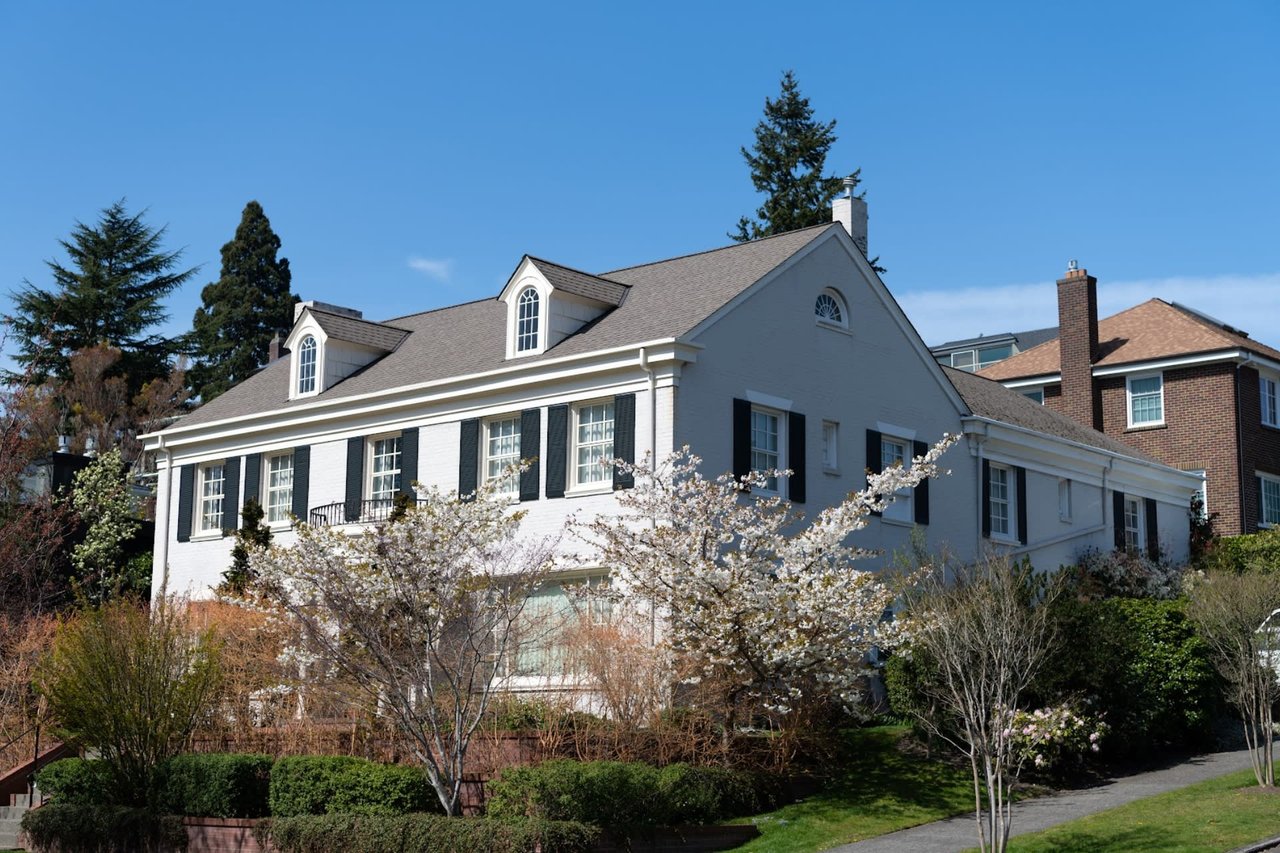
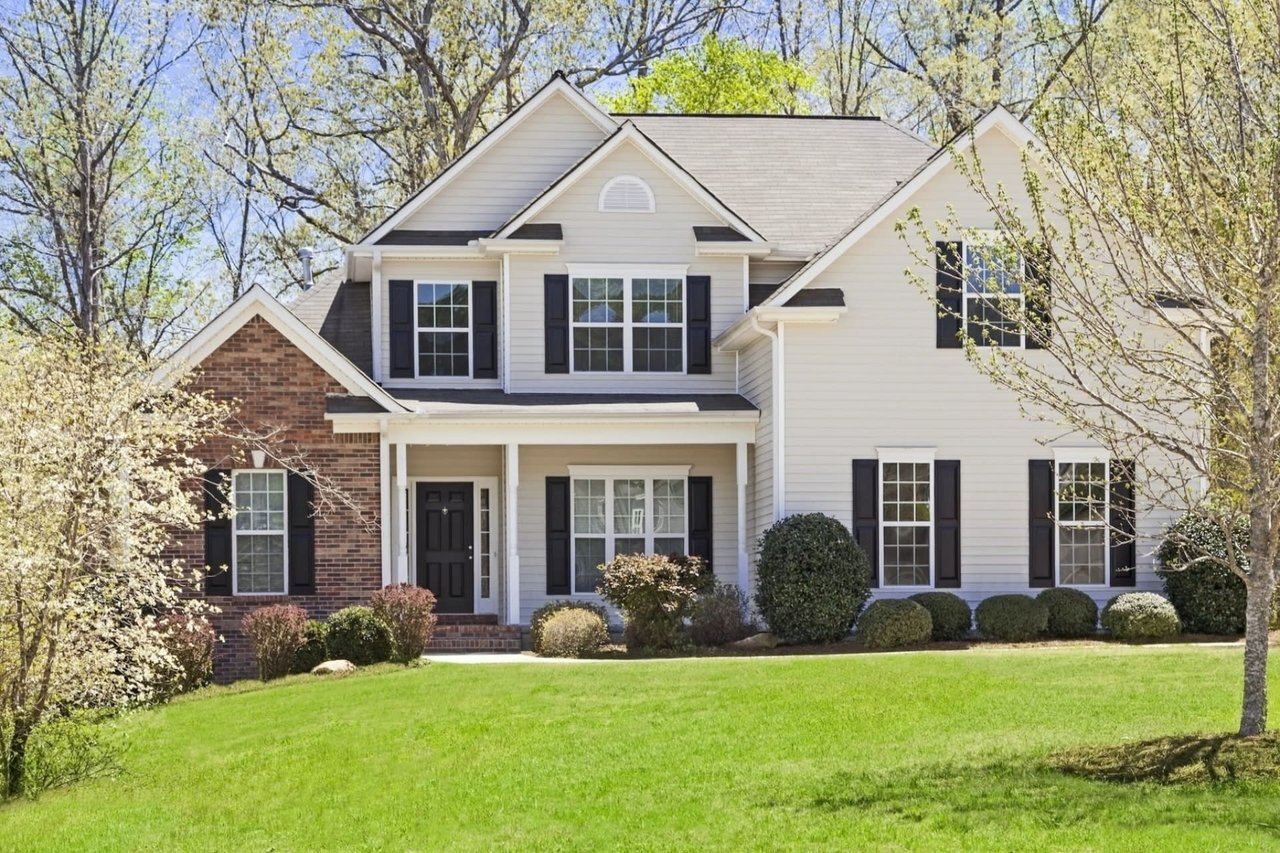
Roughly 38% of the housing stock here was built between 1940 and 1969, with another 14% predating 1940 and about 36% going up between 1970 and 1999. Only around 12% of homes were built in 2000 or later. In practice, that means most Cortlandt Manor sellers are renovating a mid-century colonial, ranch, or split-level on an acre or more, or an older farmhouse that has been added onto three times. A meaningful share of those homes sit on well and septic, a large portion of the town falls inside the New York City Croton Watershed, and northern Westchester bedrock has a way of turning a straightforward excavation into a line item involving explosives.
None of that is a reason to skip the renovation. With a median sale price in the $685,000 to $750,000 range and the Zillow Home Value Index for 10567 hovering around $699,000, up roughly 8% year over year, there is real value to protect and real value to add. Well-prepared homes in this market are going to contract in 20 to 29 days on average. It just means the sequence matters. The constraint has to be understood before the design, because in Cortlandt Manor the constraint is usually what determines whether a project pencils out at all.
Here are the seven upgrades that consistently earn their keep in this market, and what each one actually involves on a Cortlandt parcel.
1. Renovate the kitchen, but be honest about which renovation
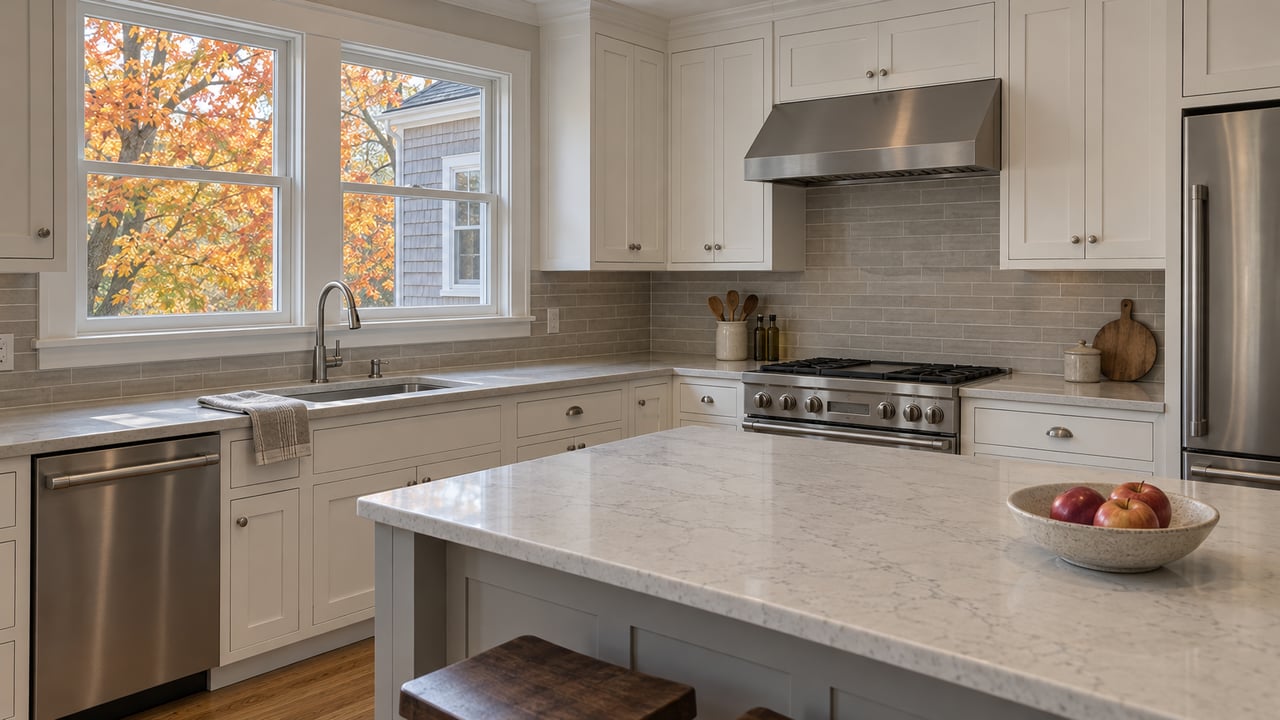
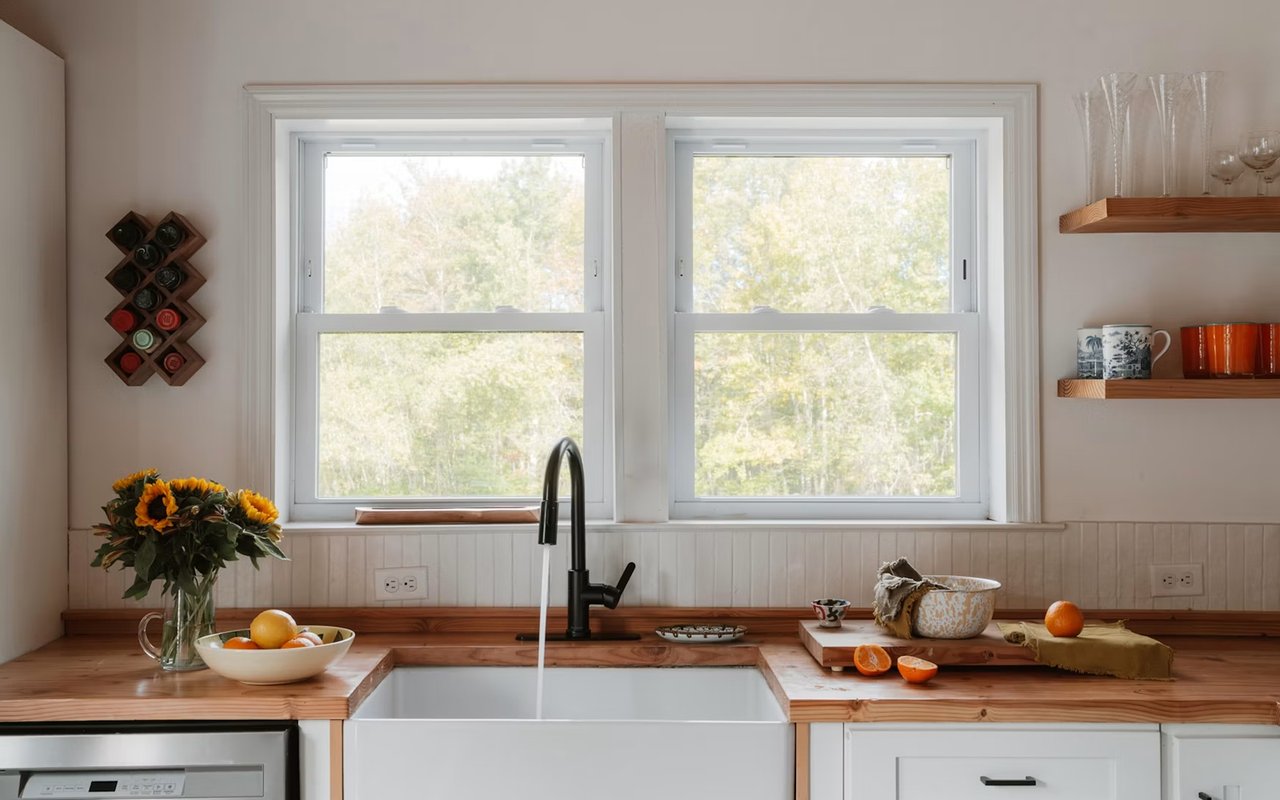
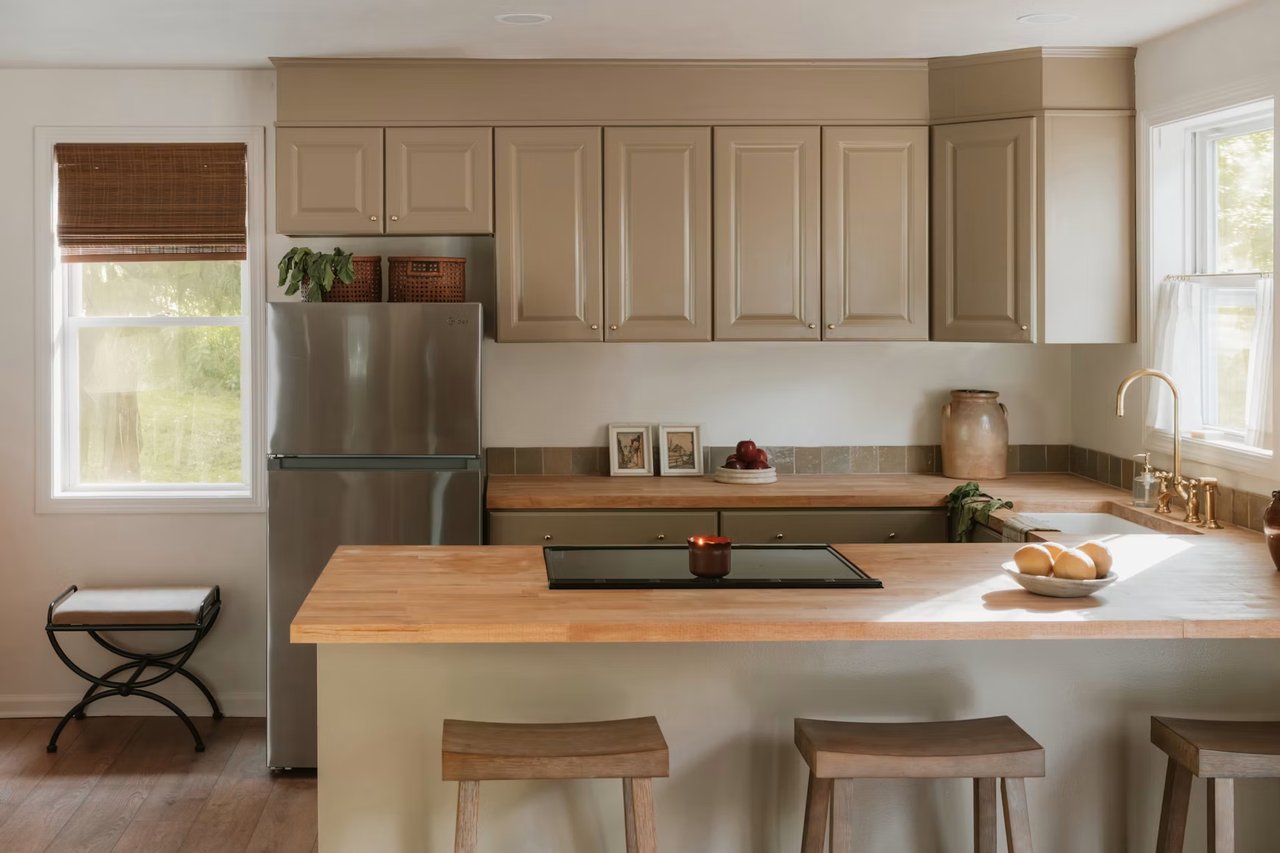
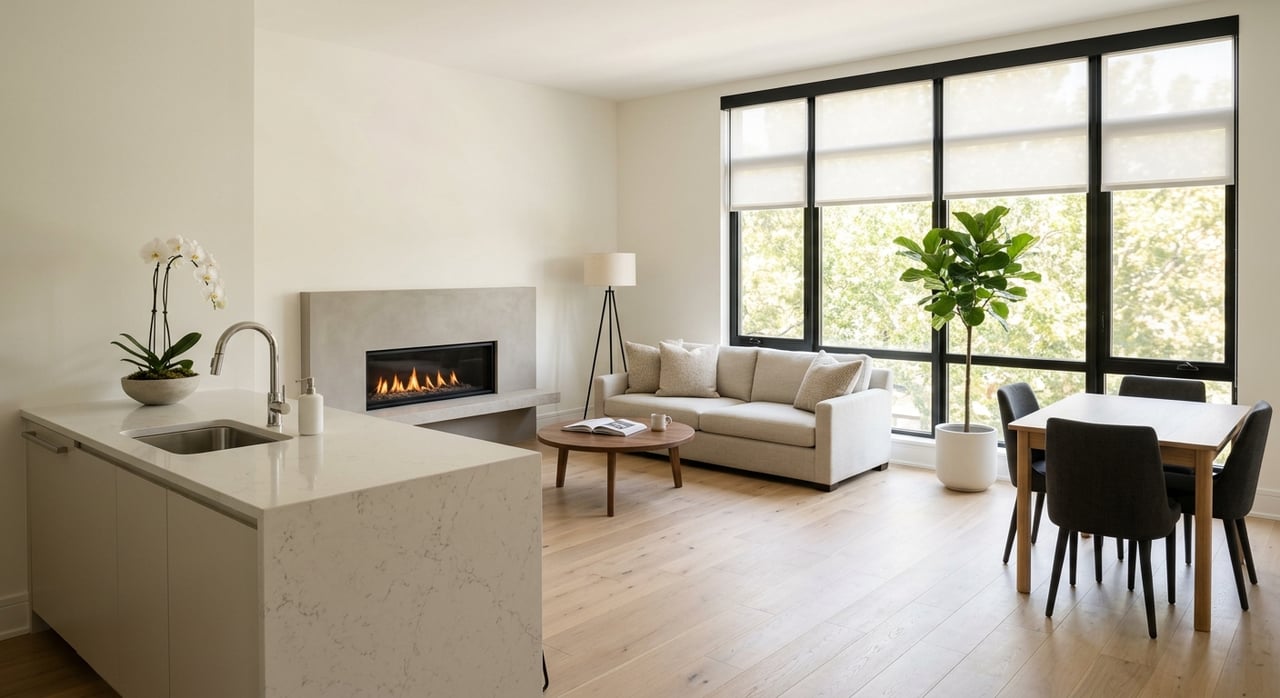
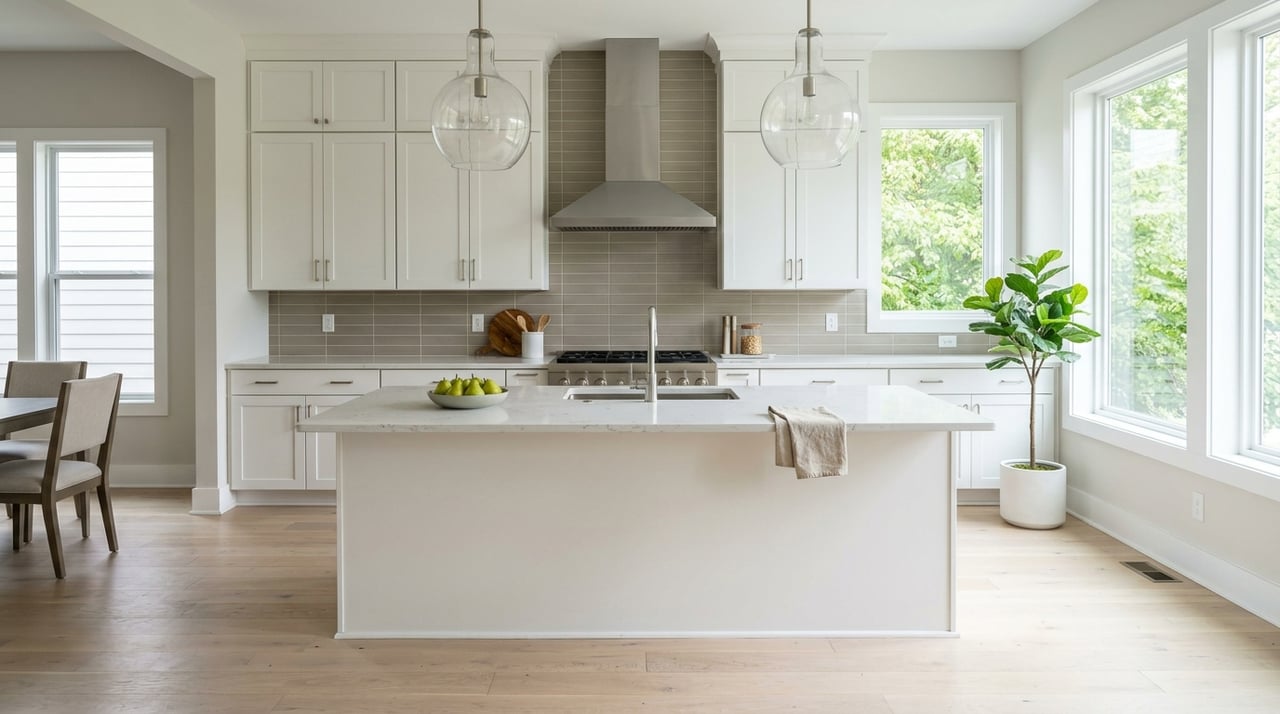
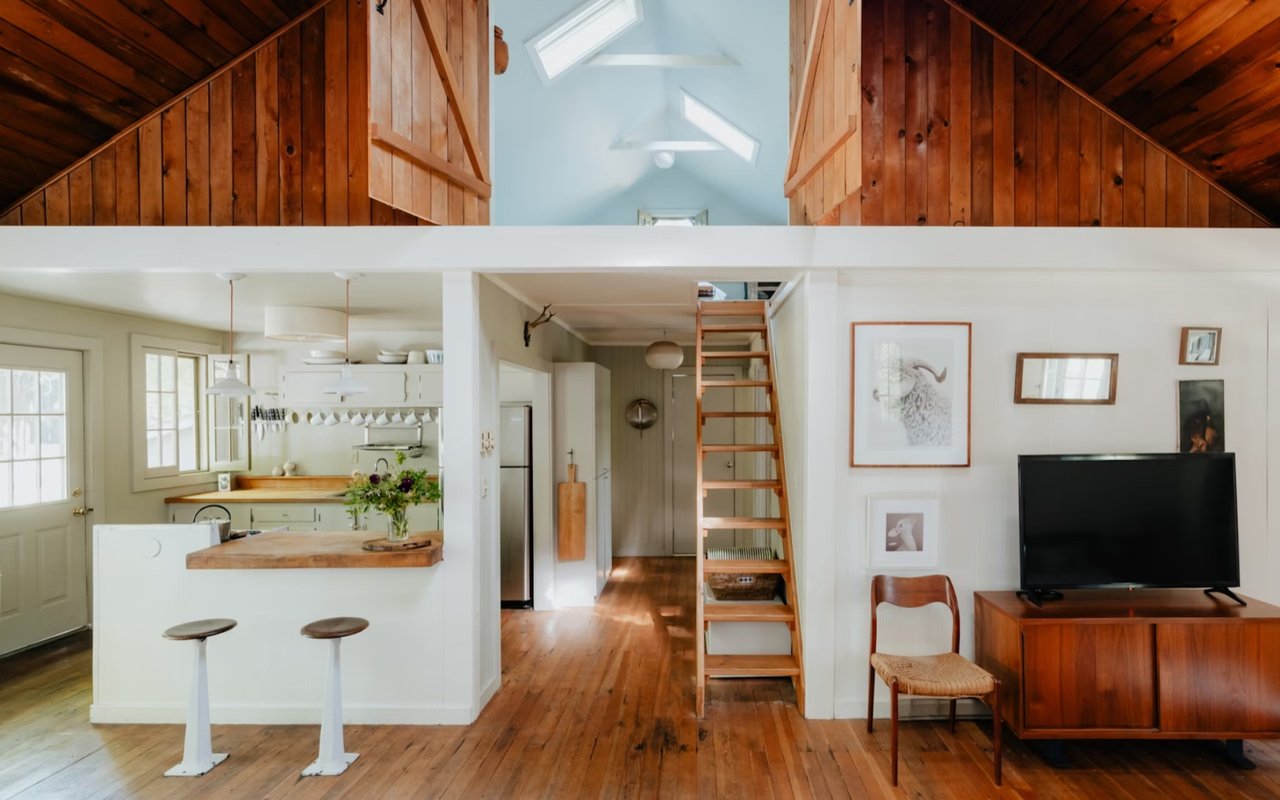
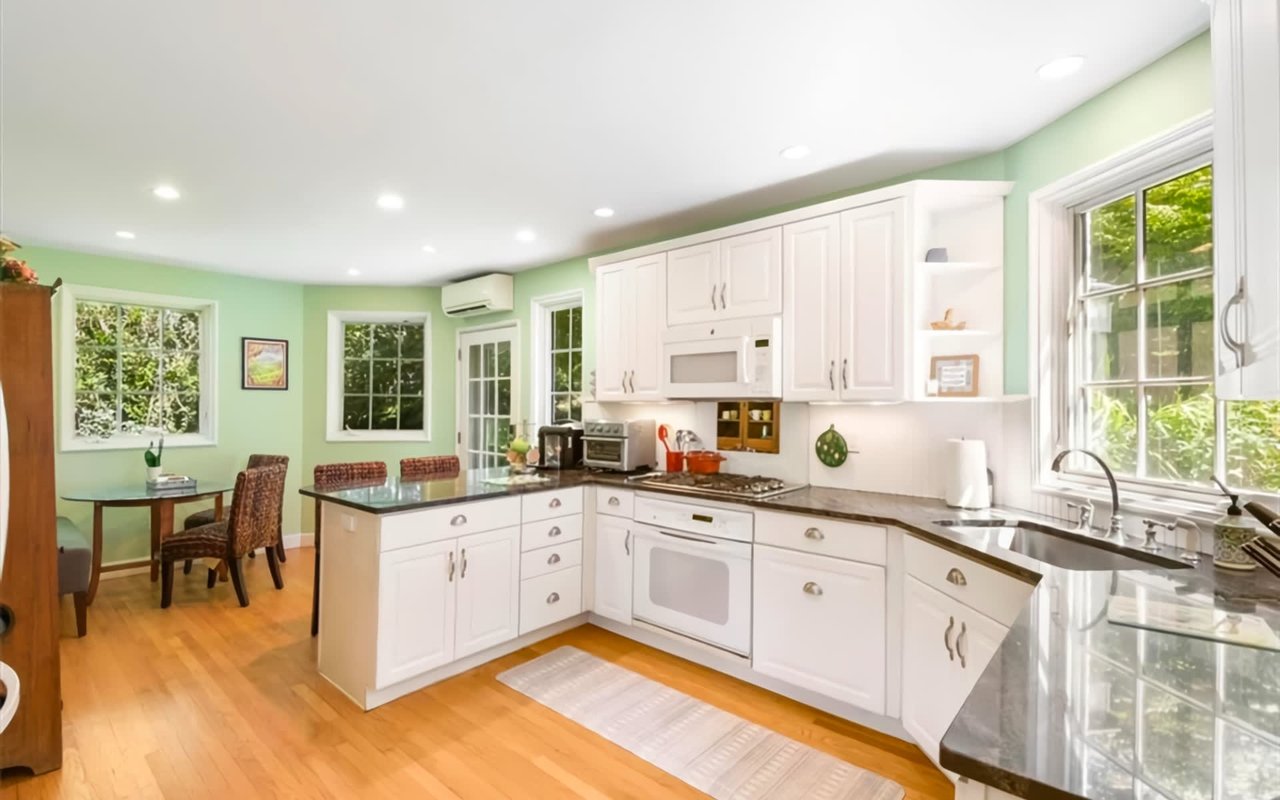
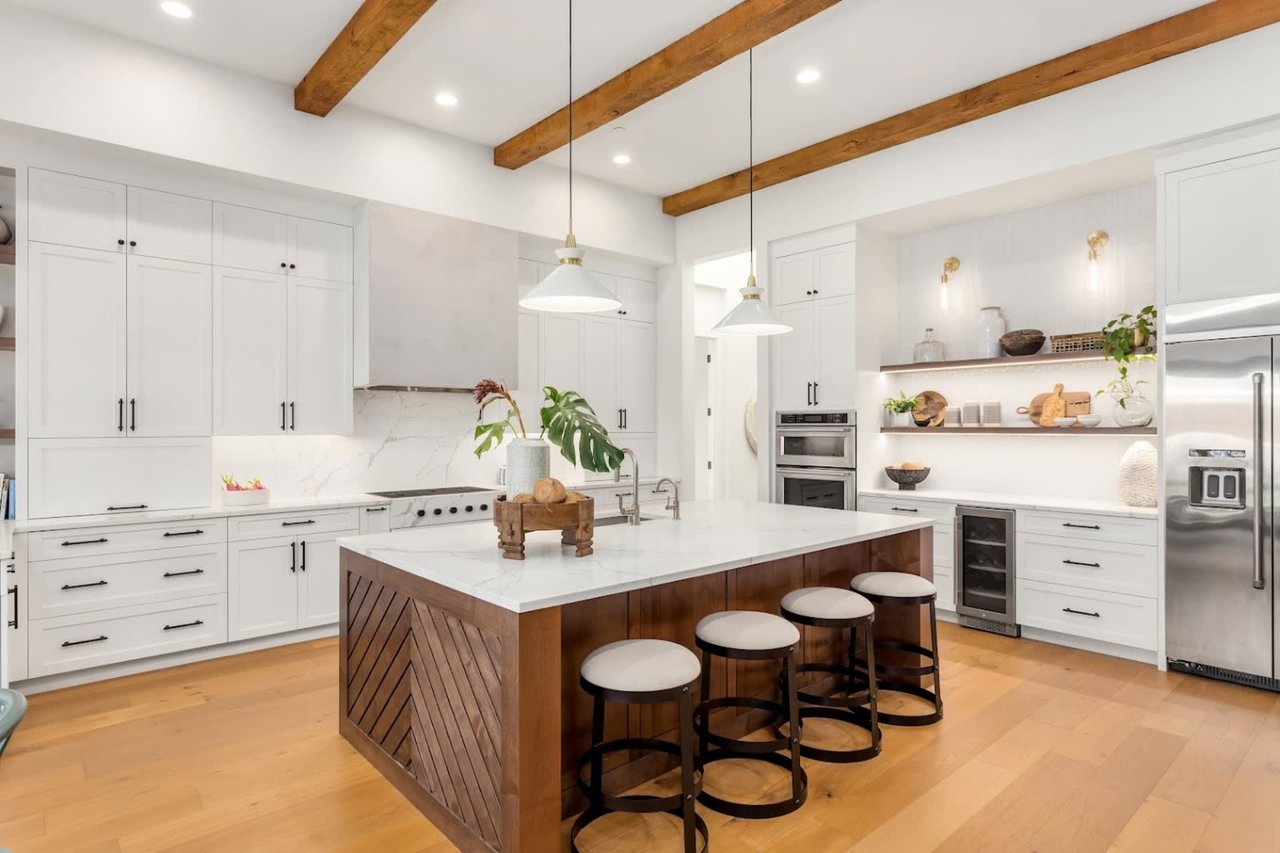
The kitchen is the first room buyers form an opinion about, and in a mid-century Cortlandt house it is often the room fighting hardest against the way people live now. Those floor plans were designed around a closed kitchen, a formal dining room, and a wall between them. Buyers today walk in and immediately start imagining that wall gone.
Sometimes that instinct is right. Often it is expensive. Here is what the numbers look like regionally, and the pattern is worth sitting with:
A major midrange kitchen remodel in the New York metro area runs somewhere around $88,000 to $95,000 and typically recoups about 48% to 52% at resale. Go upscale, with full custom cabinetry and professional appliances, and you are looking at $165,000 to $180,000 or more, recouping roughly 38% to 42%. But a minor midrange remodel, meaning cabinet refacing or replacement, new countertops, updated fixtures, and appliances without moving a single wall, costs in the neighborhood of $28,000 to $35,000 and recoups somewhere between 75% and 85%.
That last figure is the one most sellers overlook. In Westchester specifically, a midrange major remodel with layout changes tends to land between $65,000 and $95,000, while high-end work with load-bearing structural changes and premium appliances runs $120,000 to $200,000 and up. (Cost-versus-value figures are updated annually and vary by contractor, so confirm current numbers before budgeting.)
The strategic read is this. If you are renovating to sell within a year, the cosmetic refresh is almost always the better financial decision. If you are staying five years and the closed-off kitchen is genuinely making the house less enjoyable to live in, take the wall down and accept that you are buying quality of life with a partial return attached.
If you do take the wall down, it is a structural alteration in the eyes of the Town, and that means a Building Permit through the Code Enforcement Division. You will need sealed structural or architectural drawings specifying the replacement beam, whether LVL, steel, or glue-laminated, along with the load-path framing design that satisfies the NYS Uniform Building Code. Separate electrical and plumbing permits apply if the wall carries outlets, switches, or piping. Two inspections follow: rough framing before drywall goes up, verifying the beam, posts, and temporary shoring, then a final inspection for the Certificate of Compliance.
This is precisely the scope where the contractor versus DIY question answers itself. No inspector in Cortlandt is signing off on an unstamped beam.
2. Add or renovate a bathroom, starting with the septic system
This is the section where Cortlandt diverges most sharply from generic renovation advice, and where I have watched otherwise well-planned projects stall.
If your home is on septic, the first call is not to a designer. It is to find out what your system can handle. Under New York State Department of Health and Westchester County rules, septic systems are sized by bedroom count, not bathroom count, at an assumed 150 gallons per day per bedroom. That is genuinely good news for most bathroom additions. Adding a second full bath does not increase your home's legal occupancy, so it does not automatically increase the system's required liquid capacity.
The qualifier matters, though. High-flow fixtures change the math. A deep soaking tub, a rain head plus three body sprays, a pair of vanity sinks running at once: these raise peak daily flow even if legal occupancy is unchanged. Depending on the age and capacity of your existing tank and absorption field, that can require an expanded system.
Practically speaking, most Westchester building departments will want a Westchester County Health Department septic approval or review before they issue the building permit. If the bedroom count stays the same, WCHD verifies that your existing system is functional, meets current setbacks, and has adequate reserve area. If the project adds a bedroom, or converts a room that a reasonable person would call a bedroom, the process escalates considerably: a formal expansion permit, soil percolation testing, and engineer-designed expansion plans.
That conversion trap catches people. Finishing a bonus room over the garage and adding a bath is often described as "a suite." The Assessor and the Health Department may both read it as a bedroom.
On returns, a midrange bathroom addition in this region runs roughly $60,000 to $68,000 and recoups something like 50% to 53%. Upscale additions run $110,000 to $120,000 with recovery closer to 36% to 40%. Renovating an existing bathroom, rather than adding one, generally performs better because you are not touching the septic question at all.
One more thing, and it is not optional. Westchester County requires septic systems to be pumped and visually inspected by a licensed septage collector within a set window before a property transfer, under the County Sanitary Code. Buyers and lenders will want the signed Septic Location and Inspection Form confirming system location, tank integrity, operational flow, and pumping history. If your system is marginal, you will find out at the worst possible moment unless you find out early. This is one of several reasons a pre-listing inspection is money well spent in this town.
3. Build the outdoor space, after you find out what you're allowed to build
Cortlandt homeowners have land, which is the whole appeal. What they often don't have is unrestricted use of it.
Three separate layers of regulation can apply to a single patio project here. Start with the Town's wetland rules: Cortlandt regulates work within a 100-foot buffer from the edge of any designated wetland, stream, watercourse, or water body. Any land disturbance inside that buffer, including grading, filling, clearing, or construction, requires a Wetland Permit reviewed by the Conservation Advisory Council and Planning Board. Your plans need a formal wetland boundary delineation performed by a certified wetland scientist before you can even apply.
Then there is the watershed layer. Large portions of Cortlandt sit inside the NYC Croton Watershed, which brings New York City Department of Environmental Protection oversight on top of local review. NYC DEP generally prohibits new impervious surfaces within 100 feet of a watercourse or wetland, and within 300 feet of a reservoir or reservoir stem. A Stormwater Pollution Prevention Plan becomes mandatory above certain disturbance thresholds, and the Town's own local threshold is lower than the DEP's, triggering stormwater review for disturbances above roughly 5,000 square feet or for projects adding significant new roof and patio footprint.
The third layer is lot coverage, and this is the one that surprises people with big properties:
Zoning District | Minimum Lot Size | Typical Max Lot / Impervious Coverage |
|---|---|---|
R-80 | ~2 acres | 10% – 15% |
R-40 | ~1 acre | 15% – 20% |
R-20 | ~0.5 acre | 20% – 25% |
R-15 / R-10 | 10,000 – 15,000 sq. ft. | 25% – 35% |
Coverage counts the building footprint plus driveways, patios, pool decks, and sheds. The two-acre R-80 parcel is capped at the lowest percentage, which means large-lot owners frequently have less absolute room to expand than they assume. If your plan pushes total coverage past the cap, you are asking the Zoning Board of Appeals for an area variance, which adds months.
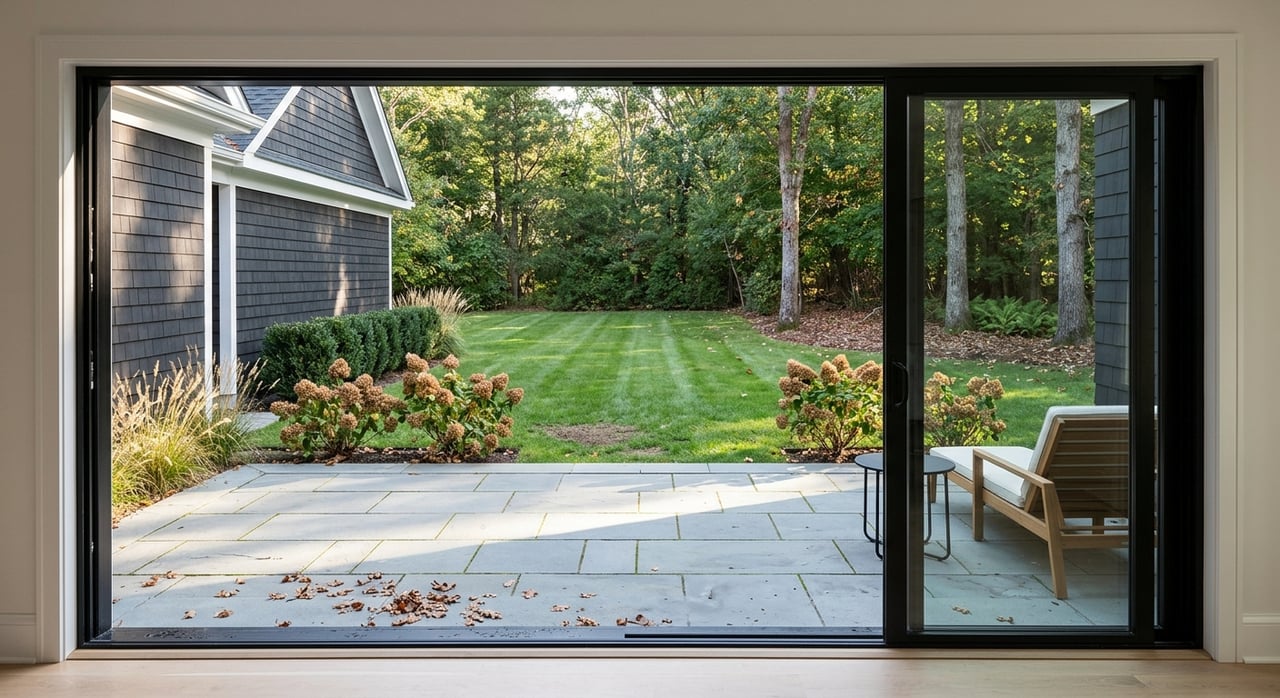
Within those constraints, outdoor living remains one of the strongest value plays in northern Westchester, because the land is the reason people buy here. A well-built stone terrace, an outdoor kitchen, a fire feature, and thoughtful lighting extend the usable house without touching the septic system or the tax card in most cases. Given how much of local life happens outside, from the parks and trails around Cortlandt to the reservoir and river access, buyers here already think of the yard as living space.
On pools, I'll be direct. A fiberglass package runs $90,000 to $140,000 installed in Westchester. Gunite runs $130,000 to $200,000 and up. A full outdoor living build combining pool, patio, and retaining walls lands between $180,000 and $350,000 or more. Local pricing is driven hard by site prep: rock excavation and blasting are routine in northern Westchester, steep topography means structural retaining walls, and septic clearance work adds cost.
Pools are accessory structures requiring a Building Permit, with typical side and rear setbacks of 15 to 30 feet depending on whether you are in R-40, R-20, or R-15, a minimum of 10 to 12 feet from the main foundation, and an absolute prohibition on front-yard placement. NYS code requires a self-closing, self-latching enclosure at least 48 inches high.
Now the honest part. Our swimming season runs roughly Memorial Day to mid-September. Carrying costs, insurance, and maintenance continue year-round. And in a family-driven market, a pool actively narrows your buyer pool, because a subset of buyers with young children will rule out a pool home on sight. A pool can be a wonderful thing to own in Cortlandt. It is rarely a reliable way to make money at resale. Build it because your family will use it for a decade, not because you expect to recover it in twelve months.
4. Create a real home office, ideally out of space you already have
Remote work has settled into a stable pattern rather than a receding one. Among remote-capable professional workers, roughly 50% work hybrid schedules, typically two to three days in the office, another 28% to 32% are fully remote, and only about 21% are fully on-site. More than 46% of remote-capable workers say they would look for a new job if required to return full time. Hybrid is the permanent standard now, not a pandemic artifact.
For Cortlandt, this is not an abstract labor statistic. It is the single biggest reason buyers keep moving north. Peak morning express trains from Croton-Harmon reach Grand Central in about 49 to 53 minutes, with locals and semi-expresses running 60 to 74 minutes and departures roughly every 15 to 20 minutes at rush hour. That commute is very manageable two or three days a week. Five days a week, it is a different life. The hybrid schedule is what makes an acre in Cortlandt Manor competitive against a smaller lot in Rye or Scarsdale, and it is a live consideration for buyers weighing Cortlandt against other Westchester suburbs.
Buyers are paying for it. Homes marketed with a dedicated, finished home office or genuine flex workspace command roughly a 1.5% to 3% premium over comparable homes without one. On a $700,000 Cortlandt house, that is $10,500 to $21,000.
The ROI logic is straightforward. Converting existing space, a den, a formal living room nobody uses, a finished basement alcove, captures nearly all of that premium at modest cost. Building a room addition specifically to serve as an office recoups only about 55% to 60% of construction cost. Mid-century Cortlandt homes are unusually well suited to the conversion approach, because they were built with formal rooms that modern families have quietly abandoned.
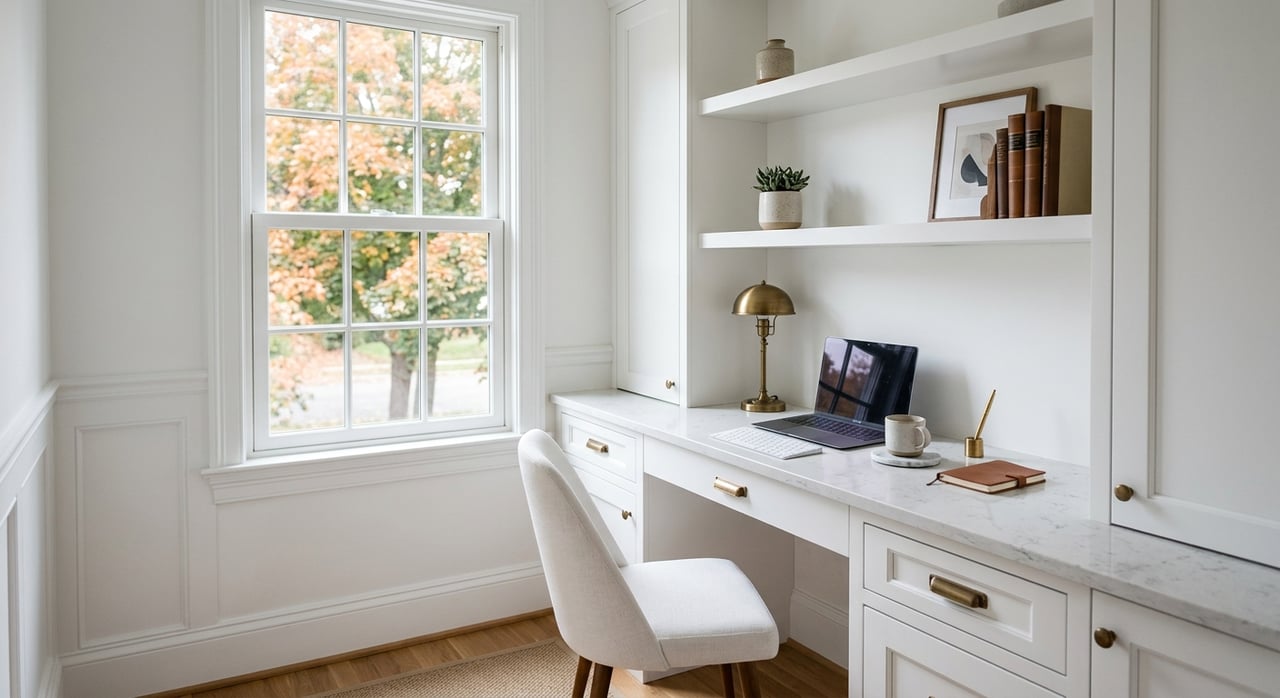
What makes an office read as premium rather than improvised: built-in cabinetry and shelving, a solid-core door, real acoustic separation, dedicated circuits and hardwired ethernet, and enough natural light to work by. Two workstations, or one plus a credenza, signals "hybrid-ready" to a two-earner household, and those layouts move faster.
A caution on the conversion. Do not casually describe a converted room as a bedroom in marketing materials. That single word invites both the Health Department and the Assessor into your project.
5. Bring the floors back before you replace them
Here is a piece of local knowledge worth real money. A large number of Cortlandt Manor homes built between 1940 and 1969 have original oak strip flooring hiding under wall-to-wall carpet installed in the 1980s. Sellers regularly plan to tear out the carpet and install new hardwood without ever checking what is underneath.
Pull up a corner in a closet first.
Refinishing | Full Replacement | |
|---|---|---|
Average cost | $3.50 – $8.00 / sq. ft. | $10.00 – $22.00+ / sq. ft. |
Materials and prep | Sanding, stain, sealant ($1 – $3) | New planks, underlayment ($5 – $14) |
Labor | Sanding and finishing ($2.50 – $5) | Demo, disposal, subfloor prep, install ($5 – $8) |
Choose when | Surface scratches, localized wear, color change | Warped boards, deep water damage, under ¼" thickness remaining |
Refinishing delivers 50% to 70% savings against replacement and, on original mid-century oak, frequently produces a better result than new material would. Dustless sanding adds about $1.00 to $2.50 per square foot and is worth it if you are living in the house during the work. Replacement makes sense when boards are severely cupped, water damage has reached the subfloor, or less than a quarter inch of wear layer remains.
Stone and tile belong in bathrooms, entries, mudrooms, and kitchens, and this is the right moment to consider radiant heat underneath. Electric radiant systems run $8 to $16 per square foot installed and are ideal for a single bathroom paired with tile, with minimal impact on floor height but higher operating cost. Hydronic systems run $14 to $30 and up per square foot installed, plus $4,000 to $10,000 or more for mechanical equipment, and make sense for whole-home retrofits during major renovation. Factor in demolition and new finish flooring over the heating elements and integrated installations reach $20 to $40 per square foot. Westchester labor rates push all of these figures toward the upper end.
Heated floors in a primary bath are one of those details that buyers remember from a showing, which puts them in the same category as the other design choices that read as genuinely high-end rather than merely expensive.
6. Get off oil, and stack every incentive available
This is the highest-leverage mechanical upgrade in Cortlandt Manor, and it is specific to towns like ours.
Roughly 25% to 30% of single-family homes across Westchester County heat with fuel oil. In northern municipalities without natural gas service, including Cortlandt, Yorktown, Bedford, and Pound Ridge, that share climbs past 40%. If you are heating with oil, you are paying volatile fuel prices, maintaining a tank that buyers and insurers scrutinize, and presenting a system that increasingly reads as dated at showing.
Converting to a cold-climate air-source heat pump addresses all three, and the incentive stack is substantial. Con Edison customers replacing fossil fuel systems with whole-home cold-climate ASHPs can receive up to $8,000 to $10,000 in direct NYS Clean Heat utility rebates. Work must be performed by a NYS Clean Heat Participating Contractor, and equipment must meet AHRI and NEEP cold-climate performance standards. Income-qualified households may access additional NYSERDA EmPower+ grants covering 50% to 100% of installation costs.
On top of that, the federal Energy Efficient Home Improvement Credit under §25C provides 30% of project cost up to $2,000 annually for a qualifying heat pump. That $2,000 cap sits outside the separate $1,200 annual cap covering insulation, air sealing, and windows, so pairing a heat pump conversion with envelope work can yield up to $3,200 in credits in a single tax year. Equipment must meet top-tier CEE efficiency ratings, be installed in a primary residence, and carry a Qualified Manufacturer PIN.
Solar works alongside it. In Westchester, a 6 kW system grosses roughly $18,000 to $21,000, and after the NYSERDA Megawatt-Block grant, the 30% federal credit, and the 25% New York State credit capped at $5,000, net cost lands around $7,500 to $10,500. A 10 kW system grosses $28,000 to $32,000 and nets roughly $13,000 to $17,000. Rock work, a 200-amp panel upgrade, or battery storage will add to the gross figure, with a home battery typically running $10,000 to $14,000.
Two cautions. Incentive programs and tax credit terms change, sometimes with little notice, so verify current program rules and funding availability before committing. And a heat pump conversion in a 1955 house with original windows and no attic insulation will underperform and generate complaints about comfort. Insulate and air-seal first, then size the equipment to the improved envelope. The sequence is not optional.
7. Install a whole-house standby generator
This is the upgrade most renovation lists skip entirely, and in Cortlandt it may be the one buyers respond to most viscerally.
If your home is on a private well, losing power does not mean losing lights. It means losing water. No showers, no toilets, no dishwasher, no drinking water beyond what is in the fridge. Add a septic pump on some systems and the situation deteriorates quickly. In a town where well water is common, a generator is not a convenience item. It is infrastructure.
The outage picture supports the case. Westchester runs on an overhead distribution grid that is genuinely vulnerable to ice, wind, and falling limbs, and the county experiences higher outage frequency than the city boroughs. Non-storm events average roughly 0.6 to 0.9 outages per customer annually, typically resolved in 1.5 to 3 hours. Major storms are the real problem: nor'easters and remnant tropical systems routinely produce outages lasting 24 to 72 hours or more while crews clear downed trees and repair local overhead lines. Anyone who has been here through a February ice storm knows this arithmetic without being shown it.
Turnkey installation in Westchester generally runs $11,000 to $22,000 or more. The unit itself, generator plus automatic transfer switch, costs $4,500 to $6,500 in the 14 kW to 18 kW range for essential loads, or $6,000 to $10,000 for a 20 kW to 26 kW whole-house unit capable of running dual AC compressors. Electrical work and ATS hookup adds $3,000 to $5,000. Fuel line connection, natural gas or propane, adds $1,500 to $3,500. Concrete pad and site prep runs $800 to $2,000, more where rock excavation or slope work is involved. Permitting and utility interconnection fees add $300 to $800.
Cortlandt requires three permits: a Building Permit for footprint, pad, and setback verification; an Electrical Permit pulled by a Westchester County-licensed electrician; and a plumbing or mechanical permit for the fuel connection. An automatic transfer switch with mechanical interlock is mandatory to prevent backfeeding into the Con Edison grid, a critical safety requirement under NFPA 70. Depending on ATS placement, Con Edison meter pan isolation approval may be needed. Sign-off requires third-party electrical inspection, typically through the New York Board of Fire Underwriters or an approved agency, plus final Town inspection for the Certificate of Compliance. The unit must sit at least five feet from building openings under NFPA 37 to prevent carbon monoxide intrusion, and must respect accessory structure setbacks for your zoning district.
A permitted, professionally installed standby generator is a documented improvement that appraisers and buyers both understand, and it does more for peace of mind than a home warranty ever will.
The part nobody plans for: permits, taxes, and what surfaces at closing
Three realities determine whether the work above becomes an asset or a liability at sale. Get these wrong and the finest kitchen in Cortlandt will not save the transaction.
Permits are not optional, and the paperwork is specific. A Building Permit application to the Code Enforcement Division requires a completed and owner-signed form with fee, two sets of construction drawings stamped by a NYS-licensed architect or professional engineer, an accurate and current property survey showing existing structures and proposed work with setbacks, and contractor insurance documentation. That means Workers' Compensation on Form C-105.2 or U-26.3 and Disability Benefits on Form DB-120.1, both naming the Town of Cortlandt as certificate holder, plus a Westchester County Home Improvement Contractor License. Separate trade permits and WCHD septic approvals apply where the scope requires them.
Unpermitted work gets discovered. Municipal title searches in Westchester transactions routinely surface unpermitted improvements: finished basements, decks, converted garages, added bathrooms, removed walls. Institutional lenders generally require a valid Certificate of Occupancy or Certificate of Compliance covering all existing improvements before issuing clear title and funding the loan. The resolution path is unpleasant. The seller files for a retroactive or as-built permit, an architect certifies the work, and certification often requires invasive inspection, meaning opening drywall to verify framing, insulation, and electrical runs. Penalty or double permit fees typically apply. If legalization cannot be completed before closing, the parties negotiate an escrow holdback, commonly 1.5 to 2 times the estimated remediation cost, to allow the closing to proceed while permits are finalized.
I have seen this cost sellers weeks and five figures on work that was done well but done quietly. The time to resolve it is before the house goes on the market, not during attorney review. Getting ahead of this is part of what selling a home in Cortlandt Manor actually requires.
Improvements can raise your tax bill. Westchester does not automatically reassess a home upon sale. But pulling a building permit for a substantial physical improvement triggers a physical inspection by the Town Assessor. Adding square footage through additions or finished basements and attics, building new structures like pools, garages, or major decks, or performing full structural overhauls all add value to the property card and increase assessed value. Routine maintenance and cosmetic work generally do not: paint, like-for-like roof shingle replacement, swapping cabinets without changing layout.
That distinction is worth planning around here, because Cortlandt Manor carries an effective property tax rate in the range of 2.2% to 2.8% of market value. Town and County taxes together represent only about 25% to 30% of the annual bill. School taxes account for 65% to 70%, split between Lakeland Central School District in the northern and eastern portions of town and Hendrick Hudson Central School District in the western portion, where levy dynamics have shifted following the Indian Point closure. Exact bills depend on your specific assessment card and the equalization rate applied by the Assessor's Office.
Run the math before you build. A $70,000 addition that raises your annual tax bill by $1,800 needs to hold its value through however many years you stay, and property taxes are consistently the top objection from buyers moving north. That interaction between a home's age, its improvements, and its market value is more complicated in a high-tax town than a national ROI chart can capture.
Where to start
If you are selling within the year, the priority order is clear: cosmetic kitchen refresh, refinish the original hardwood, resolve any unpermitted work, and confirm the septic system is clean and documented. That combination protects your position without over-improving for the price point.
If you are staying, invest in the systems. Get off oil, insulate properly, install the generator, build the outdoor space you will actually use. Those improvements pay you in daily comfort and lower operating cost, and they hold their value when you eventually do sell.
Either way, the constraint comes first. Find out what your septic can carry, what your zoning allows, and whether you are inside a wetland buffer or the watershed. Design second.
Thinking about which upgrades make sense for your home?
The right renovation depends on your street, your zoning district, your school district, and what comparable homes nearby have already done. That is a conversation, not a checklist.
Nancy Kennedy has been a full-time Westchester real estate broker since 1985 and is a Broker Associate with Houlihan Lawrence, Westchester's largest brokerage by market share and market exposure. She surpassed $1 billion in career sales and has been the #1 Associate in the entire Westchester-Putnam Multiple Listing Service in both units sold and total dollar volume from 2011 to the present, as well as Houlihan Lawrence's #1 associate company-wide for sold transactions across fifteen consecutive years. The Wall Street Journal named her #1 in Westchester County, #5 in New York State, and #109 nationwide among the top thousand Realtors in the country. She served as President of the Hudson Gateway Association of Realtors, the eleventh largest Realtor board in the United States, and is the exclusive listing agent for The Ritz-Carlton Residences, Trump Park, Trump Tower, and The Lofts.
More to the point for this conversation: she has been selling homes in the Town of Cortlandt for four decades, which means she has watched which renovations hold their value here and which ones quietly fail to.
Reach out to the Nancy Kennedy Team to talk through your plans, or request a home valuation to see where your property stands before you spend a dollar.
Nancy Kennedy | Broker Associate, Houlihan Lawrence
124 Maple St, Croton-on-Hudson, NY 10520
(914) 271-5500 | [email protected]