Welcome to Cortlandt Manor
New York’s most private and tranquil residential haven
Away from New York’s flurry and bustle lies Cortlandt Manor, a hamlet in the Town of Cortlandt in northern Westchester County. Established in 1697 by Stephanus Van Cortlandt, this affluent neighborhood has a rich artistic history that blends well with its lavish suburban setup.
Dubbed Westchester’s “musical town,” Cortlandt Manor is home to notable talents such as Aaron Copland and Bob Baldwin. Over the years, the city has experienced an influx of upscale residential buildings thanks to the area’s thriving business community. For this reason, most residents own their homes and have easy access to a wealth of social amenities in the region.
History
Cortlandt Manor, located in northern Westchester County, traces its roots back to the early 18th century as part of the vast Van Cortlandt landholdings granted under a royal patent in 1697. The area was originally a rural estate under the ownership of the influential Van Cortlandt family—one of New York’s prominent colonial families whose impact shaped both local governance and infrastructure. Their manor house in nearby Croton-on-Hudson served as a political and cultural hub during the pre- and post-Revolutionary period.
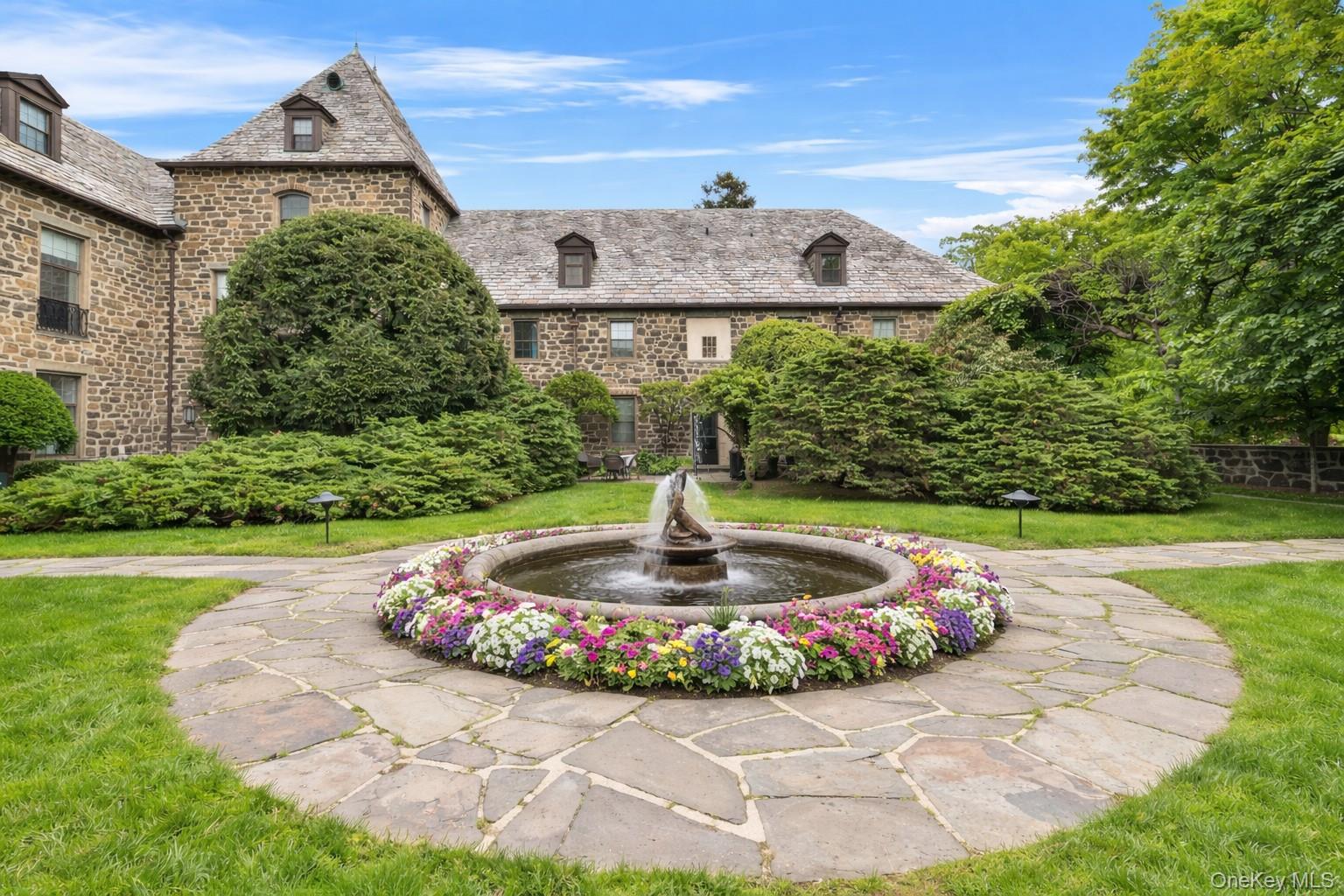
During the 19th and early 20th centuries, the area remained largely agricultural and residential, evolving slowly as New York City's influence expanded northward. Unlike the denser, more commercialized neighborhoods to the south, Cortlandt Manor maintained its wooded landscapes and estate-style properties, which attracted affluent New Yorkers looking for space and seclusion. Notable estates and homes, often designed by traditionalist architects, were built on large parcels of land, many of which still stand today, reflecting a blend of Colonial and early American architectural motifs.
Post-WWII suburban expansion brought a wave of residential development, transforming Cortlandt Manor into a bedroom community while still preserving its rural character. Infrastructure growth, especially the Taconic State Parkway and proximity to Metro-North rail stations, reinforced its identity as a tranquil, upper-middle-class enclave within commuting distance of Manhattan. Today, the area balances its historical legacy with modern living—making it one of the more distinctive and heritage-rich hamlets in Westchester County.
Local Culture
Cortlandt Manor maintains a quiet yet intentional cultural presence, shaped by its tight-knit community and scenic environment. The lifestyle here leans toward suburban tranquility, family-centered activities, and a strong appreciation for nature and the arts. Many residents are professionals who value both privacy and cultural engagement, creating a uniquely refined but down-to-earth atmosphere.
Local arts are supported by a network of creatives and nonprofits throughout the greater Cortlandt area. The nearby Hudson Valley Center for Contemporary Art (now HVCCA) in Peekskill, just a short drive away, influences the local cultural scene, often showcasing artists from Cortlandt Manor and hosting regional collaborations. Artisans, musicians, and writers frequently hold small exhibits, readings, and concerts—often hosted in local libraries, community centers, or historical venues.
Seasonal events are central to the neighborhood’s rhythm. Annual favorites include Cortlandt Family Fun Day, local farmers markets, and community theater productions hosted by groups like the Westchester Collaborative Theater. There is also an active presence of nonprofits such as the Cortlandt Community Volunteer Ambulance Corps and the Friends of the Old Croton Aqueduct, which promote civic engagement and historical preservation.
While Cortlandt Manor may not be loud in its cultural expression, it is quietly rich—with a lifestyle rooted in heritage, creativity, and community pride.
Local Attractions
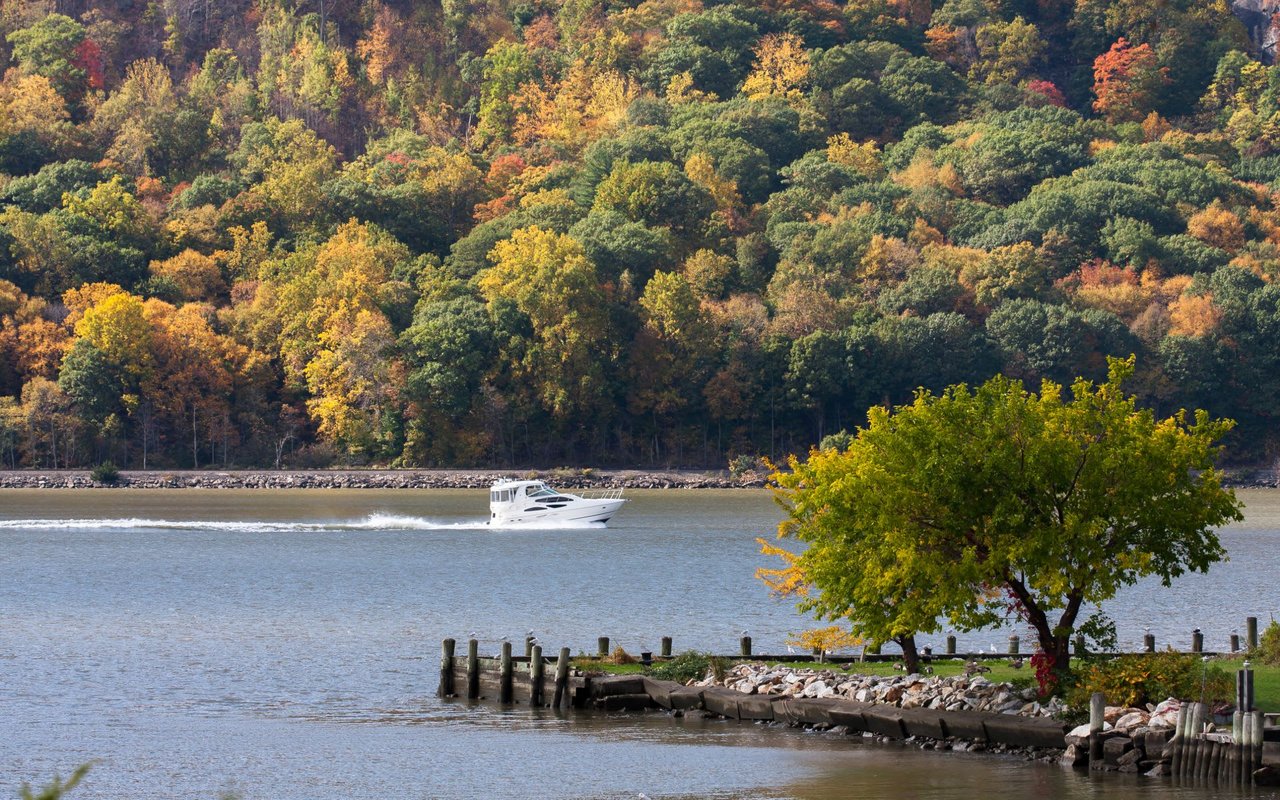
Cortlandt Manor offers a compelling blend of outdoor recreation, historic landmarks, and scenic escapes that contribute to its serene lifestyle appeal. Nature lovers and families alike enjoy Blue Mountain Reservation, a sprawling 1,500-acre park just minutes away, offering miles of hiking trails, mountain biking, and panoramic views of the Hudson Highlands. George’s Island Park, located along the Hudson River, provides access to waterfront picnicking, fishing, and birdwatching, making it a seasonal favorite for locals seeking tranquility by the water.
Golfers are drawn to Hollow Brook Golf Club, a semi-private course known for its pristine greens, challenging layout, and elegant clubhouse nestled amid rolling terrain. For more casual recreation, Sprout Brook Park features athletic fields, a popular playground, and walking paths—ideal for everyday family activities.
While Cortlandt Manor itself is largely residential, its proximity to neighboring cultural hubs expands access to other attractions. The Paramount Hudson Valley Theater in nearby Peekskill showcases live music, performances, and film screenings in an intimate, historic venue. Meanwhile, Croton Gorge Park, home to the iconic New Croton Dam, remains one of Westchester’s most photographed natural landmarks—offering trails, scenic overlooks, and historical context all in one destination.
These attractions not only highlight the area's natural beauty but also reflect a lifestyle defined by balance—where outdoor activity, history, and understated elegance intersect.
Dining & Entertainment
Dining in and around Cortlandt Manor emphasizes quality over quantity, with an array of locally owned restaurants, refined eateries, and nearby culinary destinations offering both charm and sophistication. A standout favorite is Table 9, a sleek American bistro known for its upscale casual dining experience, modern ambiance, and consistent local patronage. For Italian cuisine with an elevated twist, Pronto Bistro delivers refined pastas and wines in a cozy setting.
Just beyond Cortlandt’s borders, residents often venture into Peekskill’s waterfront district, where dining options such as The Hudson Room and Ramenesque cater to food lovers seeking variety—from sushi and tapas to gourmet ramen. The Abbey Inn & Spa, a luxury boutique resort housed in a restored convent overlooking the Hudson River, offers fine dining at The Apropos Restaurant, a premier destination for upscale seasonal fare and craft cocktails.
Entertainment remains intentionally low-key but culturally rich. Residents enjoy wine nights, jazz performances, and live acoustic sets at nearby venues, while independent films and live acts at the Paramount Hudson Valley Theater provide consistent access to the arts. During summer, pop-up food festivals and wine tastings hosted throughout the Hudson Valley also attract Cortlandt locals seeking regional flavors and community gatherings.
The dining and entertainment scene reflects Cortlandt Manor's core identity—elegant, intentional, and rooted in local experience rather than flashy trends.
Parks & Recreation
Cortlandt Manor is ideal for residents who prioritize nature, fitness, and an active lifestyle. The area is surrounded by expansive green spaces, wooded trails, and well-maintained parks that cater to both casual outdoor enthusiasts and serious recreation seekers.
At the heart of local outdoor life is Blue Mountain Reservation, a regional favorite that spans over 1,500 acres of forested land with an extensive network of hiking and biking trails, as well as designated mountain biking courses. Its elevation changes and scenic lookouts make it a popular destination year-round. Sprout Brook Park, located within the hamlet, is a family-oriented space featuring walking paths, baseball fields, tennis courts, and picnic areas—perfect for weekend outings and youth sports.
Equestrian lovers and trail runners alike find refuge in Oscawana Island Nature Preserve, where narrow trails wind through undeveloped waterfront terrain, offering solitude and Hudson River views. George’s Island Park, located just west in Montrose, adds access to boat launches, marshland exploration, and riverside walking trails, while Franklin D. Roosevelt State Park—a short drive away—boasts a massive swimming pool complex, fishing, and winter sledding, making it one of the most comprehensive year-round recreational facilities in the region.
Whether it’s hiking, kayaking, horseback riding, or simply walking the dog, Cortlandt Manor's access to open space and thoughtfully developed parks affirms its commitment to outdoor living.
Schools & Education
Cortlandt Manor is served primarily by two respected public school districts: the Hendrick Hudson Central School District and the Lakeland Central School District, both of which offer strong academic programs, modern facilities, and well-rounded extracurricular options. These districts consistently score above average in New York State evaluations, making the area especially appealing to families prioritizing education.
Hendrick Hudson High School is known for its competitive Advanced Placement program, STEM enrichment, and a robust arts curriculum, while Lakeland High School has received accolades for its science research program and college preparation initiatives. Middle and elementary schools in the area—such as Blue Mountain Middle School and Van Cortlandtville Elementary—benefit from small class sizes and active parental involvement, reinforcing a tight-knit learning environment.
Families seeking private education have access to several nearby institutions, including The Montfort Academy in Mt. Vernon, known for its classical curriculum, and The Harvey School in Katonah, a prestigious day and boarding school offering grades 6–12 with a focus on academic rigor and creative arts.
Proximity to higher education is another strength. Westchester Community College, Pace University, and Manhattanville College are within commuting range, offering dual-enrollment opportunities and accessible continuing education.
In sum, Cortlandt Manor provides families with a high standard of education, a strong support network, and access to both public and private academic paths—all within a safe and supportive community.
Commute & Accessibility
Cortlandt Manor offers a highly convenient yet peaceful location for those commuting throughout Westchester County and into New York City. The neighborhood is well-connected by major roadways, including U.S. Route 202, Route 6, and the Taconic State Parkway, providing direct access to central Westchester, the Bronx, and beyond. Travel times to White Plains typically range between 30–40 minutes by car, while Manhattan can be reached in just over an hour depending on traffic conditions.
Public transit is efficient and reliable, anchored by proximity to the Cortlandt and Peekskill Metro-North stations on the Hudson Line. These stations offer express service to Grand Central Terminal in approximately 55 to 65 minutes, making the area a viable choice for city professionals seeking suburban refuge without sacrificing accessibility.
For air travel, residents are within 40–45 minutes of Westchester County Airport (HPN), which offers regional and domestic flights, and about 75–90 minutes from major international hubs like LaGuardia (LGA) and John F. Kennedy International Airport (JFK). Additionally, Bee-Line Bus routes and nearby park-and-ride options add flexibility for those who prefer to avoid city driving altogether.
Overall, Cortlandt Manor combines suburban seclusion with practical access to regional infrastructure, appealing to both daily commuters and frequent travelers.
Real Estate in Cortlandt Manor, NY
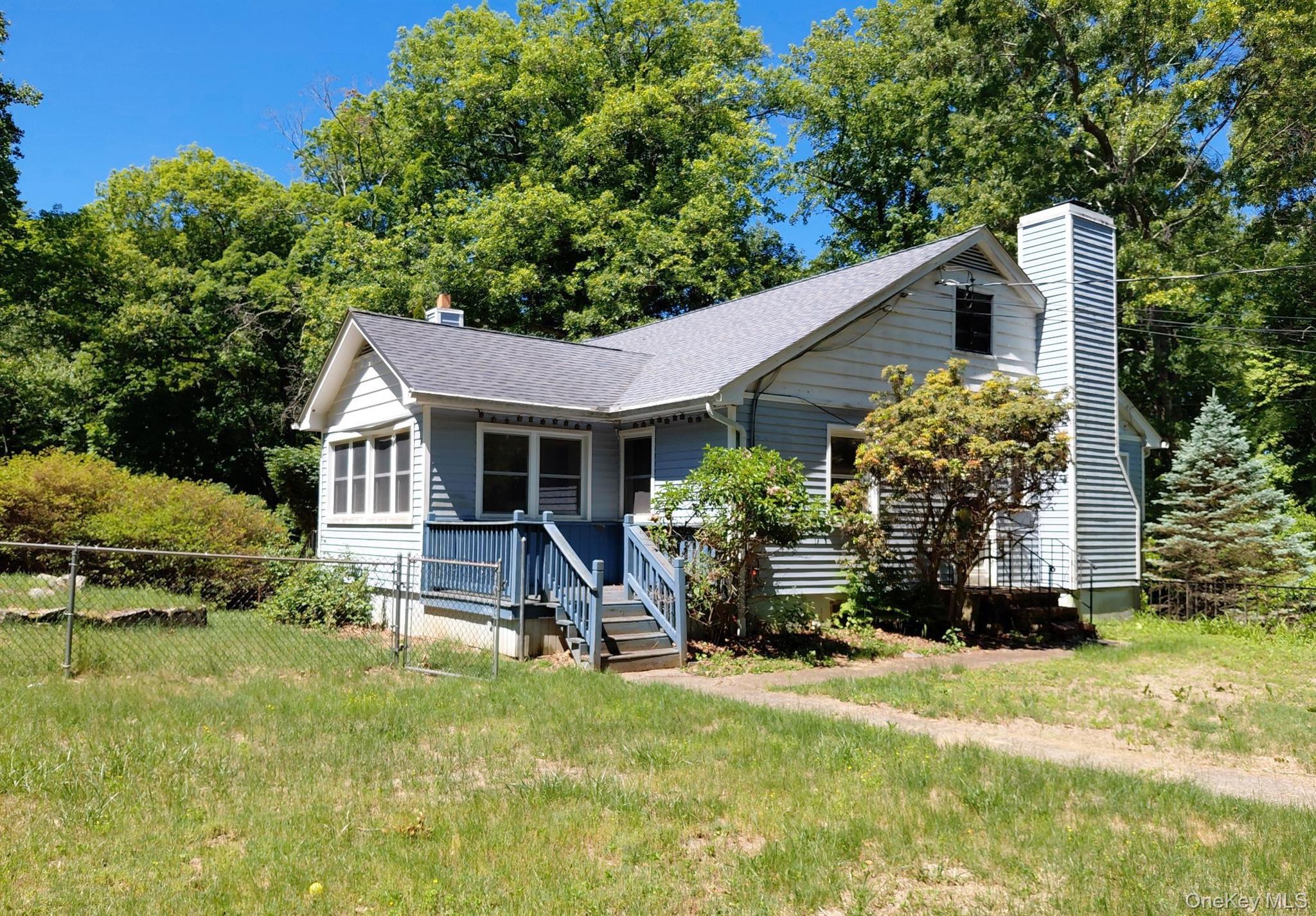
Cortlandt Manor's real estate market reflects a stable yet selective environment, shaped by limited inventory and consistent demand from families and professionals seeking space within Westchester County. As of early 2025, median home prices hover between $650,000 and $750,000, with variations depending on lot size, condition, and proximity to parks or transit hubs. Luxury properties—particularly those with acreage, river views, or extensive renovations—regularly exceed $1 million, while smaller Cape Cods and ranch-style homes occasionally enter the market in the mid-$500,000s.
Inventory remains tight, a trend driven by long-term owner occupancy and low turnover rates. Homes typically spend 40 to 70 days on market, though well-priced listings in desirable pockets like Furnace Dock Road or Oregon Road often receive multiple offers and close faster. The area leans slightly toward a balanced market, though sellers with updated interiors and strong curb appeal maintain negotiating power—especially during spring and early summer when buyer activity peaks.
Appreciation has been steady rather than explosive, with home values increasing approximately 4 to 6 percent annually over the past five years. This measured growth appeals to buyers prioritizing long-term stability over speculative gains. While Cortlandt Manor doesn't experience the bidding wars common in denser southern Westchester markets, quality homes still command premium pricing due to the combination of school ratings, lot sizes, and lifestyle amenities.
Overall, the market rewards preparation, patience, and realistic pricing—whether you're buying into the neighborhood or positioning a home for sale.
Factors to Consider When Buying
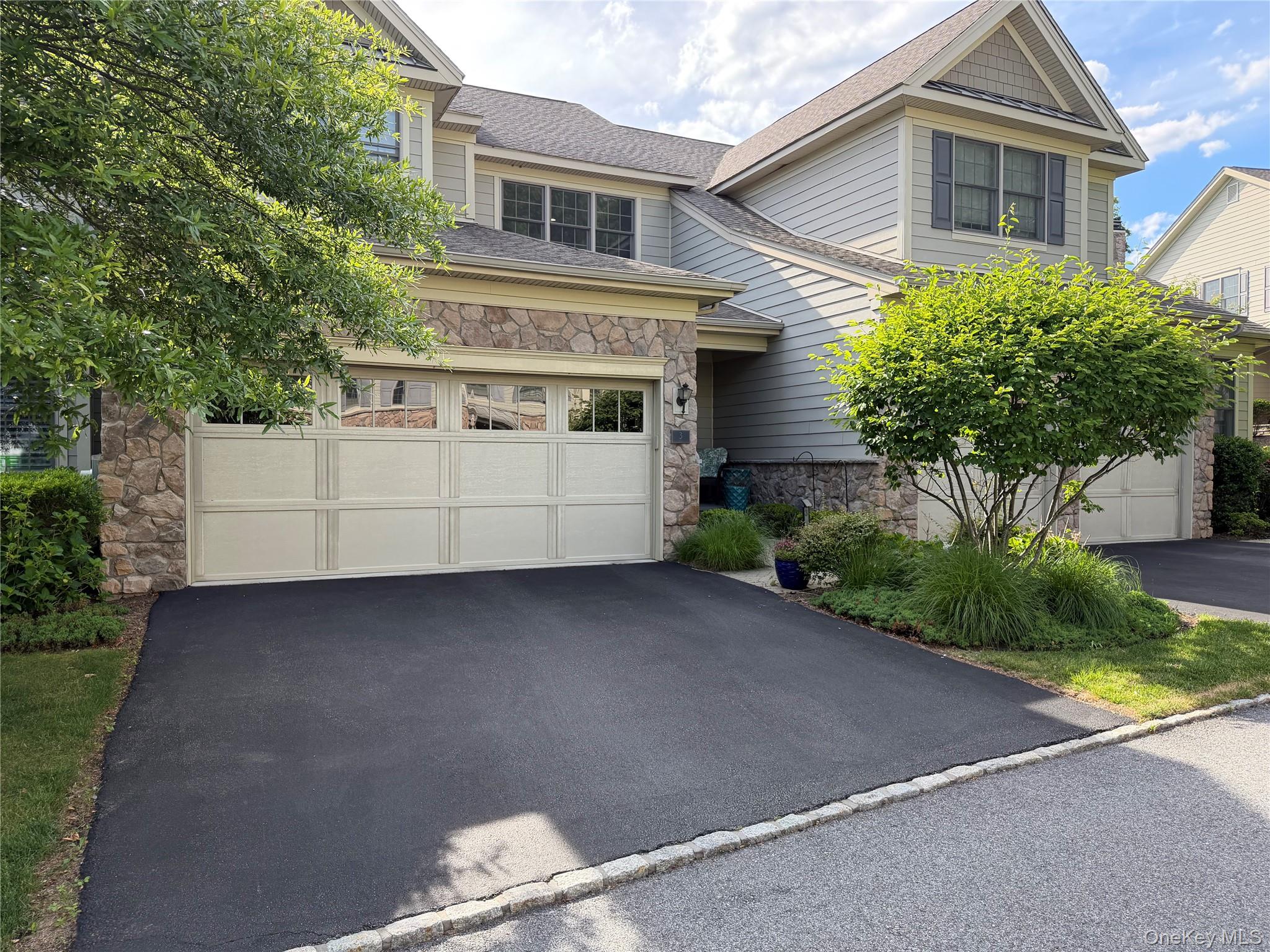
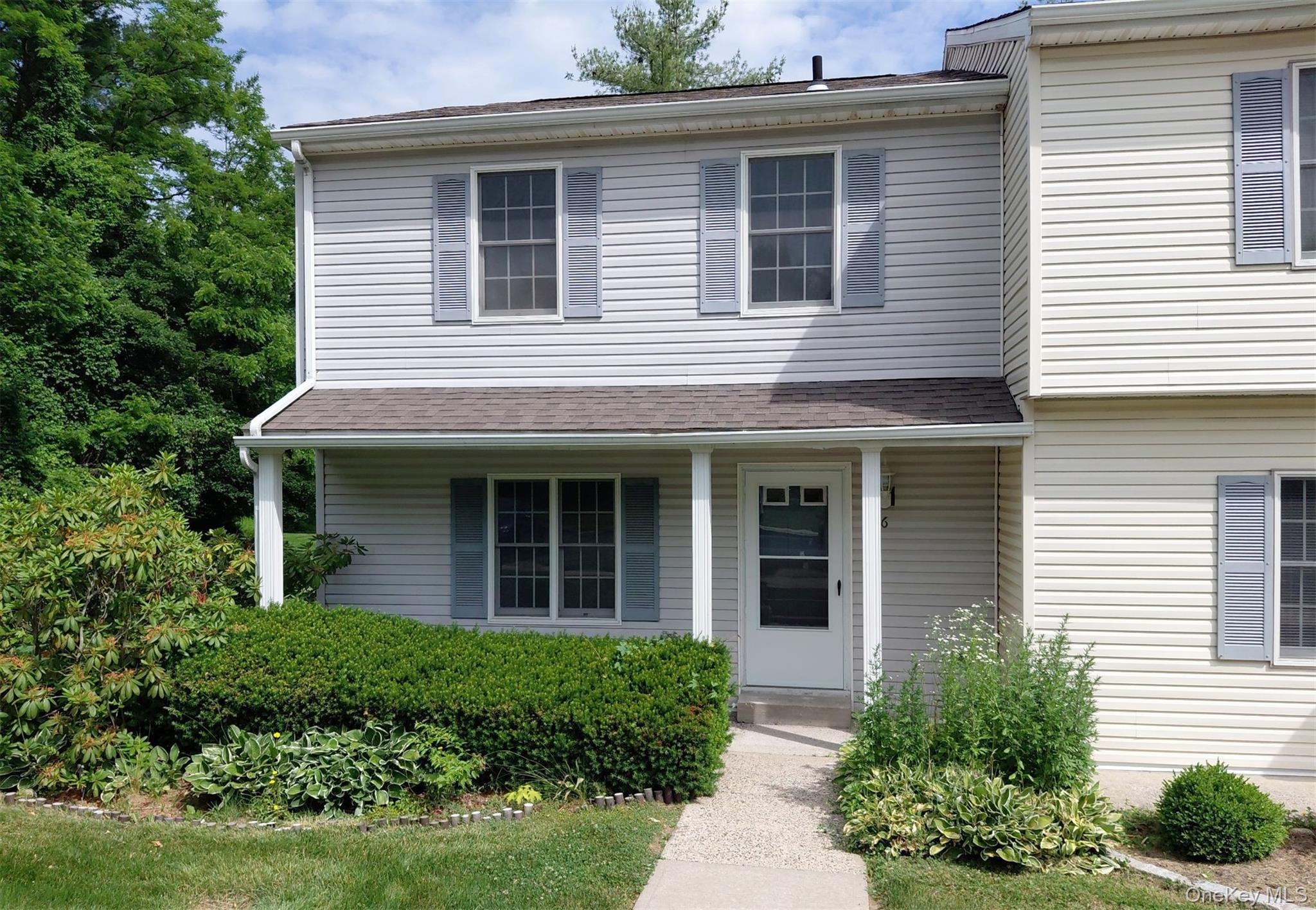
Buyers entering Cortlandt Manor should approach the process with attention to both practical and regulatory details that can shape ownership experience and long-term costs. Unlike some suburban markets, Cortlandt Manor does not have widespread HOA oversight, meaning most homes are free of monthly association fees—though some newer developments or condo complexes may impose modest charges for shared amenities or snow removal. Always confirm HOA status and fee structures during due diligence.
Flood zones are generally not a widespread concern in Cortlandt Manor, given its inland, elevated terrain. However, properties near wetlands, streams, or low-lying areas along the Hudson River corridor may require flood zone verification and insurance consideration. Buyers should request FEMA flood maps and consult with their lender about requirements before closing.
Property age varies significantly across the hamlet. Older homes—particularly those built before 1980—may require updates to electrical systems, HVAC, roofing, or insulation to meet modern efficiency standards. Inspection reports are critical, as many estate-style homes sit on septic systems rather than municipal sewer, which adds maintenance responsibility. Wells are also present on certain rural parcels, requiring water quality testing and periodic upkeep.
School district boundaries matter here. Cortlandt Manor straddles both the Hendrick Hudson and Lakeland districts, and even homes on the same street can fall into different zones. Confirm school assignments early if education is a priority, as this can impact both resale value and daily logistics.
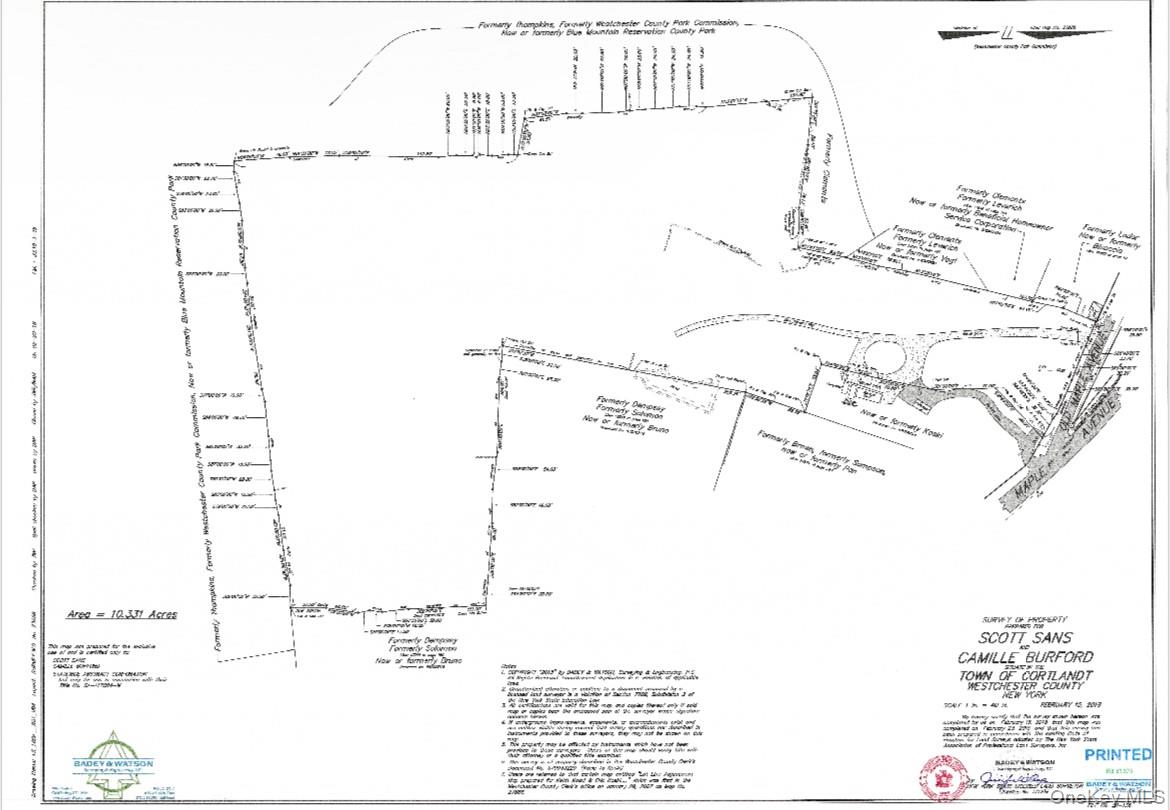
Zoning regulations in the Town of Cortlandt are residential-focused, with minimum lot sizes enforced in certain areas to preserve the neighborhood's spacious character. Buyers interested in future additions, pool installations, or outbuildings should verify local codes and setback requirements.
Finally, parking and driveway configuration deserve attention. Many homes feature long private driveways and attached garages, but winter weather can make steep or unpaved drives challenging without proper drainage or grading. Noise is rarely an issue, though properties near Route 6 or the Taconic may experience occasional road hum—worth noting during showings.
Factors to Consider When Selling
Selling a home in Cortlandt Manor requires strategic timing, realistic pricing, and an understanding of the local buyer base. Seasonality plays a meaningful role here. Spring listings—typically March through June—attract the highest volume of buyers, particularly families targeting a summer move to align with the school year. Fall can also be productive, though activity tapers noticeably in late November and through the winter months when showings decline and outdoor appeal diminishes.
Pricing strategy must account for Cortlandt Manor's inventory scarcity and informed buyer pool. Overpricing, even modestly, often leads to extended market time and eventual reductions that erode perceived value. Sellers benefit from pricing competitively from the start, supported by recent comps within the same school district and neighborhood micro-location. Buyers here are detail-oriented and typically work with experienced agents who can identify inflated listings quickly.
Staging trends lean toward clean, neutral interiors that emphasize space and natural light. Decluttering is essential, especially in older homes where storage can feel limited. Highlighting architectural features—crown molding, original hardwood floors, stone fireplaces—adds character without overwhelming buyers. Outdoor spaces should be equally polished: trimmed lawns, mulched beds, and clear walkways make a strong first impression, particularly given the area's emphasis on nature and privacy.
Buyer demographics skew toward families with school-aged children, remote professionals seeking home offices, and empty nesters downsizing from larger estates but unwilling to leave Westchester. Each group values different features—families prioritize layout and yard space, professionals want dedicated work zones and strong internet, while retirees often seek single-level living and low-maintenance exteriors.
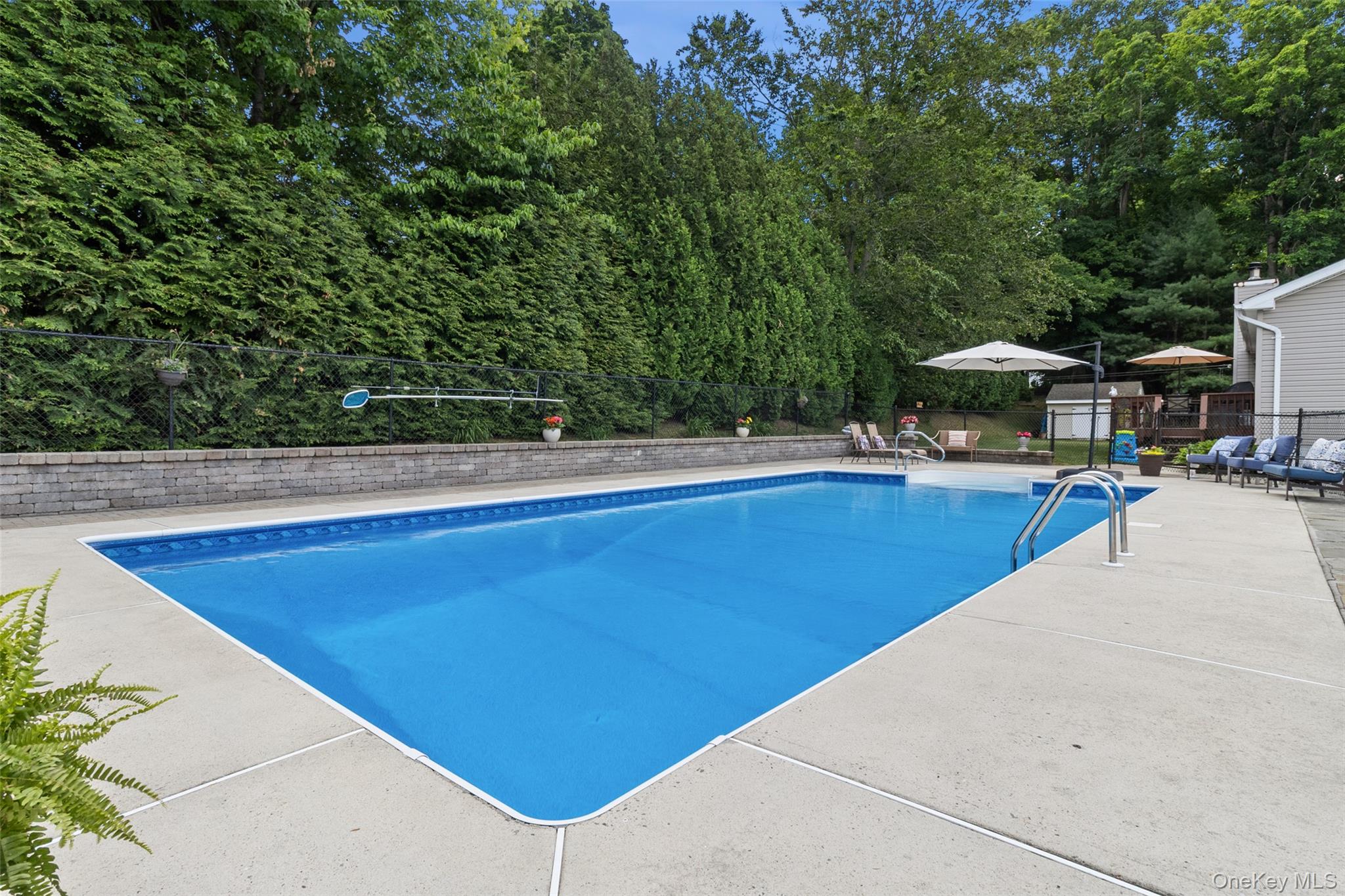
Upgrades that consistently increase value include updated kitchens with stainless appliances and stone countertops, renovated primary bathrooms, finished basements with proper egress, and energy-efficient windows or HVAC systems. Outdoor enhancements—decks, patios, fencing, or landscaping improvements—also resonate strongly, as buyers expect usable outdoor living areas. Cosmetic touches like fresh paint, modern lighting fixtures, and refinished floors offer high return relative to investment.
Sellers should also prepare for thorough inspections and be ready to address septic, well, or structural concerns proactively. Transparency and pre-listing repairs can shorten negotiation cycles and preserve sale price integrity.
Architectural Styles
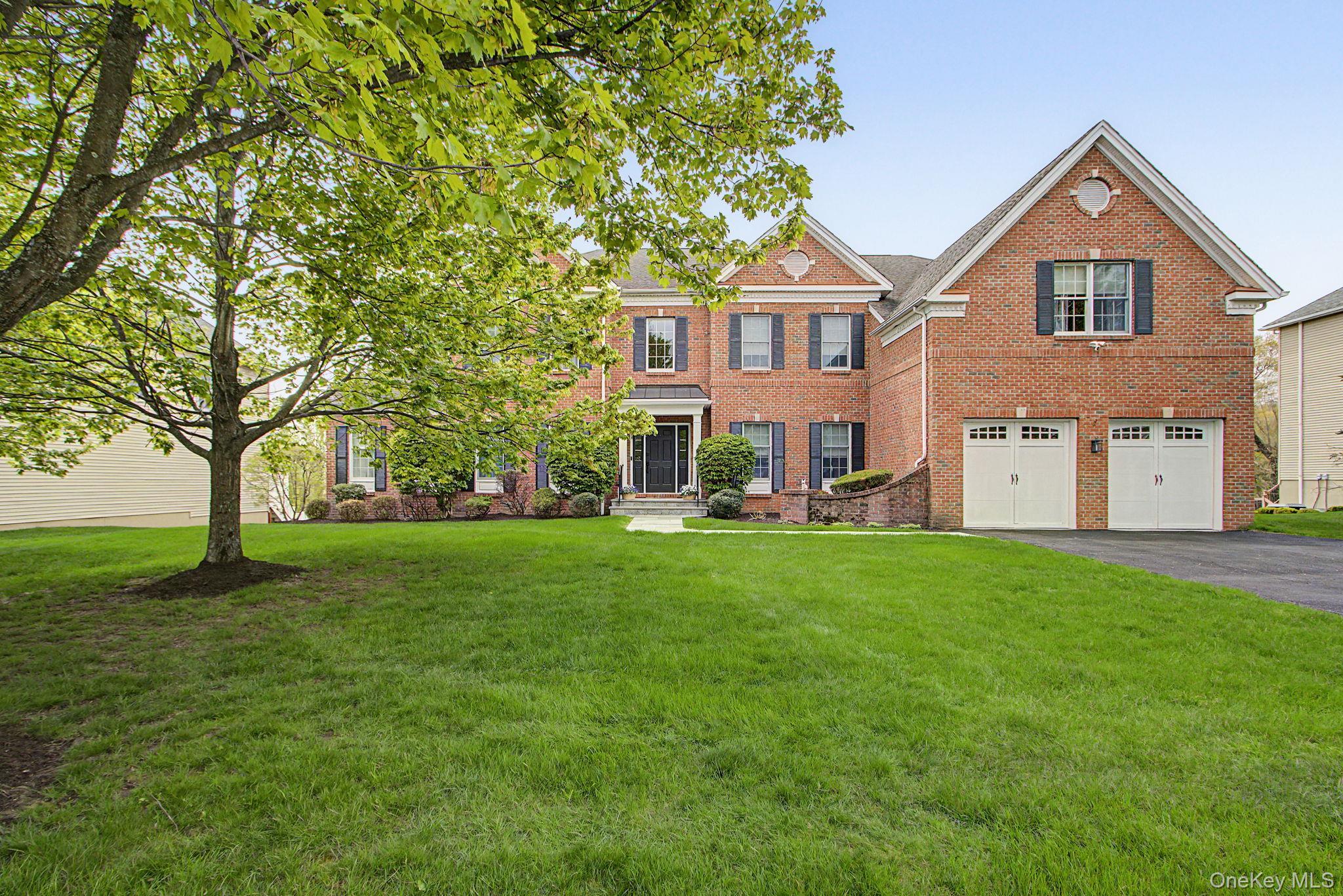
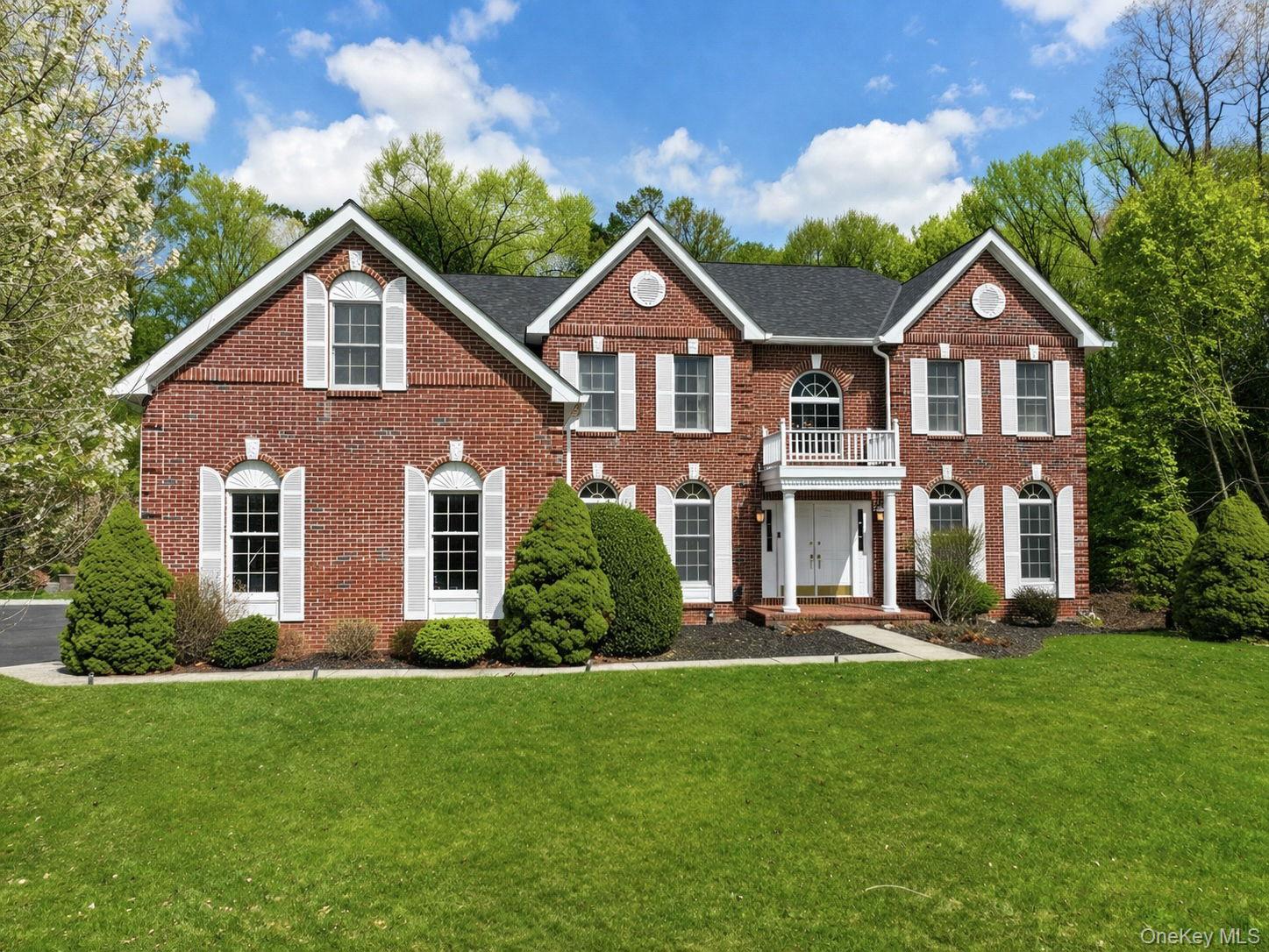
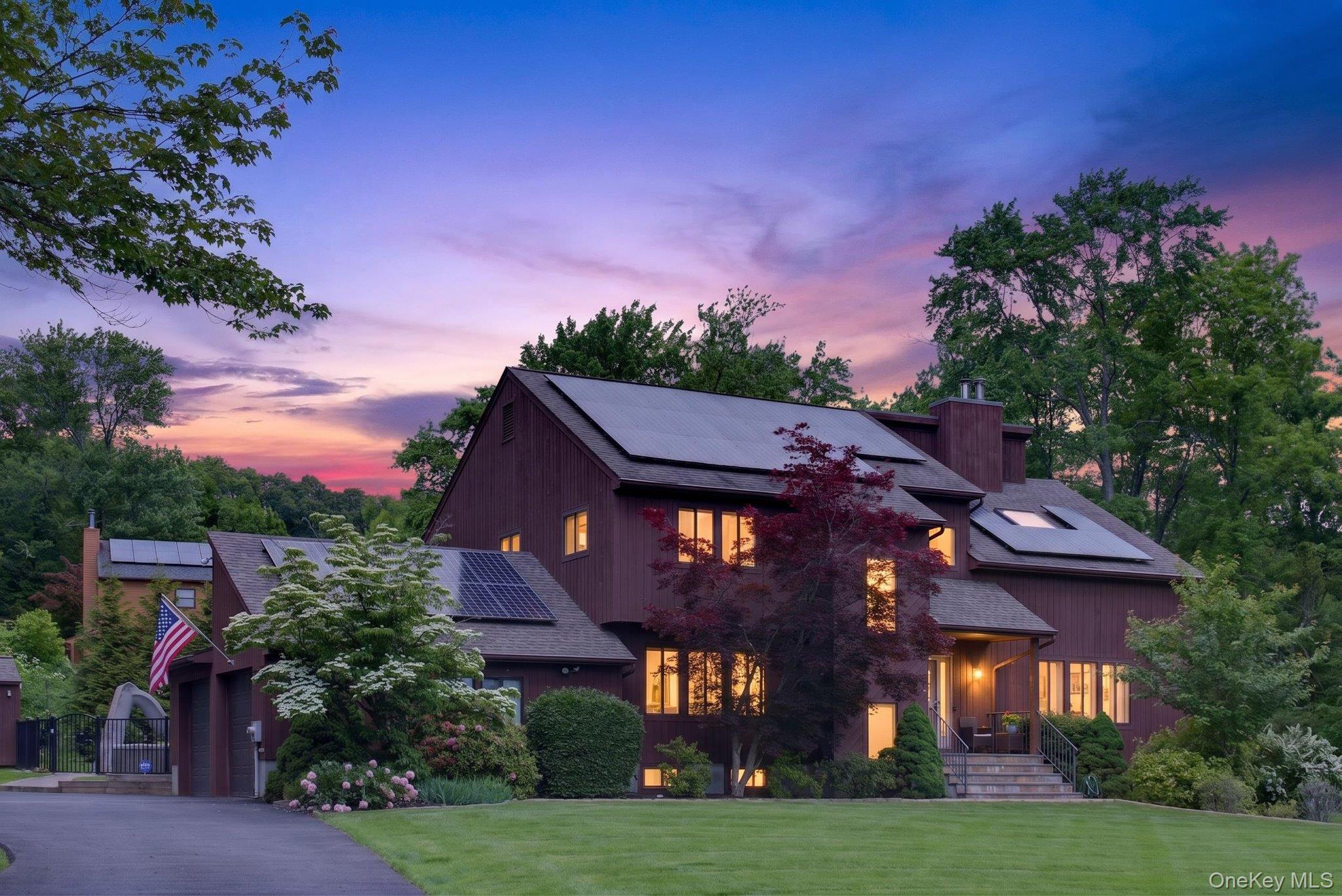
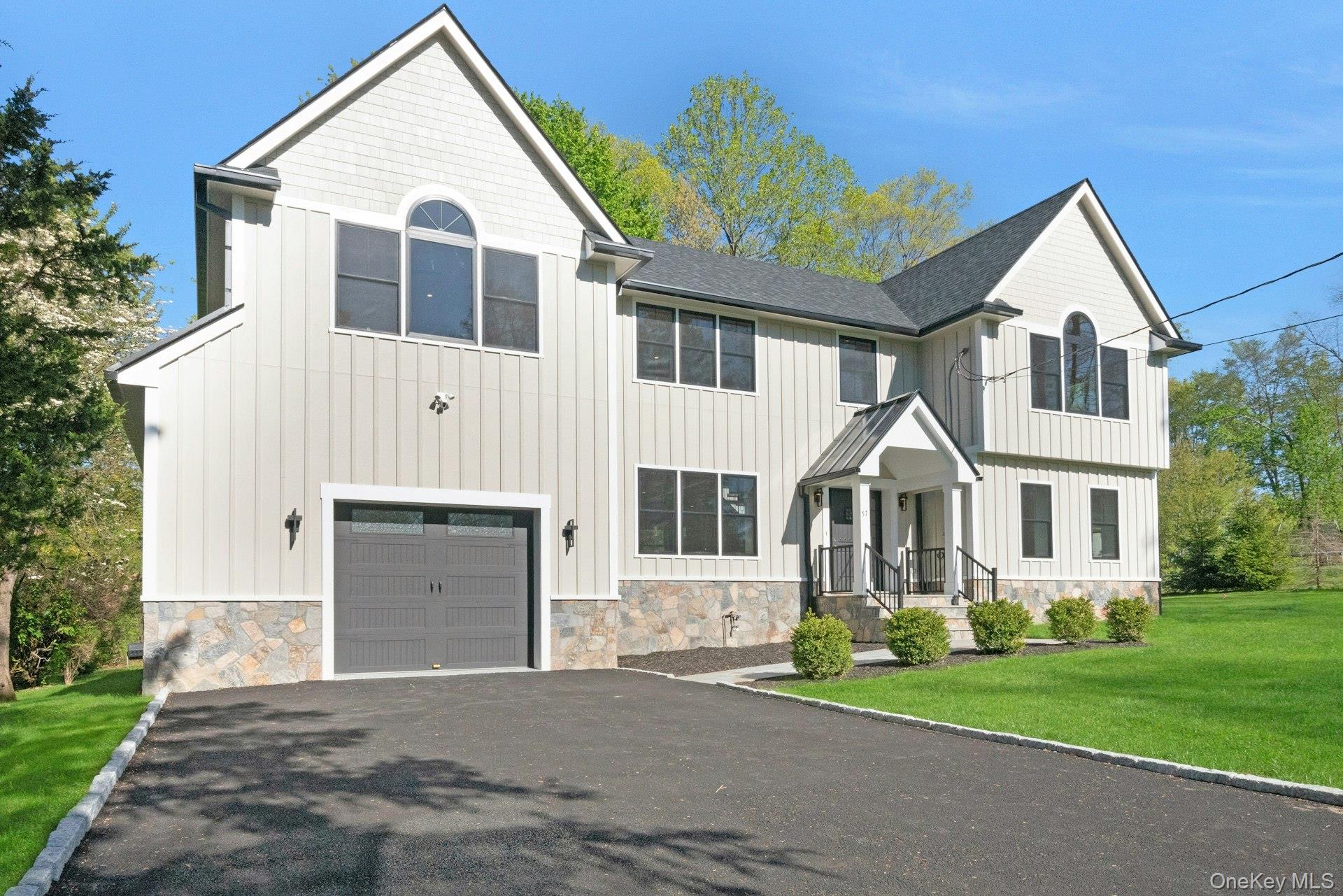
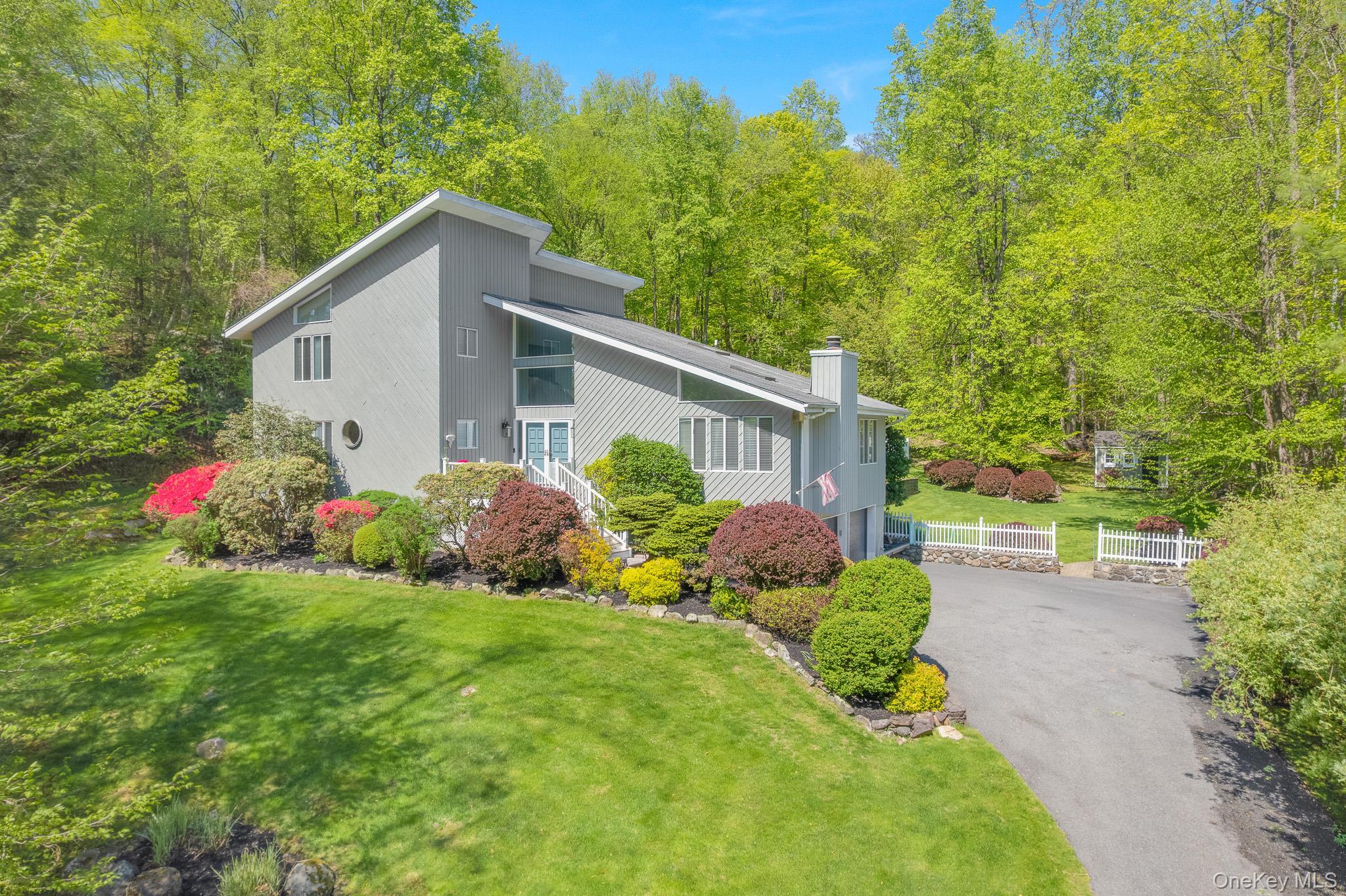
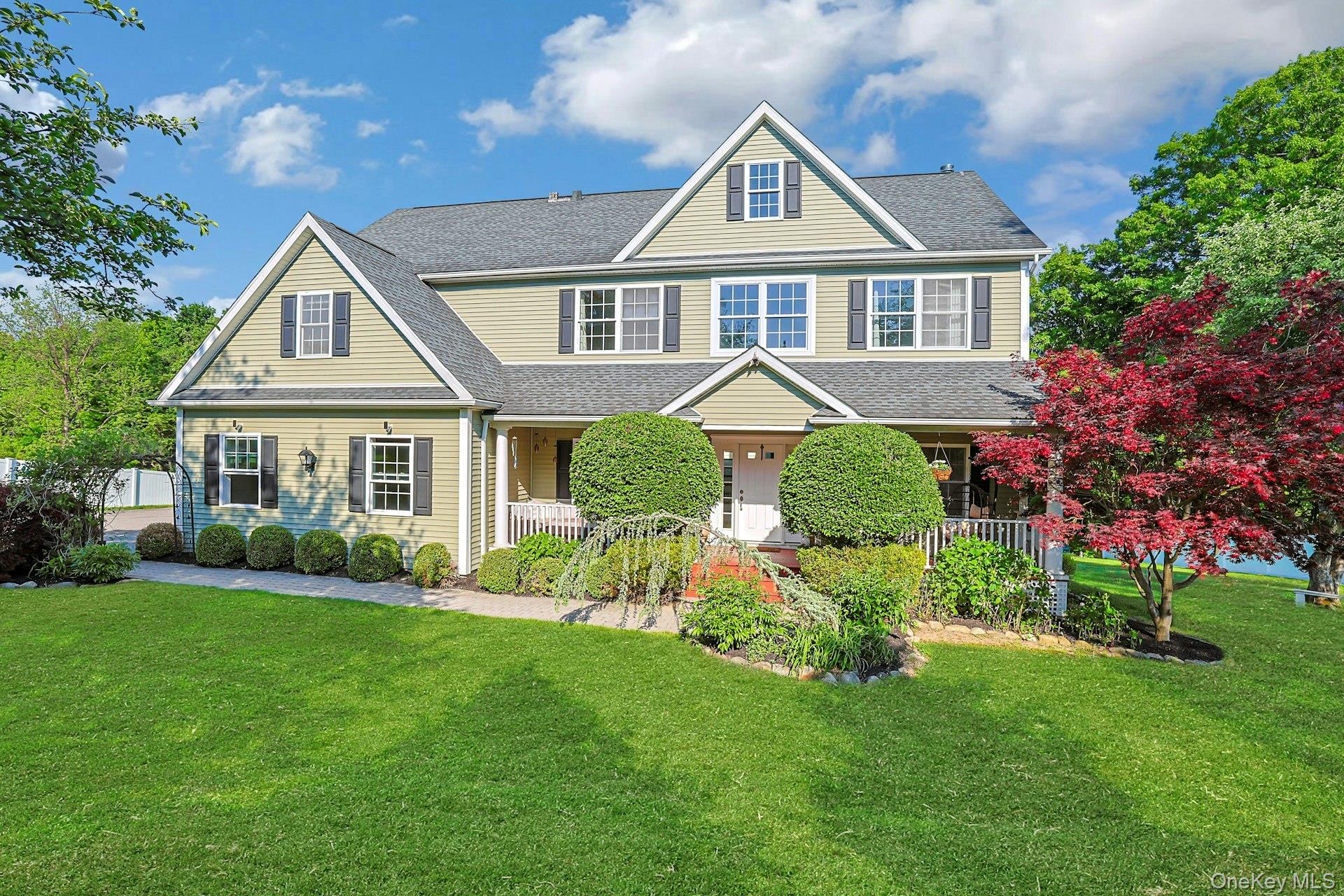
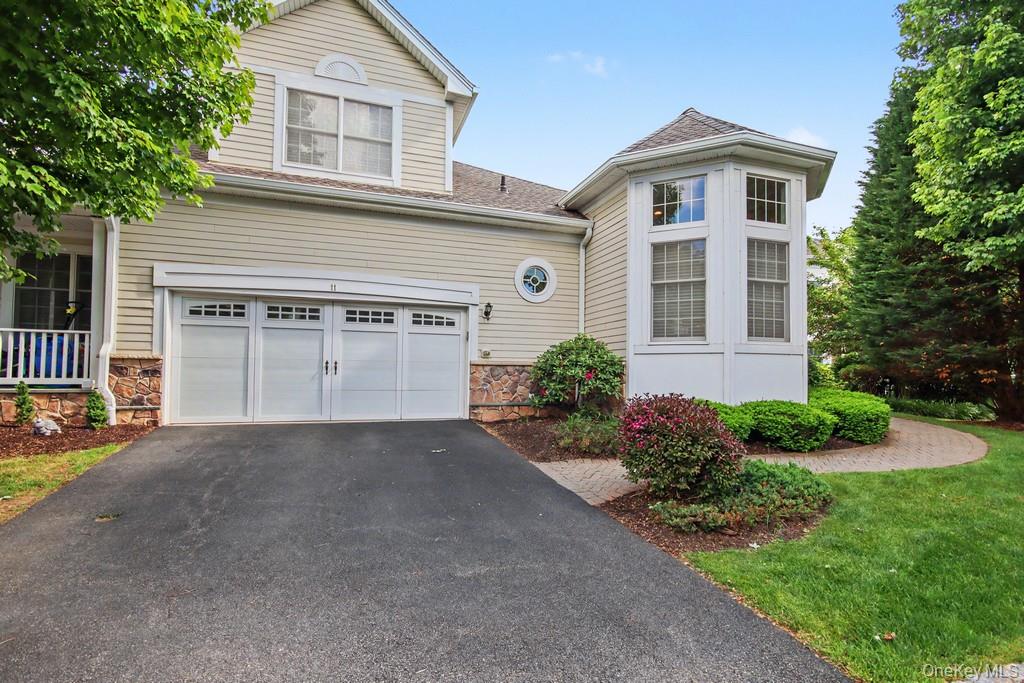
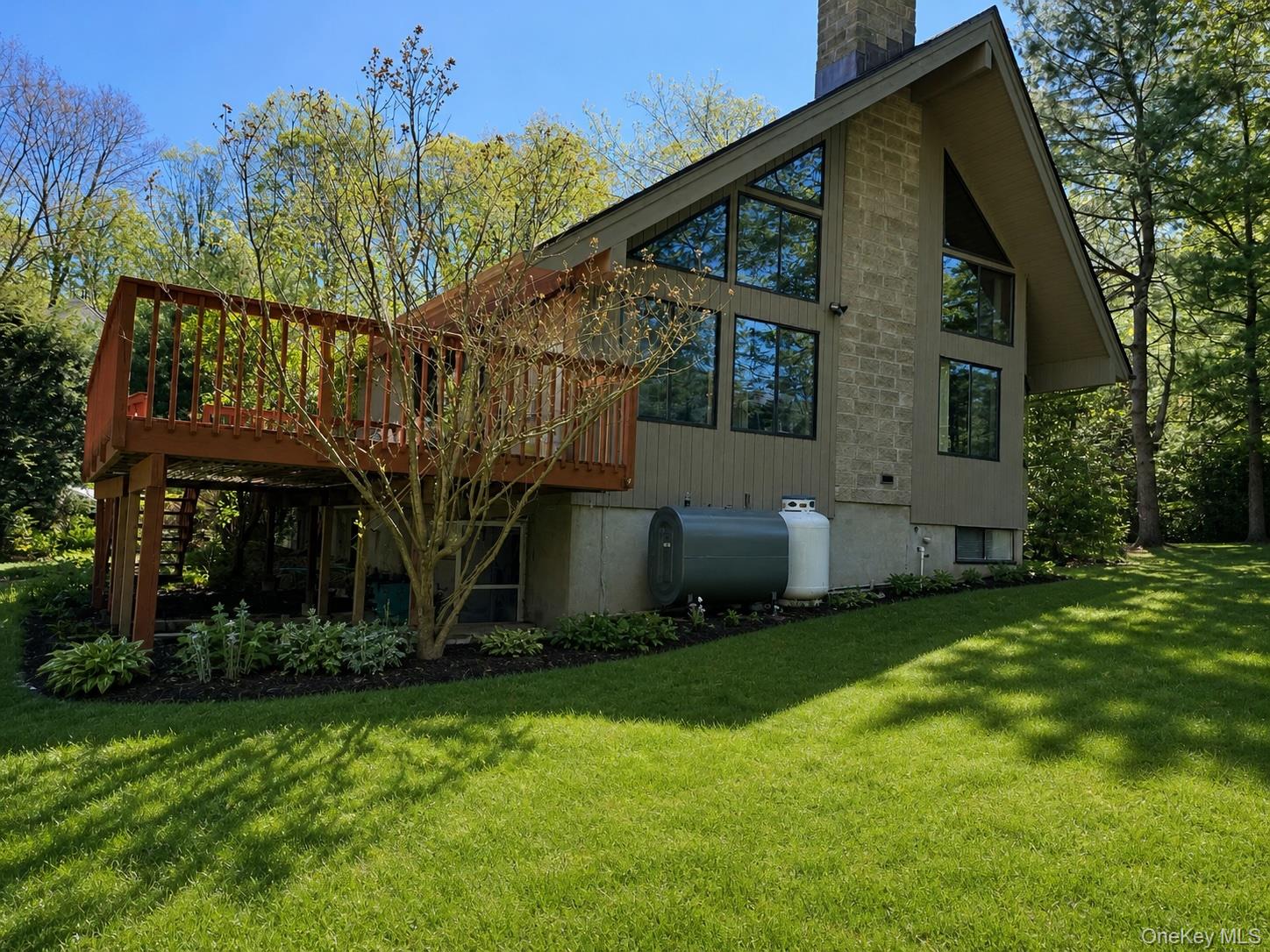
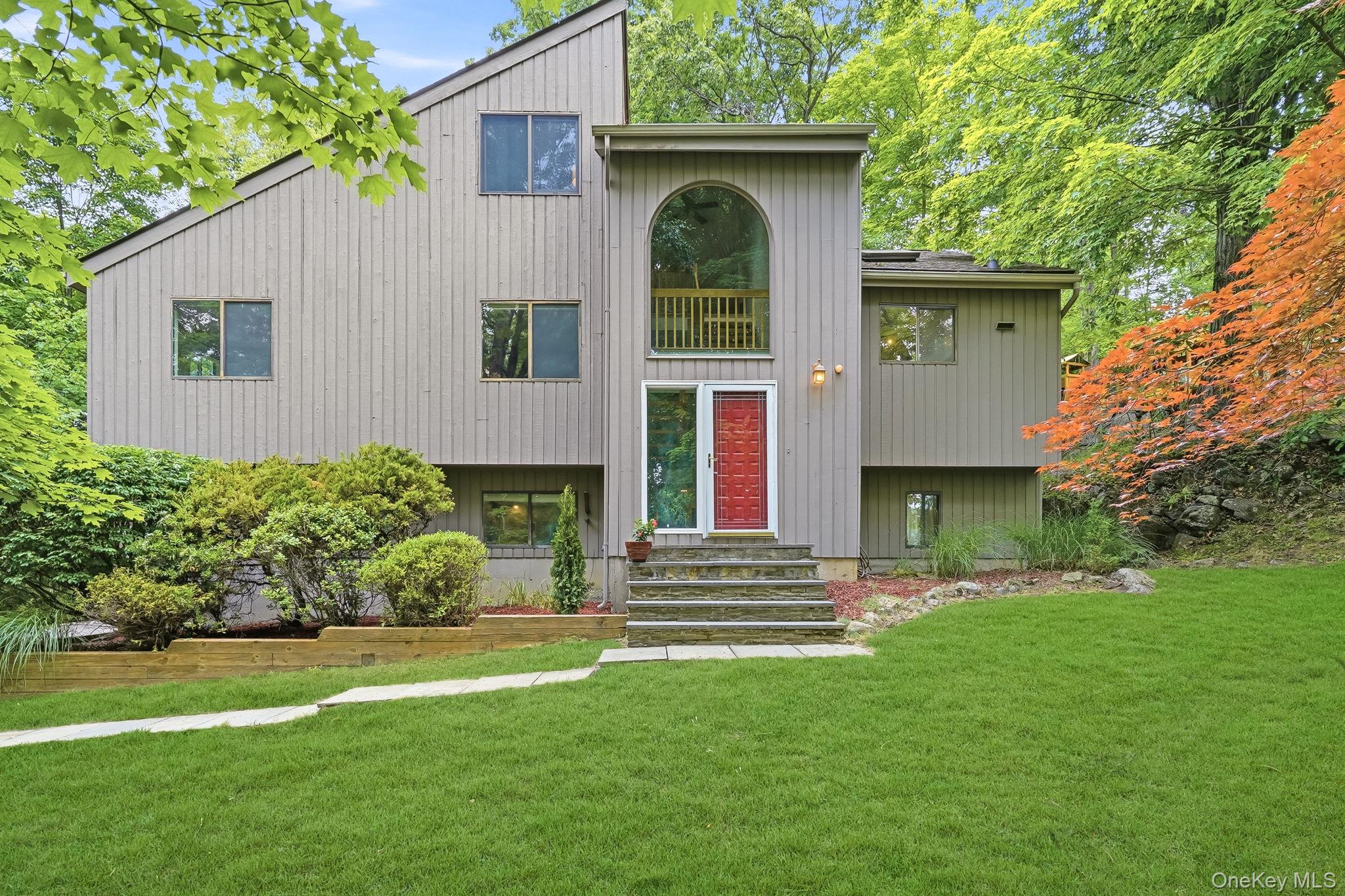
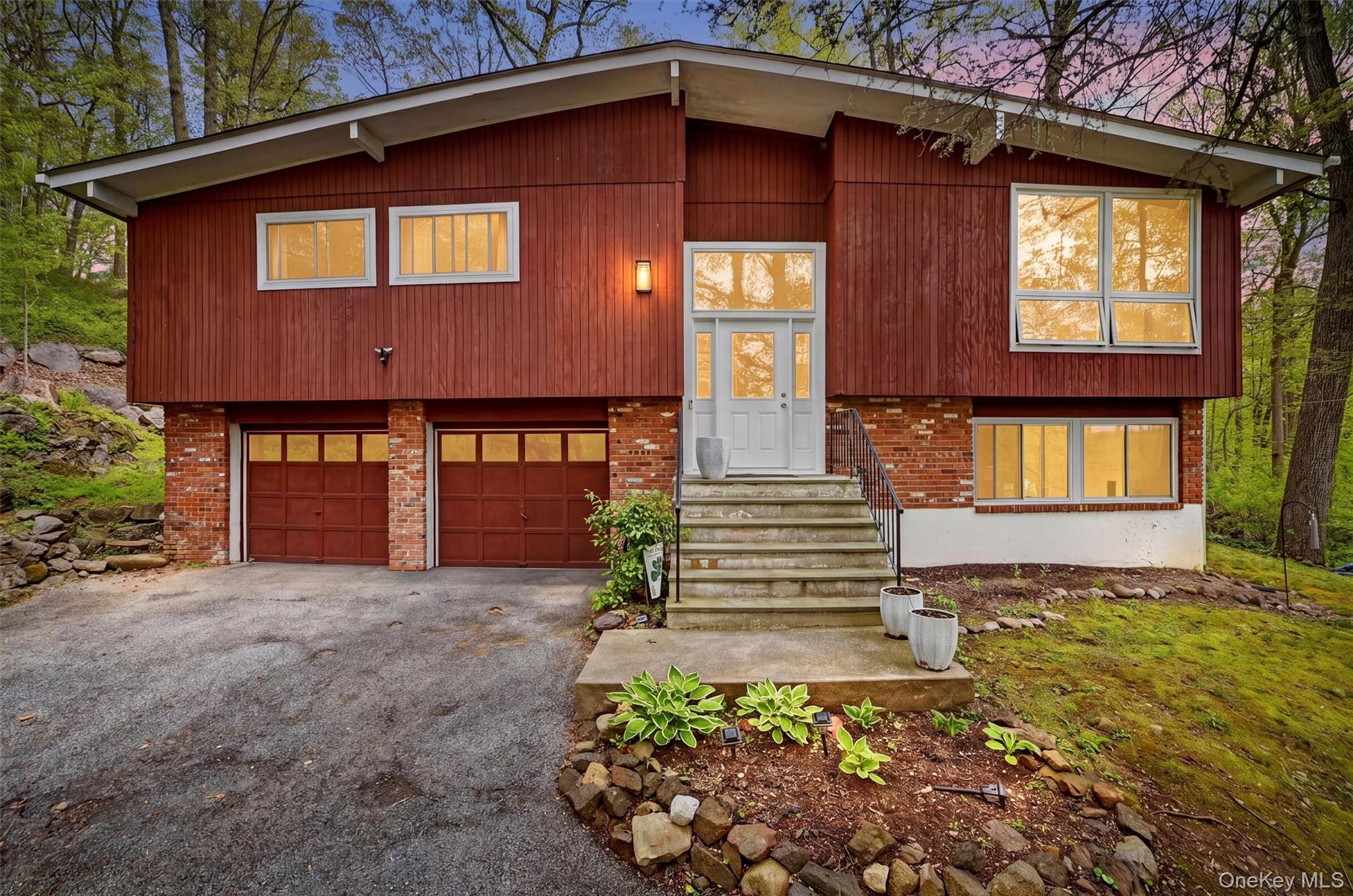
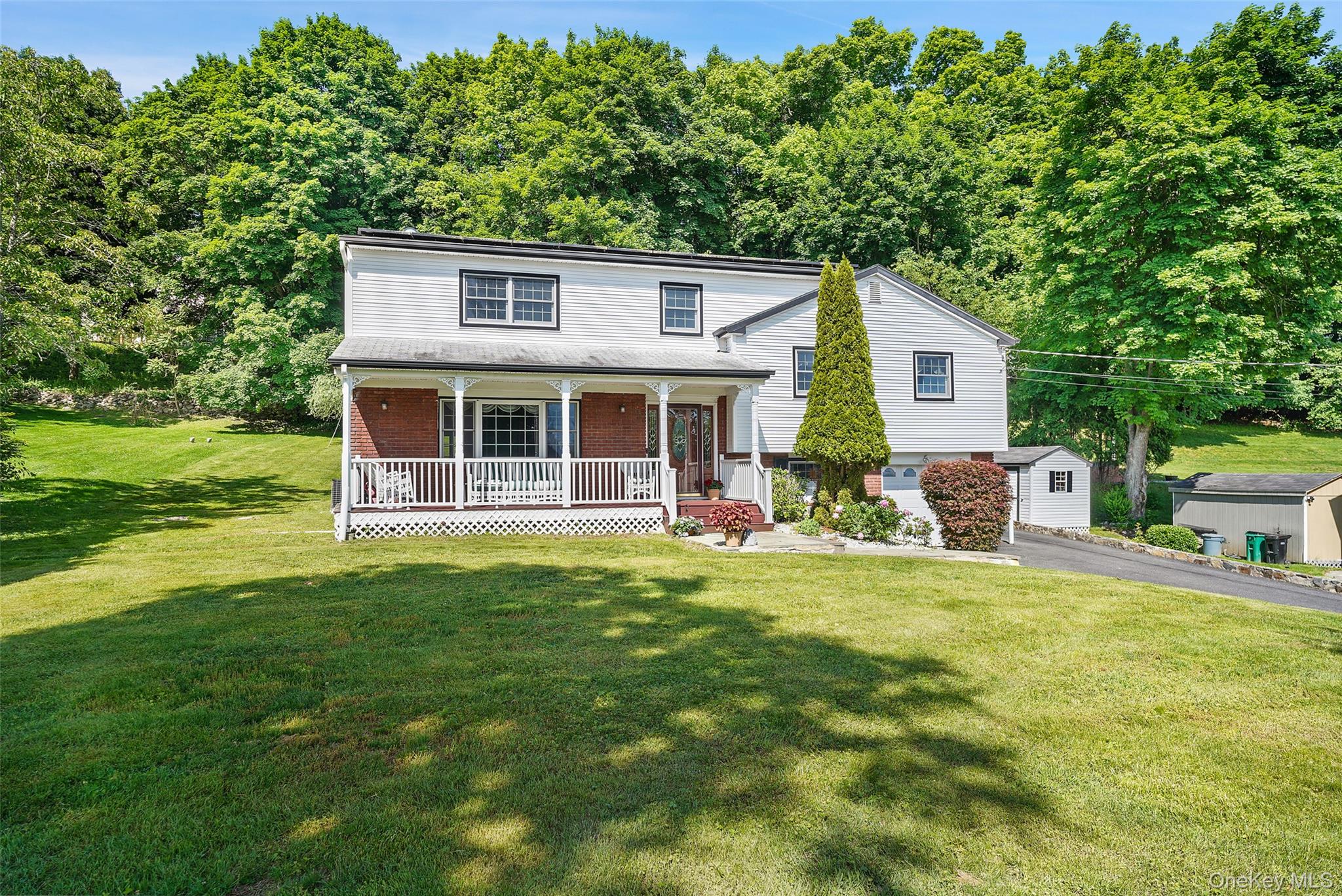
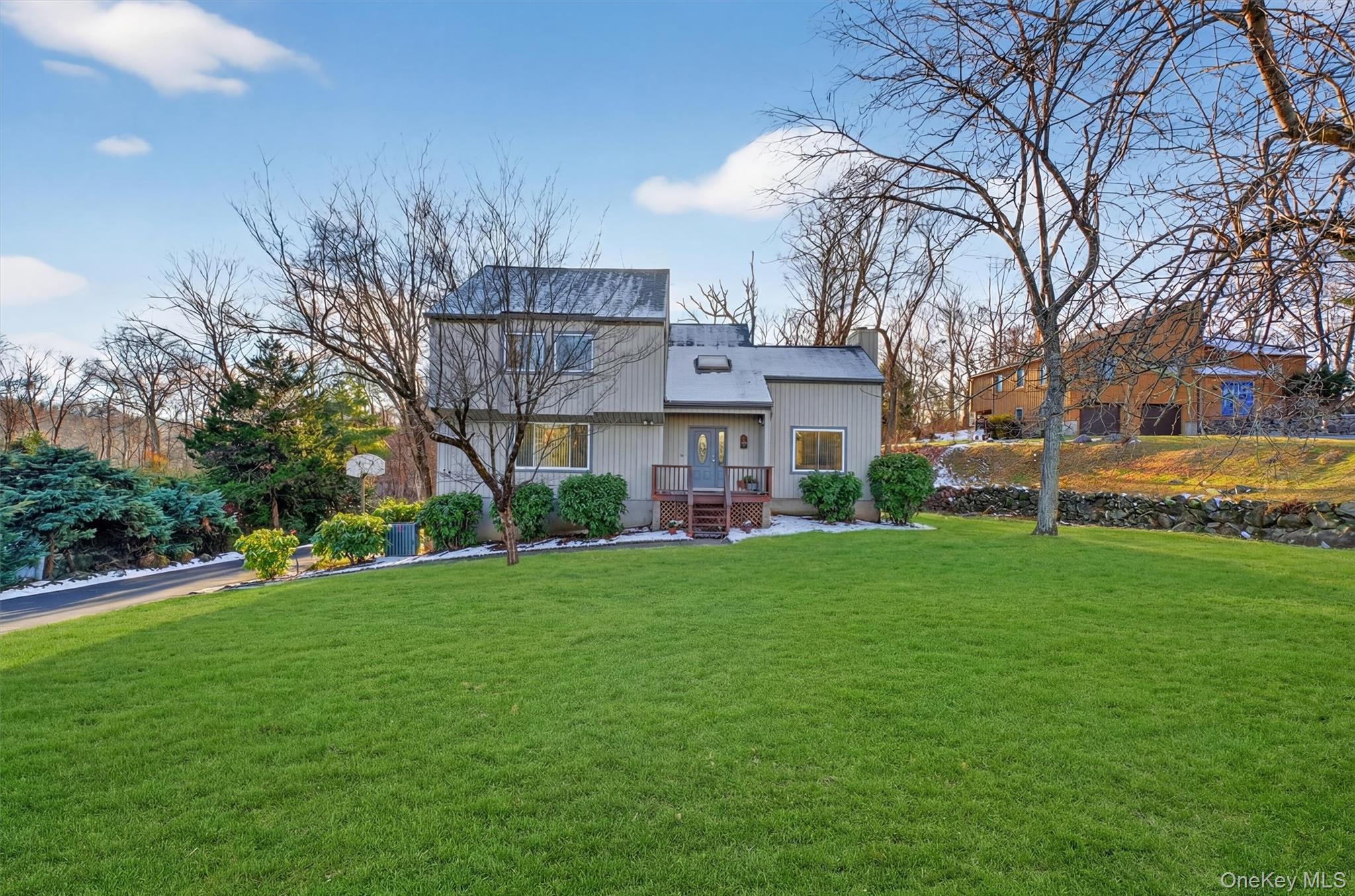
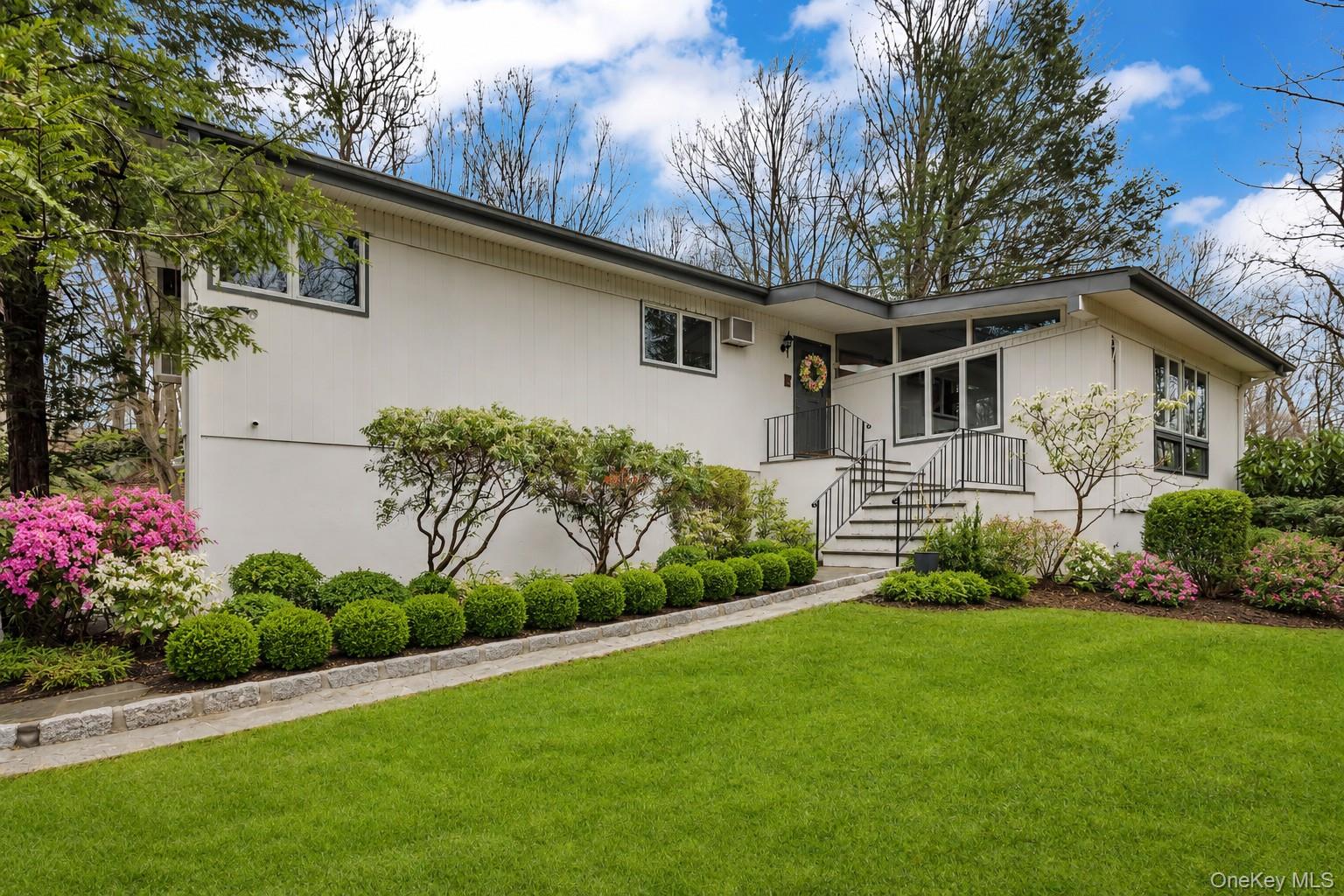
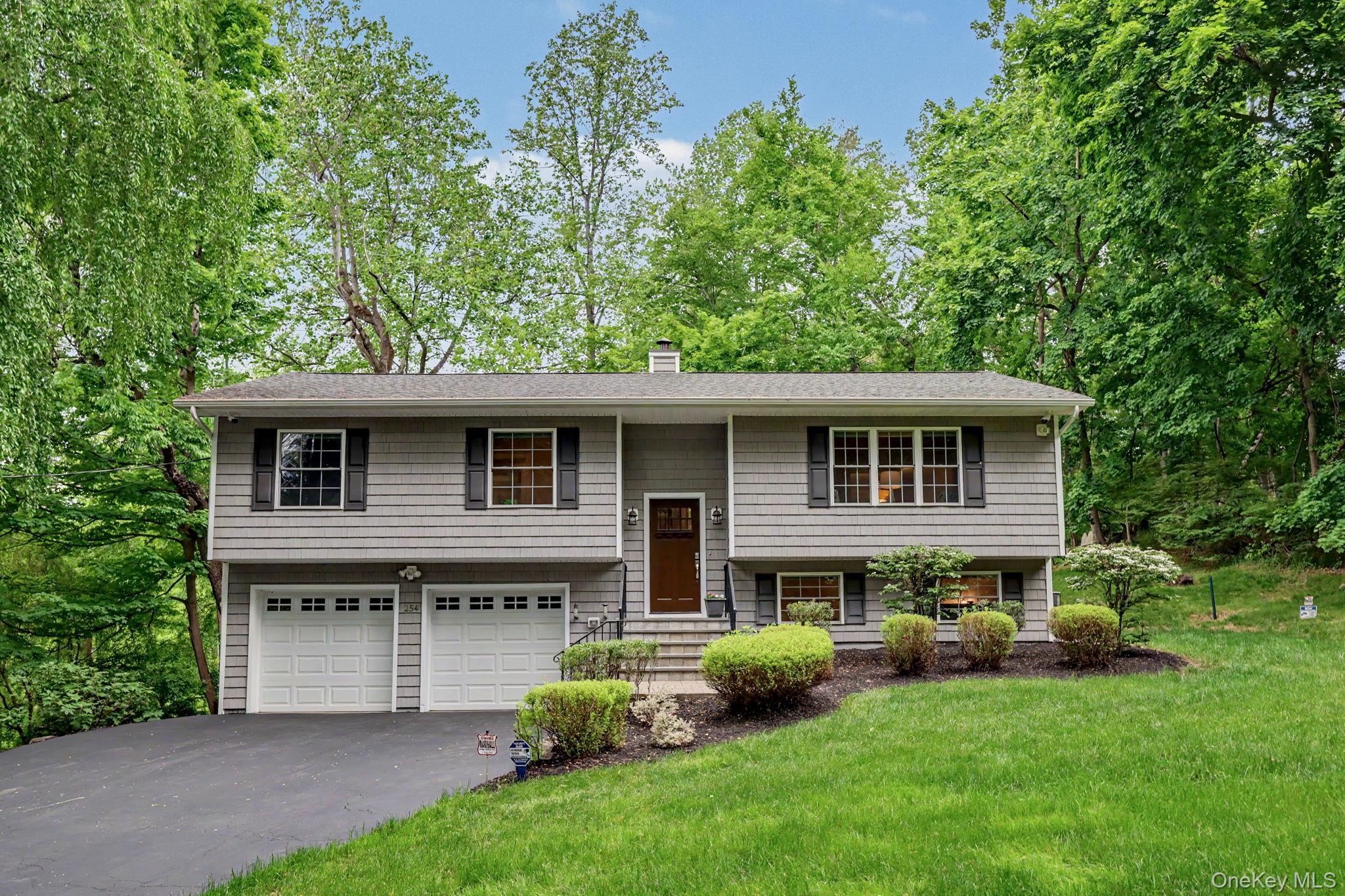
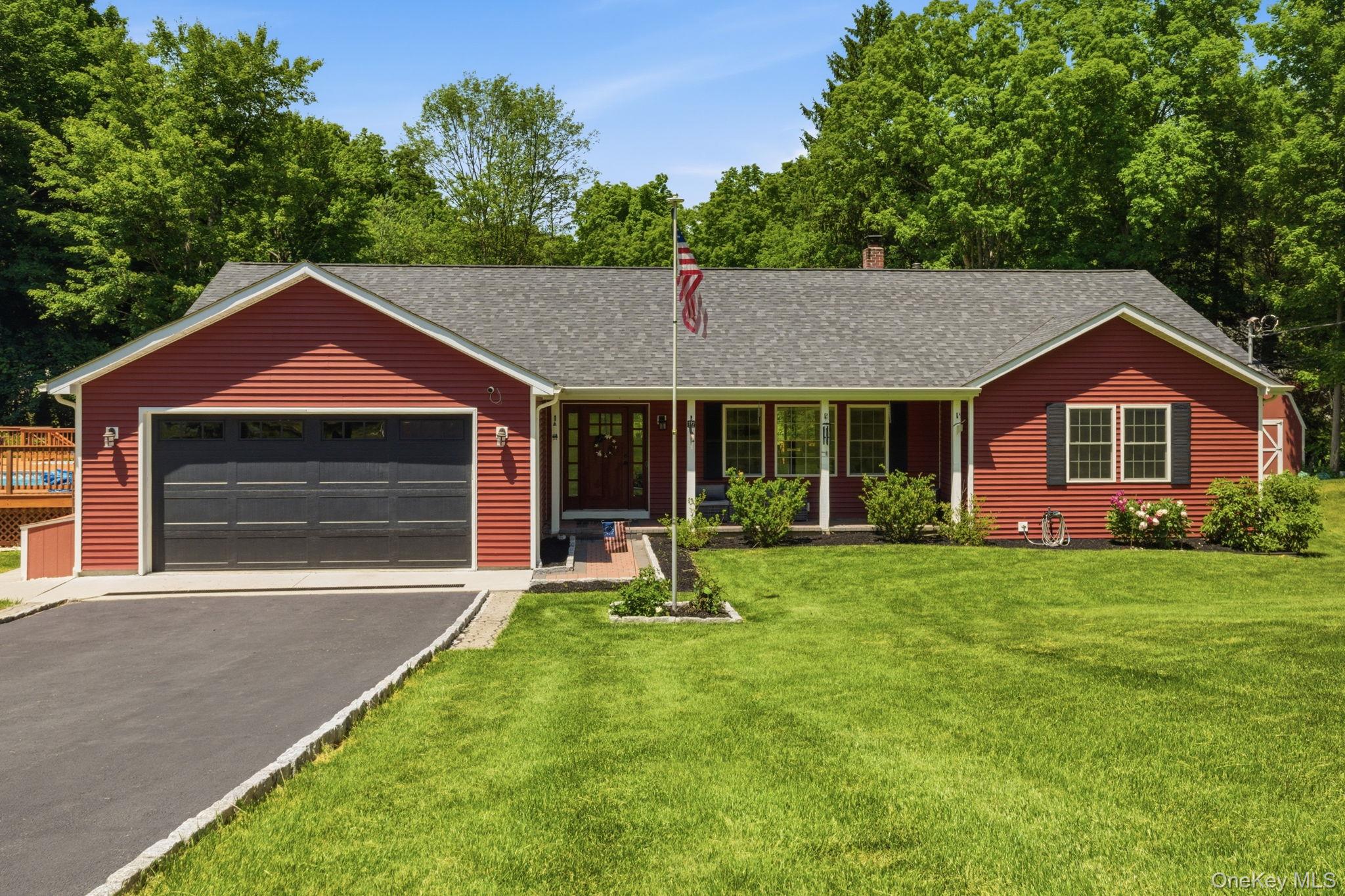
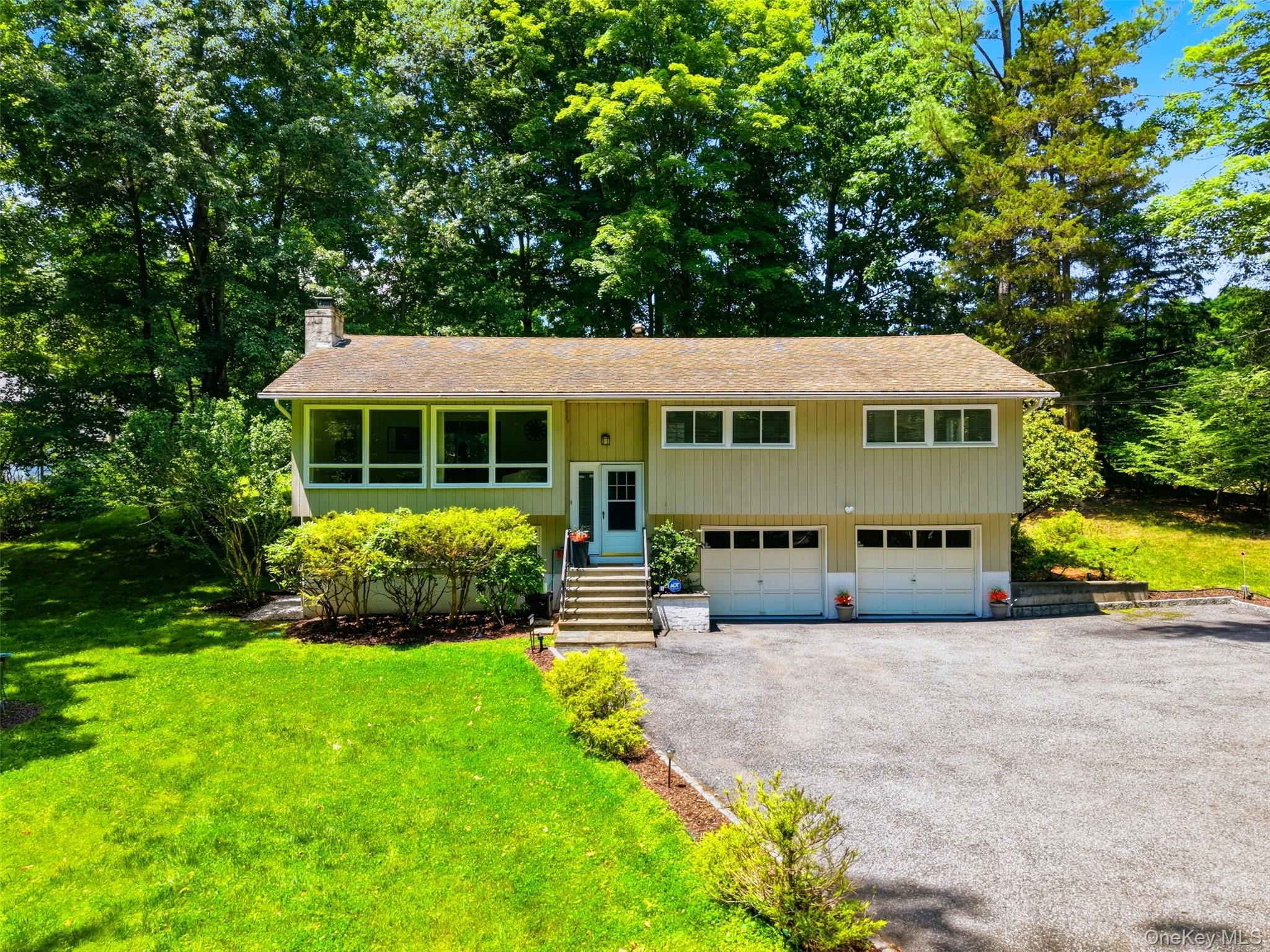
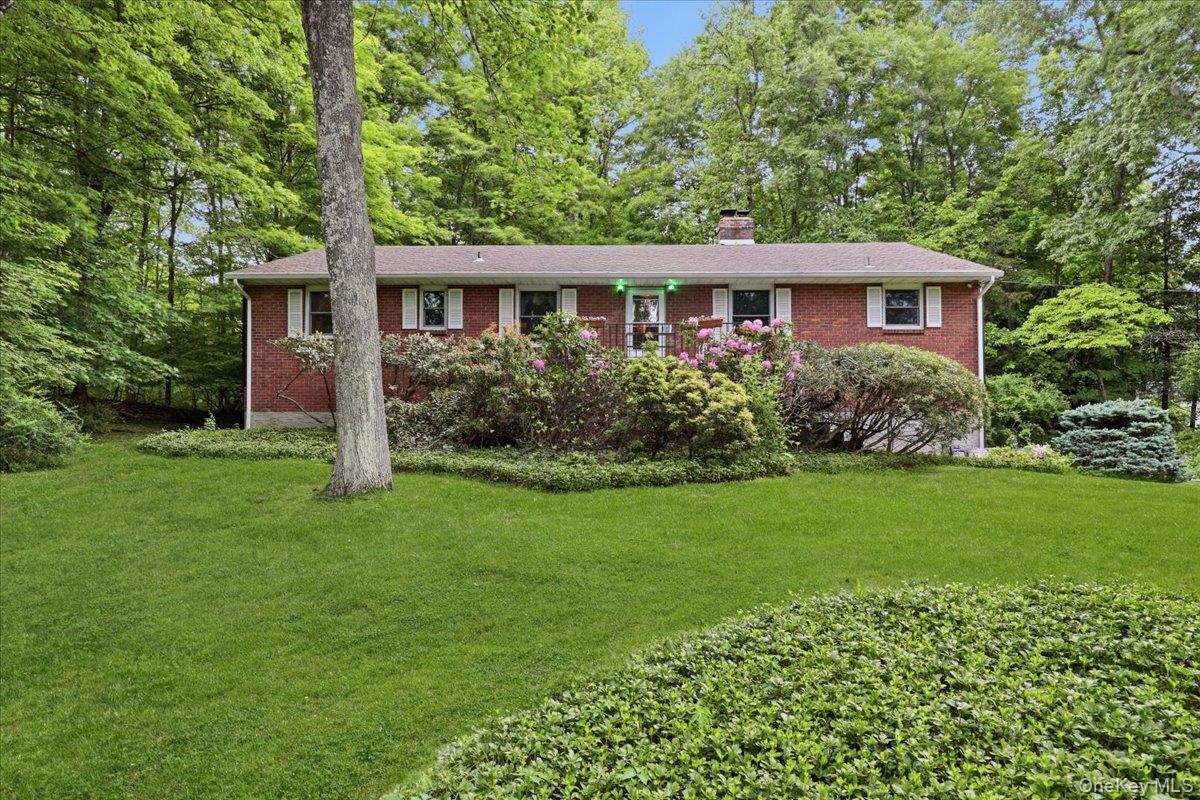
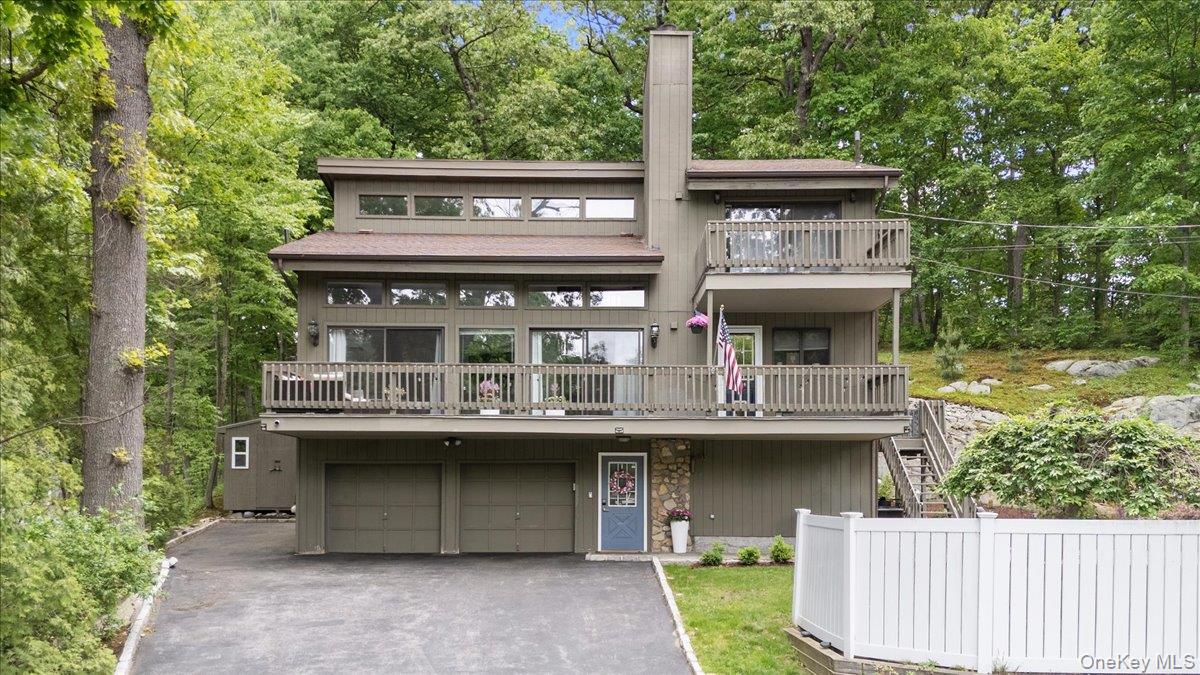
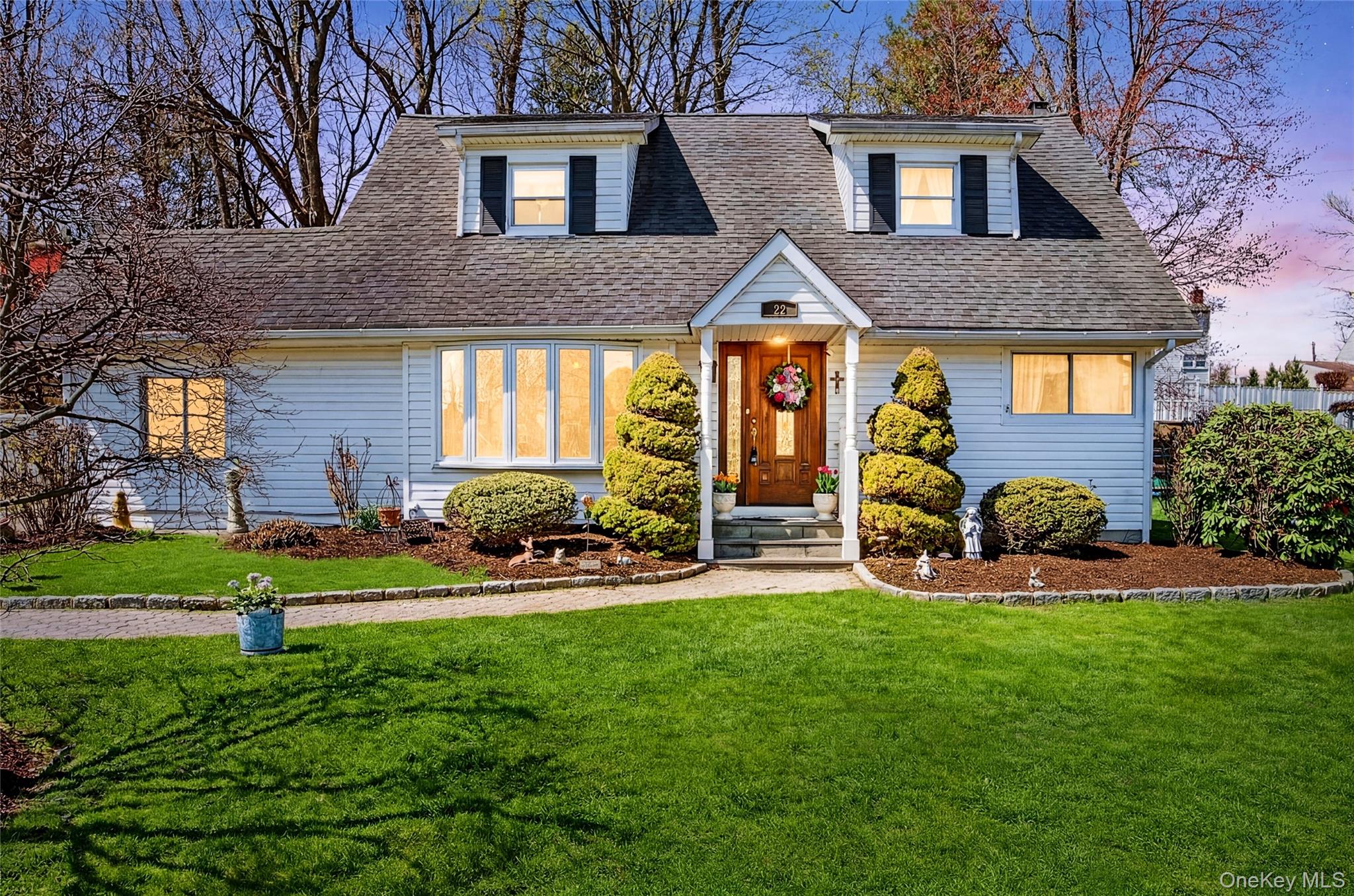
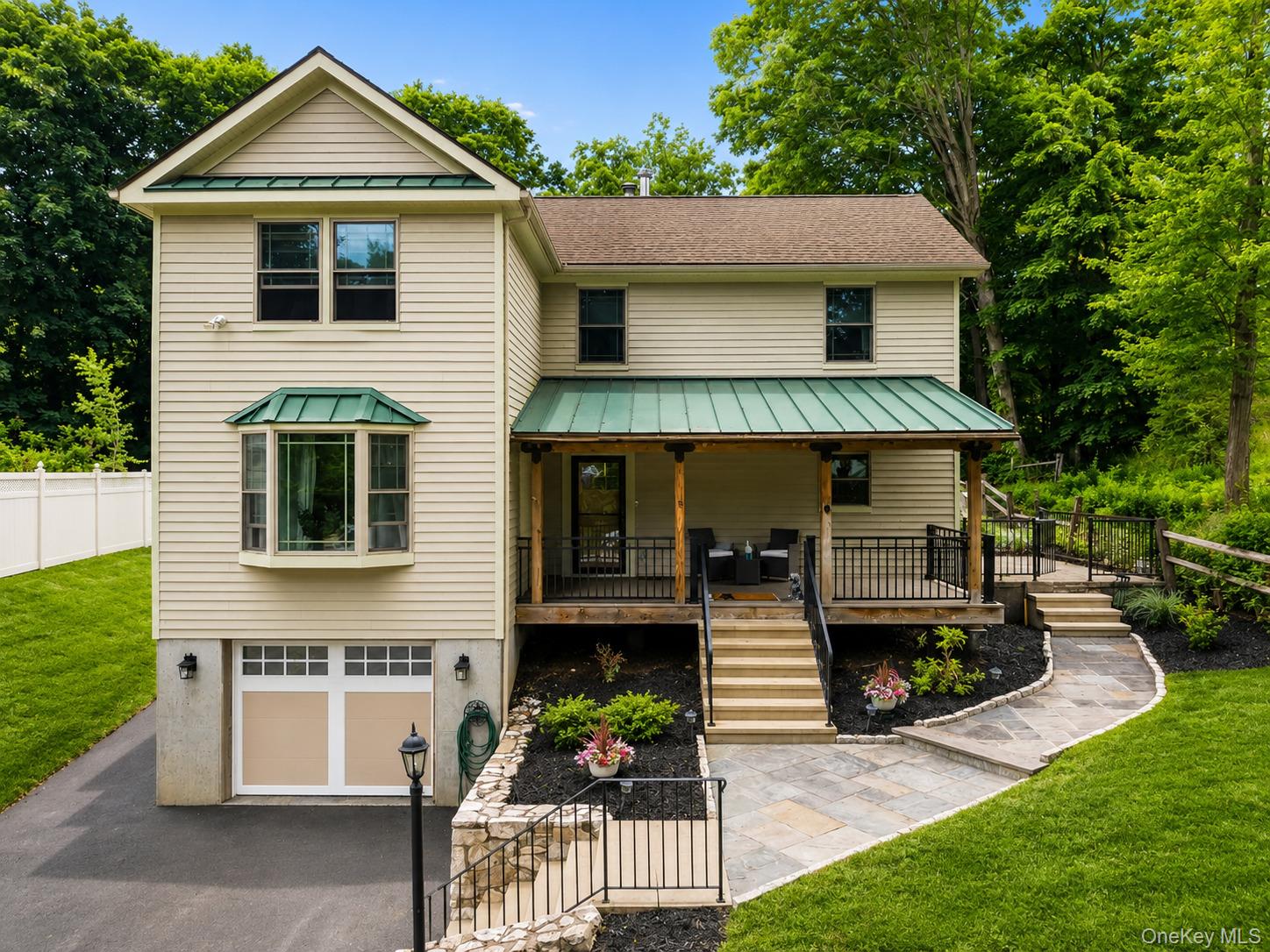
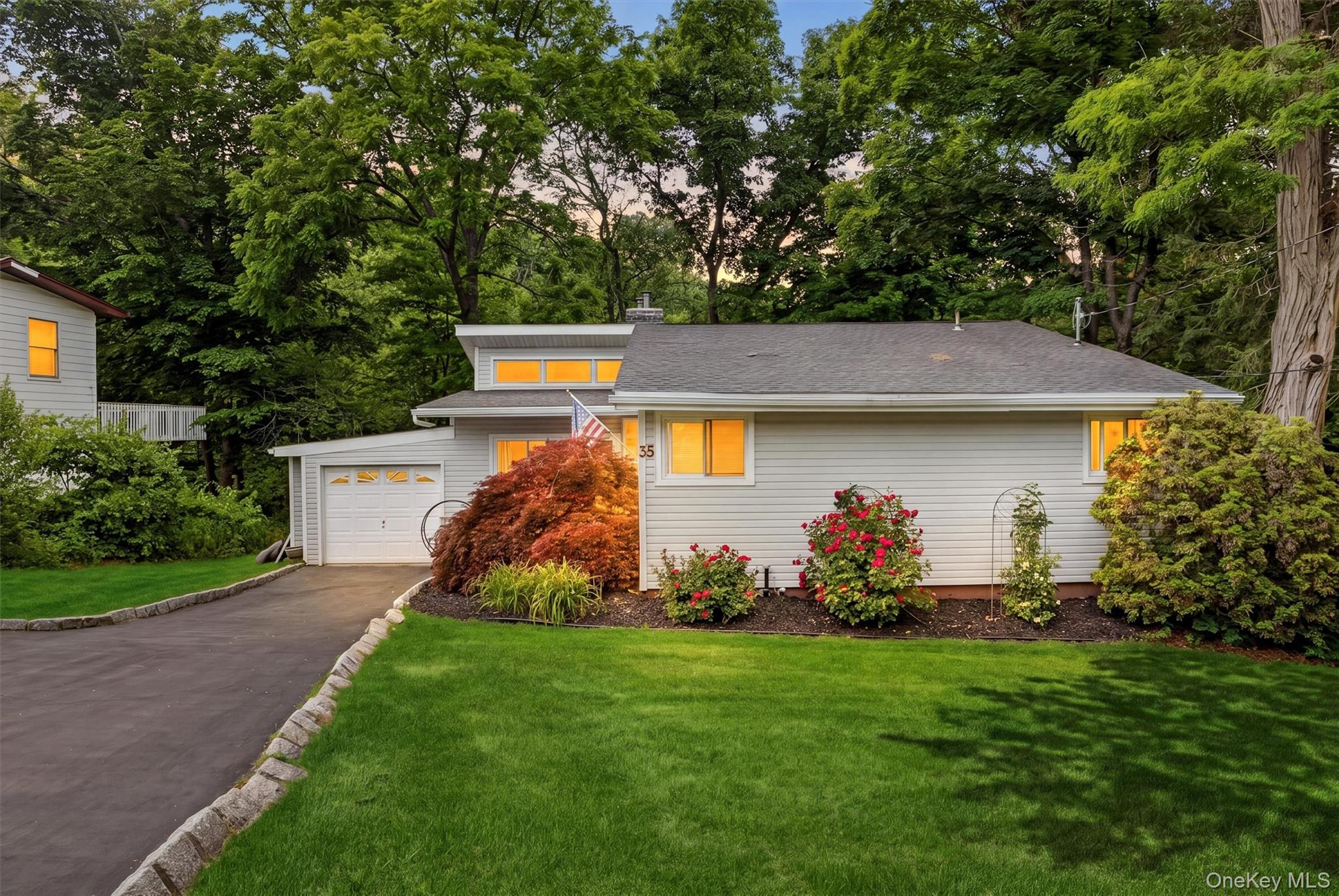
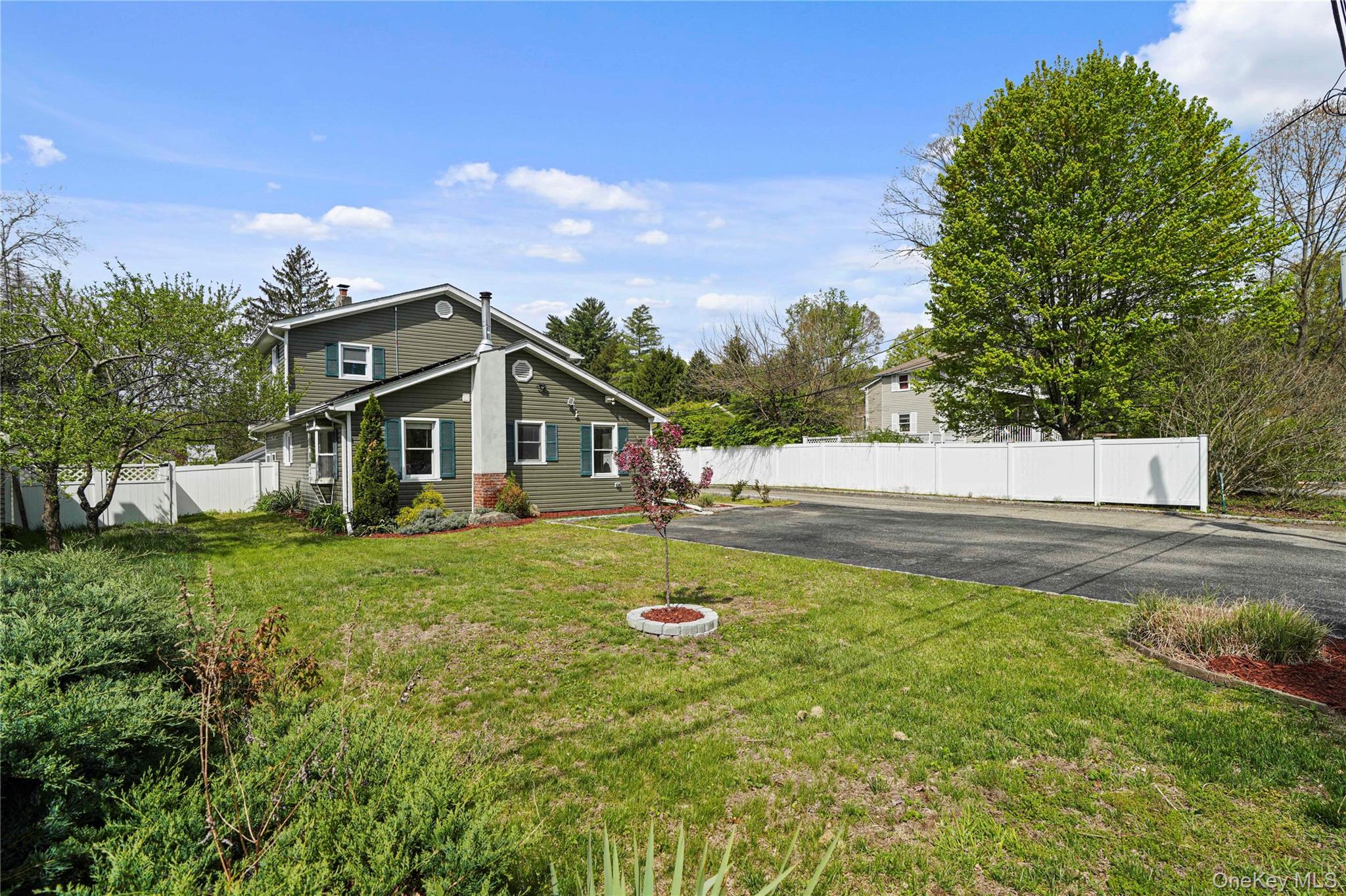
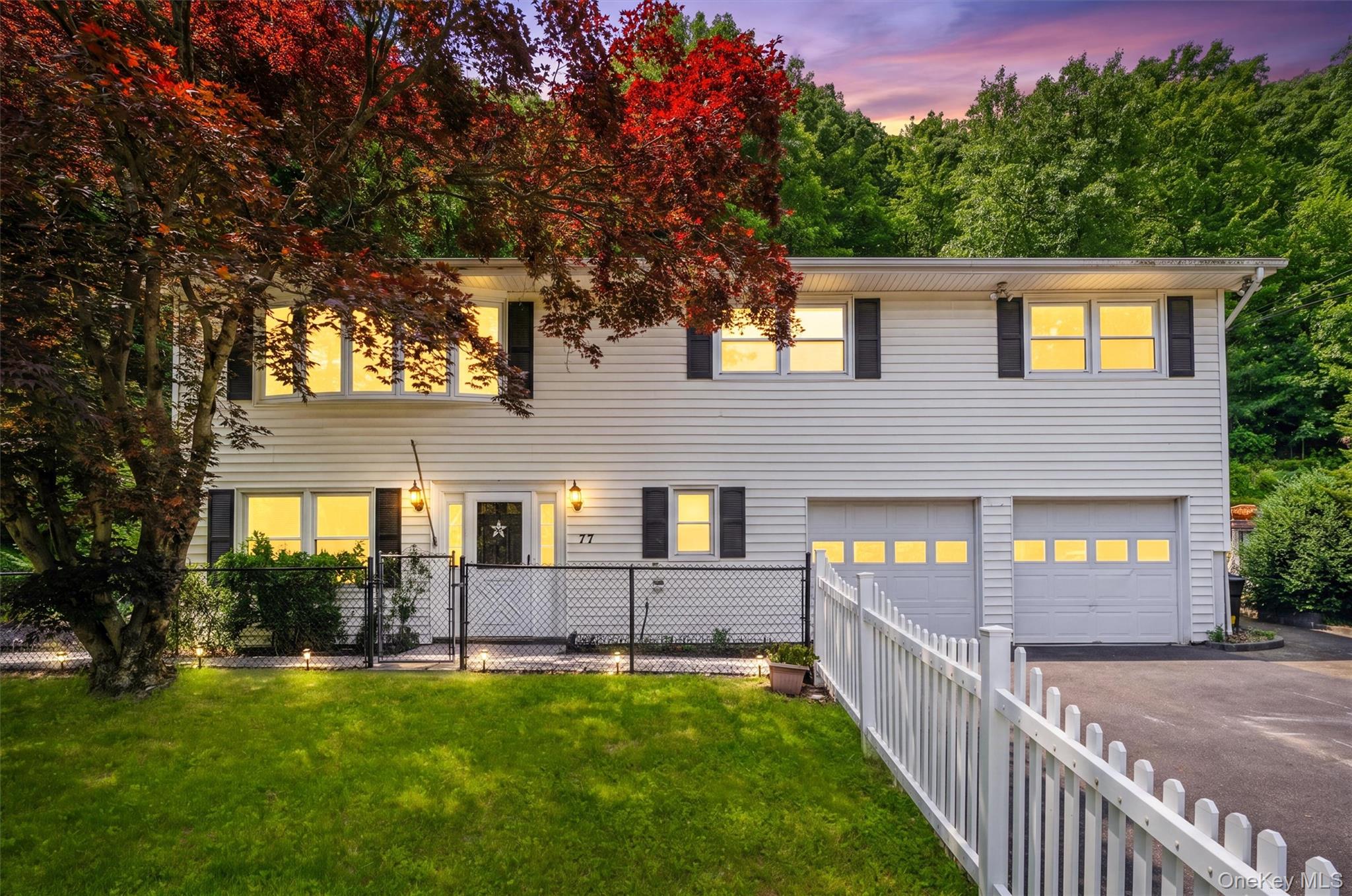
Cortlandt Manor’s architectural landscape reflects the area’s historical depth and suburban evolution. Dominated by Colonial Revivals, Cape Cods, and ranch-style homes, the neighborhood also features a blend of mid-century modern and custom transitional builds, offering a broad palette for buyers with varied aesthetic preferences.
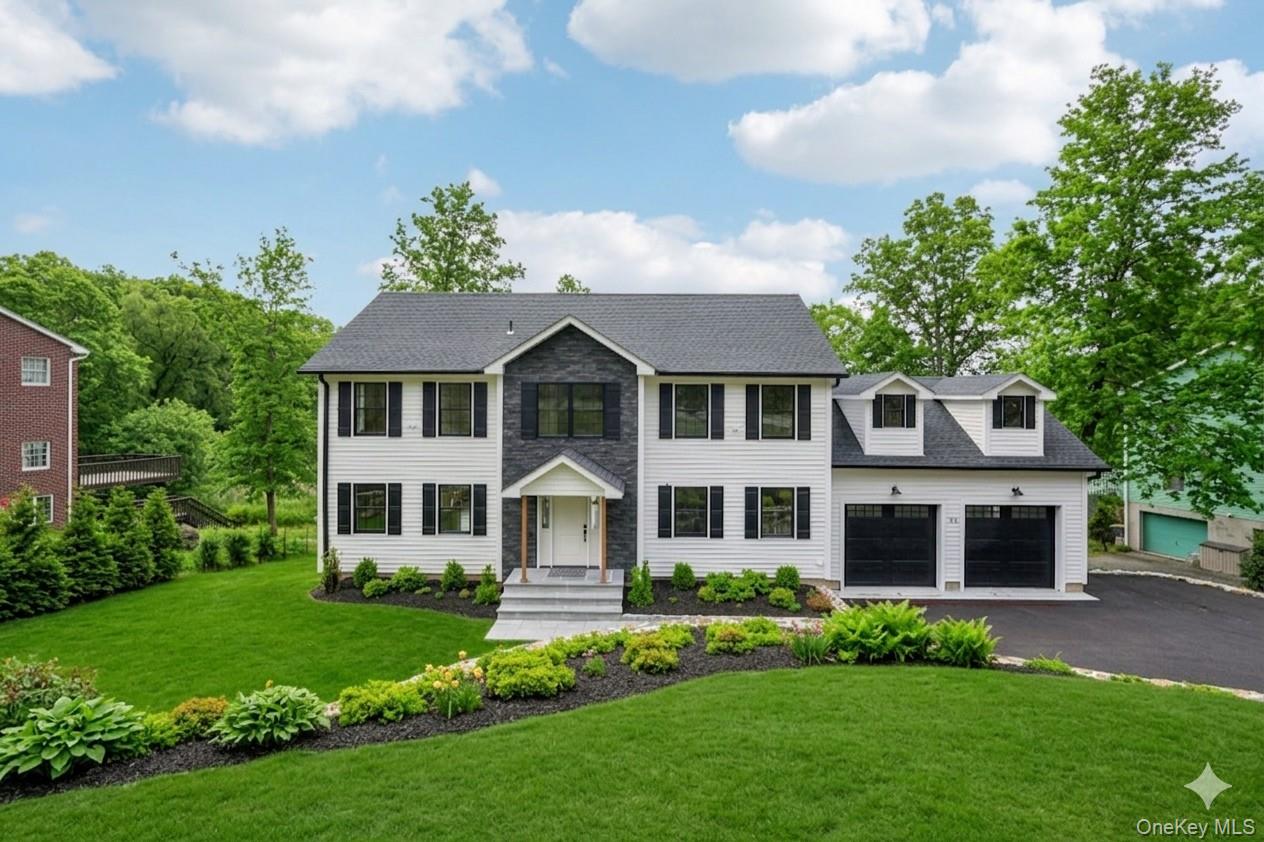
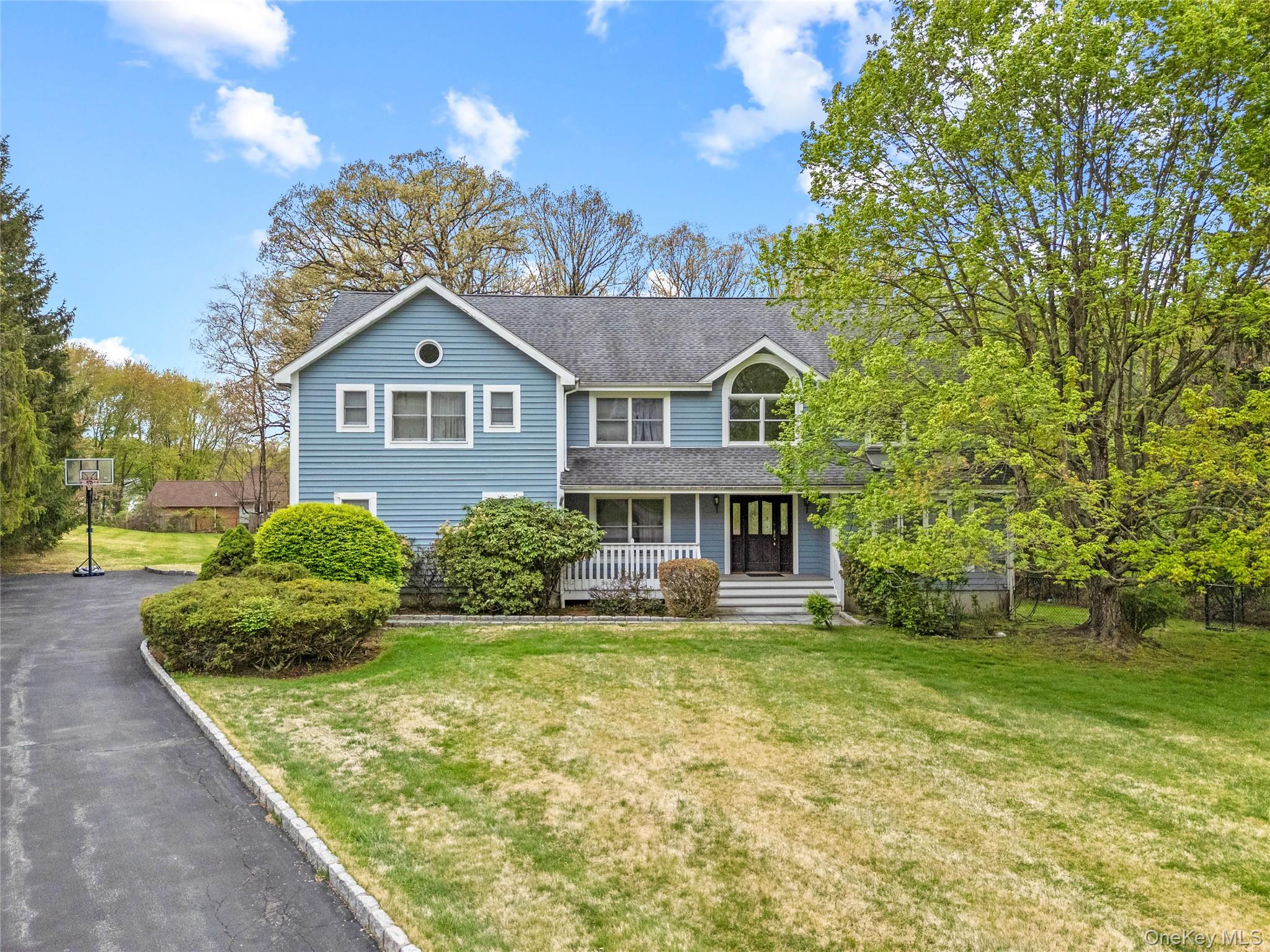
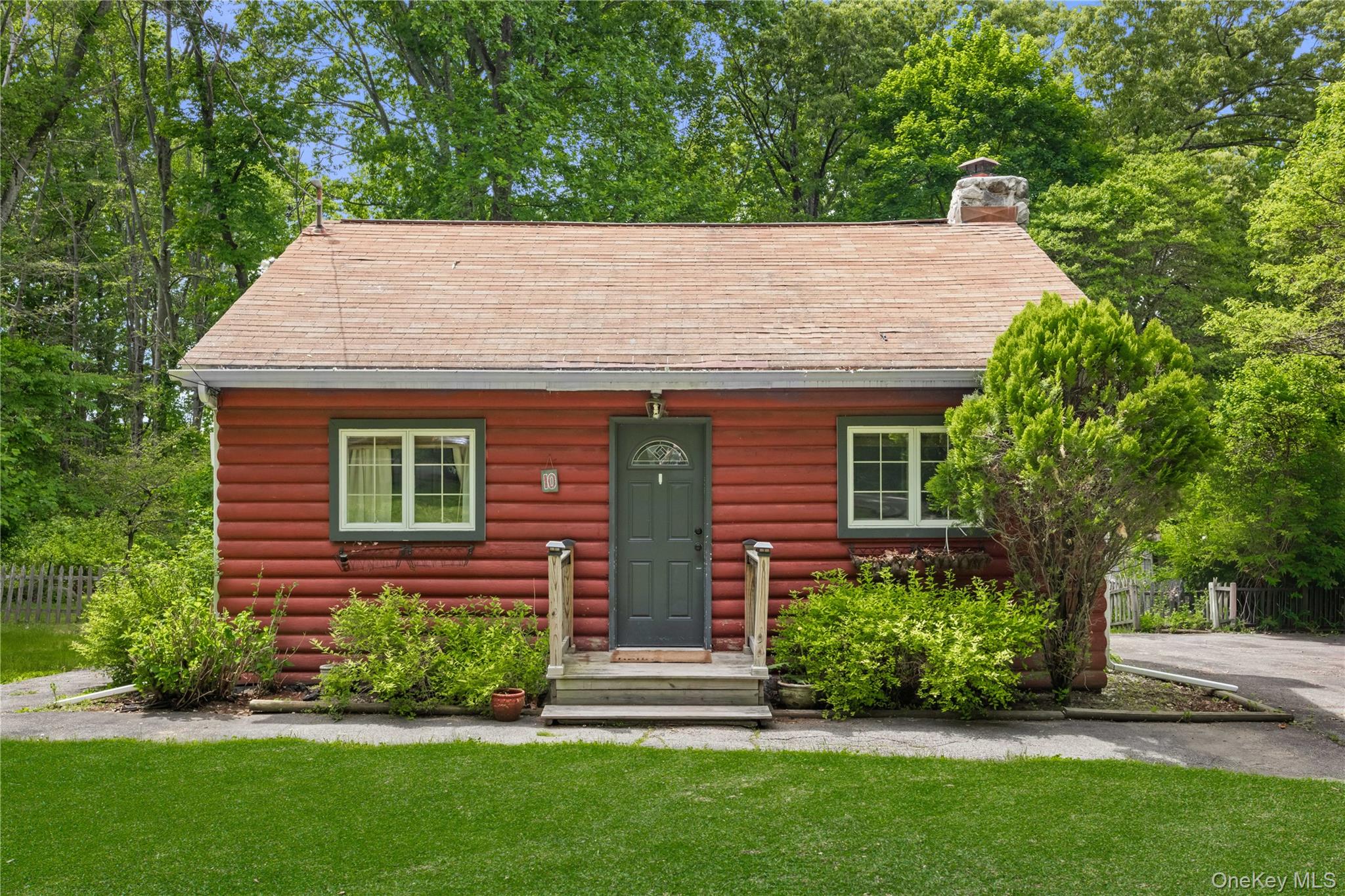
Classic Dutch Colonials and Federal-style homes reflect the area's early American roots, often characterized by symmetrical facades, dormer windows, and central chimneys. These homes tend to sit on larger parcels, particularly in older pockets of the neighborhood. In contrast, ranch homes from the postwar building boom offer single-level living, wide footprints, and open-concept interiors, ideal for aging-in-place or modern renovations.
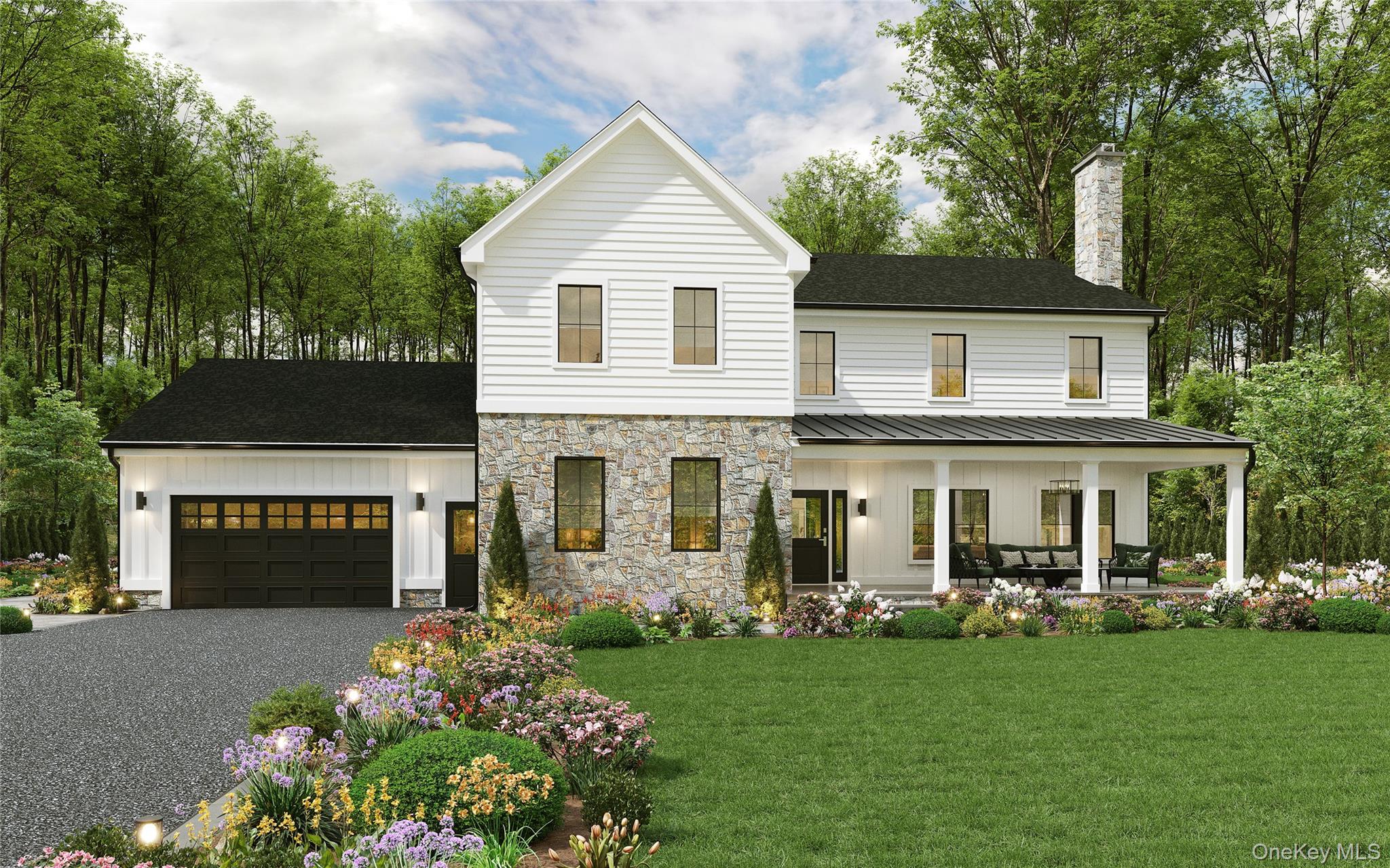
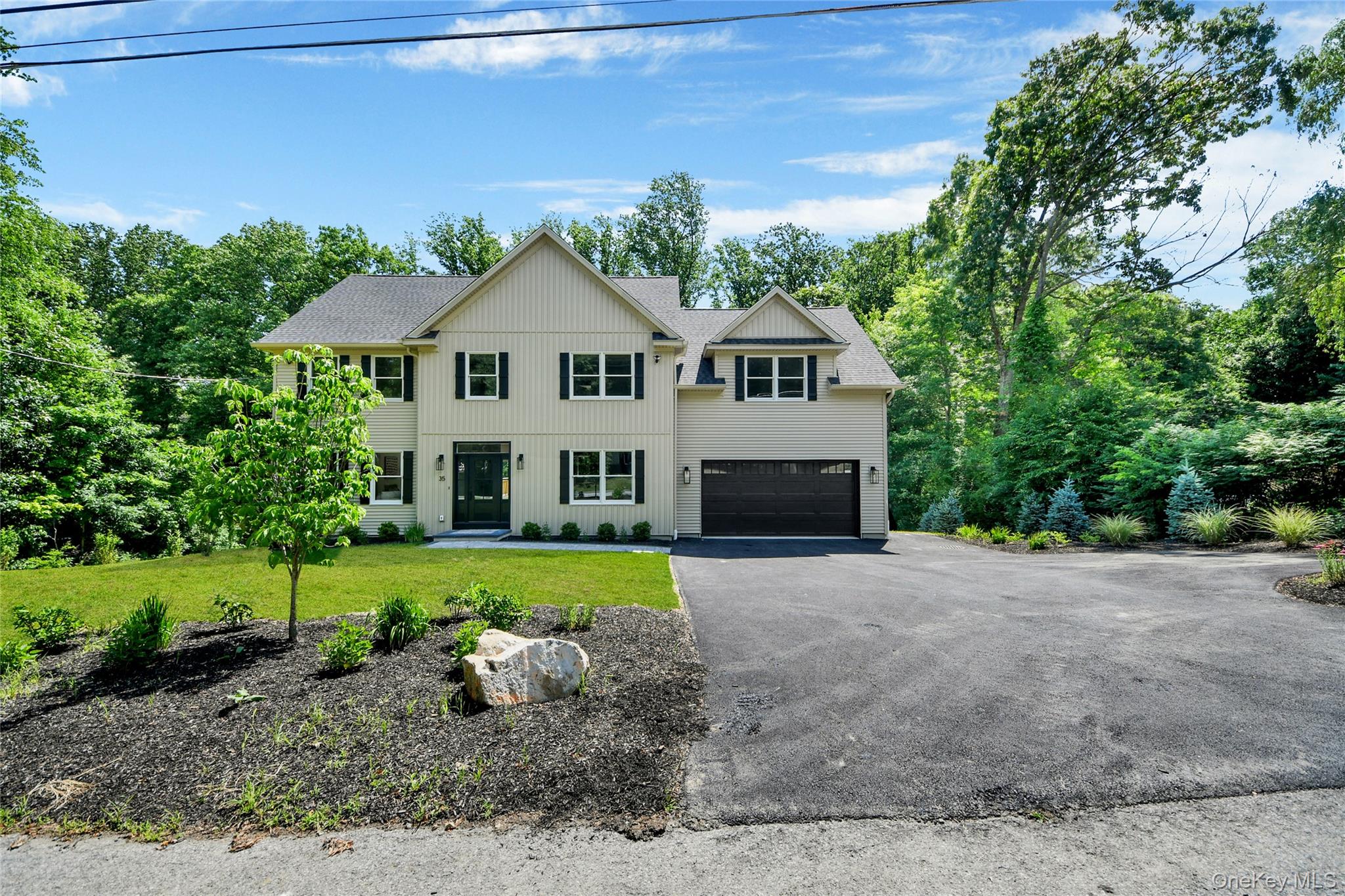
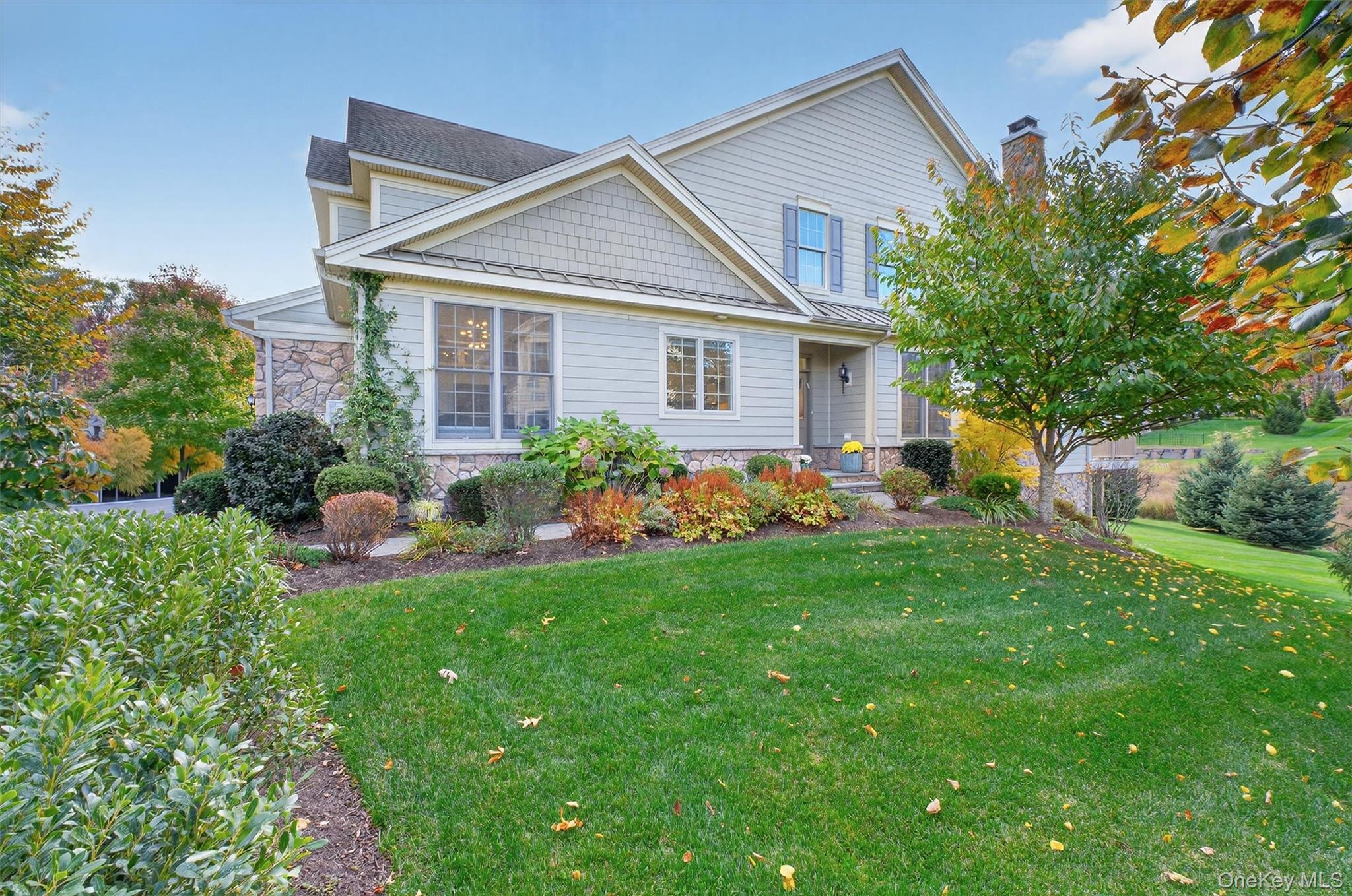
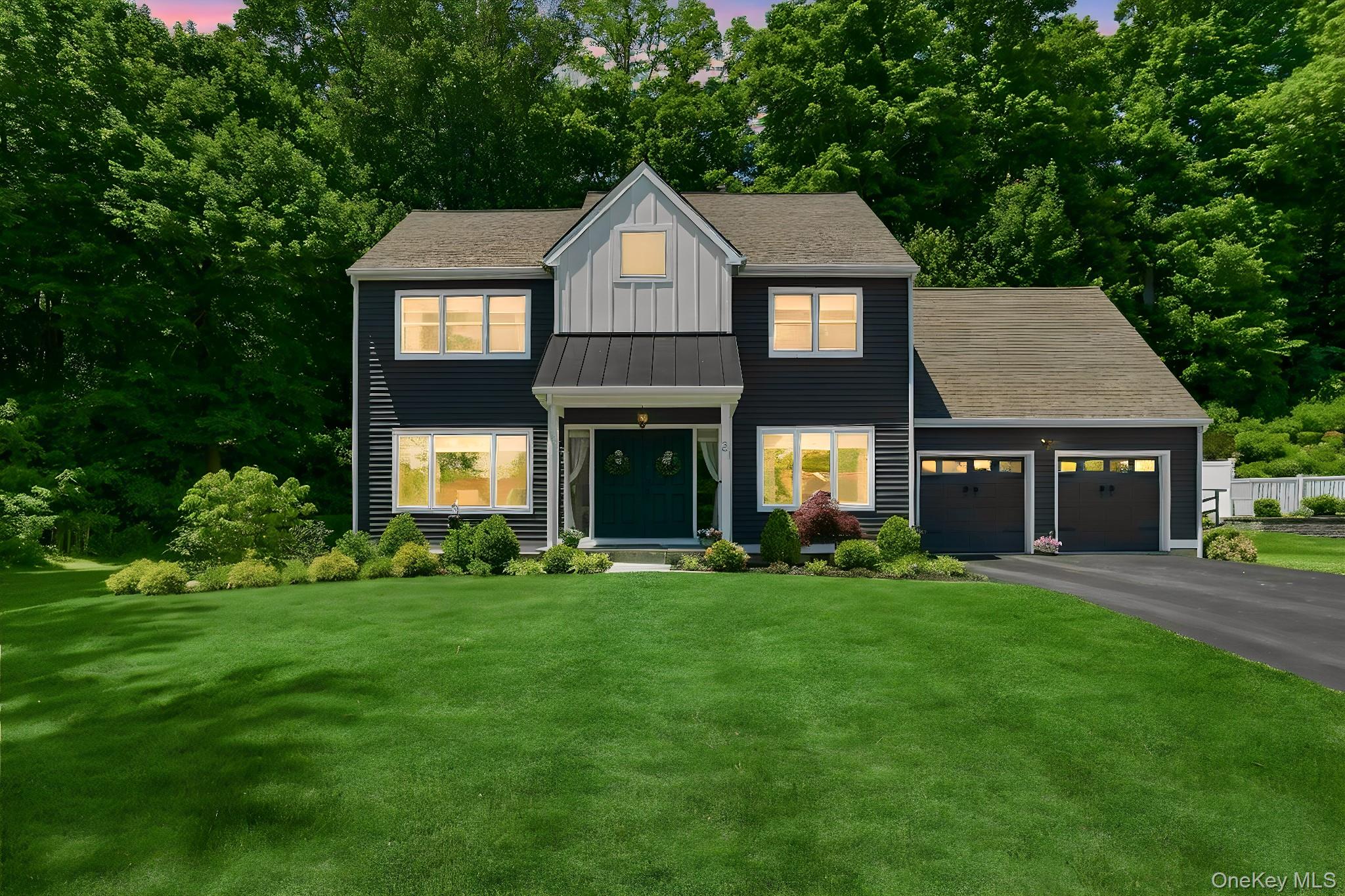
More recently, transitional architecture—blending traditional exteriors with modern interior layouts—has gained popularity, especially in custom new builds. These homes often incorporate shiplap accents, open floor plans, vaulted ceilings, and energy-efficient upgrades, reflecting current design trends. Some custom homes are also inspired by Arts and Crafts or New England farmhouse aesthetics, with board-and-batten siding, covered porches, and gabled roofs.
While Cortlandt Manor does not have a single iconic architect tied to its development, the diversity in design—from heritage builds to sleek reinterpretations—supports both preservation-minded buyers and those seeking modern comfort in a timeless setting.
Most Coveted Streets & Estates
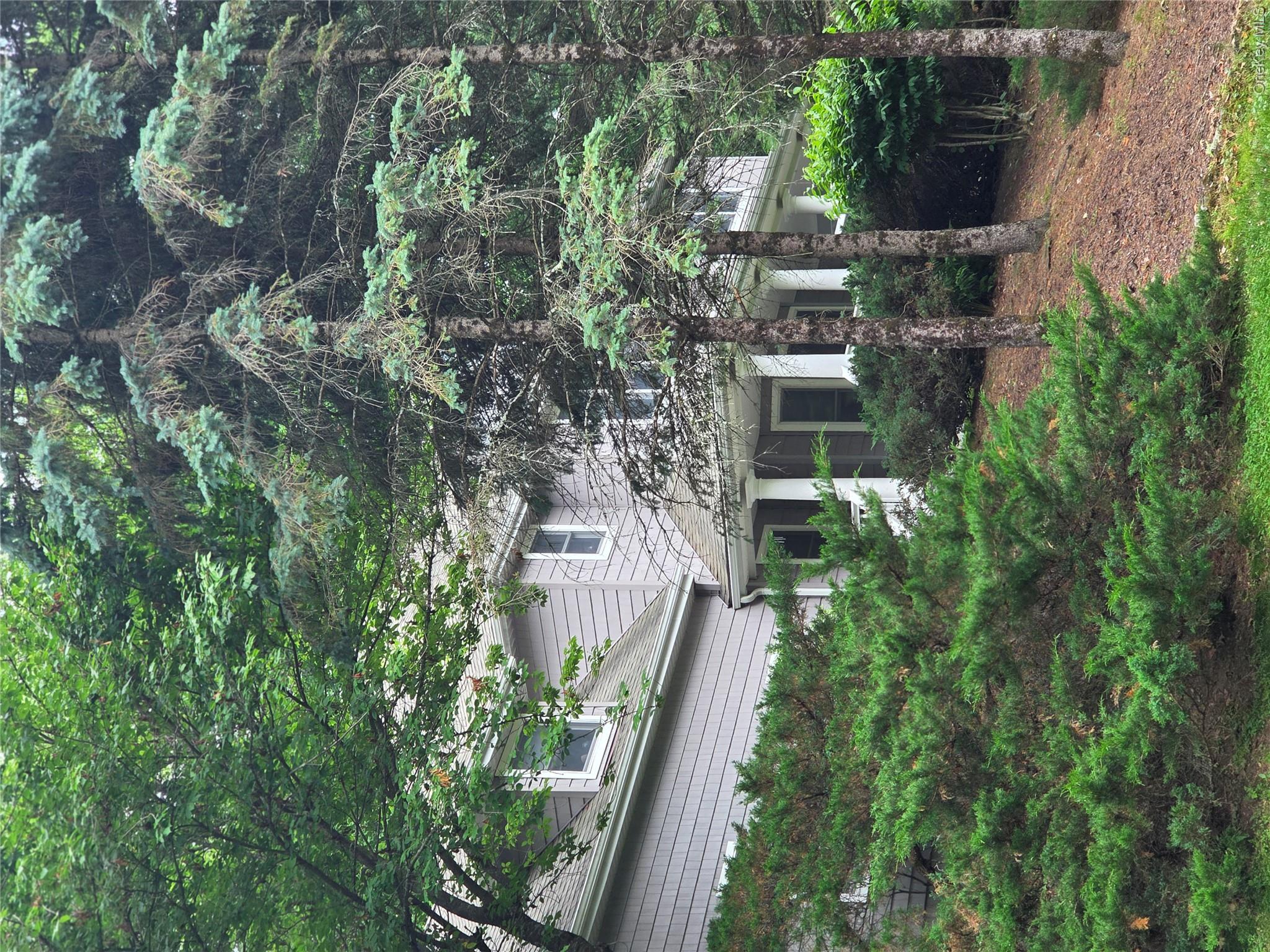
Cortlandt Manor’s most desirable addresses are often tucked into quiet, wooded enclaves that offer privacy, prestige, and proximity to parks or water views. Among the most sought-after streets is Furnace Dock Road, known for its sprawling estate homes and scenic surroundings near Blue Mountain Reservation. Homes here often come with large lots, private driveways, and mature tree cover, offering an estate-like feel within suburban bounds.
Oregon Road and Gallows Hill Road also rank high on buyer wishlists, particularly for their blend of seclusion and convenience. These roads feature a mix of historic homes and modern estates, many with custom finishes, wraparound porches, and sweeping front lawns. Some properties offer Hudson River glimpses or direct trail access, adding to their appeal.
Another standout is the Crompond Crossing area—an emerging residential pocket with newer construction and upscale finishes, attracting younger families and professionals looking for turn-key homes in a tight-knit community. While Cortlandt Manor doesn’t have officially nicknamed zones, locals often refer to pockets near Sprout Brook Park or Blue Mountain as “the backwoods” or “the preserve” due to their natural ambiance.
These micro-locations are prized for their balance of prestige, space, and lifestyle alignment—whether you're drawn to classic estates or quiet streets with new luxury builds.
Why People Love Cortlandt Manor
Cortlandt Manor captures a rare blend of space, serenity, and accessibility that resonates deeply with those seeking refuge from urban intensity without sacrificing modern convenience. Residents are drawn to the neighborhood's wooded lots, quiet streets, and expansive homes that offer room to breathe—both literally and figuratively. The lifestyle here is rooted in outdoor living, whether that means weekend hikes at Blue Mountain Reservation, morning walks along the Old Croton Aqueduct, or simply enjoying a backyard that feels like a private retreat.
Families appreciate the combination of highly rated schools, safe streets, and a tight-knit community culture where neighbors know each other and civic engagement runs deep. The area's proximity to Metro-North stations and major roadways allows professionals to maintain careers in New York City while returning each evening to a environment defined by calm rather than congestion.
Beyond the practical, there's an emotional appeal that's harder to quantify. Cortlandt Manor feels removed from the pressures of status-driven suburbs—there's no keeping up with flashy trends or gated exclusivity. Instead, the community values authenticity, longevity, and a shared respect for the natural landscape. It's a place where people stay, raise families, and build long-term roots.
For those who prioritize space over spectacle, nature over nightlife, and community over commerce, Cortlandt Manor offers a compelling answer—one that balances heritage with modern living, and tranquility with connection.
Who is Cortlandt Manor For?
Cortlandt Manor is ideal for buyers who value space, quiet, and community—without sacrificing proximity to metropolitan centers. It's especially appealing to young families seeking strong public schools and access to nature, NYC professionals looking for a retreat from urban life, and empty nesters desiring low-key luxury with room to garden, entertain, or simply relax.
With a lifestyle centered on outdoor recreation, homeownership stability, and a strong civic culture, Cortlandt Manor attracts those who prefer subtle sophistication over showy amenities. It's also a fit for remote and hybrid professionals who need access to infrastructure but want a daily environment that promotes focus and wellness.
This is not a nightlife-driven or trend-chasing community—Cortlandt Manor is for those who appreciate heritage, privacy, and long-term investment in both property and quality of life.
Search All Homes for Sale in Cortlandt Manor