Ask anyone tracking Mahopac real estate this year and you'll hear the same headline: prices are up sharply. In May 2026, the median sale price was $687,000, more than 20 percent higher than in May last year. That sounds like a market where everything is getting more expensive, fast.
It isn't quite that simple. In May, the median price per square foot in Mahopac actually fell, down close to 17 percent year over year to $249. Fewer homes changed hands too, just 11 in May compared with 17 the year before, and the ones that did sell took longer to close, a median of 35 days on market versus 23 the year prior.
Put those numbers side by side and a different story appears. The median isn't climbing because every square foot costs more. It's climbing because the mix of what's selling has shifted toward larger, more complex properties, many of them lake-adjacent, that carry more square footage and more paperwork than the typical inland colonial. And that paperwork, not buyer hesitation, is a big part of why closings are stretching out.
| Metric | May 2026 | Same month, prior year |
|---|---|---|
| Median sale price | $687,000 | roughly $570,000 |
| Median price per square foot | $249 | roughly $299 |
| Homes sold | 11 | 17 |
| Median days on market | 35 | 23 |
If you're planning to sell a Mahopac property this year, especially one on or near the water, the friction hiding inside that table matters more than the topline price. Here's what's actually driving it.
Same Lake, Different Rules
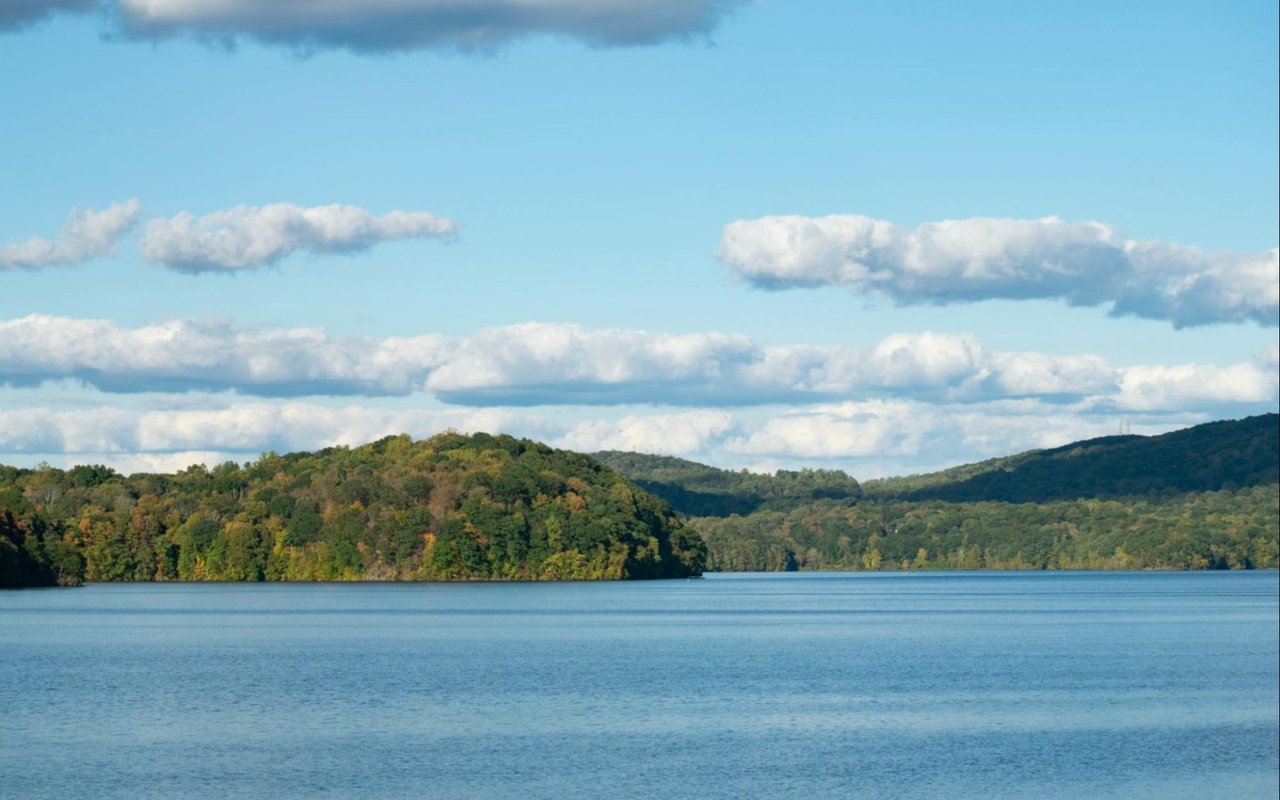
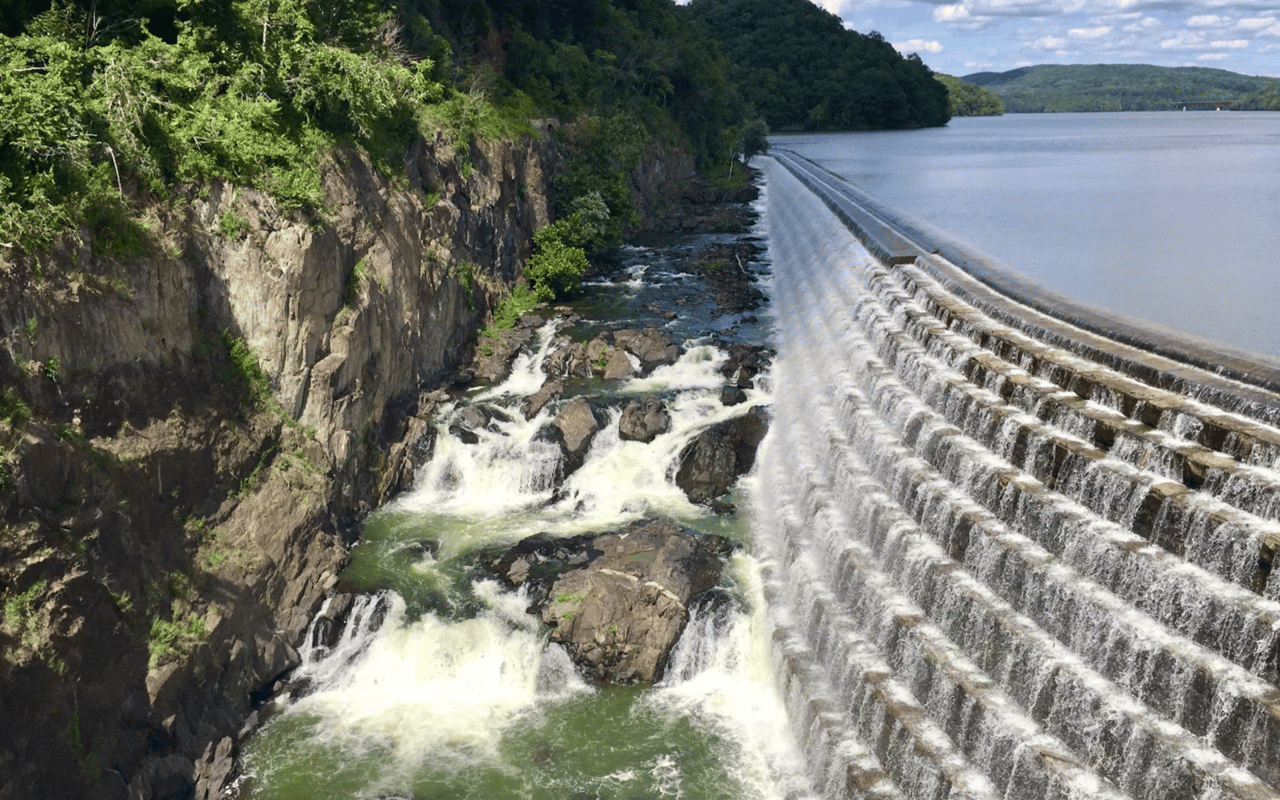
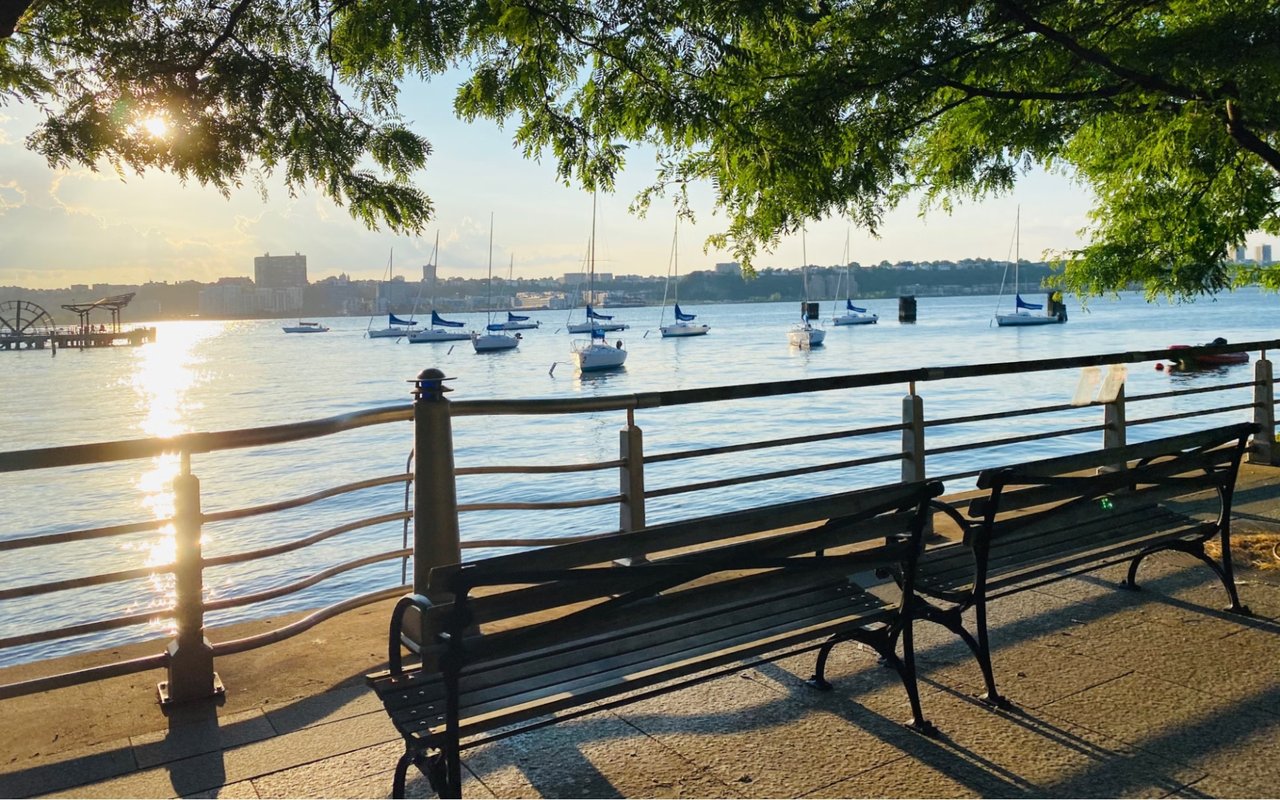
Lake Mahopac itself is a single 583-acre body of water with 3.8 miles of privately owned shoreline, according to the New York State Department of Environmental Conservation. Public access runs through two marinas on the south shore off South Lake Boulevard, both of which charge a launch fee. The DEC also notes that Mahopac Lake is one of the few Putnam County waterbodies that's both open to public access and outside the New York City watershed system, and it's one of the relatively few area lakes where gasoline-powered boats are permitted at all.
What the DEC page doesn't tell you is that the lake community around Mahopac is actually governed by a patchwork of smaller districts and associations, not one uniform authority. Lake Casse, Lake Baldwin, Secor, and McGregor each have their own history, their own governing structure, and in at least one documented case, their own financial trouble.
Local reporting from Mahopac News details how the Lake Baldwin Taxpayers Association, formed in the 1950s, has incomplete board records. When a severe fish kill hit the lake during a summer 2025 heat wave, residents found the town couldn't help because the old tax association still owed the county back taxes, a debt that predates any current homeowner and can't simply be wiped away. Town Supervisor Mike Cazzari pointed to Lake Casse as the model, since that community petitioned the town years ago to become its own park district and resolved a similar problem before it snowballed. Asked why Lake Baldwin's debt couldn't just be forgiven, Cazzari put it plainly in that report: "How is that fair to all the other park districts?" Lake Baldwin residents are still working through it.
The lesson for anyone buying or selling near these smaller lakes isn't about water quality. It's about paperwork. The details behind a property's lake access belong in due diligence, not in the listing description you take at face value.
New York Made the Disclosure Paperwork Heavier
For more than two decades, New York sellers had an easy way around the state's 48-question Property Condition Disclosure Statement: pay the buyer a $500 credit at closing instead of filling it out. Attorneys who track the practice say it became routine in downstate markets, since it limited a seller's exposure for anything they might have missed.
That option disappeared on March 20, 2024. Under the amended Property Condition Disclosure Act, sellers of one-to-four family homes can no longer opt out with the credit, according to the New York State Association of Realtors. According to Taylor Eldridge, the amended form also added seven new questions specifically about flood risk, including whether the property sits in a FEMA-mapped floodplain, whether flood insurance is required, and whether any flood insurance claims have been filed on the home.
Those flood questions land differently on a lake property than they would three miles inland. A home with lake frontage or lake access is simply more likely to intersect a mapped floodplain than the average Mahopac colonial set back from the water, which means sellers in this specific pocket of the market are now the ones most likely to feel the weight of the new disclosure requirements in writing, not through a check at the closing table.
According to THSH, sales handled through an estate or transferred to a trust beneficiary remain outside the PCDA entirely. For the downsizing and estate transactions that make up a meaningful share of transactions in this part of Putnam County, that exemption still applies. Sellers of a standard lake home should get their paperwork in order well before signing a contract.
What's Actually Under the Dock
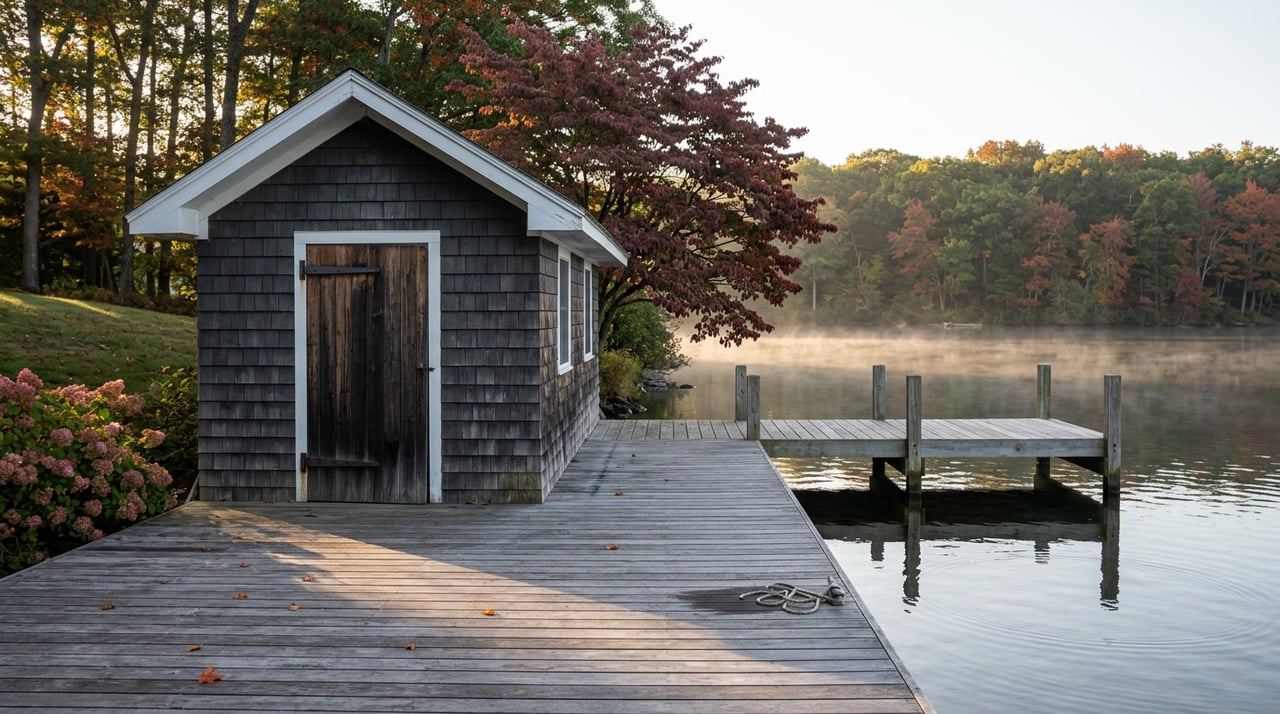
A recent Mahopac lakefront listing made the point plainly. The property, a vacant lot on the lake's west side, marketed its existing foundation from a prior 2,500-plus square foot home alongside municipal water, an existing septic system, and what the listing called a grandfathered boathouse and private dock, describing that last combination as exceptionally rare.
That word choice is a reason to verify the dock and boathouse's permit history before relying on the listing description.
Septic and well systems remain the default utility setup for most lake-adjacent homes here, not the exception, and both carry their own inspection timeline separate from a standard home inspection. Local inspectors who specialize in this exact area, including a Pillar to Post franchise based directly in Lake Mahopac, offer dedicated septic system inspection, well inspection, and water quality testing as distinct line items precisely because a general inspection doesn't cover them by default.
What This Means If You're Selling This Year
The rising median price is real. It's also not the whole picture. The properties driving that number up tend to be larger, lake-influenced homes carrying exactly the kind of documentation that takes time to assemble and verify: septic maintenance records, well test results, dock and boathouse permit history, and now a completed disclosure statement that includes flood questions.
Before listing a Mahopac lake property this year, it's worth pulling together:
- Septic pumping and inspection records, ideally recent enough to show current condition rather than assumed condition
- Well water test results, since buyers and their attorneys will ask
- Original permits or documentation for any dock, boathouse, or shoreline structure, particularly if it predates current zoning
- Written confirmation of your specific lake association or park district's governance status, including whether dues and any shared tax obligations are current
- A completed Property Condition Disclosure Statement, prepared with your attorney given the new flood-related questions
Sellers who assemble this before going to market tend to avoid the exact delays showing up in May's days-on-market figures. Buyers and their attorneys are asking for this documentation earlier in the process than they used to, and a seller who already has it in hand moves through underwriting and attorney review faster than one still tracking down a 1980s dock permit mid-contract.
If you're weighing whether this is the year to sell, our Mahopac neighborhood page and our earlier look at what to know before buying a home in Mahopac cover the broader picture of the town. This piece is about the part that shows up after the offer is accepted.
A Few Questions Worth Settling Early
What should I verify about lake access? Review the property's records and confirm any lake-access details with the relevant local association or park district.
If I'm selling as part of an estate, do I still need the disclosure statement? No. The estate-related exemption described above applies here as well.
Are Lake Mahopac homes typically on septic and well, or municipal service? Septic and well remain common for lake-adjacent properties, though some parcels pair municipal water with an on-site septic system. Either configuration should get its own inspection and testing, separate from the general home inspection.
Selling near the water here means more moving pieces than the median price suggests. If you want a clear read on where your specific property stands, before you're mid-contract discovering a dock permit that doesn't exist, The Nancy Kennedy Team can walk through it with you. Request a local market consultation to start.
This article is general information, not legal, tax or financial advice. Consult a qualified professional about your situation.