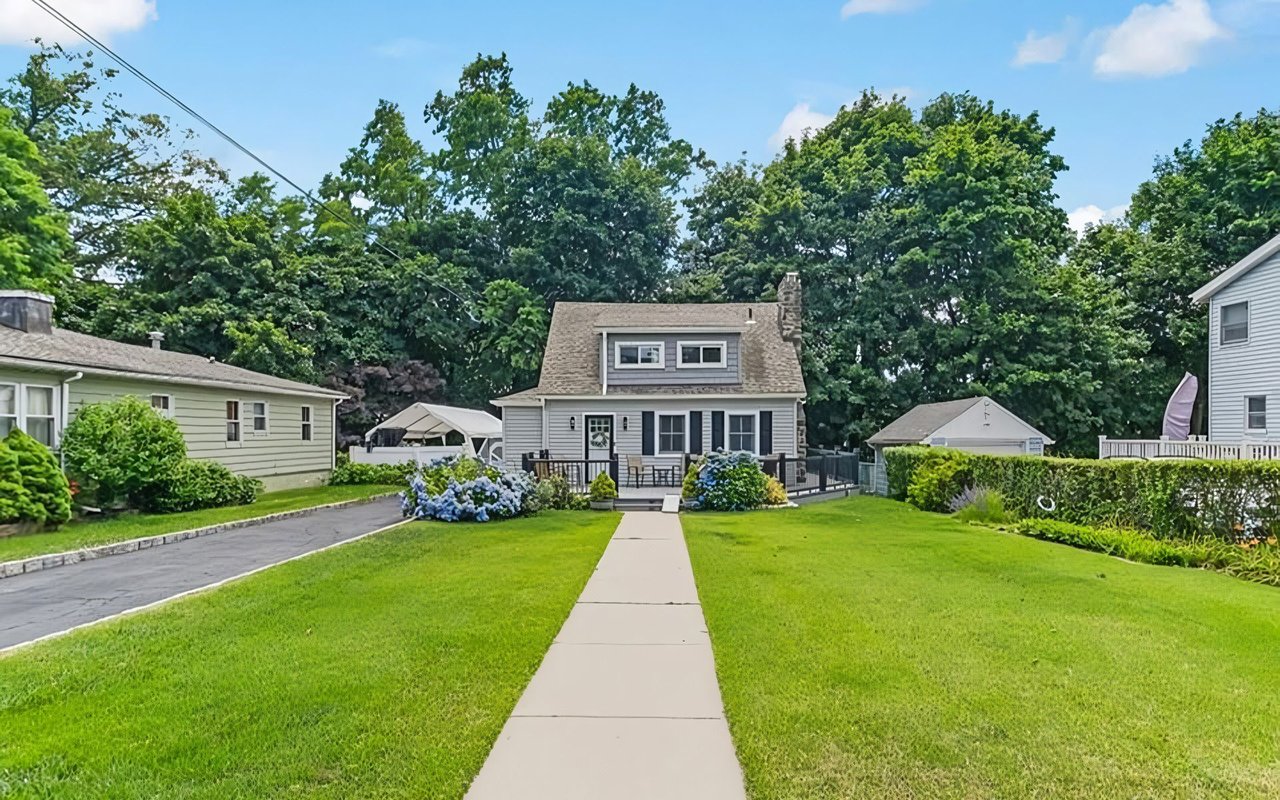
If your house suddenly feels like more upkeep than enjoyment, you are not alone. Many suburban homeowners reach a point where yard work, stairs, and extra rooms no longer fit the way they want to live. If you are thinking about selling your house and moving into a White Plains condo, the good news is that this move can offer convenience, flexibility, and a simpler day-to-day routine. The key is planning both sides of the move carefully. Let’s dive in.
Why White Plains appeals to downsizers
White Plains offers a mix that is hard to ignore if you want lower-maintenance living without giving up access and activity. The city is about 25 miles north of Manhattan, has a lively downtown, and offers shops, restaurants, parks, events, and a growing residential base.
For many buyers, the commute piece matters just as much as the lifestyle piece. White Plains is served by two Metro-North stations, and the White Plains station is on the Harlem Line and is accessible. That combination helps make condo living here attractive if you want to stay connected to the region while simplifying your home life.
What the condo market looks like
White Plains gives you real condo options, not just a tiny handful of listings. In late May 2026, Redfin showed 52 condos for sale with a median listing price of $330,000 and 49 days on market. As of March 2026, Realtor.com reported a White Plains median listing price of $480,000 and a 100% sale-to-list ratio.
At the county level, the market remains tight. HGAR reported just 1.3 months of inventory in Westchester County in February 2026, and the county’s co-op and condo median price was $275,000. That means you may find opportunity in White Plains, but you still want a clear strategy before your suburban home goes on the market.
Know the condo vs. co-op difference
This step is easy to overlook, especially when online searches group apartment-style homes together. In White Plains, listing searches can surface both condos and co-ops, so you should confirm the ownership type before you get too far into financing or building review.
That distinction matters because condos and co-ops are owned and financed differently. Approval steps and paperwork can also vary in meaningful ways, which can affect your timeline if you are trying to coordinate a sale and a purchase at the same time.
Start with a sell-first strategy
For most homeowners, selling first is the cleaner path. The CFPB says homeowners who want to move normally try to sell their current home before buying another one. That approach usually gives you a better sense of your budget, your likely proceeds, and how much flexibility you will have when you make an offer on a condo.
That does not mean every move will line up perfectly. A two-transaction move often needs a buffer, whether that means a short overlap between closings, temporary housing, or another practical bridge. The goal is not perfection. The goal is reducing stress and giving yourself room to make smart decisions.
Build your move in the right order
A well-sequenced plan can keep this transition from feeling overwhelming. In most cases, the process works best when you move in this order:
- Define what kind of White Plains condo you want.
- Get preapproved for financing if needed.
- Prepare your suburban home for sale.
- List your home.
- Shop for a condo with a clear sense of timing and likely net proceeds.
This order gives you clarity on both budget and logistics. It also helps you avoid falling in love with a condo before you understand what your house sale needs to deliver.
Prepare your suburban home to sell
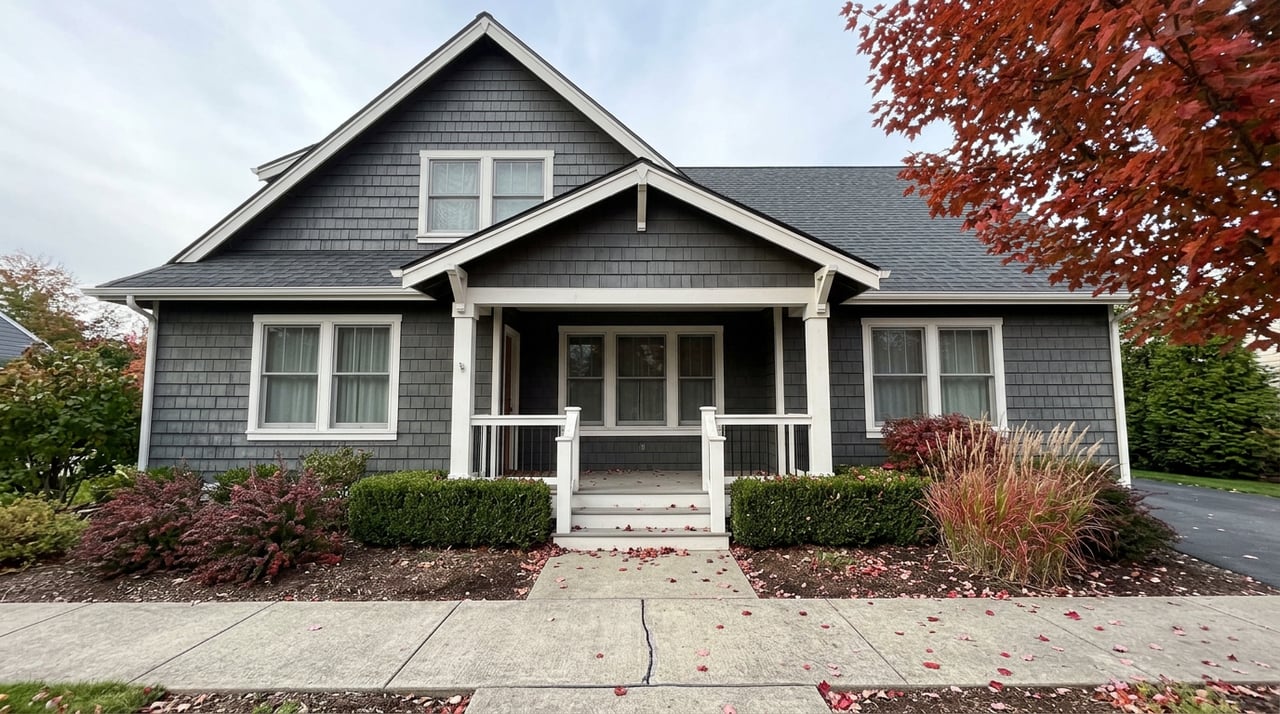
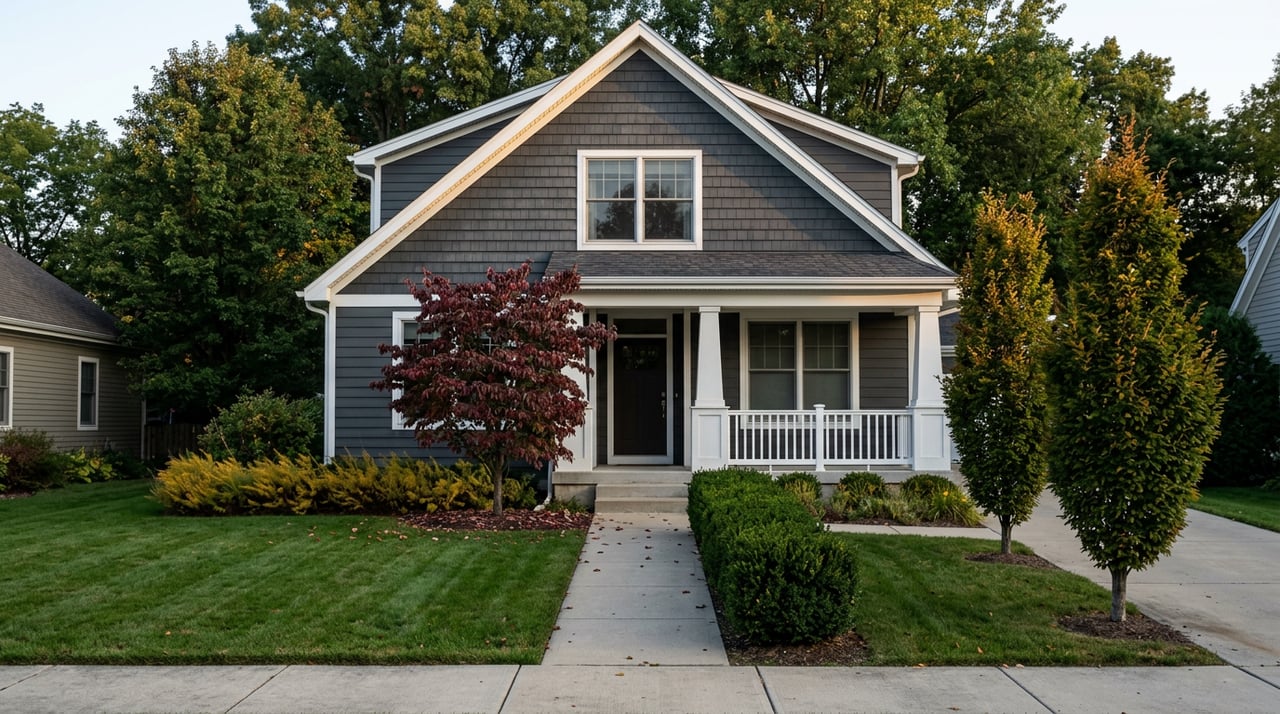
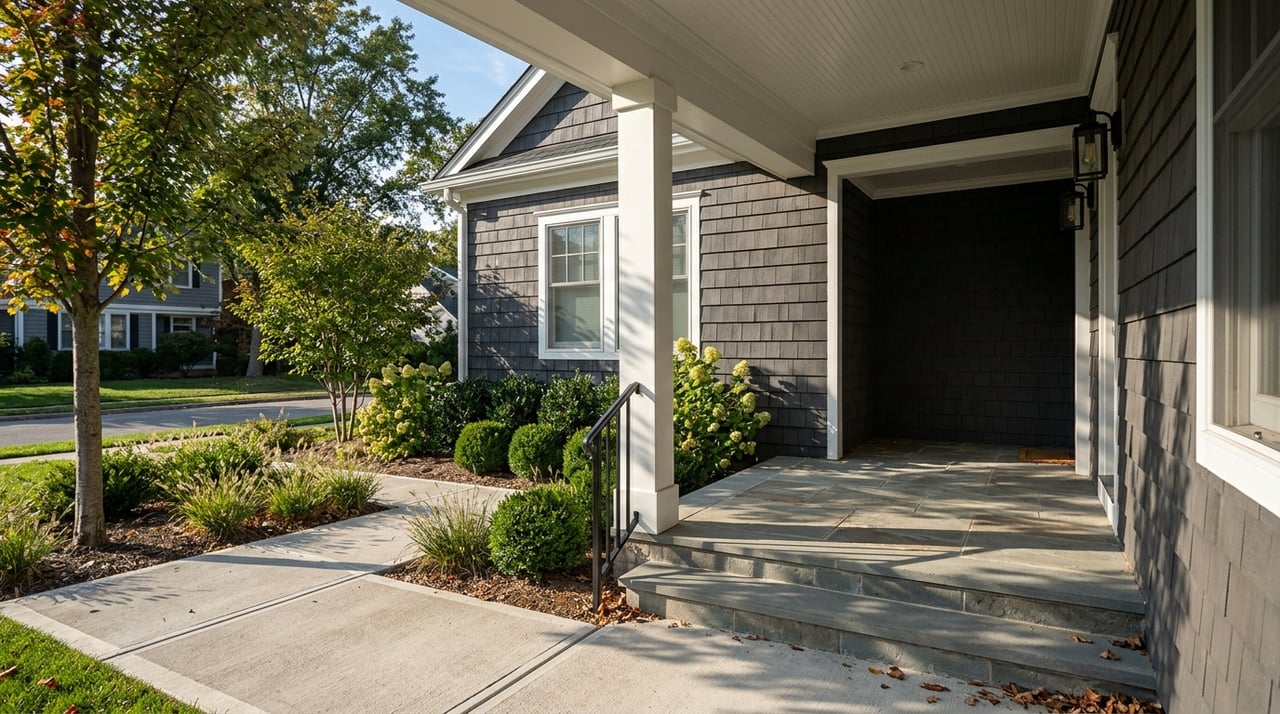
Before listing, focus on the basics that help buyers see the home clearly. NAR recommends decluttering, depersonalizing, deep cleaning, making necessary repairs, and staging. Those steps can help your home photograph better, show better, and feel more move-in ready.
You do not need to fix every small cosmetic issue. What matters most is addressing the items that affect condition, function, and buyer confidence. If you are not sure where to start, a structured pre-listing plan can help you prioritize the work that is most likely to support your timing and price goals.
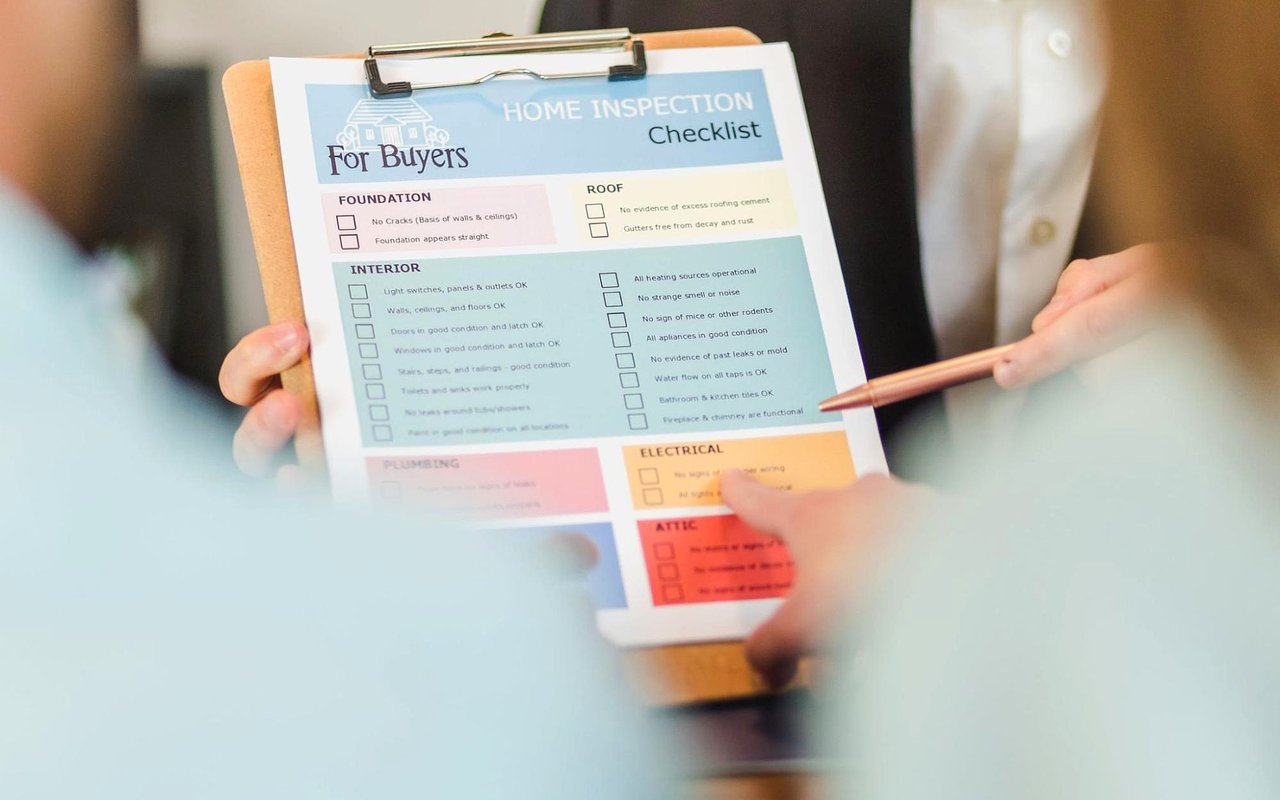
Consider a pre-sale inspection
A pre-sale inspection is optional, but it can be useful. NAR notes that it may identify issues with the roof, HVAC, plumbing, electrical systems, or interior defects before a buyer discovers them.
For a downsizing move, that early information can be especially valuable. It helps you make repair decisions with more control, and it can reduce the chance of last-minute surprises that affect your sale timeline.
Gather paperwork early
Do not wait until contract time to hunt down documents. It is smart to gather warranties, guarantees, and manuals for appliances and systems that will stay with the home.
Missing paperwork may seem minor, but it can slow negotiations or closing. When you are trying to coordinate a sale with a condo purchase, small delays can have bigger consequences.
Understand New York disclosure rules
In New York, the Property Condition Disclosure Statement is required beginning July 1, 2025. Before your home is marketed, your attorney and listing agent should confirm that the current form is used and that you understand your disclosure obligations.
This matters because repairs, disclosures, and documentation can all affect buyer confidence, negotiation, and timing. In a move like this, details matter.
Make showings easier on yourself
Showing preparation does not need to be complicated, but it does need to be consistent. NAR recommends practical steps like clearing counters, wiping surfaces, opening window treatments, turning on lights, and removing pet-related distractions.
These small efforts make your home feel cleaner, brighter, and easier for buyers to picture themselves in. If you are still living in the house while shopping for condos, a simple showing routine can make life much easier.
Shop for the condo with focus
Once your home is listed, you can look at White Plains condos with more confidence. At that point, you should know your likely price range, how much cash you may bring to the purchase, and what timing flexibility you may need.
Many downsizers focus on convenience first. In White Plains, that often means looking closely at downtown or near-downtown buildings for access to shops, restaurants, events, and Metro-North. If commute access is part of your next chapter, location within the city may shape your decision as much as the unit itself.
Get preapproved before offering
A preapproval letter is not the same as a full loan application, but it still matters. The CFPB says it helps show sellers you are serious and helps narrow your search.
That is especially important in a tight market. Even if condo prices may be more moderate than single-family homes in the region, competition and limited inventory still mean you want to be ready when the right unit appears.
Protect yourself in the contract
The CFPB recommends making your offer contingent on financing and a satisfactory inspection. Those protections matter because they help prevent you from being forced to close if your loan falls through or if the inspection reveals serious defects.
In a downsizing move, this is not just about legal protection. It is also about preserving your flexibility while you are managing the sale of one home and the purchase of another.
Review condo documents carefully
When you buy a condo in New York, document review is a major step. The New York Attorney General advises buyers to read the entire offering plan and consult an attorney before signing the purchase agreement.
You should also review the declaration, by-laws, house rules, board minutes, and financial reports. These documents can reveal repair needs, common-charge issues, unit-use rules, pet restrictions, sublet rules, and other building policies that may affect your decision.
If the building is new construction or a conversion, the offering plan controls the promised amenities and finishes. You should not rely on brochures or verbal statements alone. If the condo is a resale, the offering plan may be outdated or unavailable, which makes current board documents even more important.
Budget for the real cost of condo living
Condo ownership can reduce maintenance, but it does not mean your monthly housing costs disappear. You should plan for property taxes, insurance, common charges, and moving expenses as part of your ongoing budget.
You should also prepare for New York closing costs. The state real estate transfer tax is 0.4% of consideration, and a 1% mansion tax applies to residential purchases of $1 million or more. If you are financing the condo purchase, mortgage recording tax also applies, and Westchester County is in the Metropolitan Commuter Transportation District.
Plan for closing with a little breathing room
Closings involve a long list of documents and third-party services, so they rarely reward last-minute planning. On the condo side, you should leave enough time for a final walk-through and for careful review of your closing documents before signing.
The CFPB notes that you are not committed until the closing documents are signed. It also notes that if something important changes, a new Closing Disclosure can trigger a three-business-day review window in limited cases. That is another reason it helps to build in a little extra time instead of aiming for a perfect same-day swap.
A simpler next chapter starts with a smart plan
Moving from a suburban house into a White Plains condo can be a great lifestyle shift, but it works best when you treat it as both a financial decision and a logistical project. You are not just changing addresses. You are coordinating timing, pricing, documents, and goals across two different transactions.
With the right strategy, you can simplify your home life without losing the access and convenience that matter to you. If you are thinking about selling your current home and exploring condo options in White Plains, the Nancy Kennedy Team can help you build a local, step-by-step plan that fits your timeline.
FAQs
Should I sell my suburban home before buying a White Plains condo?
- In most cases, yes. The CFPB says homeowners normally try to sell first before buying another home, which can give you clearer budget and timing information.
Do I need to repair everything before listing my suburban home?
- No. NAR recommends deep cleaning, decluttering, making necessary repairs, and considering a pre-sale inspection to identify bigger issues before buyers do.
What documents matter when buying a White Plains condo?
- Key documents include the offering plan, declaration, by-laws, house rules, board minutes, and financial reports.
Are all apartment-style listings in White Plains condos?
- No. White Plains searches can include both condos and co-ops, so you should confirm the ownership type early because financing and approval steps can differ.
What extra costs should I budget for when moving into a White Plains condo?
- You should budget for common charges, property taxes, insurance, moving costs, New York transfer tax, possible mansion tax, and mortgage recording tax if you finance the purchase.