If you want a Hudson River town with real character, Ossining stands out quickly. You get water views, a historic downtown, and a daily rhythm that feels active and lived-in rather than staged for visitors. If you are wondering what it is actually like to live there, this guide will walk you through the setting, lifestyle, housing picture, and practical details that shape day-to-day life. Let’s dive in.
Ossining at a glance
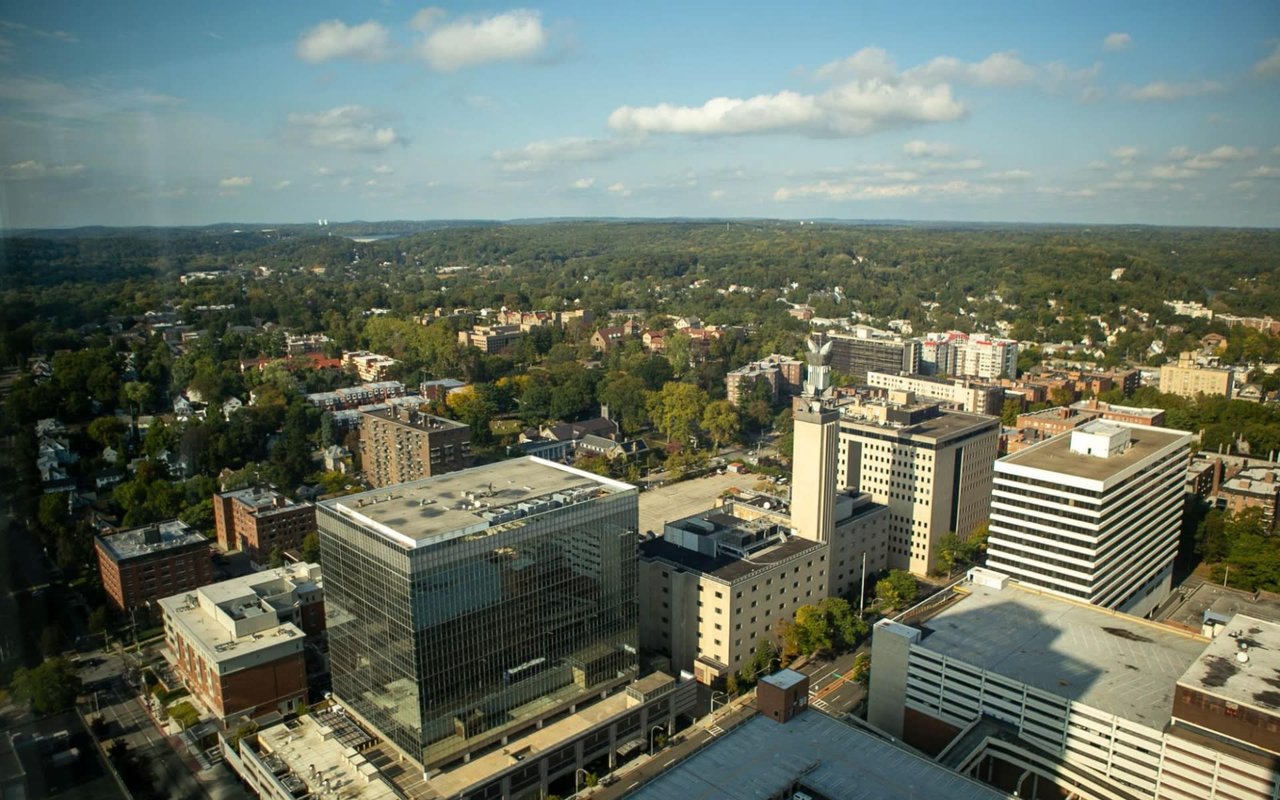
Ossining is a compact village in Westchester County with a strong identity tied to the Hudson River, local history, and public community life. The village describes itself as culturally diverse and rich in history and natural beauty, and Census QuickFacts estimates 26,895 residents in 2024 across 3.17 square miles.
That size matters when you think about everyday living. Ossining feels connected and local, not spread out. At the same time, the village offers a mix of housing, transportation options, parks, and downtown activity that gives you more than just a quiet riverfront backdrop.
The feel of the village
One of the biggest draws of Ossining is its sense of place. Downtown planning materials describe the area as vibrant, diverse, and walkable, with a direct connection between the historic Main Street corridor and the Hudson River waterfront.
That said, walkable does not mean flat. Downtown sits on a steep hill, which is important to know if you picture easy, level strolls everywhere. In Ossining, the village feel comes with topography, and that hill is part of the experience.
For many buyers, that tradeoff feels worth it. You get a more layered streetscape, river views in key areas, and a downtown that feels older and more rooted than many suburban commercial districts.
Hudson River access shapes daily life
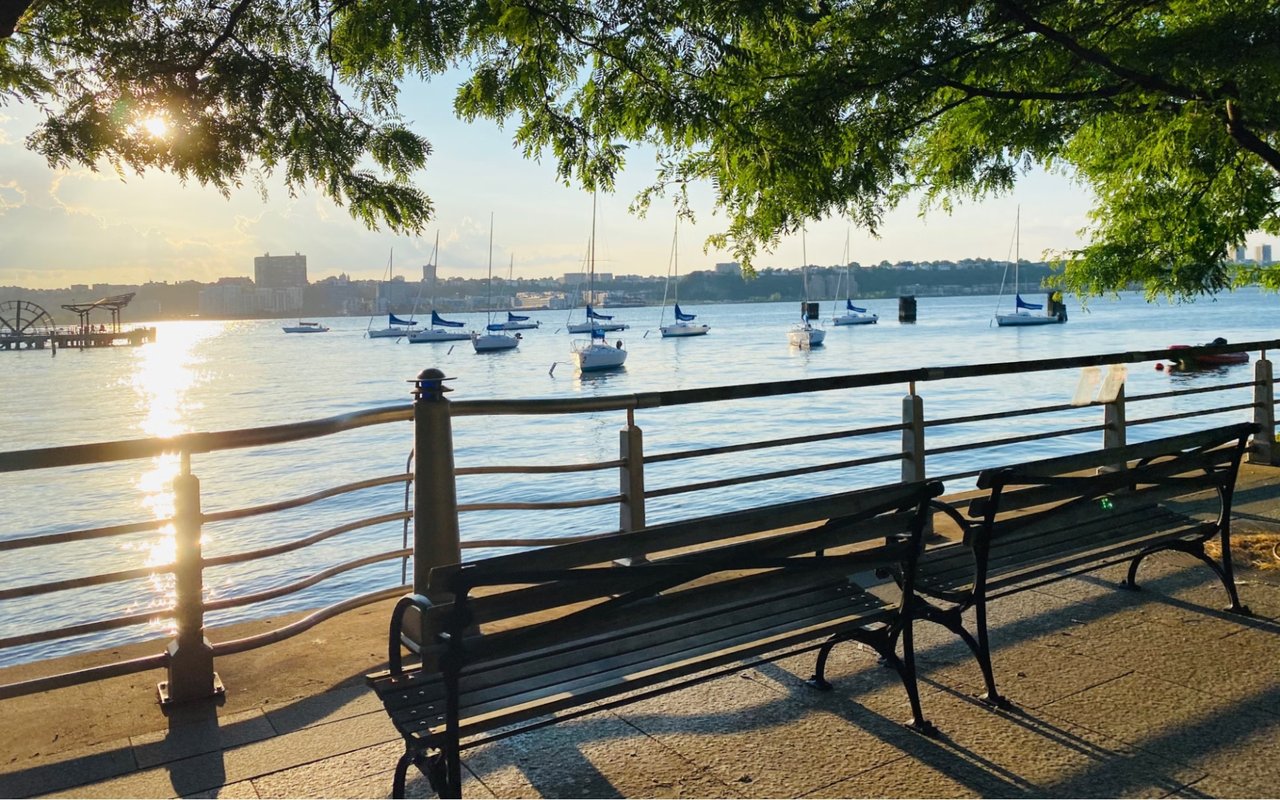
In Ossining, the river is not just something you drive to on weekends. The village’s Waterfront Access & Trail Plan notes that Ossining has three miles of Hudson River waterfront, with planned connections that link the shoreline to Crawbuckie Nature Preserve and the Old Croton Aqueduct Trail.
That gives the village a different feel from communities where the waterfront is visually present but hard to use. Here, the river is part of the daily landscape. It shows up in your routines, your views, and how you spend free time.
Residents also have public places to enjoy sunsets and open space along the water. Louis Engel Park and Henry Gourdine Park are both part of that experience, adding another layer to what makes Ossining feel distinctly tied to the Hudson.
Outdoor life is easy to plug into
If you enjoy being outside, Ossining offers more variety than you might expect from a compact village. The recreation department says the park system includes 17 parks with ball fields, nature trails, playgrounds, a spray park, a dog park, tennis courts, and basketball courts.
The Joseph G. Caputo Community Center adds indoor recreation with a gymnasium, aquatic center, and meeting rooms. That means outdoor and indoor options both play a role in village life, which is especially helpful across changing seasons.
Water access is part of the local routine too. Village recreation materials specifically reference swimming, kayaking, and paddleboarding as part of the waterfront lifestyle the community wants young residents to experience.
Trails and movement around town
The Old Croton Aqueduct State Historic Park adds an important layer to life in Ossining. New York State Parks says the trail is free, open year-round from sunrise to sunset, and used mainly for walking and running, with some sections also suitable for biking and seasonal activities.
For residents, that trail is more than a regional amenity. It helps connect neighborhood streets, outdoor recreation, and the broader river-town setting. If you like the idea of stepping out for a walk or run without needing a full outing plan, that kind of access matters.
The village is also investing in how people move through downtown. The ongoing Multi-Modal Transportation Hub project is intended to improve walkability, pedestrian and bicycle safety, transit use, and connections within the village while respecting the historic Main Street corridor.
Historic character is everywhere
Some towns have a few older buildings mixed into a mostly modern setting. Ossining feels different. Historic preservation is part of municipal practice, and the village’s landmark materials identify both a Downtown Historic District and individual landmarks such as Jug Tavern and Highland Cottage.
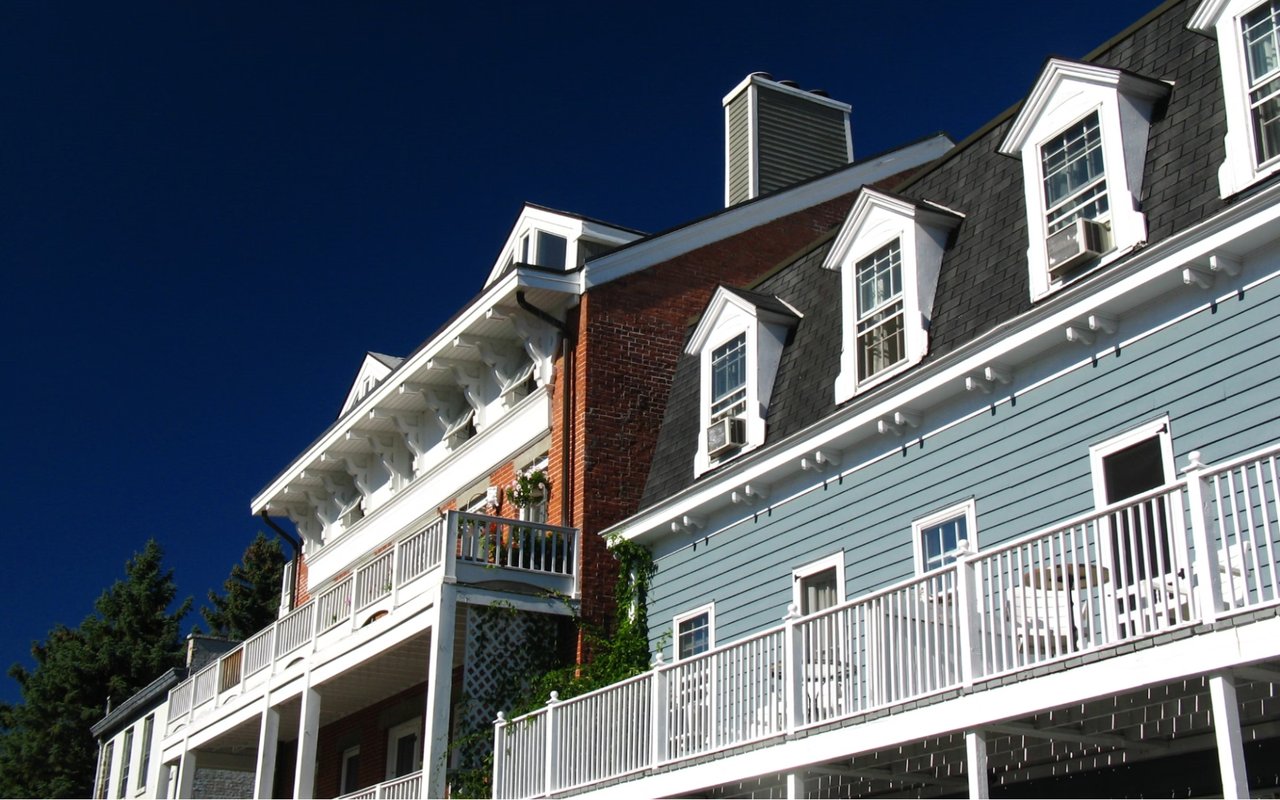
The architectural design guidelines describe the north side of curving Main Street as a showpiece of late 19th century mercantile architecture. In practical terms, that means masonry buildings, churches, and a streetscape with visual texture and age.
If you like places that feel established, this is a major part of Ossining’s appeal. The historic core still functions as an active center of village life, not just a preserved snapshot.
Downtown still feels active and evolving
Ossining’s downtown is historic, but it is not frozen in time. Village revitalization plans call for new public spaces, mixed-use redevelopment, and improvements that support the Main Street corridor while adding housing, retail, and better pedestrian flow.
That creates an interesting balance for residents. You get authenticity and history, but you also live in a place that is still being shaped through public investment. Some buyers see that as a sign of momentum, while others simply appreciate that the village is actively working on connectivity and usability.
It also means the downtown experience is practical, not just picturesque. Ossining is trying to make the center of town function better for people who live there every day.
Food and community feel local
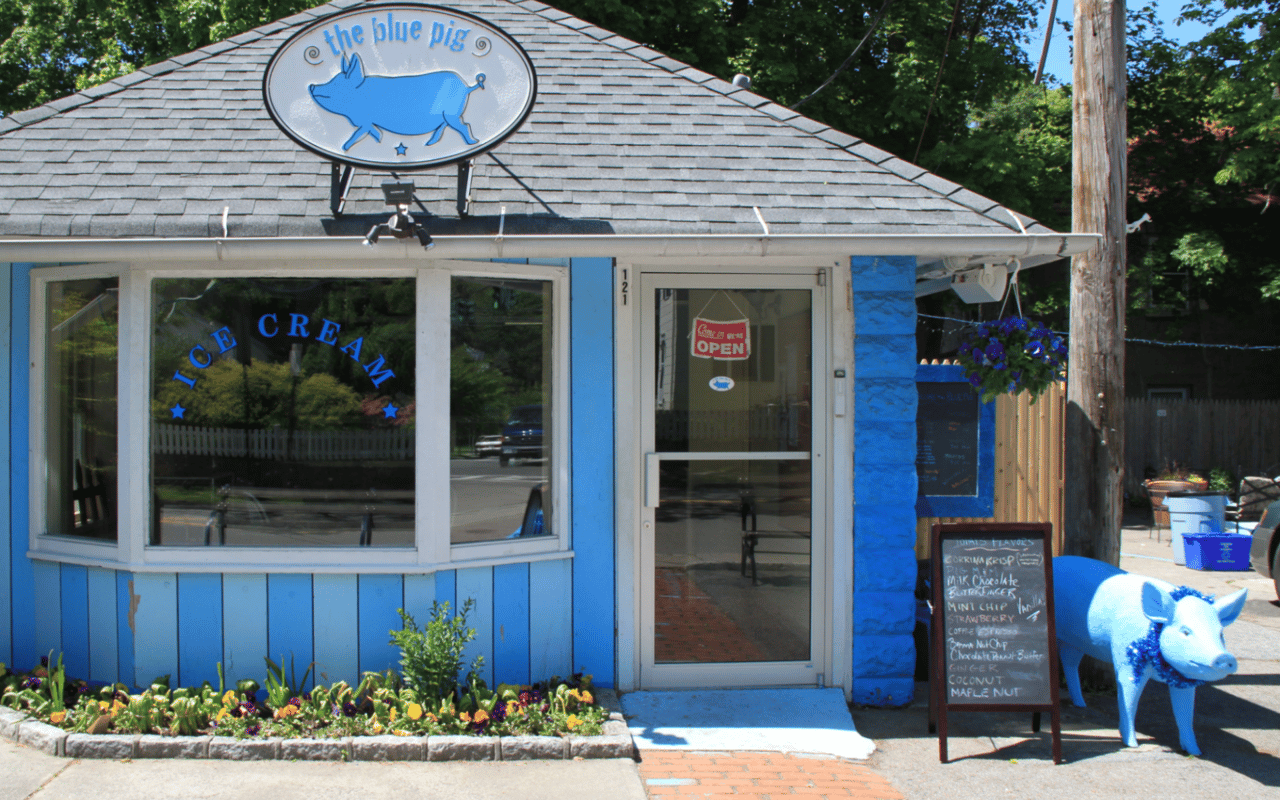
A big part of what makes Ossining feel livable is its concentration of independently owned businesses. Village approvals for sidewalk cafés, parklets, and refreshment licenses in 2025 include First Village Coffee, Melike Turkish Cuisine, Doca's, La Parada Deli, El Imperio del Pan, Aji Limo Peruvian Cuisine, Tasty Table, and Sing Sing Kill Brewery.
That mix gives you a downtown food scene that feels local and walkable. It suggests an everyday culture built around small businesses rather than national chains.
Community events reinforce that same feel. Market Square at Main and Spring has long hosted the farmers market, which the village describes as a place for local fruit, vegetables, baked goods, meats, seafood, and specialty foods.
Events add rhythm to the year
Ossining has a public calendar that helps the village feel engaged across the year. The recreation department lists events such as the Summer Concert Series, Santa's Breakfast, Fall Family Fun Day, and Trick or Trunk Halloween.
Arts and culture are part of that pattern too. The village has hosted Ossining Art + Architecture on Main, a festival that combines art, live music, self-guided architecture tours, and restaurant dining in downtown public spaces.
Year-round programming at the recreation department and Cedar Lane Arts Center adds even more activity for residents. If you want a community where there is often something going on, Ossining offers that without feeling oversized.
Commuting and transit options
For many buyers, lifestyle only works if the commute does too. The Ossining Metro-North station is an accessible Hudson Line station with elevators, tactile warning strips, audiovisual passenger information, ticket machines, Bee-Line bus connections, and access to the Haverstraw-Ossining Ferry.
That gives residents more than one transit option, which is a real advantage for people commuting outside the village. Ossining clearly functions as a commuter town, and transportation remains a central part of how the village plans for growth and connectivity.
Village planning materials also note that many residents work outside the village. That reality shapes local priorities around parking, circulation, and links between downtown and transit.
Parking and hills are real considerations
It is important to talk about the tradeoffs honestly. Ossining’s strongest qualities include its compact layout, history, and waterfront setting, but the same planning materials also point to active issues around parking, transportation, and connectivity.
Downtown parking is managed through municipal on-street and off-street spaces. The Aqueduct Hub project is intended to add more than 200 parking spaces while also supporting e-bike rental, charging, and a more pedestrian-friendly downtown.
In day-to-day terms, that means village leaders know these issues matter. If you are considering Ossining, it helps to understand both the charm and the practical side. The hills are real, and parking management is part of life in an authentic, compact river town.
The housing mix in Ossining
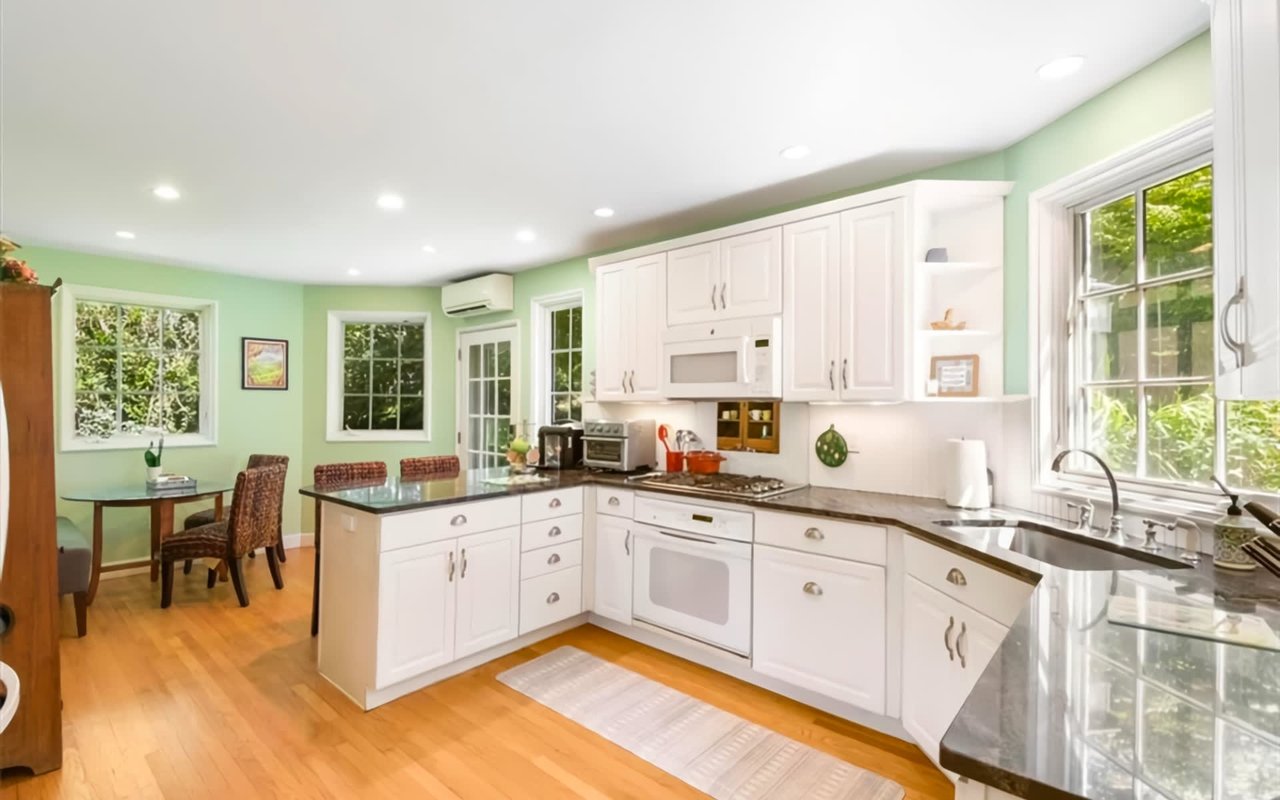
Census QuickFacts helps frame the local housing picture. The village shows a median household income of $100,997, a median owner-occupied home value of $444,200, a median gross rent of $2,108, and an owner-occupied housing rate of 53.3%.
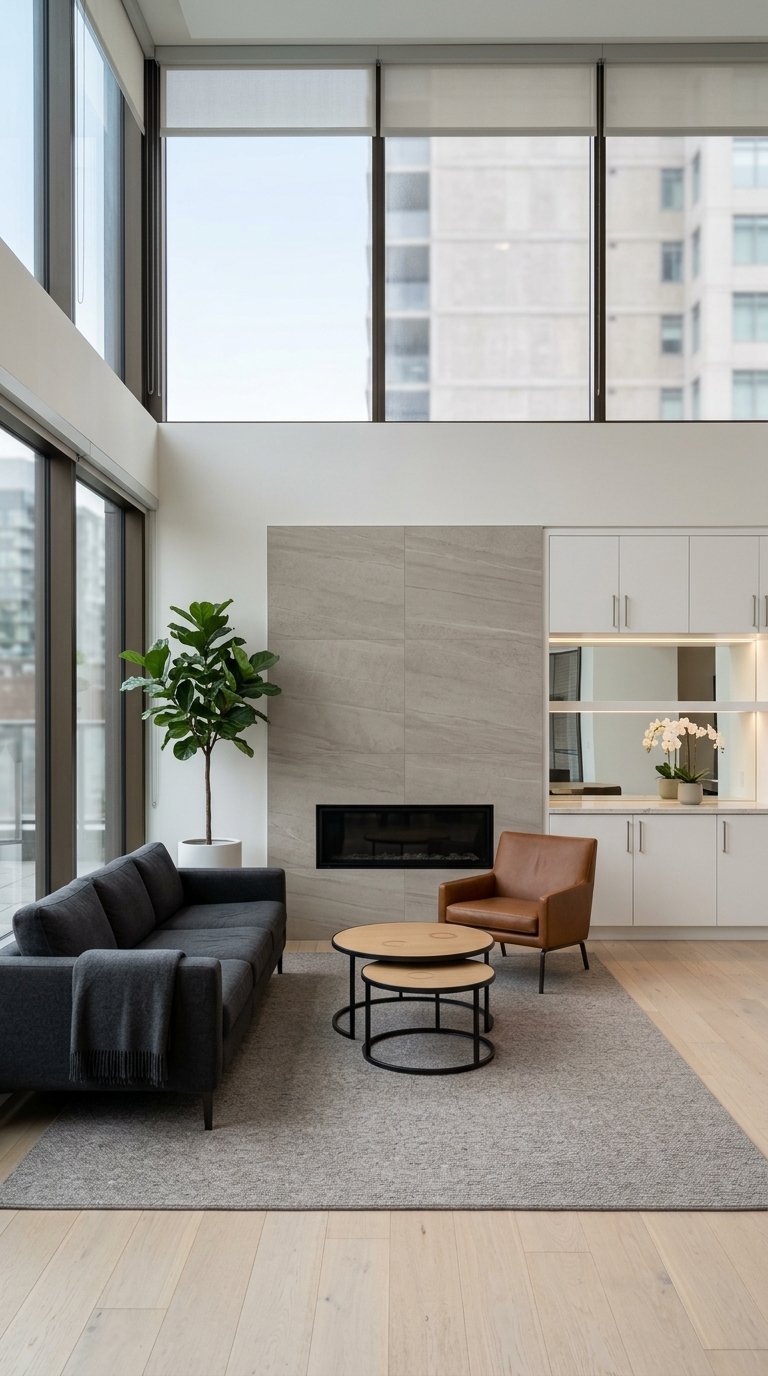
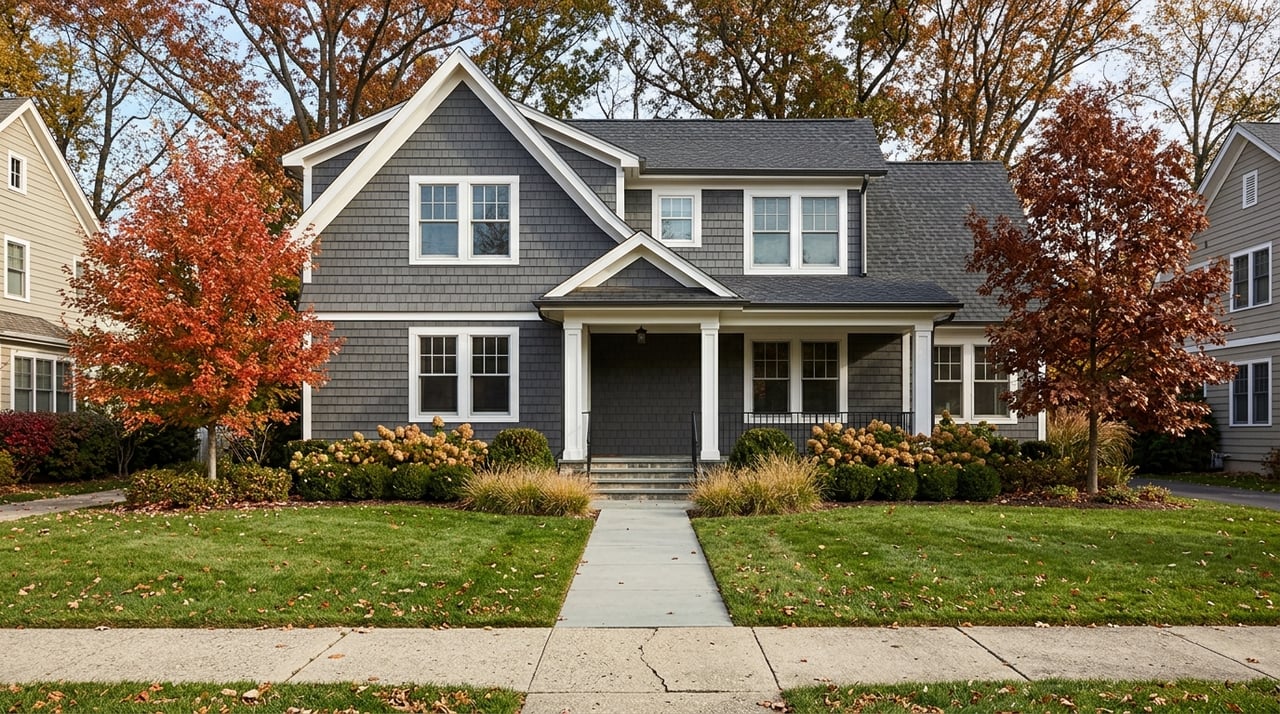
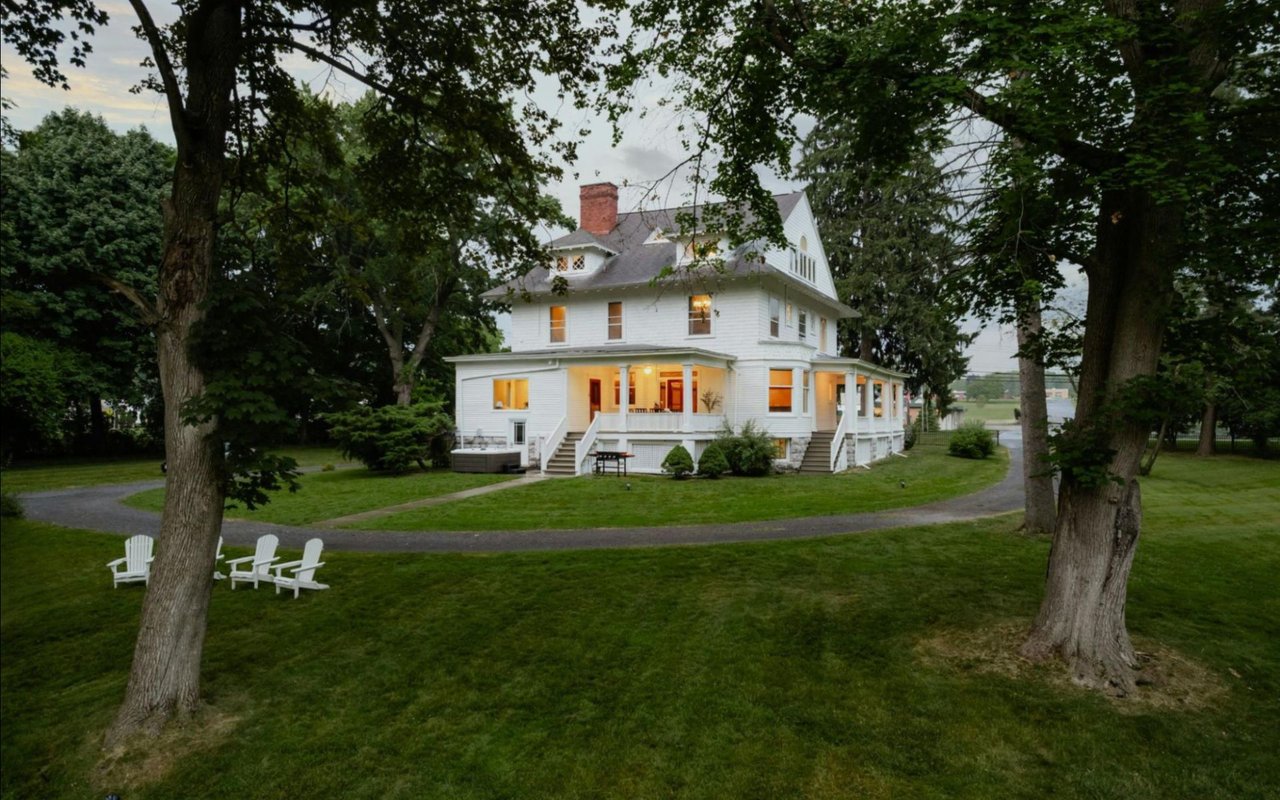
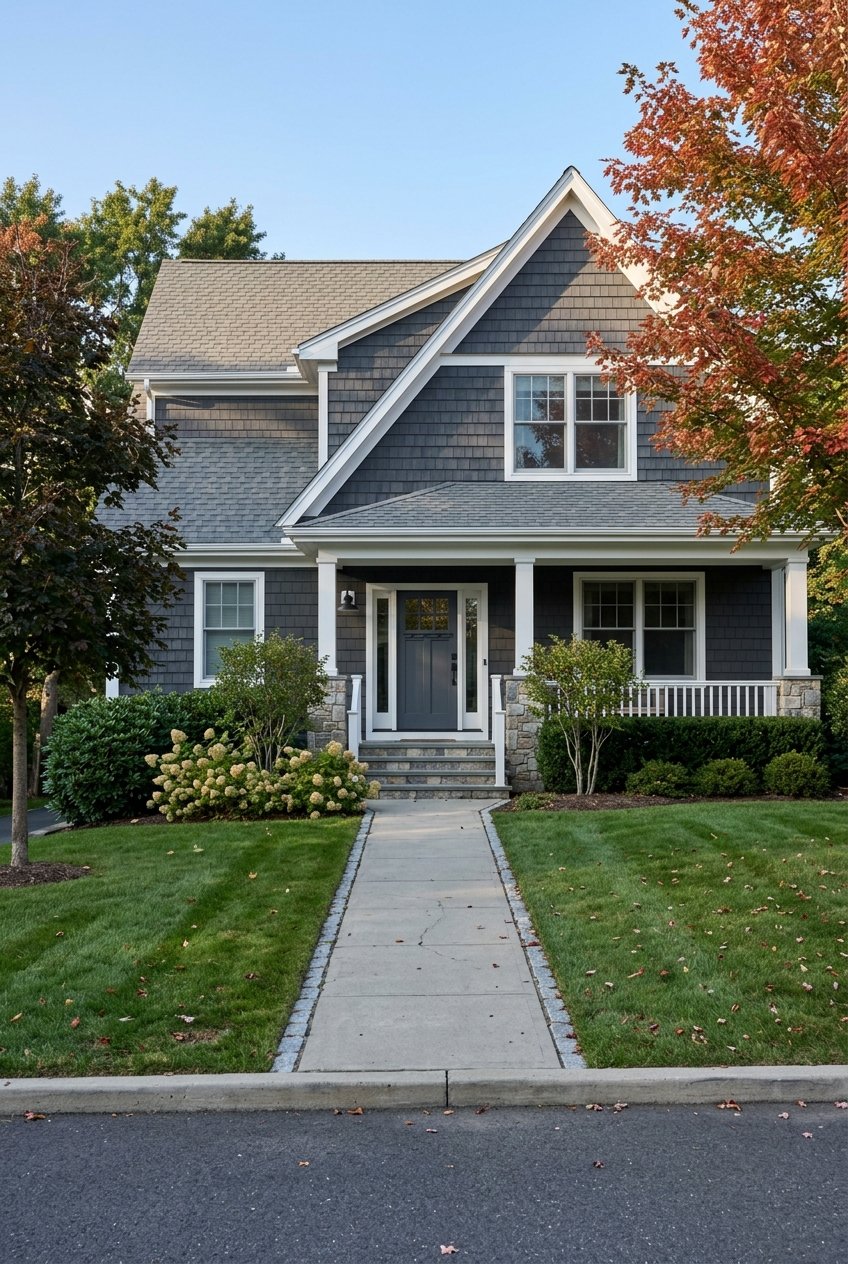
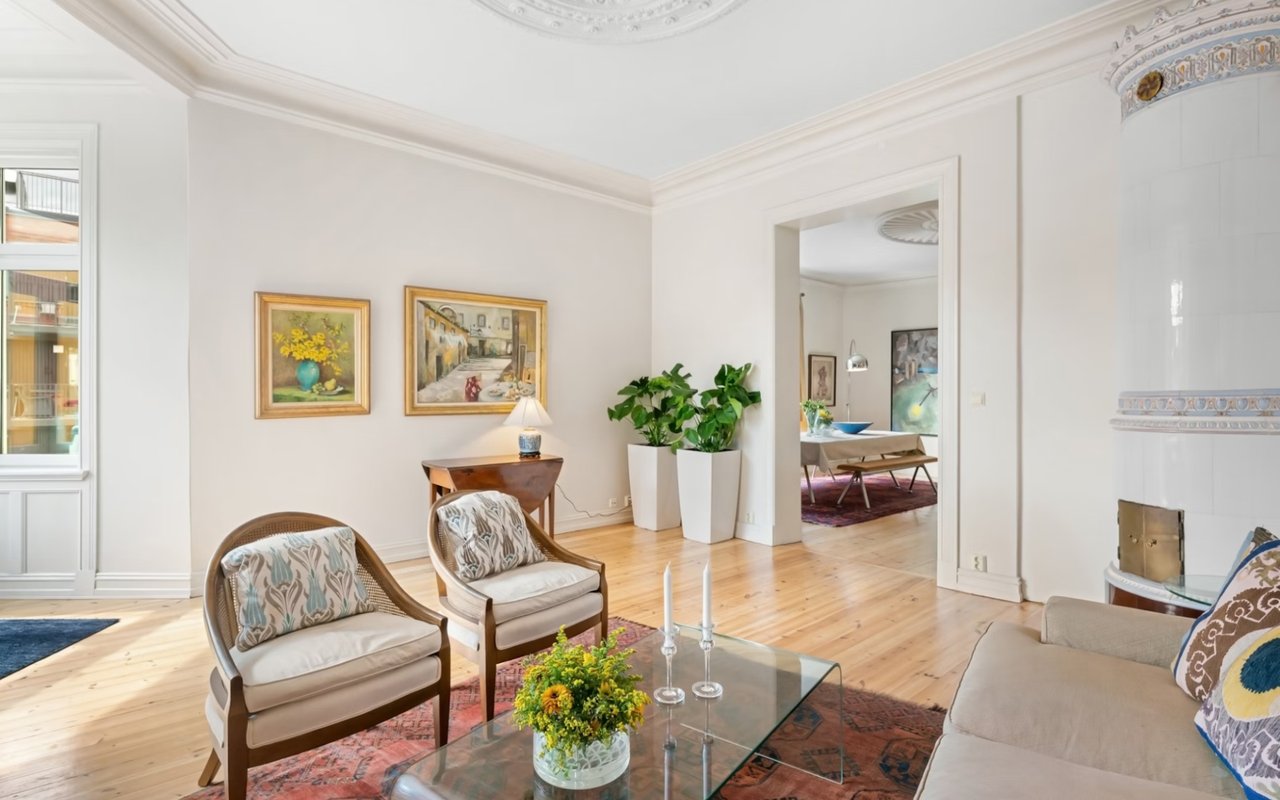
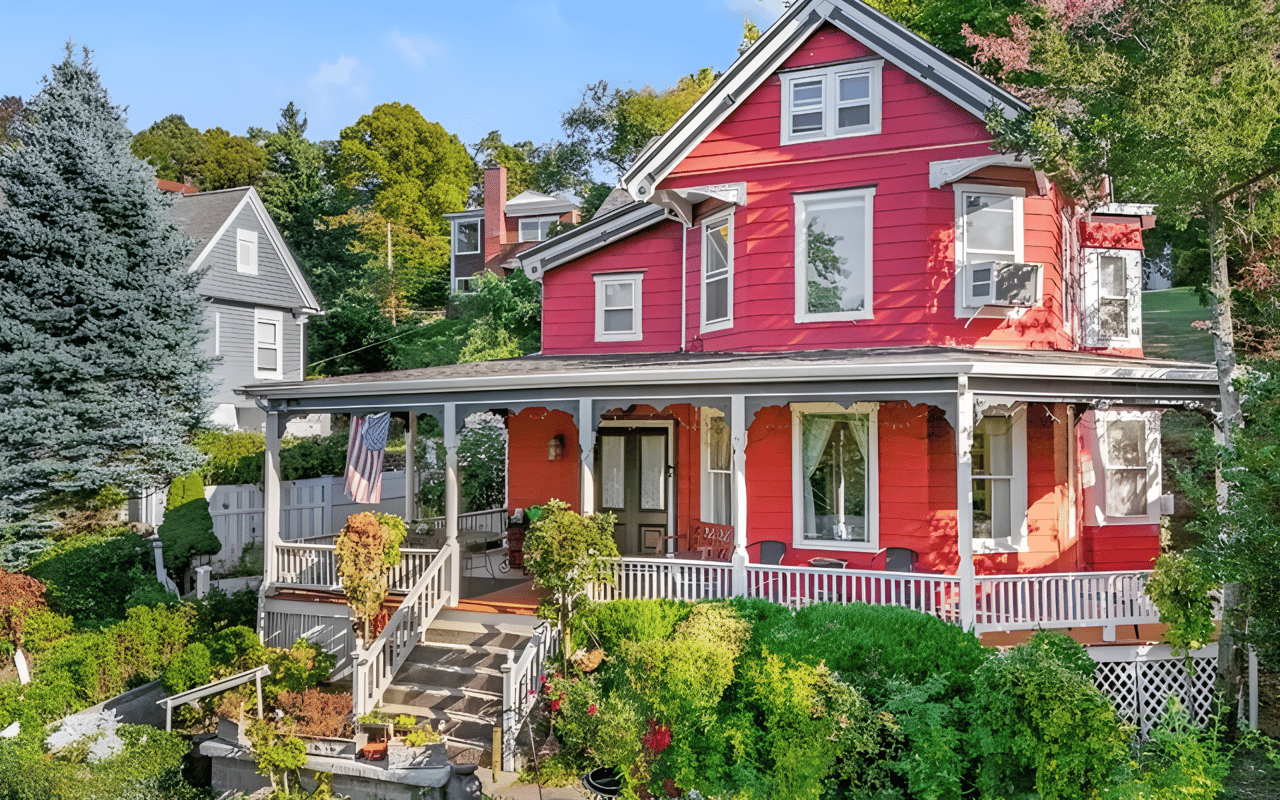
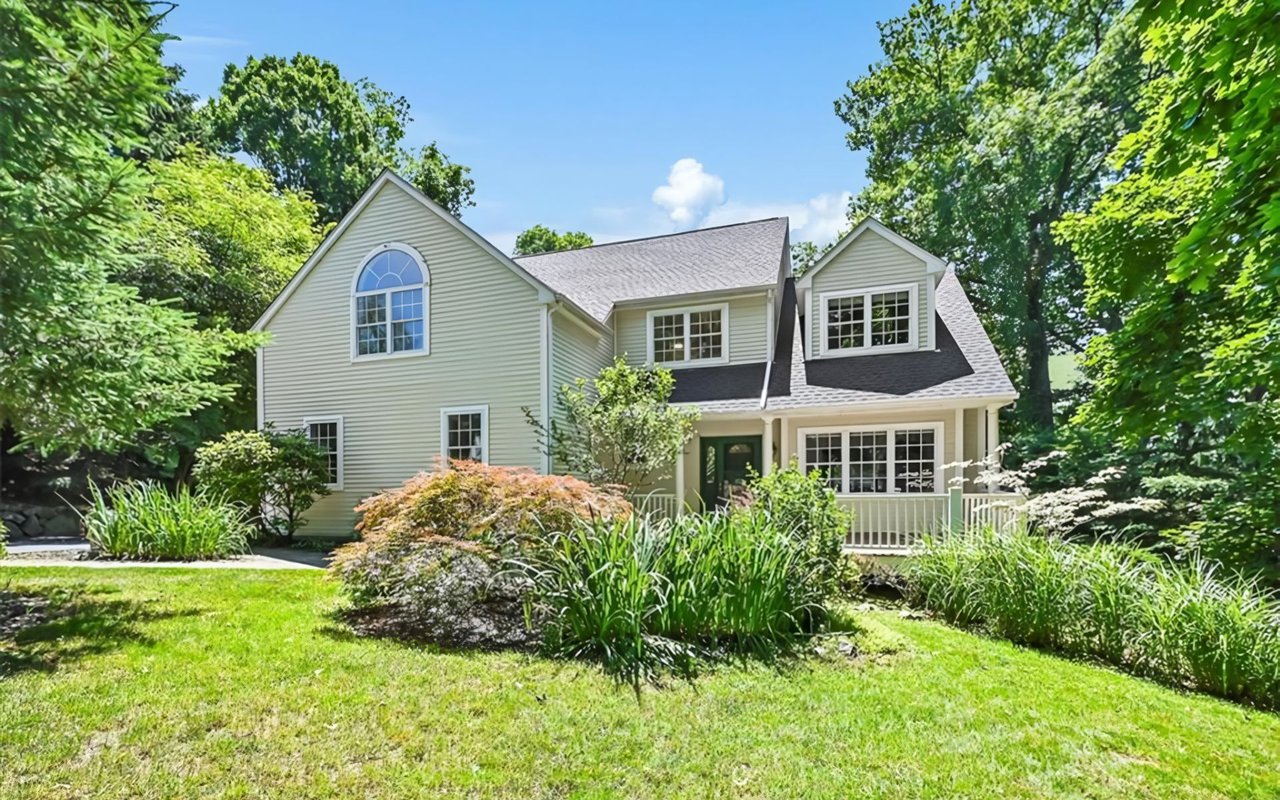
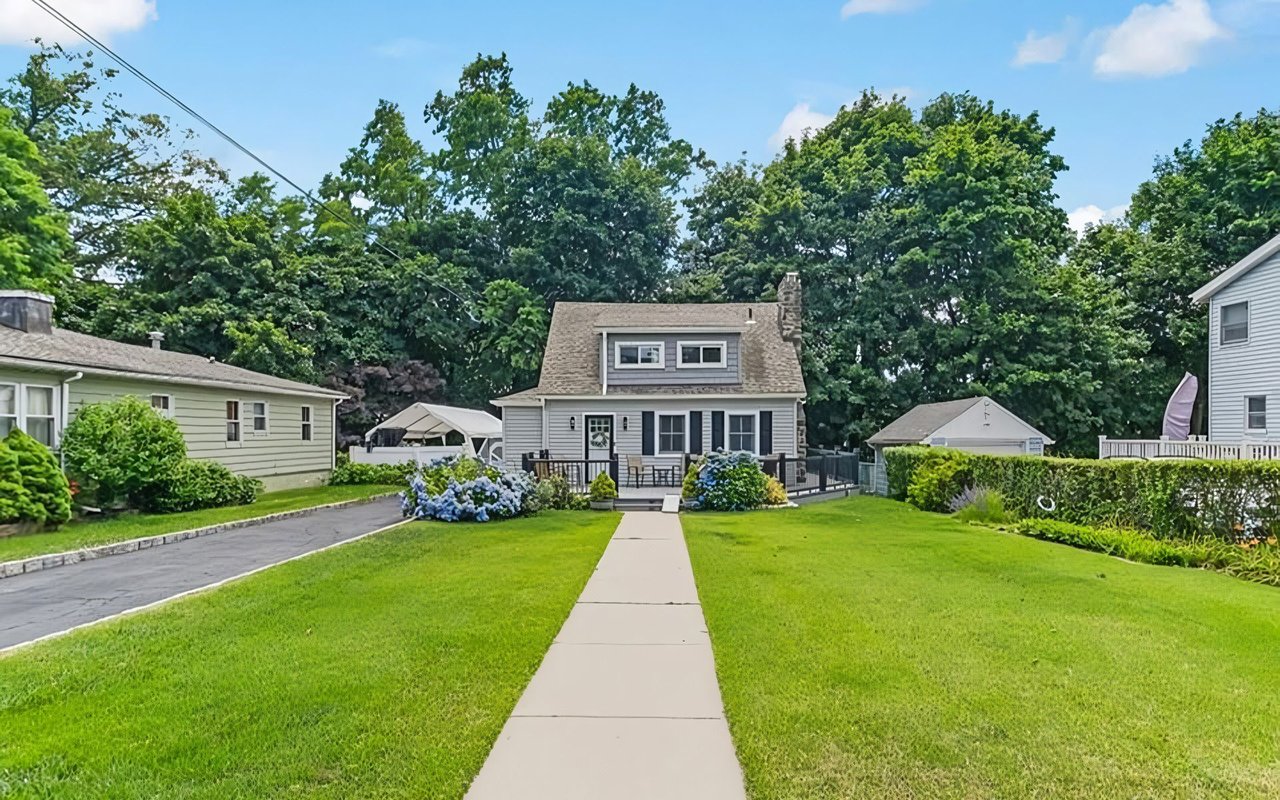
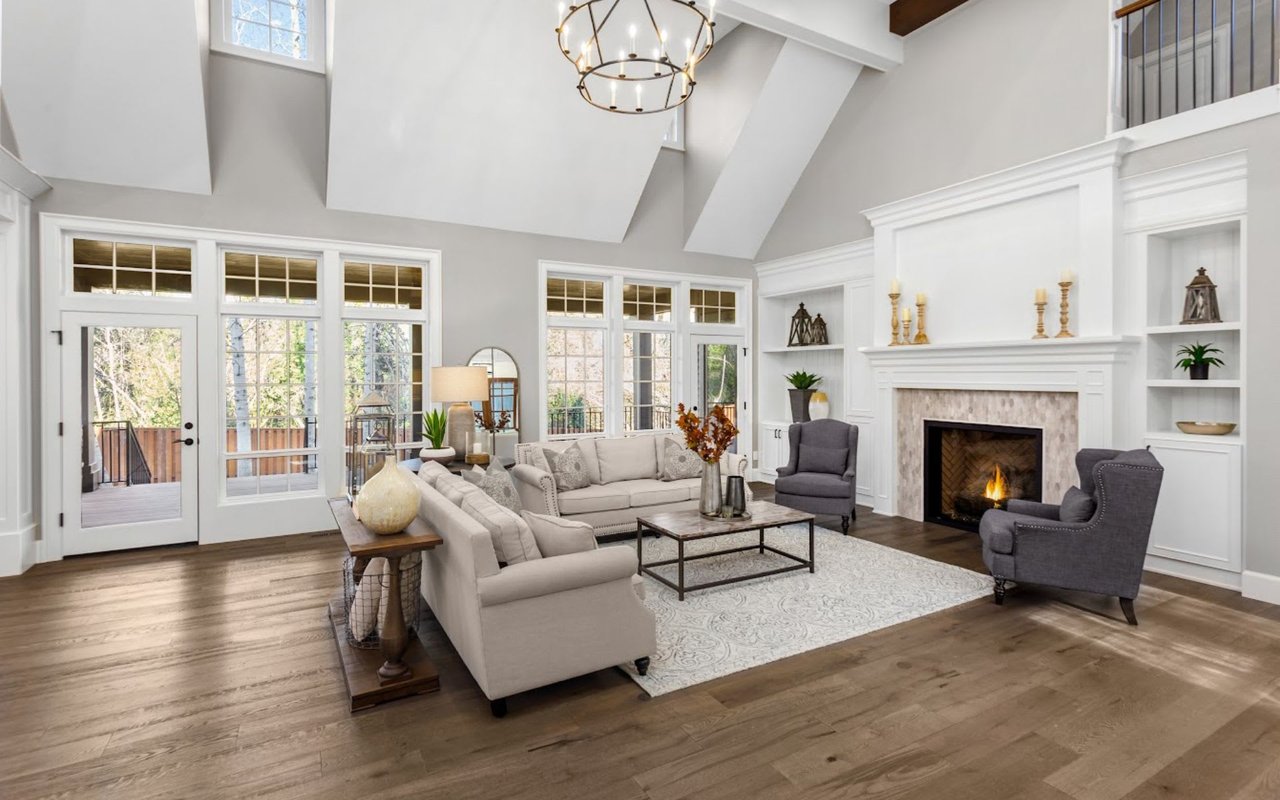
Those numbers point to a mixed housing market with both owners and renters. In a village like Ossining, that often translates into a broad range of housing choices, including historic homes, apartments, and properties with strong access to downtown or transit.
For buyers, that variety can be a real benefit. For sellers, it means understanding the micro-location, property type, and buyer pool is especially important when pricing and marketing a home.
Who tends to like living in Ossining
Ossining often appeals to people who want more personality than a typical suburban setup. If you value historic architecture, local businesses, public events, trail access, and the presence of the Hudson in everyday life, Ossining checks many of those boxes.
It can also make sense if commute access matters to you. Metro-North, bus connections, and ferry access support the village’s role as a practical home base for people working in other parts of the region.
At the same time, Ossining may feel less effortless to people who want flat terrain, abundant easy parking, or a fully polished downtown environment. Part of its appeal is that it feels real, layered, and still evolving.
The bottom line on living in Ossining
Living in Ossining means getting a Hudson River village with a clear identity. You have a compact downtown, historic architecture, waterfront access, active parks and recreation, and a community calendar that keeps the village feeling engaged.
You also need to be comfortable with the realities that come with that setting. The hills, parking considerations, and ongoing downtown improvements are part of the package. For many people, those tradeoffs are exactly what come with living in a place that feels authentic rather than generic.
If you are thinking about buying or selling in Ossining, local context matters. The right advice can help you understand not just home values, but how block-by-block location, commute patterns, and village lifestyle shape the market. To talk through your next move with a team that knows Westchester well, reach out to the Nancy Kennedy Team.
FAQs
What is everyday life like in Ossining, New York?
- Everyday life in Ossining feels connected to the Hudson River, a historic downtown, local parks, and a steady calendar of community events and activities.
Is Ossining, New York walkable?
- Parts of Ossining are walkable, especially the downtown area linking Main Street and the waterfront, but the village is hilly, so walking often includes steep terrain.
What outdoor activities are available in Ossining, New York?
- Ossining offers parks, nature trails, playgrounds, tennis and basketball courts, a dog park, spray park, aquatic facilities, waterfront access, and connections to the Old Croton Aqueduct Trail.
Does Ossining, New York have commuter transportation?
- Yes. Ossining has a Metro-North Hudson Line station with Bee-Line bus connections and access to the Haverstraw-Ossining Ferry.
What kind of housing market does Ossining, New York have?
- Ossining has a mixed housing market with both owner-occupied and rental housing, plus a range of property types that can include historic homes, apartments, and transit-oriented options.