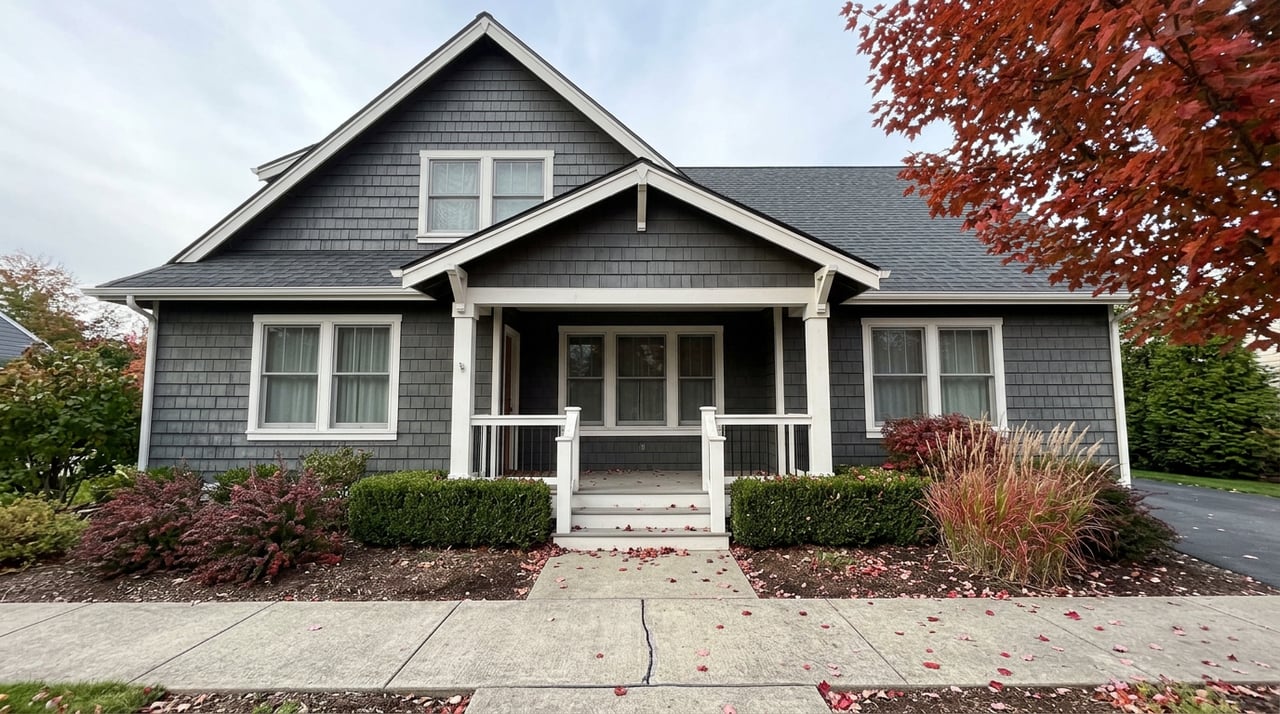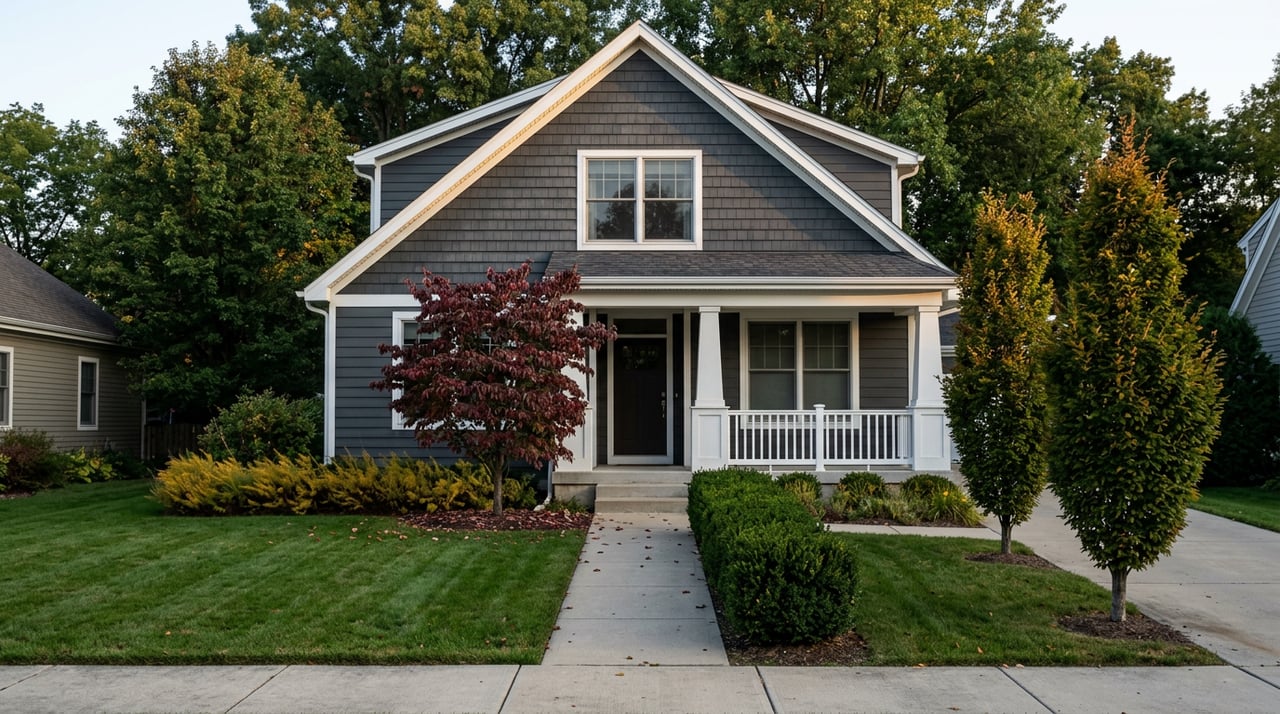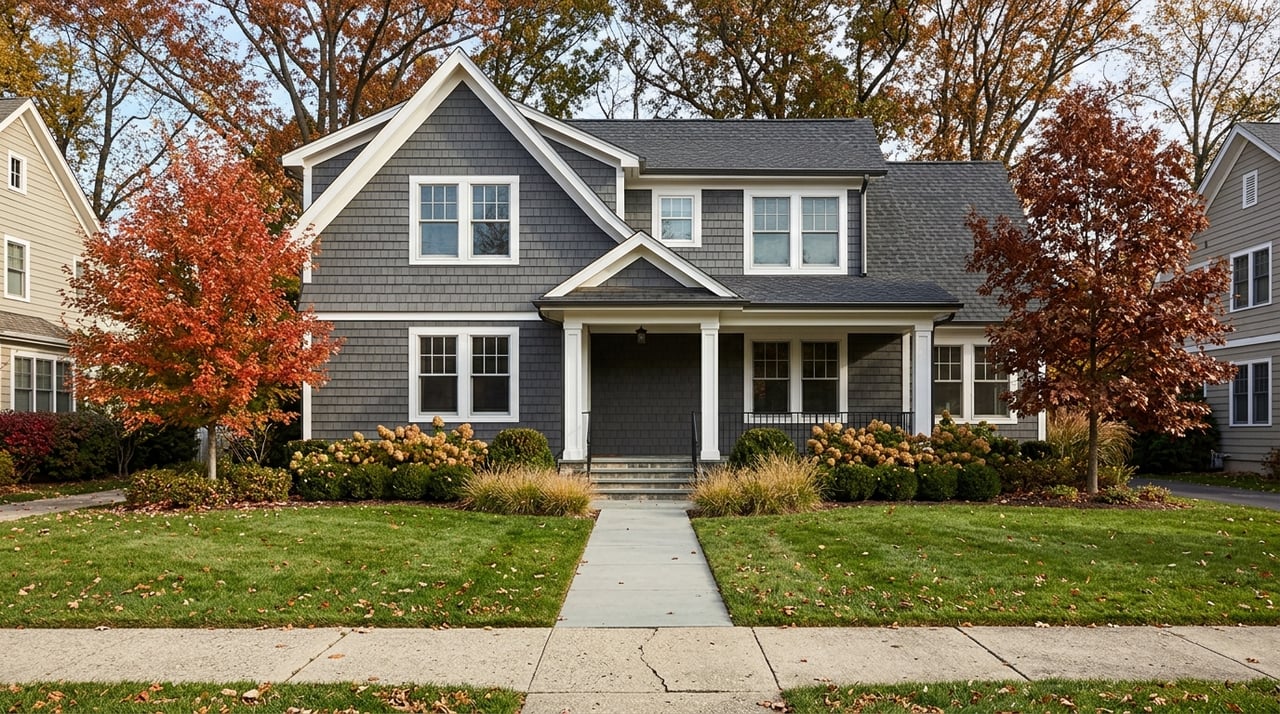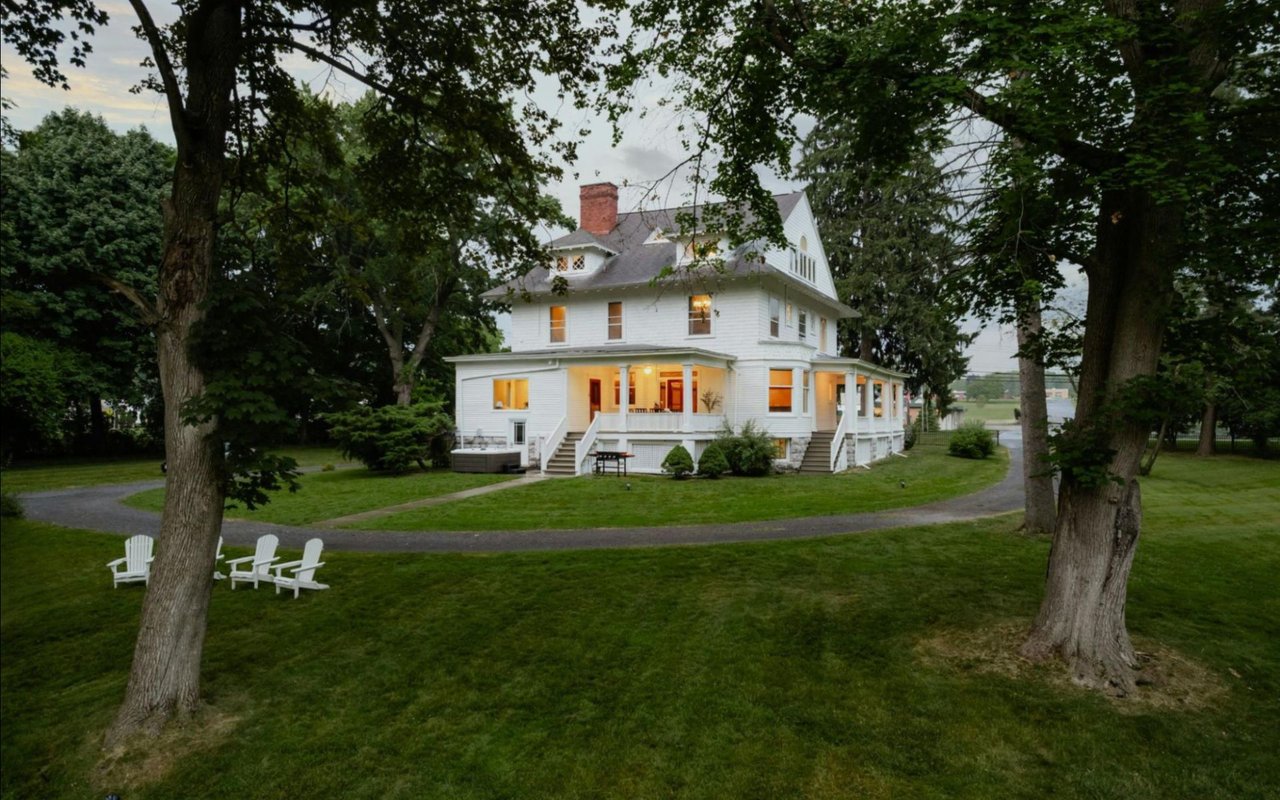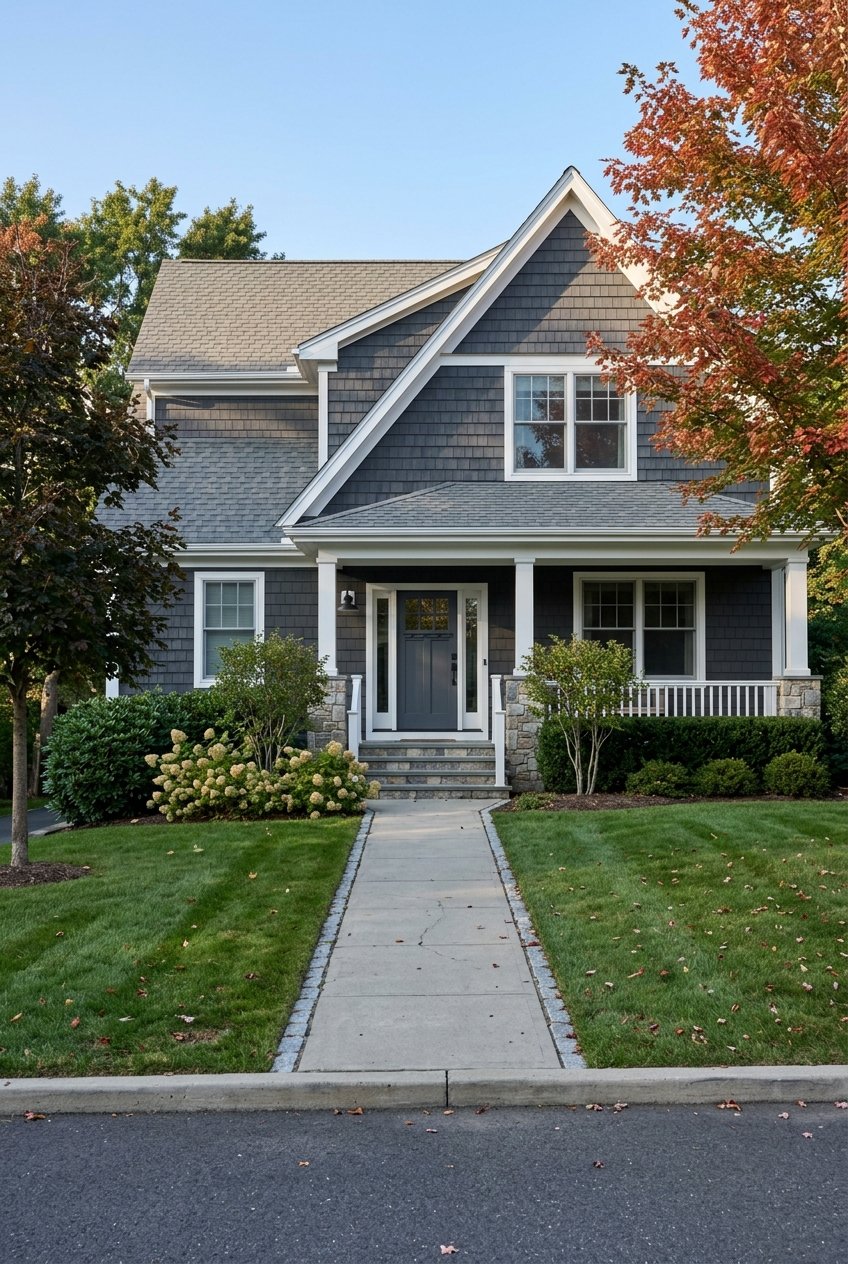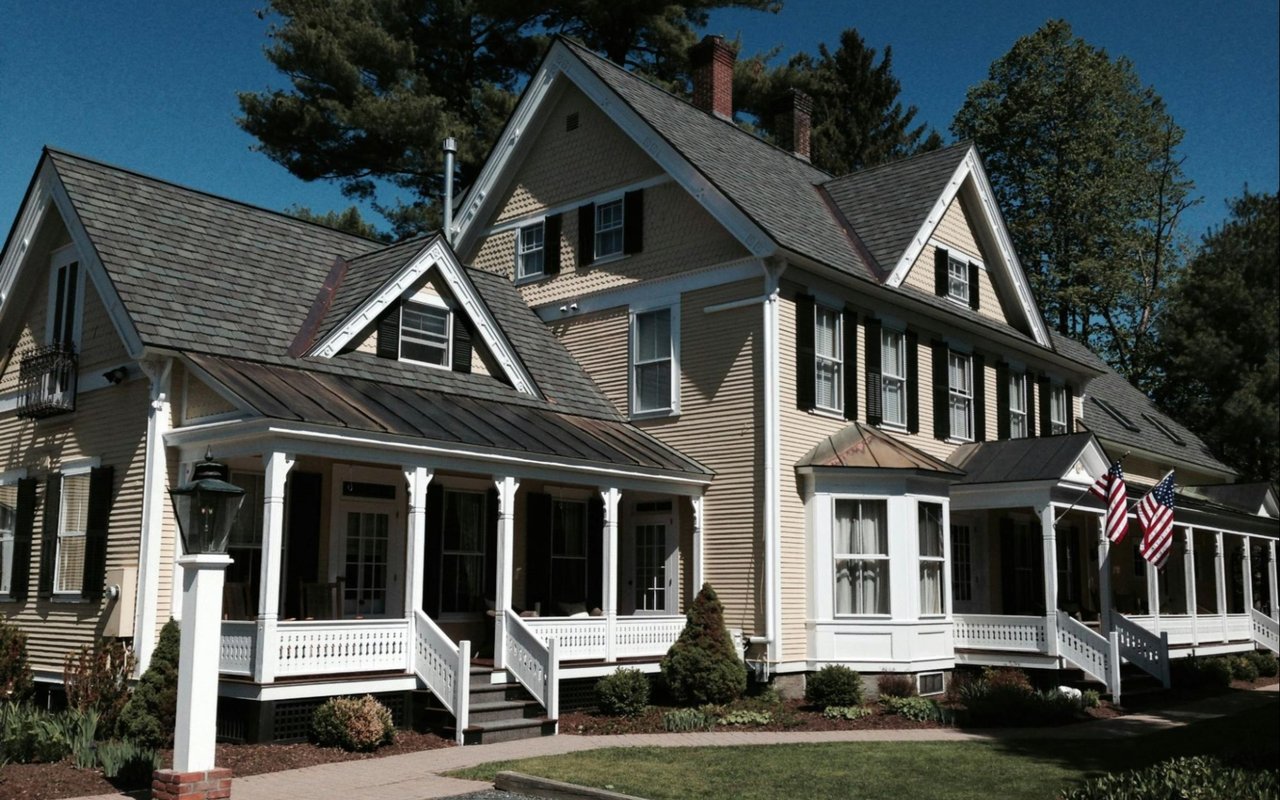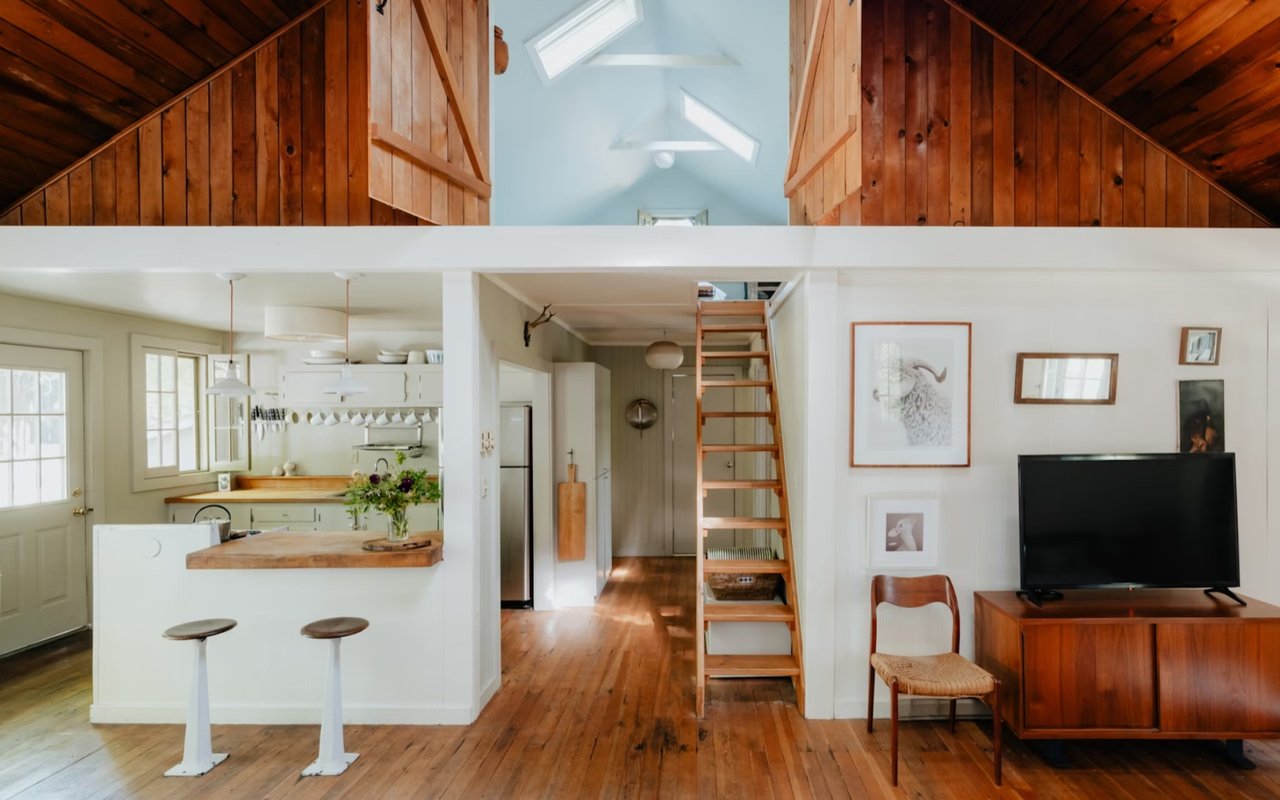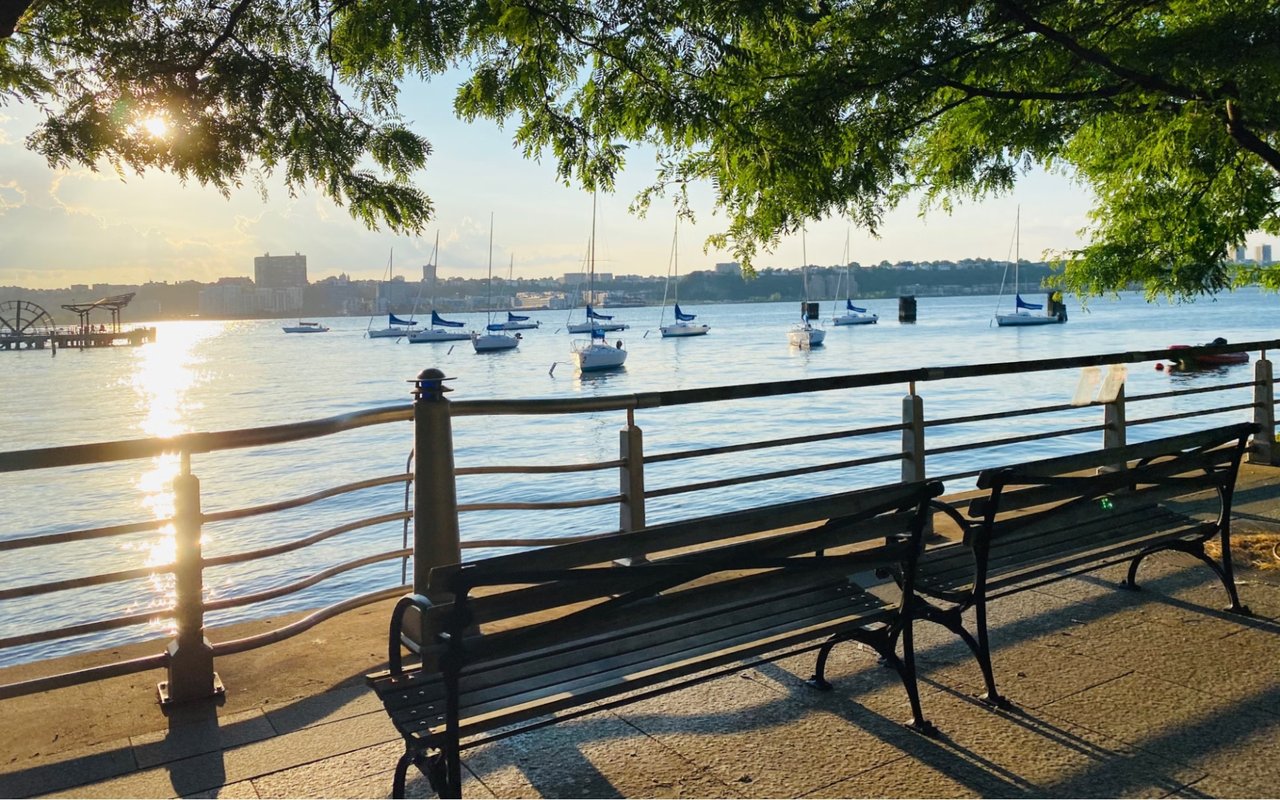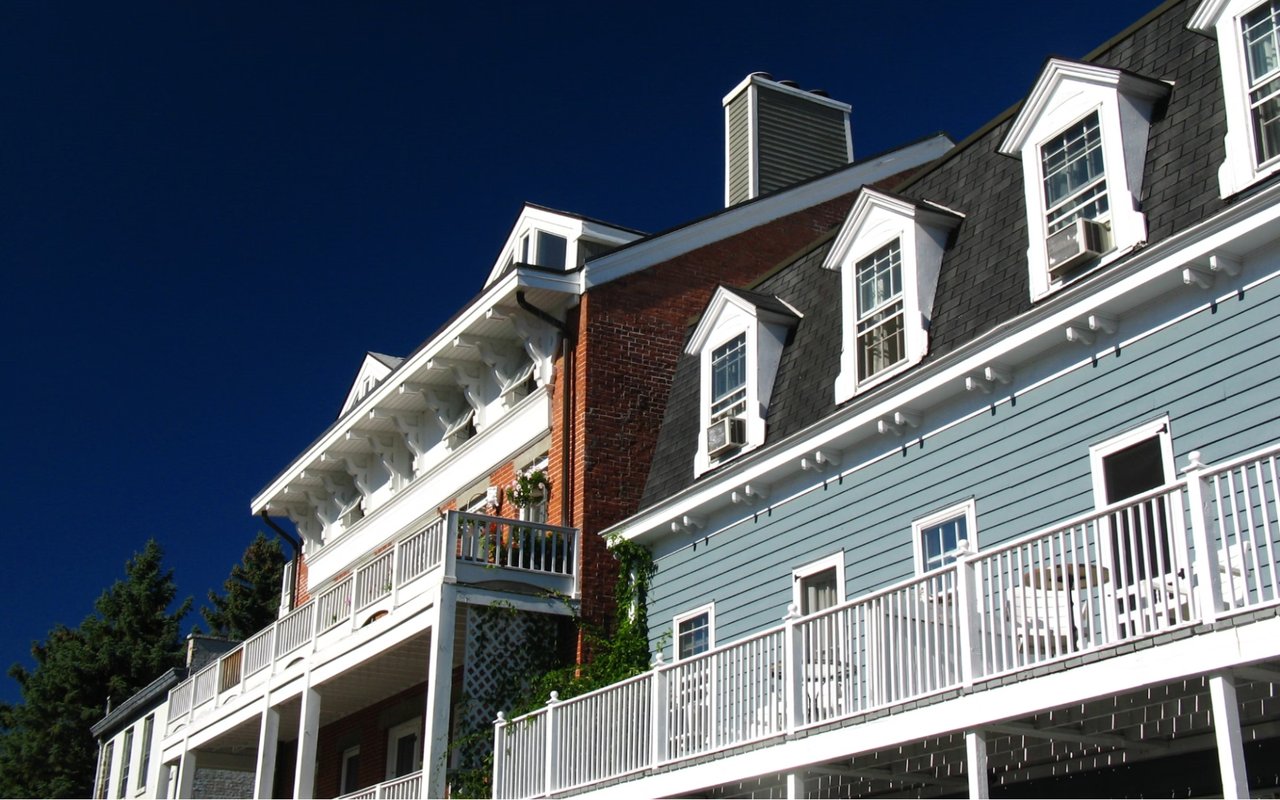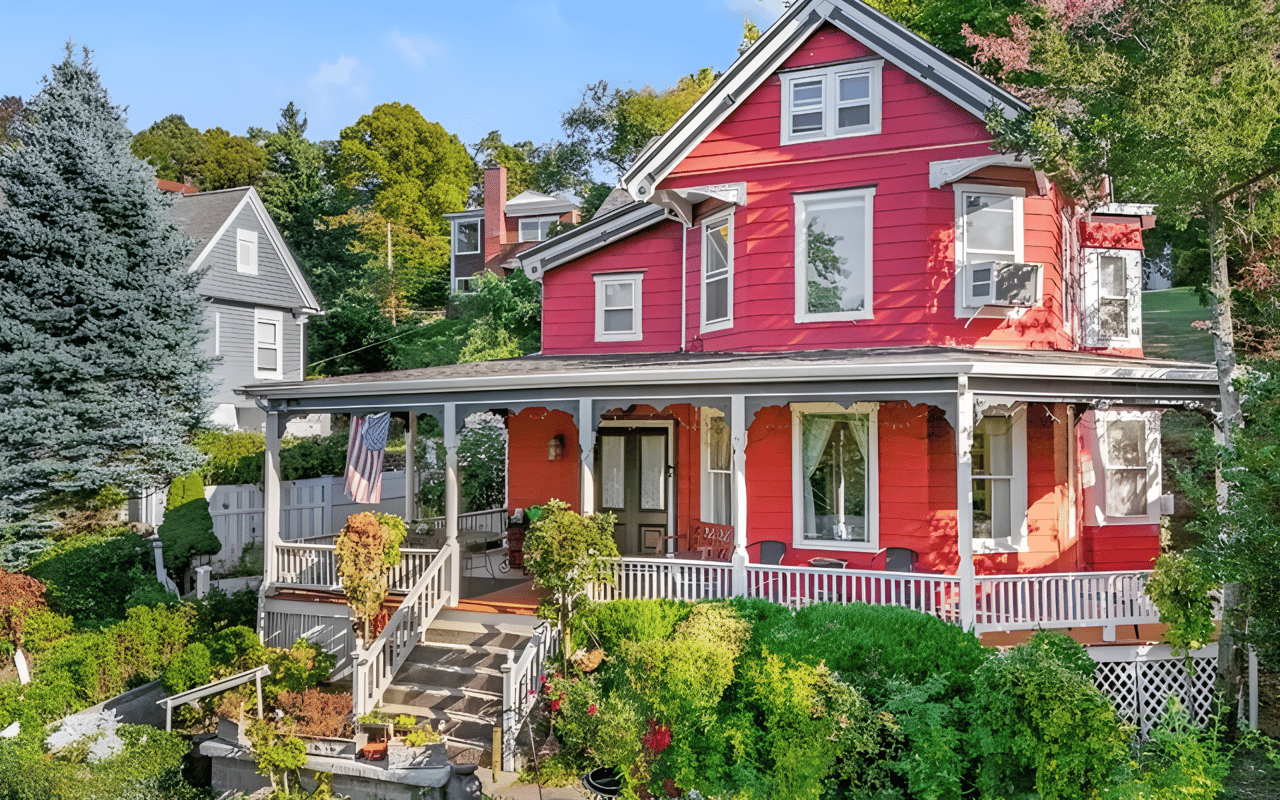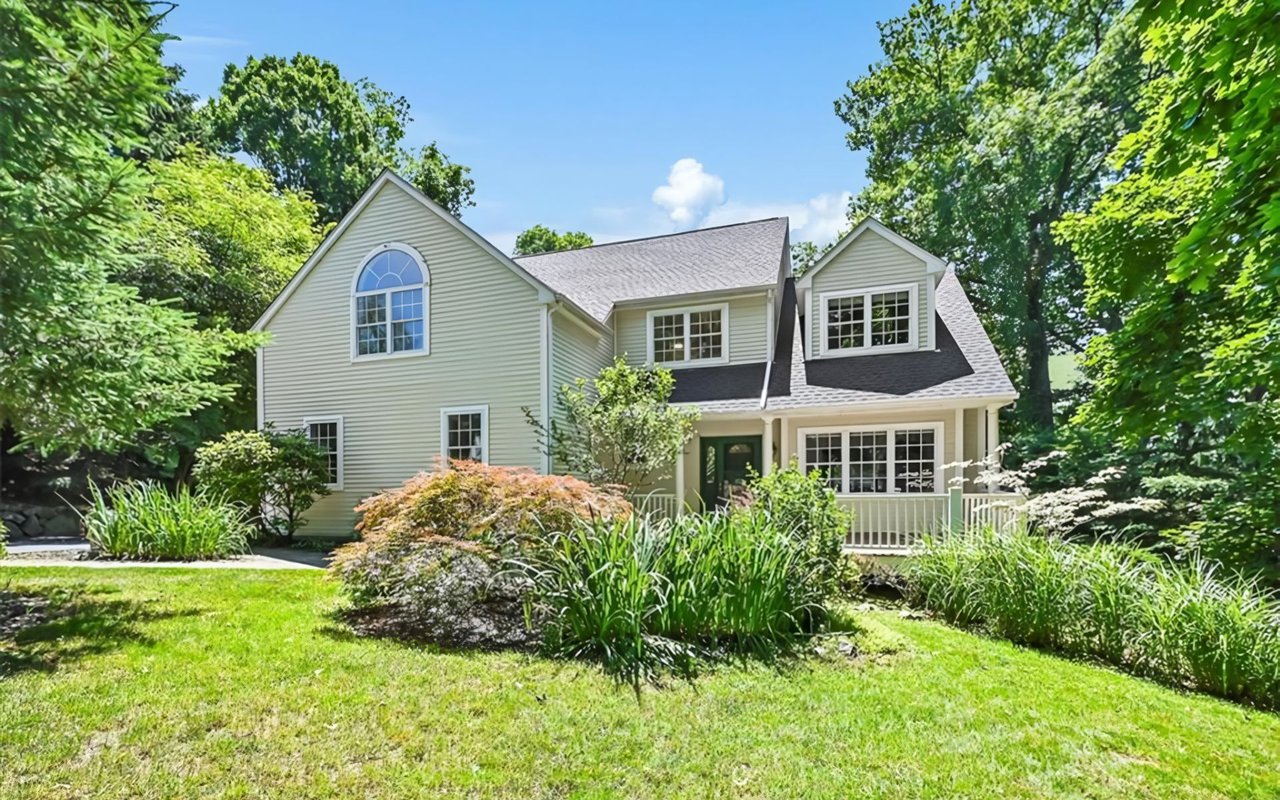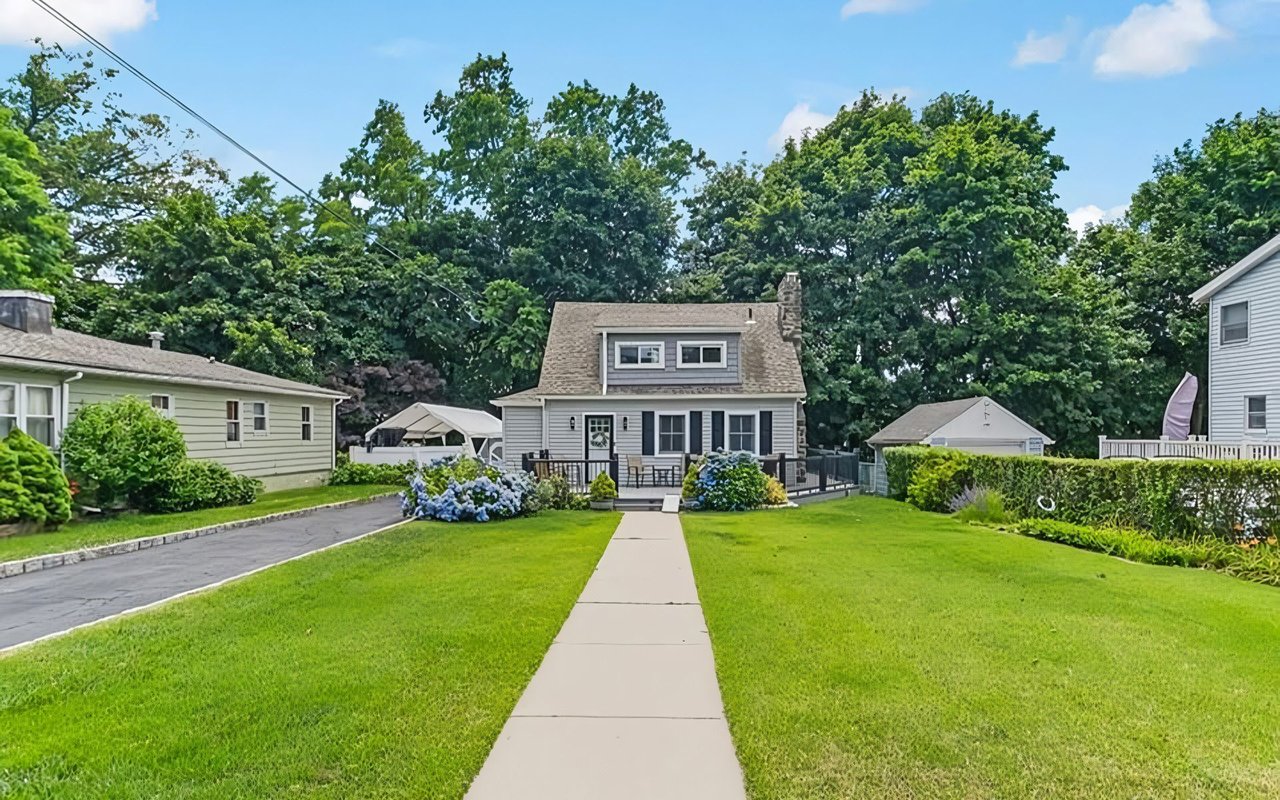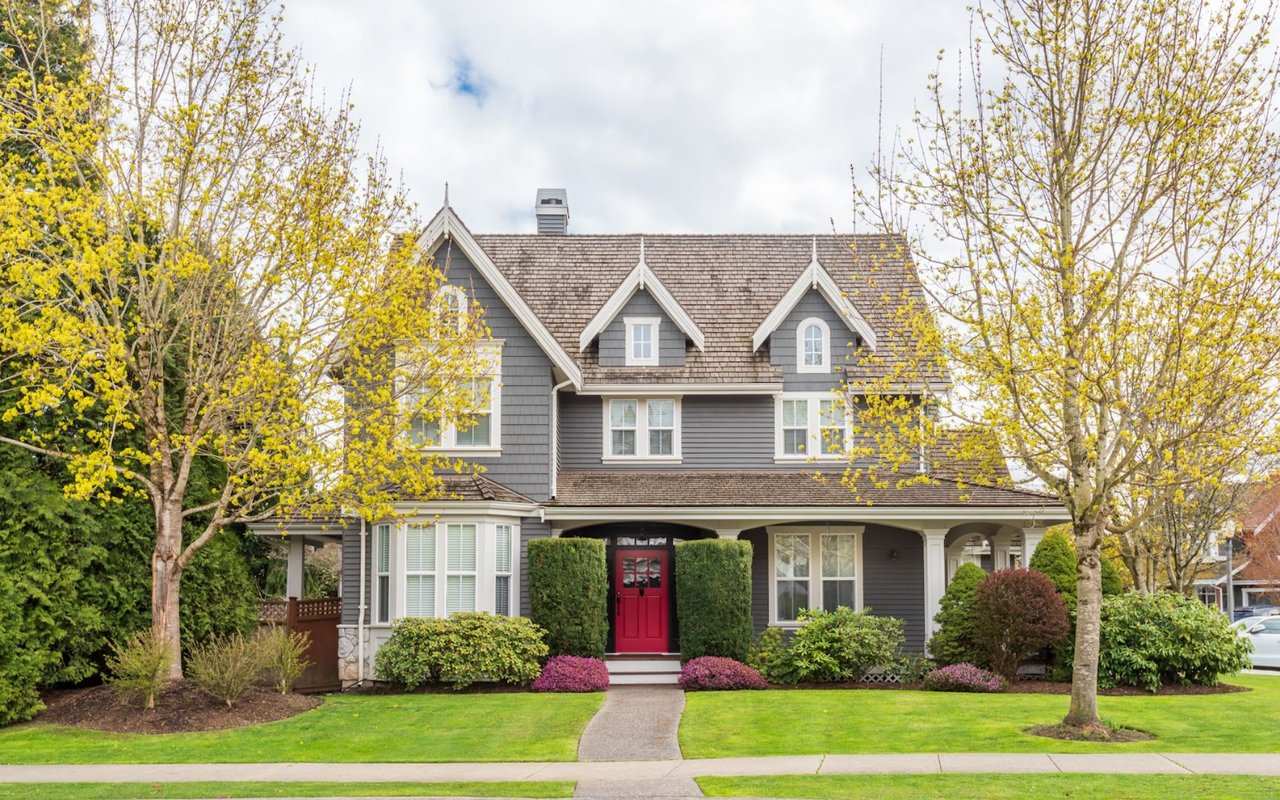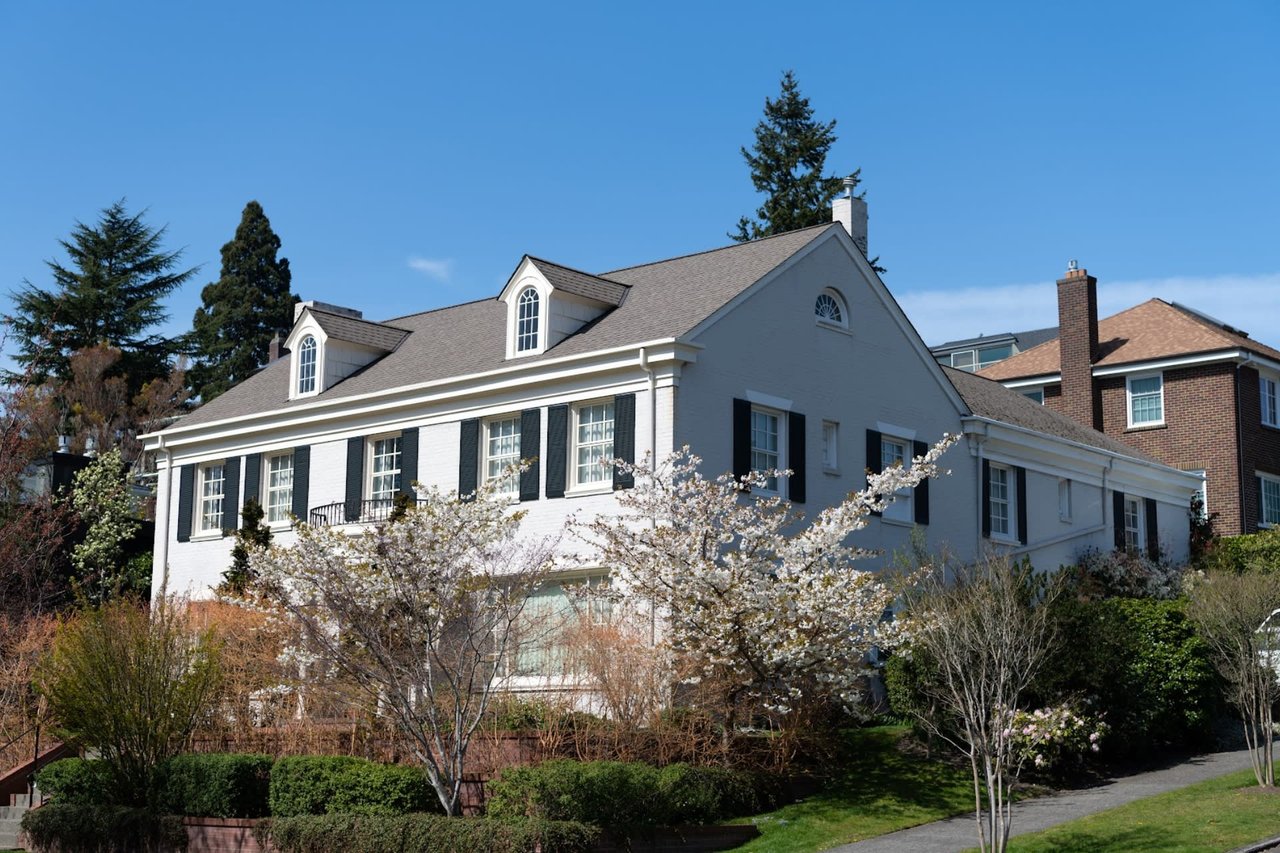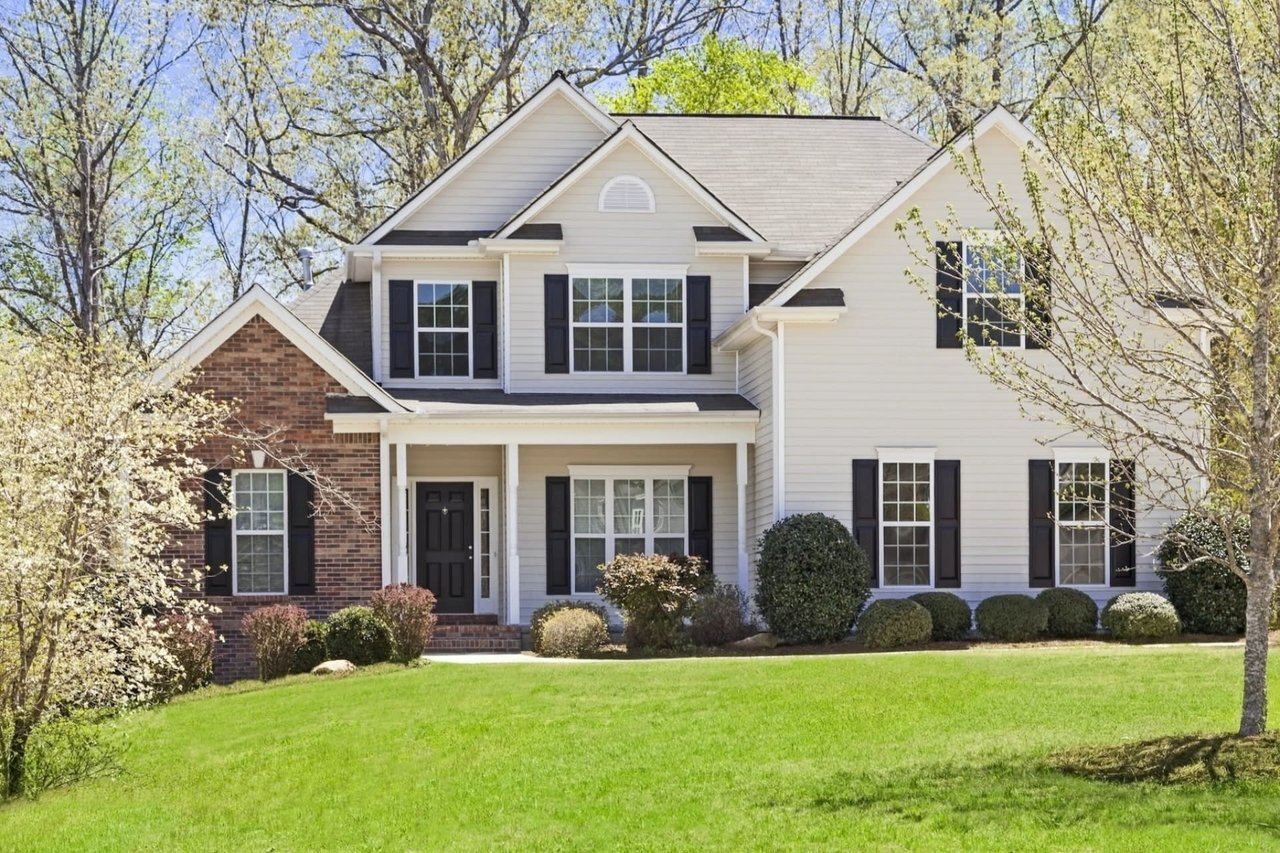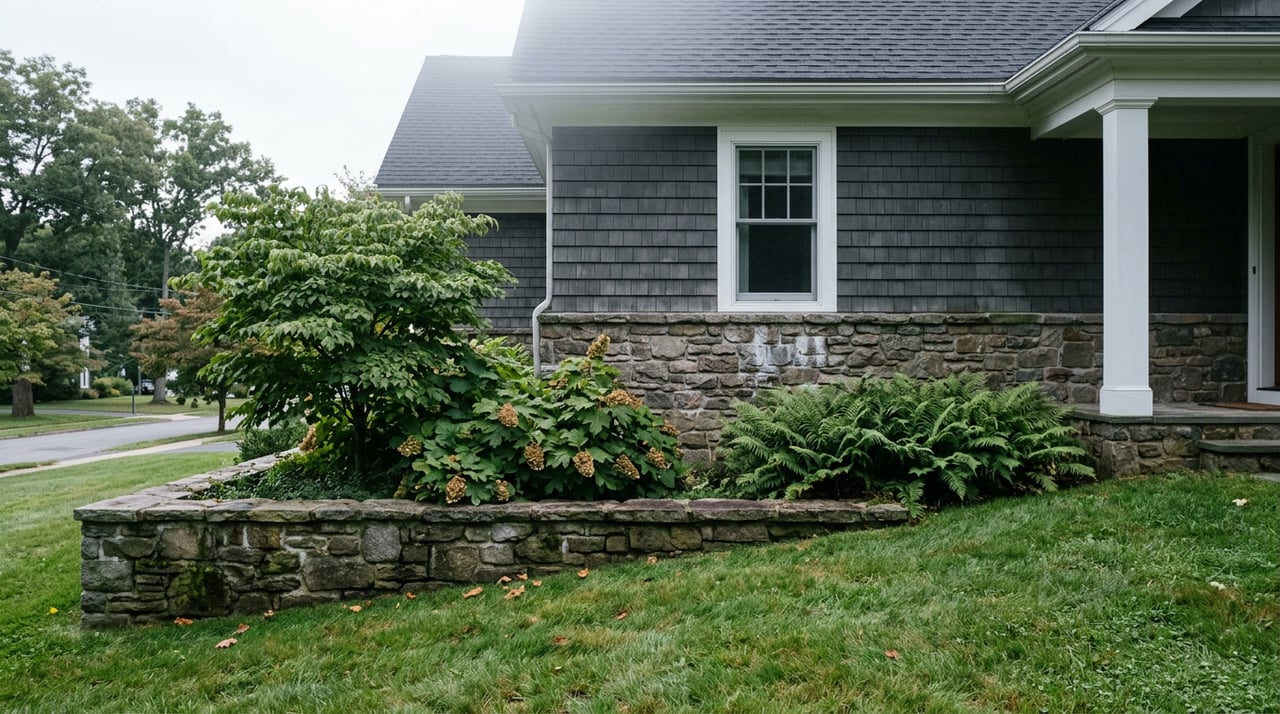
Walk the streets that climb from the Metro-North station up toward the ridge above the village, and you're walking through a housing stock that predates almost every buyer who'll eventually make an offer on it. Victorian and Colonial homes near Louis Engel Waterfront Park, capes tucked into Sparta and Indian Village, center-hall colonials shaded by trees old enough to have pushed roots under a foundation poured before either World War. Most sellers assume the risk in that story is physical: a cracked wall, a leaning retaining wall, something the home inspector flags that sends a buyer running. That risk is real. It is also, in most Ossining transactions, the smaller one.
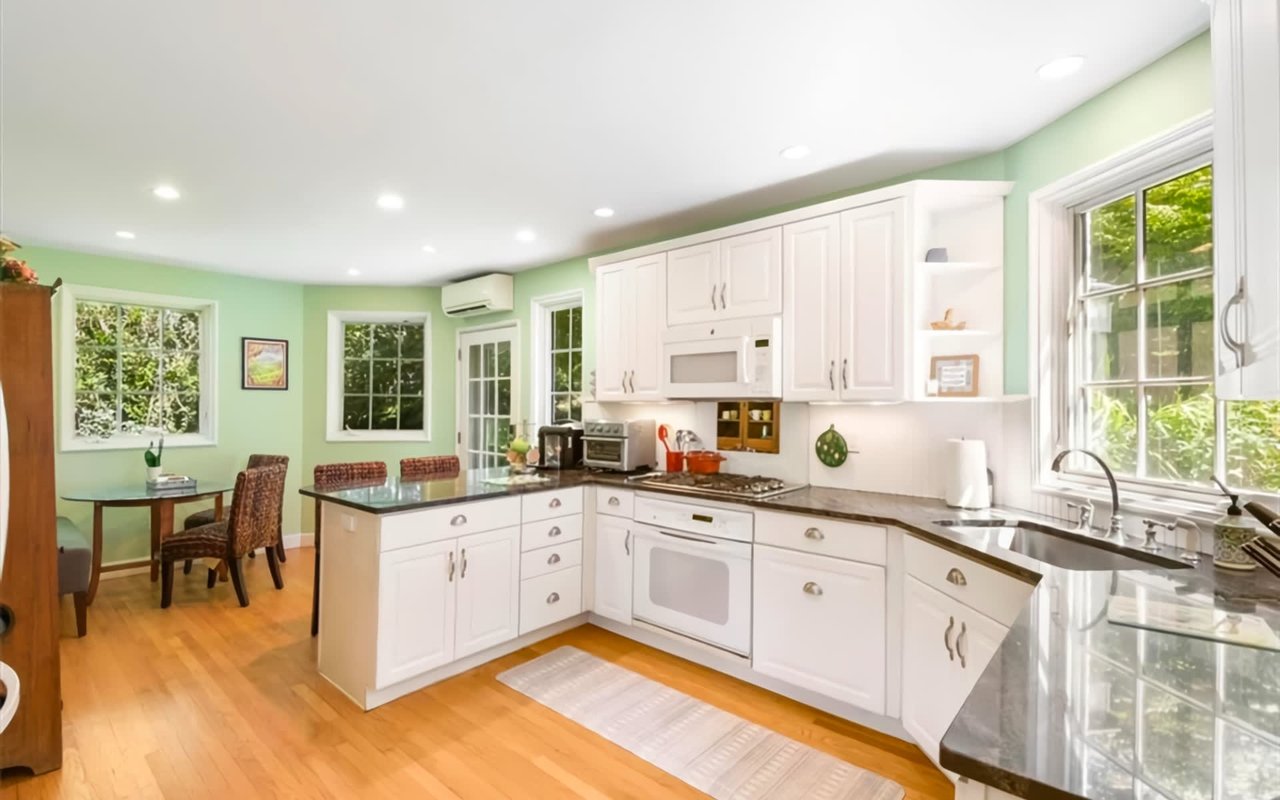
The bigger problem sits in a filing cabinet, not a basement. It's the finished rec room from 1994 that never got a final sign-off. The in-law suite with its own kitchen that nobody remembers permitting. The retroactive paperwork trail that a title search or an attorney's due diligence turns up two weeks before a scheduled closing, at exactly the point where nobody wants a new complication.
What the Ground Actually Does to These Houses
Ossining's terrain isn't incidental to its housing stock. The village sits on genuinely hilly ground, with neighborhoods rising from the waterfront up toward higher elevations, and a large share of homes built before 1960, some dating to the late 1800s. That combination of age, slope, and proximity to the Hudson produces a predictable pattern that local masonry contractors see on repeat: hillside lots deal with soil movement and drainage pressure that flat lots don't, and homes near the waterfront and downtown see faster mortar wear from the humidity that comes off the river. Freeze-thaw cycles run through the ground dozens of times some winters, and each one pushes a little more water into whatever crack is already there.
None of this is automatically bad news. A local mason who works these streets regularly draws a clear distinction between a crack that means something and one that doesn't: a thin vertical crack is often just ordinary settling, while a horizontal crack usually signals the wall is under lateral pressure from soil or water pushing from outside. Mature trees add a slower variable, since root growth over decades can shift soil beneath a foundation and stress mortar joints without anyone noticing until a chimney needs repointing or a basement wall starts to bow.
An inspector who knows Ossining expects to find some version of this. It's rarely the finding that kills a deal. It's what happens next, when the buyer's attorney asks a simple question: was this ever permitted?
What the Village's Guide Says About Permit Close-Out
Certificates of Occupancy and Certificates of Compliance exist to confirm that work done on a house, an addition, a finished basement, a converted garage, was inspected and signed off by the municipality. In Westchester and Putnam Counties, homeowners who've lived somewhere for decades have often added exactly this kind of space, sometimes with a permit that was never closed out, sometimes with no permit at all. Real estate attorneys who work these closings regularly point to missing Certificates of Occupancy as one of the more common reasons a deal stalls, and it isn't limited to single-family homes. Condo buildings across the county, including Eagle Bay and Mystic Pointe here in Ossining, come up in exactly this conversation.
The Village of Ossining's own home improvement guide doesn't soften this. It tells homeowners directly that failing to close out a permit properly could "cost you additional money and delay your sale considerably." It's the municipality itself, telling residents in plain language what happens when paperwork gets skipped.
Which Building Department Even Has Your File
Here's the part that catches even longtime residents off guard: Ossining isn't one building department, it's two. The Village of Ossining Building Department handles anything inside the incorporated village limits. The Town of Ossining Building Department has jurisdiction only in the unincorporated area outside those limits. If your home sits on one side of that line and you assume your permit history lives with the other office, you can lose real time just tracking down the right file before anyone even starts talking about retroactive permitting.
| Village of Ossining | Town of Ossining | |
|---|---|---|
| Jurisdiction | Inside incorporated village limits | Unincorporated area outside village limits |
| Office location | Building Department, 16 Croton Avenue | John-Paul Rodrigues Operations Center, Route 9A |
| Typical permit issuance | 4 to 6 weeks once plans are complete | Varies by project scope |
That four-to-six-week window matters more than it sounds. If a buyer's attorney flags a missing sign-off on a finished basement and the seller needs to go back and retroactively permit the work, that's not a same-week fix. It's a scheduling problem that has to get solved before a closing date can be trusted.
Why This Matters More in a Slower Market
For years, a hot Westchester market could paper over exactly this kind of friction. Buyers competing for a limited number of listings had less appetite to slow a deal down over a permit technicality. That calculus has shifted. Redfin data from March 2026 put Ossining's median sale price at $570,000, down 5.9% from a year earlier, with homes taking an average of 74 days to sell compared to just 25 days the year before. Separate tracking from February 2026 showed the same direction, with average days on market climbing to 79 from 37 a year earlier.
A slower market cuts both ways for a seller carrying an unresolved permit issue. On one hand, more time on market means more opportunity for a buyer's attorney to actually chase down the paper trail rather than rushing past it. On the other, a seller who does this work up front, before listing, isn't handing a buyer a reason to renegotiate three weeks into contract. In a market where homes are taking nearly three times as long to sell as they did a year ago, a preventable paperwork delay is the last thing worth adding to that timeline.
What This Looks Like Before You List
- Pull your Certificate of Occupancy and permit history before you list, not after an offer comes in
- Confirm whether your address falls under the Village or the Town building department
- Ask your inspector or a local mason what a hillside lot near the river typically shows on a report, so a finding isn't a surprise
- If retroactive permitting is needed, budget four to six weeks into your listing timeline rather than assuming it can be rushed
- Loop in your insurance carrier on any past improvement, since the Village's own guidance recommends this as part of closing out a permit properly
A Few Questions Worth Answering Early
What if I can't find the original permit? This is common enough in older Ossining homes that both the Village and Town building departments have processes for retroactive applications. It takes longer than a same-day fix, which is exactly why starting the search before you list matters.
Does this only affect single-family homes? No. Condo associations in Ossining, including buildings like Eagle Bay and Mystic Pointe, deal with the same category of paperwork questions when a unit changes hands, particularly around any interior work done by a previous owner.
If you're weighing a sale in Ossining and want to know what your specific address's permit history looks like before a buyer's attorney finds it for you, that's exactly the kind of groundwork The Nancy Kennedy Team walks sellers through before a listing ever goes live. Request a local market consultation and we'll help you sort out what's actually going to matter at your closing table, long before you get there.
This article is general information, not legal, tax or financial advice. Consult a qualified professional about your situation.