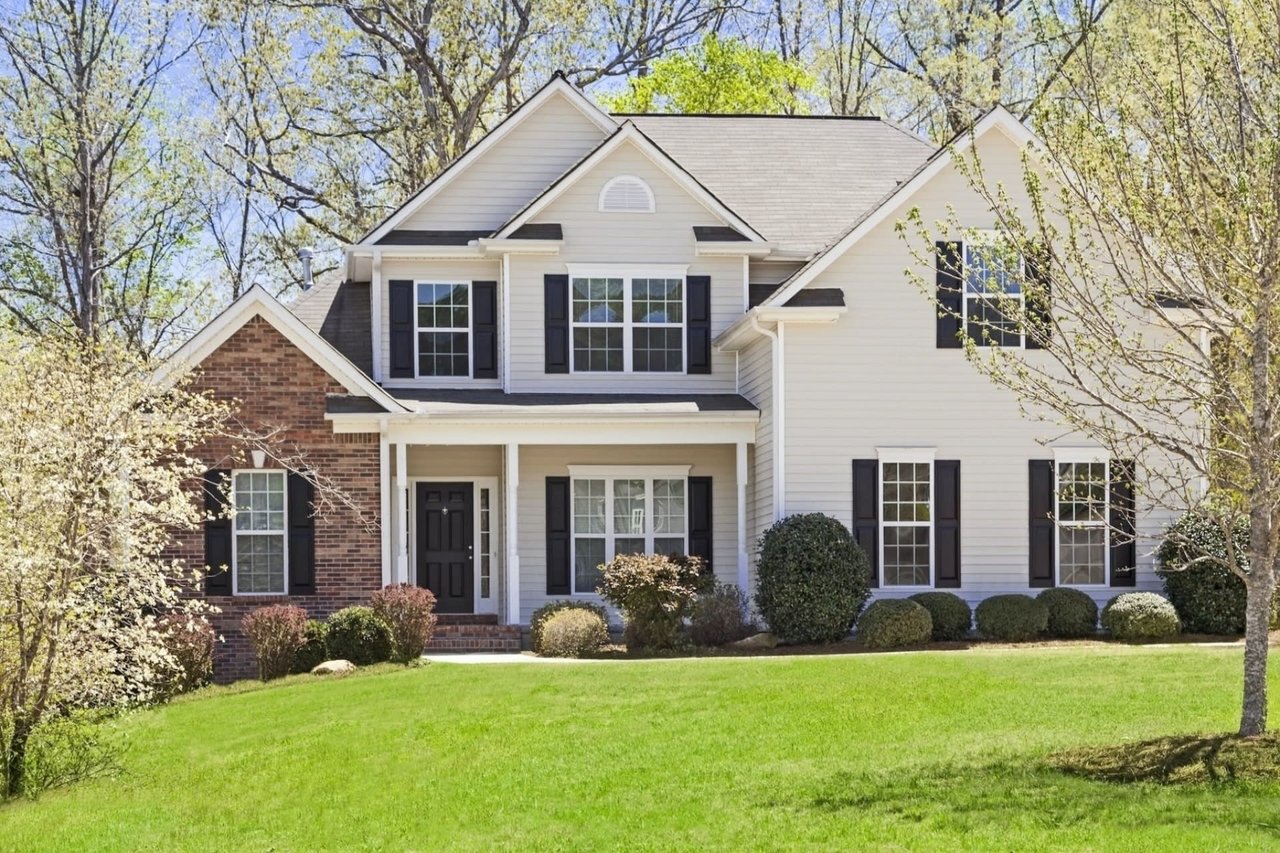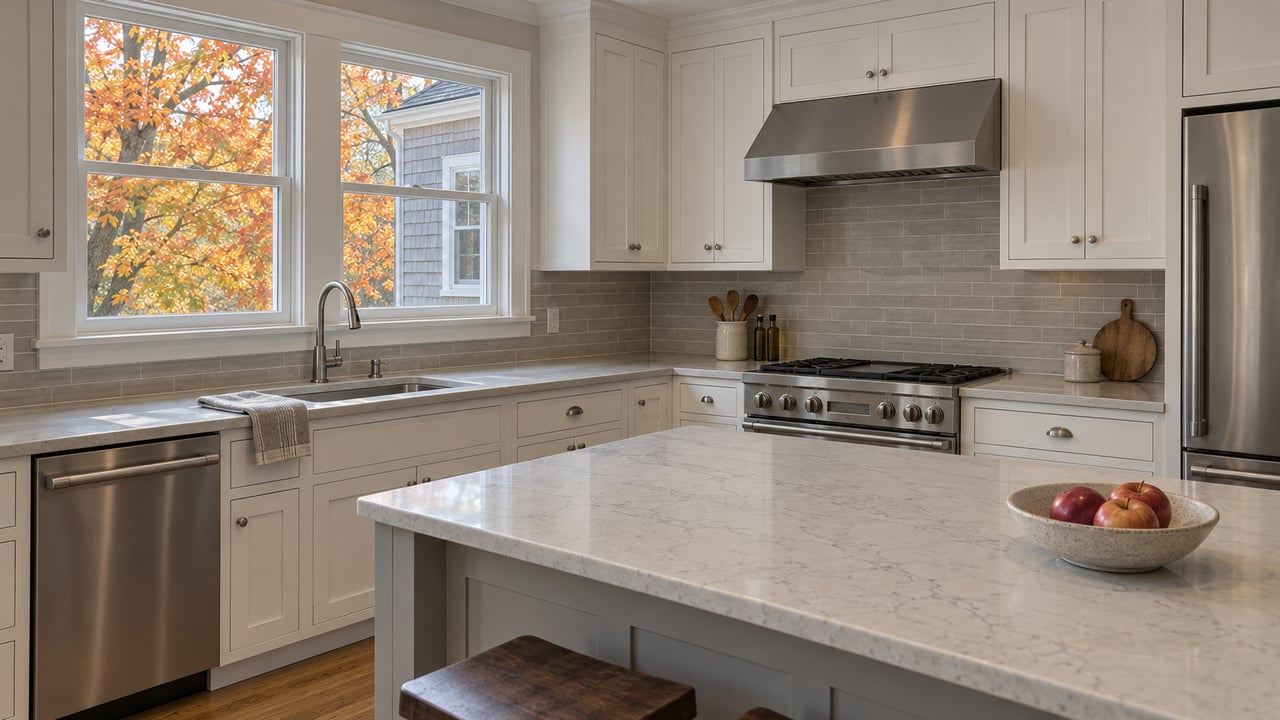
"Approval for an accessory apartment or an accessory cottage shall be issued to and run with the property owner." That sentence sits in Section 230-41 of the Village of Croton-on-Hudson Zoning Code. It's easy to read past, and it matters to anyone buying or selling a home with an accessory apartment or accessory cottage in the village.
The approval is tied to the owner, not the house. When the house sells, the next owner keeps the legal right to use the second unit only by acting on it. A partial tax exemption that a recently built unit may carry also ends when title passes to a buyer outside the owner's heirs. So a listing that advertises an in-law suite or a rentable cottage is offering two things that don't automatically pass to the buyer: the right to keep using the unit, and the tax treatment on the seller's bill.
Ninety Days, Counted From the Change of Ownership
The code sets the clock. If a new owner wants to keep the accessory apartment or cottage, they must tell the Building Department that they will live on the property as required, that they know the rules for accessory units, and that they will stay in compliance. That notice is due within 90 days of the change of ownership. If it isn't filed in time, the code says the approval is revoked "and the new owner will have to make a new application."
For a buyer closing on a Croton home with an approved unit, the timeline runs like this:
- The change of ownership. The 90-day window opens on the date the code counts as the change of ownership.
- The first weeks. This is the move-in period, when filings tend to slip. The notice confirms the new owner will occupy at least one of the two units as a primary residence.
- Day 90. The deadline. A notice filed after this point doesn't count, and the approval is gone.
- After a revocation. The owner starts over. That means Planning Board approval, the same application steps as a minor site plan, notice to property owners within 100 feet, and scaled floor plans showing floor areas.
The occupancy rule works like a gate. The code defines "owner" broadly: individual co-owners, the grantor or beneficiary of a trust that owns the home, or the majority holder of an LLC or corporation that owns it. Even so, at least one unit on the lot has to be that owner's primary residence. A buyer who plans to rent out both the main house and the cottage doesn't fit the rule.
Why a Lapsed Approval Costs More Now
Reapplying is harder in Croton because of a cap. Subsection M limits accessory apartment and accessory cottage permits so that "no more than 50 permits total" exist at any one time. That count combines apartments and cottages.
In July 2026, Village Trustee Stacey Nachtaler wrote in The Croton Chronicle that the village was approaching that limit. She said the Village Manager would put the cap on a Board work session agenda. The questions would be whether to raise the cap and whether to allow accessory units more widely, including in multifamily residential districts. She asked residents who own, plan to build or live near an accessory unit to send in their experiences.
Since then, no work session agenda has taken up the cap. The July 22 session dealt with income limits for rent-regulated senior and disability housing, SEQR, cannabis zoning and special-permit schedules. Work session agendas for August 19, September 9, September 16 and October 14 had no item on accessory units. The September 30 and October 7 Board meetings also had no accessory-unit law or hearing. The section was last amended on April 8, 2026, by Local Law No. 5-2026, and the 50-permit limit is still in the code.
That combination changes the math for buyers. A buyer who lets an existing approval lapse doesn't just redo paperwork. They go back into a pool that one trustee has described as almost full, competing with every other homeowner who wants a unit. Filing the 90-day notice is how a buyer keeps a slot the house already holds.
The Tax Break Stays With the Seller's Family
The second thing that doesn't transfer is a property tax exemption. In 2024 the village added a partial exemption to Chapter 204 of its code for accessory apartments approved under Section 230-41. It was adopted under Section 421-p of New York's Real Property Tax Law. The exemption covers the increase in assessed value from building the unit. It applies only to work started after the local law took effect, the work has to cost more than $3,000, and the increase in market value it covers is capped at $200,000.
The local law spells out the schedule. Each percentage below is the share of the original "exemption base," meaning the added assessed value counted in the first year:
| Year of exemption | Share of added assessed value exempt |
|---|---|
| Years 1 to 5 | 100% |
| Year 6 | 75% |
| Year 7 | 50% |
| Year 8 | 25% |
| Year 9 | 15% |
| Year 10 | 5% |
| After year 10 | Exemption expires |
The clause that matters at a sale comes next. The exemption ends if the building stops being used mainly as a residence, or if title passes to "other than the heirs or distributees of the owner." A buyer from outside the family who looks at a seller's recent tax bill on a home with a newly built apartment may be looking at a number that ends when they take title.
The scope of the exemption is limited too. Section 421-p of the Real Property Tax Law lets each county, city, town and village adopt a 421-p exemption by local law, and lets school districts adopt one by resolution. Each taxing body decides for itself. Croton's exemption is a village law, so its reach depends on which other taxing jurisdictions have adopted their own. A buyer weighing a home with a recently added unit should confirm with the assessor how that particular bill is built.
The same 2024 package also created a separate exemption for living quarters built for an owner's parent or grandparent aged 62 or older. It applies only while a qualifying relative lives there as a primary residence, and the owner has to reapply every year. That one depends on who lives in the unit, which makes it even less likely to survive a sale.
Grant-Funded Units Carry Their Own Terms
A unit built with state money adds another layer. In September 2025, according to River Journal, Habitat for Humanity NYC and Westchester broke ground on its first standalone accessory dwelling unit in Croton, at 2 Lounsbury Road. The unit was being built as a rental with funding from Round 2 of New York State's Plus One ADU Program. It was the first new-construction unit from that round to get underway.
Habitat NYC and Westchester advertises up to $125,000 per home through the program. New York State Homes and Community Renewal describes the funding source as an $85 million state capital budget allocation. Homeowners agree to a regulatory period of at least 10 years, permanent rather than short-term rental use, annual certifications, and site visits every two years. When a listing includes a unit built with this kind of funding, the program paperwork belongs in the same folder as the Planning Board approval. A buyer should read it before making an offer, not after.
What the File Should Hold Before the Listing Goes Live
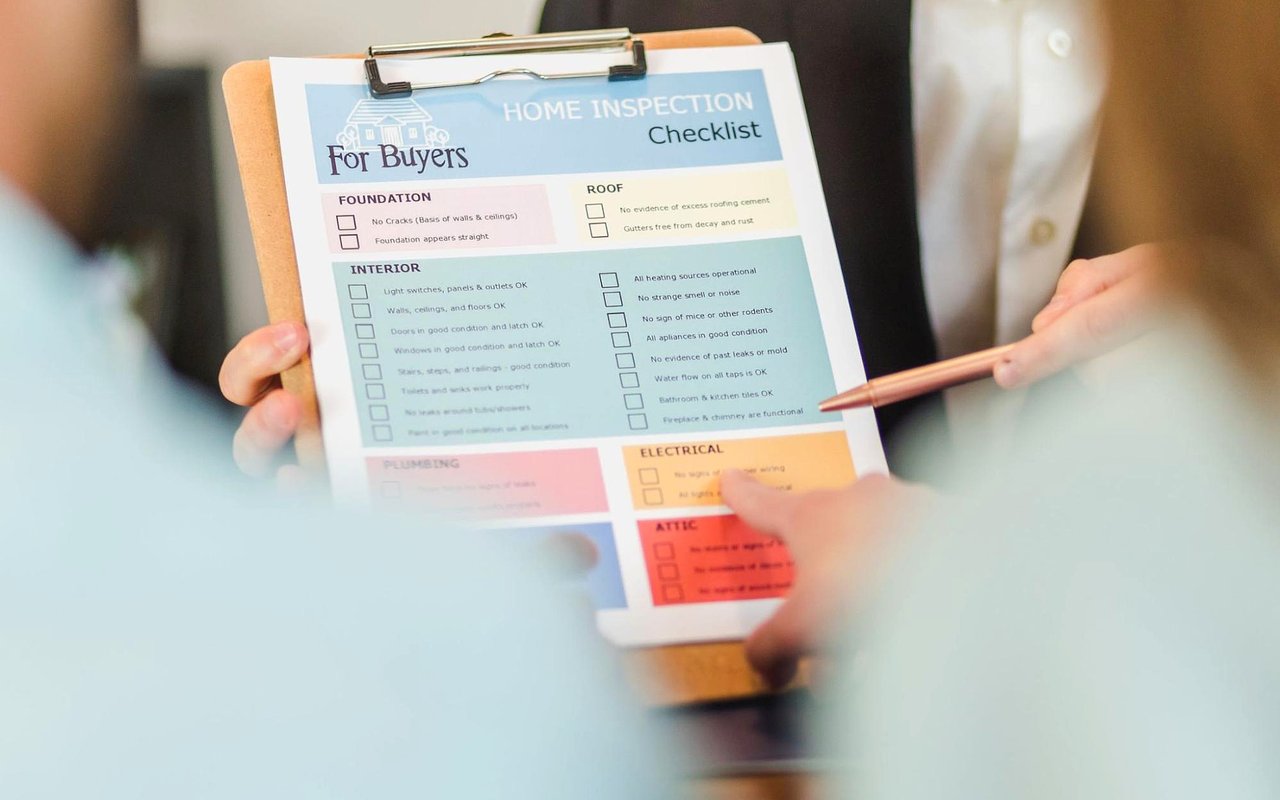
Listings sometimes describe a second unit in a phrase, while what decides whether it stays legal is a stack of documents. For a Croton home with an accessory apartment or cottage, these are the items that affect the deal:
- The Planning Board approval itself, showing that the unit was approved under Section 230-41 and not simply built.
- Building permits and floor area. The code sets a minimum of 300 square feet. The maximum is generally the lesser of 800 square feet or, for an apartment, 40% of the main house's habitable area. The Planning Board can approve more or less.
- County health approval, for homes not on the village sewer system. Westchester County Department of Health sign-off is required before the Planning Board can approve.
- The tax exemption record, if the seller has one, so the buyer can see when the exemption started and confirm with the assessor what happens to it at transfer.
- Any state program agreement, if the unit was built with Plus One funding.
- A note on the 90-day notice, so the buyer knows before closing that the filing is coming and where it goes.
None of this shows up in a median price. An accessory unit with a clean approval, a buyer who files on time and realistic tax expectations is an asset. The same unit with gaps in that record may be worth less to the buyer than the listing suggests. Sellers who are still deciding whether the unit adds to their price can start with a home valuation built on the actual paperwork. Our Croton-on-Hudson neighborhood guide covers the village more broadly. The same kind of document trail is behind a problem we described in Ossining, where permit history stalls sales.
A Few Questions We Hear
Can a buyer who plans to rent out the whole property keep the accessory unit? The code requires the owner to live in at least one of the units as a primary residence. The 90-day notice asks the new owner to confirm that.
Can a builder or seller get approval before a qualifying buyer exists? Yes. The code lets someone who intends to sell to an owner-occupant get approval to build the unit. The unit can't be occupied as an accessory unit until the owner lives on the property.
Is there a discount on permit fees? The code cuts the building permit fee for an accessory apartment or cottage by 50%.
This post is general information, not legal, tax or financial advice. Please confirm the details of your own property with the village, the assessor or your attorney.
If you're selling a Croton-on-Hudson home with an accessory apartment, or making an offer on one, The Nancy Kennedy Team can help you put the approval, permit and tax records together before they affect the deal. Request a local market consultation, and we'll go through the file with you.